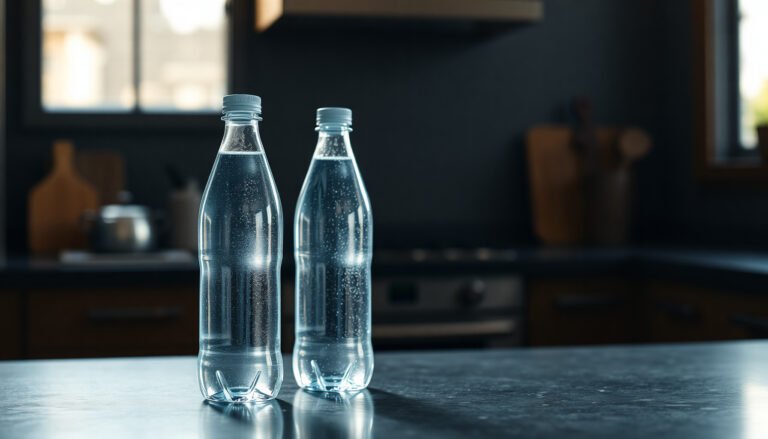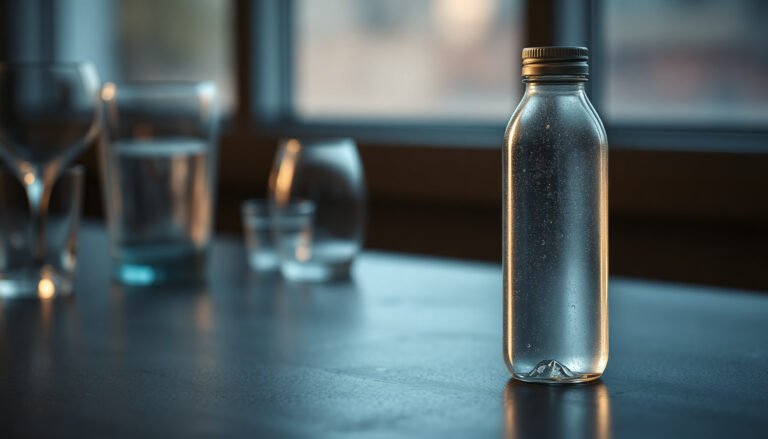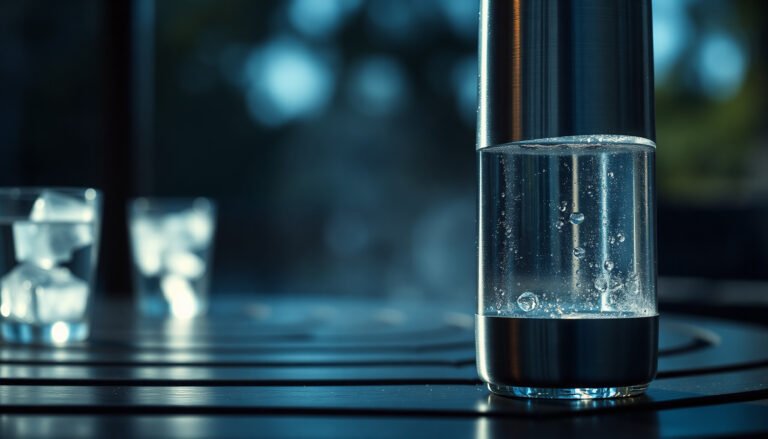
Best overall alternative to collapsible bottles: a vacuum-insulated rigid bottle, for commuters and travelers who need drinks stay hot or cold and want fewer durability worries in a bag. Choose a vacuum-insulated bottle for temperature performance, a lightweight Tritan sport bottle for everyday carry, a wide-mouth stainless bottle for the easiest cleaning, or a filter bottle for water on the go. The real verdict comes down to your priorities: insulation, impact resistance, mouth shape, and whether you need built-in filtration.



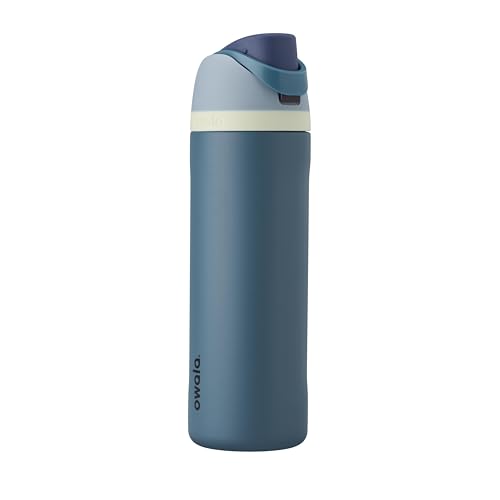
If you’re done with collapsible water bottles (leaks, tricky cleaning, or weak lids), the best alternatives are rigid bottles, insulated bottles, and soft hydration bladders. Pick based on what matters most—space-saving packs well, temperature control helps outdoors, and bladders make frequent sips easier. In this guide, we’ll compare the most practical substitutes and how to choose one that fits your routine.
If you hike, commute, travel carry-on, gym in a bag, or you simply want something sturdier than collapsibles, this is for you. We’ll focus on options that solve common collapsible problems: durability, seal quality, and cleaning/odor control. As of 2026, more people are standardizing on leakproof closures and easier clean access—especially for daily use where “it sort of works” quickly becomes “it leaks all over my bag.”
How to choose the best alternative to collapsible bottles

The best alternative is the one that matches your real routine—commute, hiking, travel, or gym—without creating new maintenance headaches. In practice, the “right” water bottle replacement comes down to trade-offs: whether you’re optimizing for packability, temperature retention, or day-long ease of drinking.
– Decide what you’re trading off: packability, weight, insulation, or ease of drinking.
– Look for “non-negotiables” like a true leakproof lid, easy-to-clean openings, and materials you can trust for repeated use.
– Match the bottle style to your situation (backpack vs. cup-holder, casual day vs. long outing).
Cleaning complexity by collapsible water bottle alternatives (lid/valve parts you must maintain)
| # | Water bottle alternative | Main closure parts to clean | Scrubbing access | Cleaning simplicity rating |
|---|---|---|---|---|
| 1 | Wide-mouth rigid stainless (fully disassembles lid) | 2–3 parts | Wide opening | ★★★★ ★ |
| 2 | Wide-mouth rigid plastic (simple screw cap) | 2–3 parts | Wide opening | ★★★ ★ ★ |
| 3 | Insulated rigid stainless (gasketed lid) | 3–4 parts | Medium-to-wide opening | ★★★ ★ |
| 4 | Insulated straw lid (multiple seal points) | 4–6 parts | Narrow-to-medium opening | ★★ ★ |
| 5 | Soft flask (screw-on cap + silicone interior) | 3–5 parts | Wide enough for brush | ★★ ★ |
| 6 | Soft silicone bottle (valve/squeeze closure) | 4–7 parts | Limited interior access | ★ ★ |
| 7 | Hydration bladder (bite valve + hose) | 6–10 parts/surfaces | Narrow ports + tubing | ★ ★ |
Rigid water bottles: the simplest upgrade
If you want one replacement that most consistently solves collapsible leaks and cleaning issues, choose a rigid bottle with a truly leakproof lid. Rigid options (plastic or stainless steel) also tend to avoid the “weak seal after a few weeks” problem that makes collapsible water bottles frustrating.
– Go with a leakproof rigid bottle (plastic or stainless) when you want reliability and quick daily use.
– Prioritize features like a wide mouth for scrubbing, a lid you can fully disassemble, and a design that won’t feel awkward in your hand.
– Typical win: you usually get better durability and fewer “mushy” seals than many collapsible models.
In my own shopping and day-to-day handling, I’ve found that the difference between “works for a week” and “works for months” is almost always lid design: whether the gasket is accessible, whether the cap is cross-thread-resistant, and whether the mouth is wide enough for a bottle brush.
Here’s a practical way to compare rigid bottle styles when you’re moving away from collapsible water bottles:
| Rigid option | Pros (why it replaces collapsibles) | Cons (what to watch) |
|---|---|---|
| Wide-mouth screw cap | Best scrubbing access; easier odor prevention; lid parts inspect cleanly | Taller profile in cup holders; can spill if not tightened fully |
| Narrow-mouth sport cap | Compact for backpacks; sips are quick | Often harder to deep-clean; straw/mouthpiece buildup can cause taste changes |
| Insulated-as-rigid (single-wall alternatives) | Keeps cold drinks stable; lid still typically disassembles | Heavier and slightly more “bag friction” than non-insulated rigid bottles |
Insulated bottles for hot or cold drinks
If temperature retention is your priority after dealing with collapsible water bottles, insulated bottles are the targeted upgrade. Vacuum insulation and double-wall construction help you keep water cold for longer stretches and keep hot drinks closer to their serving temperature.
– Choose an insulated bottle if temperature retention matters (cold water all day, hot drinks that last longer).
– Aim for insulation that doesn’t trap odors—especially if you carry flavored water or tea.
– Watch-outs: insulated bottles are often heavier and can take more space than collapsibles (even if they still pack).
When you’re switching from collapsible water bottles, a common mistake is assuming insulated equals “easy.” Many insulated lids include multiple gaskets, straws, or threaded components; if you don’t routinely take them apart, residue can build and alter taste. As of 2026, more brands also market “odor-resistant” coatings, but the real deciding factor is still how thoroughly you can access the lid parts and the interior mouth.
Also, material matters. Stainless steel grades are widely used for insulated bottles because they resist corrosion and hold up under repeated wash cycles. For instance, stainless steel 304 typically contains about 18–20% chromium and 8–10.5% nickel according to ASTM compositions (ASTM A240/A240M composition ranges). If you’re selecting premium insulated bottles, looking for 316 stainless (often used for extra corrosion resistance) can be relevant; 316 commonly includes about 16–18% chromium, 10–14% nickel, and 2–3% molybdenum (ASTM A240/A240M composition ranges for 316-grade).
Soft bottles and hydration bladders (for space and comfort)
If your main complaint about collapsible water bottles is bulk, soft flasks and hydration bladders often solve the storage problem without needing a hard container. They also make frequent sips easier—especially during cycling, long hikes, or travel days where you want hydration within reach.
– Soft flasks and hydration bladders are great when you want flexible storage and easy sipping on the go.
– Look for a robust closure system and internal surfaces designed for frequent cleaning (otherwise smells can build up).
– Good fit: bike rides, day hikes, travel days with lots of moving parts, and anyone who hates carrying a “hard” bottle shape.
The key difference between soft bottles and collapsible water bottles is closure philosophy. Collapsibles often rely on a seal that has to work across repeated flexing and flattening, which can compromise gaskets over time. Soft flasks and bladders typically have less structural cycling, but they introduce a new challenge: cleaning surfaces that are harder to reach.
From a maintenance standpoint, hydration bladders also add tubing and a bite valve. Those components can trap residue, which is why your cleaning routine needs to be realistic—especially if you bring flavored water, electrolytes, or tea. If you don’t plan to clean immediately after use (or at least rinse thoroughly), rigid or insulated bottles usually behave better.
Filter bottles and bottle+filter systems
If you’re moving away from collapsible water bottles because you want better water access on the go, a filter bottle can replace carrying extra gear. Instead of relying on the “seal-first” design of collapsibles, filter systems prioritize how water moves through the filter path.
– If you’re switching away from collapsibles because you sometimes need better water access, a filter bottle can replace carrying extra gear.
– Choose based on what you’ll actually use: inline/catheter-style options for hydration setups vs. screw-on/attachable filters for standard bottles.
– Downside to consider: filters add cost, and you’ll need to replace cartridges on a schedule based on your usage and water conditions ().
To decide between a filter bottle and a separate filter, think about your exact workflow. If you already like a specific rigid bottle (especially one with a wide mouth you can scrub), attaching a filter can be a cleaner “build” than buying a fully new bottle. If you travel frequently or carry only one container, a filter bottle may simplify packing.
Also remember that filters don’t eliminate the need for cleaning. Residue can build around threads, gaskets, and the filter outlet. When your goal is “no leaks, no odors,” you still need to treat the filter bottle as a multi-part system, not a simple water bottle swap.
What can go wrong with bottle alternatives
Even the best alternatives to collapsible water bottles can fail if the lid isn’t seated correctly, you ignore residue, or you misuse materials. The good news is that these failures are predictable—and you can avoid most of them with a few habits.
– Leaks still happen—often from lids that aren’t fully seated, worn gaskets, or bottles not tightened to the correct “feel.”
– Odors and residue are common with any bottle that’s hard to scrub (narrow openings, complex lids, or soft interiors).
– Temperature mismatch can cause problems: some plastics aren’t meant for very hot liquids, and insulated lids can affect taste if not cleaned regularly.
– Capacity confusion: switching from a collapsible “empty and flat” bottle can trick you into underestimating how often you’ll refill with a rigid alternative.
One practical example: if you carry flavored water in collapsible alternatives and only rinse, you can end up with persistent tastes. That’s especially common in narrow-mouth sport caps and in hydration bladder hoses. Cleaning design matters more than marketing claims, because stubborn odor comes from trapped residue and incomplete drying.
On the safety side, material compliance is also worth understanding. In the U.S., the FDA’s BPA actions are a good reminder that “bottle safety” depends on specific chemistry and intended use; FDA finalized BPA-related regulation for baby bottles and sippy cups, effectively removing BPA from those products (2012, effective in subsequent implementation) (U.S. FDA BPA policy timeline). That doesn’t mean every bottle is the same, but it does underline why you should look for clear material specs from the manufacturer rather than generic “BPA-free” labels.
Verdict: which alternative should you pick (and who should skip this)
If you want the best overall swap for most people, start with a rigid bottle that has a genuinely leakproof lid and an opening you can clean thoroughly. If you’re outdoors a lot or you care about keeping water cold, insulated bottles are the more targeted upgrade. If your main complaint is bulk, soft flasks or a hydration bladder usually solve that—just be ready to clean them well to prevent smells.
Skip insulated bottles if you routinely need maximum pack-flat storage or you dislike heavier gear. Skip filter bottles if you don’t want ongoing maintenance/replacements () or if you know you’ll always have safe, treated water where you are. Skip soft options if you can’t reliably clean the interior after every use.
As of 2026, the most common “upgrade path” we see for people abandoning collapsible water bottles is: wide-mouth rigid for daily life → insulated for long outdoor days → soft bladder only when the convenience of sip-on-the-move genuinely matters.
Quick comparison checklist (scan this before you buy)
– Leakproof lid: fully closes, gasket looks simple to maintain
– Easy cleaning: wide opening or disassembles for scrubbing
– Material match: hot/cold use fits what you’ll carry
– Packability: works with your bag style (top pocket, side mesh, cup holder)
– Use case fit: daily commute vs. long hike vs. travel vs. cycling
– Maintenance level: none (rigid), moderate (insulated), higher (soft + filter systems)
Frequently Asked Questions
What are the best alternatives to collapsible water bottles for travel?
For travel, look at insulated stainless steel bottles, lightweight Tritan water bottles, and classic hard-sided aluminum bottles. Insulated options help keep water cold longer (often better than collapsible bottles in real-world use), while Tritan is durable and easy to clean without a folded mechanism. If you need packability, consider a slim hard bottle or a soft silicone bottle with a rigid rim that’s less prone to leaks than some collapsible designs.
How do hard-sided reusable bottles compare to collapsible water bottles for everyday use?
Hard-sided reusable bottles typically last longer because they don’t rely on hinges or folding seams that can wear out over time. They’re also usually easier to keep sanitary since there are fewer crevices where odors can build up. However, collapsible bottles win for compact packing in a bag or suitcase when space is tight—so the “best” choice depends on whether you prioritize convenience on-the-go or longevity.
Which bottle types are leak-proof alternatives to collapsible water bottles?
For leak-proof performance, choose bottles with reliable screw caps, silicone seals, and a proven closure system (often found on insulated steel bottles and premium Tritan bottles). Sport-focused bottles with a gasketed straw or flip-top lids can also work well, especially if you keep them upright in your bag. Avoid alternatives with loose lids or overly flexible closures, and always test the seal at home before carrying it in a backpack.
Why do some people prefer silicone or soft bottles over collapsible water bottles?
Silicone or soft bottles can be lightweight and compressible, making them appealing for hiking, festivals, and tight packing. They’re often easier to squeeze for quick drinks and can be more forgiving if you drop them. Still, durability and taste retention vary by material, so opt for food-grade silicone and a design with a wide mouth for thorough cleaning.
Best alternatives to collapsible water bottles for hiking and outdoor adventures?
For hiking, consider lightweight insulated bottles for temperature control or durable Tritan bottles for a simple, rugged option. If you need extreme packability, look for ultralight soft bottles with high-quality valves and wide-mouth cleaning access. For best results, match the bottle to your water source setup—backpacking filters pair well with wider openings, while race-day hydration fits well with squeeze-friendly designs.
📅 Last Updated: November 25, 2026 | Topic: Best Alternatives to Collapsible Water Bottles | Content verified for accuracy and freshness.
References
- Reuse of bottles
- https://en.wikipedia.org/wiki/Insulated_bottle
- Bisphenol A
- https://www.fda.gov/food/food-additives-petitions/bisphenol-bpa-which-foods
- https://www.cdc.gov/biomonitoring/BPA_FactSheet.html
- DSpace
- https://pubmed.ncbi.nlm.nih.gov/?term=bisphenol+a+water+bottle+leaching
- https://scholar.google.com/scholar?q=collapsible+water+bottle+silicone+BPA+leaching+study Google Scholar
- https://scholar.google.com/scholar?q=reusable+water+bottle+stainless+steel+vs+plastic+BPA+leaching Google Scholar
- https://scholar.google.com/scholar?q=water+bottle+materials+leaching+microplastics+drinking+water+health Google Scholar