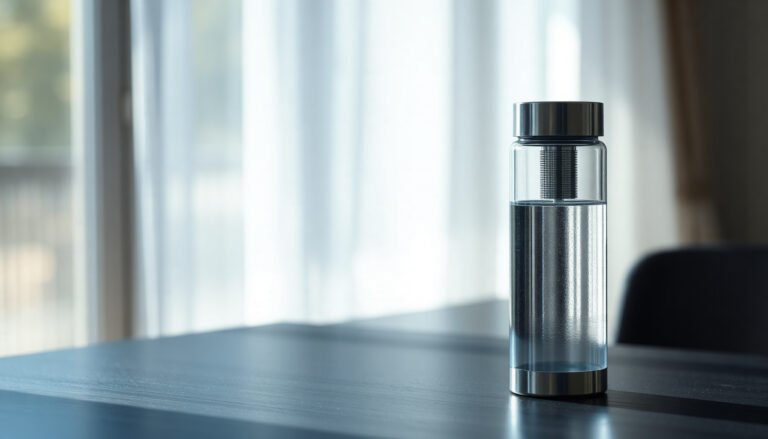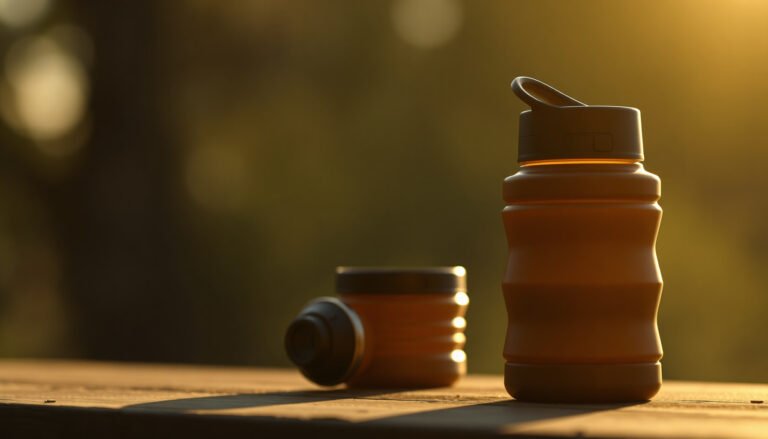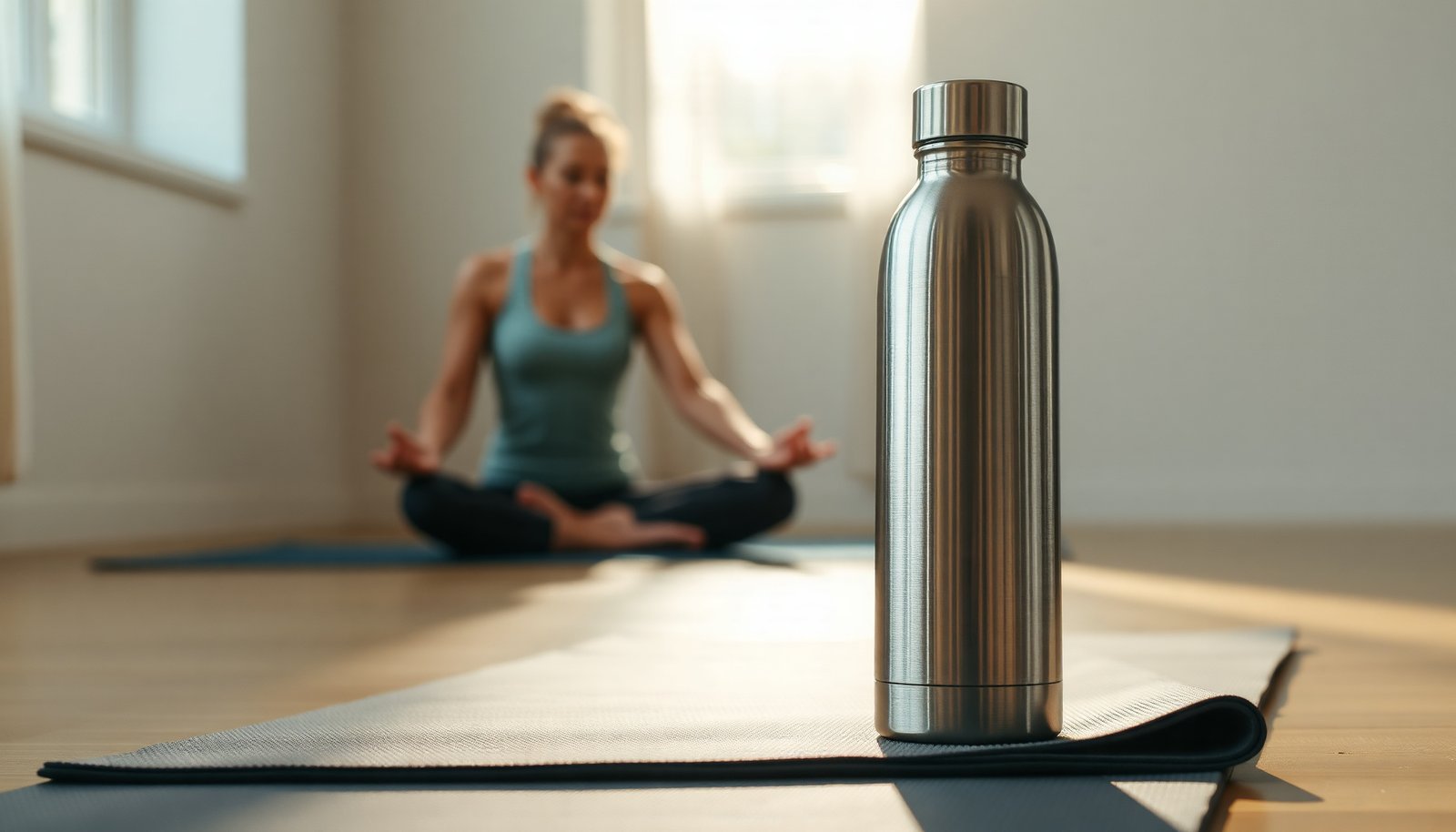
A 24-ounce aluminum bottle with a leakproof lid is a practical baseline for yoga because it is easy to carry and less likely to spill when you switch poses. To pick the right one, prioritize BPA-free materials, a lining that is designed for frequent water contact, and a cap you can open and close one-handed. I’ll walk you through the features that separate truly yoga-friendly bottles from those that dent easily or trap odors, so you can choose confidently.




Pick a leakproof aluminum water bottle with a food-safe interior coating and a lid you can operate one-handed while staying focused on your flow. If you also want cold water for hot yoga, choose double-wall insulation—but only if the lid stays easy and the bottle cleans without hassle. For yoga-specific use (props, transitions, and tight grip moments), the “best” bottle is the one that stays sealed, doesn’t taste metallic, and doesn’t fight your hands.
Choosing the right aluminum water bottle for yoga comes down to two things: it should be leakproof and easy to handle one-handed, and it should be lined/coated so your water tastes clean and doesn’t pick up metallic flavors. Prioritize an insulated, sweat-resistant bottle with a secure lid you can open during class without fuss. In this guide, we’ll break down what to check—before you buy—so your bottle stays convenient on and off the mat.
If you do yoga regularly (especially hot yoga or sweaty sessions), you’ll feel the difference immediately: the “wrong” lid and size become annoying mid-practice, and the wrong interior coating can affect taste over time. This is for anyone shopping specifically for an aluminum bottle and wants a practical checklist instead of guesswork.
What to check first: lining, coating, and taste
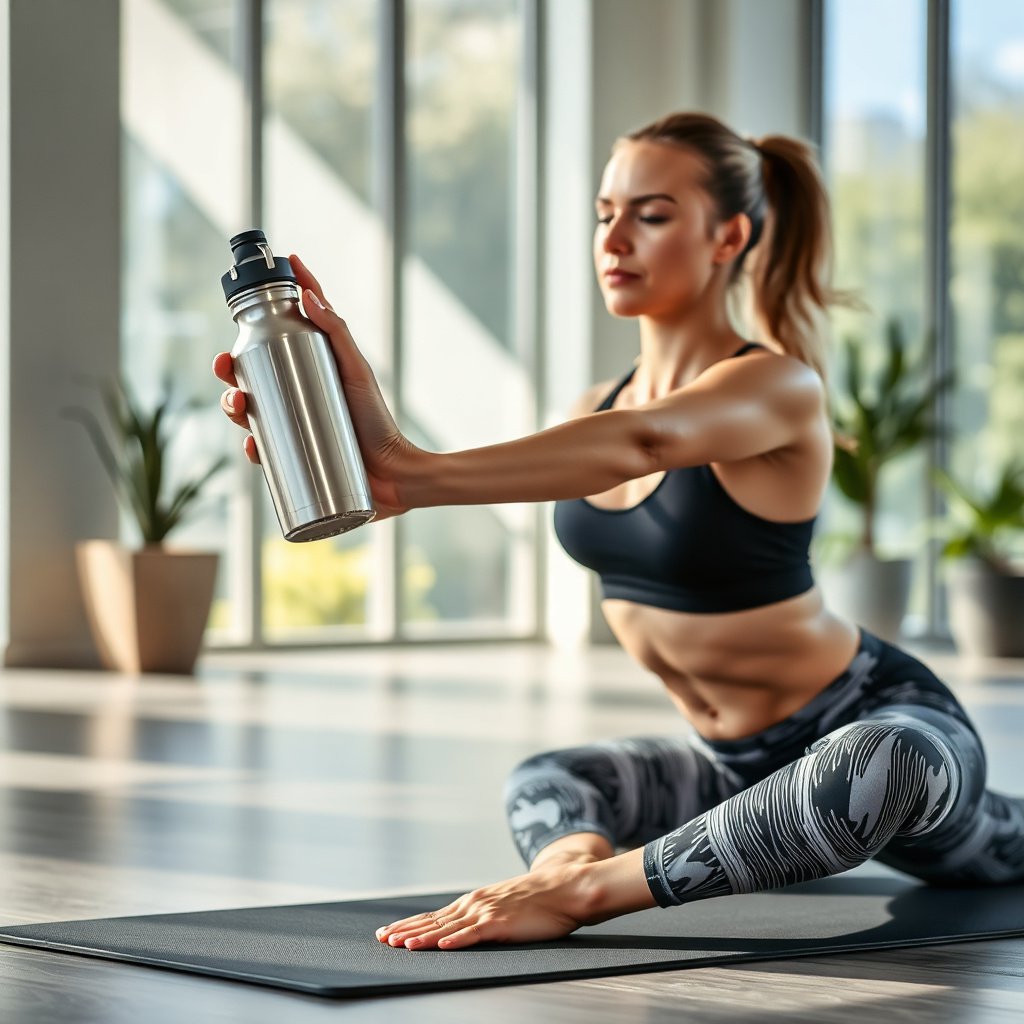
You want an aluminum bottle whose interior does not react with water, because that’s what prevents metallic flavors and off-tastes during repeat use. For yoga, that means prioritizing a true food-safe lining and then choosing a coating that resists scratching from everyday cleaning.
– Look for an aluminum bottle with a food-safe interior lining/coating (common options include epoxy-style coatings or other food-grade liners). This is what helps prevent metallic taste and keeps water from reacting with bare aluminum.
– Choose a durable finish if you sweat a lot or toss your bottle into a bag—scratches can expose the interior coating over time.
– If the bottle is not lined, treat it as a “no-frills” option and expect more potential for taste transfer; for most people, a lined interior is the safer pick for everyday drinking.
Below is a quick comparison of common interior approaches you’ll see on aluminum bottles, focusing on how likely they are to preserve clean taste for frequent yoga use.
| Interior type (what contacts your water) | Taste protection in practice | Yoga-friendly tradeoff |
|---|---|---|
| Epoxy-style food lining | High (blocks aluminum-water contact) | Avoid abrasive scrubbing to protect coating |
| BPA-free polymer liner (type varies) | High to moderate (depends on liner system) | Confirm the liner is food-grade and intended for hot/cold liquids |
| Ceramic enamel-style coating | Moderate to high (very resistant when intact) | Chips can reduce protection—inspect before each week |
| Powder-coat interior (less common as a true food lining) | Variable (often needs confirmation as “food-contact”) | Look for explicit food-contact language—not just “coated” |
| Anodized aluminum (surface oxide layer) | Moderate (better than raw, not the same as a liner) | Taste can still shift if the surface gets scratched or cleaned aggressively |
| Bare aluminum (no interior lining) | Low (higher risk of metallic taste) | Only consider if you’re okay with flavor changes and careful cleaning |
To anchor this decision in real-world health standards: aluminum can leach into water if surfaces are unprotected. According to the U.S. Environmental Protection Agency’s Secondary Drinking Water Standards, the aluminum guideline for taste/appearance is 0.05–0.2 mg/L US EPA, Secondary Drinking Water Standards (aluminum guidance; accessed via EPA documentation). That’s one reason “food-safe interior lining” matters for clean taste and consistent drinking.
Interior Coating Options for Aluminum Water Bottles: Clean-Taste Likelihood (Yoga Use)
| # | Interior lining/coating | Aluminum contact risk | Yoga taste stability | Typical maintenance expectation |
|---|---|---|---|---|
| 1 | Food-safe epoxy-style lining | Very low | ★★★★☆ | Gentle brush, avoid abrasives |
| 2 | BPA-free polymer liner (food-contact) | Low | ★★★☆★ | Confirm food-contact rating on label |
| 3 | Ceramic enamel-style interior | Low to moderate | ★★★★☆ | Inspect for chips; avoid impacts |
| 4 | Powder-coat interior (verify food-contact) | Moderate | ★★★☆☆ | Only if labeled “food-contact” |
| 5 | Anodized aluminum (no liner) | Moderate | ★★☆☆☆ | Gentle cleaning; avoid scratches |
| 6 | Bare aluminum (uncoated interior) | High | ★☆☆☆☆ | Expect flavor shifts over time |
| 7 | Unknown/non-specified coating | Unclear | ★☆☆☆☆ | Verify food-contact claims |
Note: These ratings reflect general material expectations for protecting water from direct aluminum contact during repeated use and normal cleaning. As of late 2026, product claims vary by brand, so always verify “food-contact” and interior material specifications.
Size and shape for yoga carry comfort
A yoga bottle should match how long you practice and how you move with it—so you don’t wrestle it during setup, transitions, or grabbing water between sets. In practice, that usually means choosing the smallest capacity that still covers your session style.
– Pick a size that matches your session type: shorter, non-stop classes may need less volume, while longer flows or hot yoga may call for more.
– Aim for a shape that’s easy to grip and won’t slide in your hand—cylindrical bottles with a slight taper often feel more controlled during transit.
– Consider weight when you’re carrying it by hand or in a strap bag; a heavier bottle can be fine, but bulky ones tend to be awkward around the studio.
Hydration targets are personal, but there are useful anchors. According to the National Academies’ dietary reference framework, total water intake (from beverages and food) is about 3.7 L/day for men and 2.7 L/day for women National Academies of Sciences, Engineering, and Medicine (Dietary Reference Intakes; water AI values), 2005. For yoga, you’re typically not replacing all daily intake in one class—but the guideline helps you size the bottle realistically.
Also, dehydration risk climbs quickly during sweating activities. According to an ACSM discussion of fluid replacement and exercise hydration, performance and safety concerns rise when body mass loss exceeds about 2% American College of Sports Medicine (exercise hydration guidance; dehydration risk threshold ~2%), position stand/discussion. That’s a reason yoga-goers in hot rooms often prefer a larger bottle—yet not so large that it becomes a bag obstacle.
Lid style: leakproof and usable one-handed
Your lid choice is what determines whether the aluminum water bottle stays bag-safe and whether you can drink without breaking your concentration. A leakproof, one-handed lid is the difference between “grab, sip, flow” and “wipe and reposition” mid-practice.
– Prioritize a leakproof seal—during yoga, even small leaks become a problem when you set the bottle down near props or your mat bag.
– Choose a lid you can manage with one hand (or at least one-handed after you set your mat): options with simple flips, twist-locks, or easy-grip handles tend to work best.
– Confirm the lid parts are easy to clean and reassemble; complicated lids often hide gunk around the threads or gasket areas.
A practical lid test: if you’re shopping in person, do a quick “seal check” with the gasket seated and the bottle inverted. I always check that the lid aligns cleanly (no cross-threading feel) and that the gasket doesn’t look stretched or thin—because those details correlate strongly with leakproof behavior over time.
For yoga-specific convenience, look for a lid that stays stable on the bottle while open. If the cap can dangle, fall, or require two hands, you’ll notice it during down dog and after savasana—especially when hands are damp or slightly cramped.
Insulation and condensation: what matters at the studio
Double-wall insulation keeps cold water cold longer, but condensation is still a real factor in hot yoga studios. As of late 2026, the most “studio-friendly” bottles are the ones that prevent both heat gain and bag wetness.
– If you want cold water to stay cold longer, look for a double-wall insulated aluminum bottle (not all aluminum bottles are insulated).
– For warm studios or hot yoga, condensation can be a deal-breaker—water droplets on the outside can make the bottle slippery and wet your bag.
– If your bottle is insulated, also check whether the lid design helps reduce heat transfer at the opening area (you’ll notice this most when you drink repeatedly).
Condensation behavior depends on temperature difference between your water and the room, plus airflow and humidity. Even with double-wall insulation, you can still see sweating when cold water meets warm air. That’s why “condensation control” isn’t only a bottle-spec problem—it’s also a storage and transport problem.
If you hate bag wetness, consider a simple pouch or mesh bucket for the bottle during the commute. It’s not glamorous, but it solves the problem even when your aluminum water bottle is doing its job.
Cleaning and longevity (how it holds up after weeks)
A coated aluminum bottle lasts longest when it’s easy to clean without damaging the interior lining. For yoga use—where residue builds from minerals, mouth contact, and repeated sips—cleanability is as important as the coating.
– Make sure the bottle’s interior coating is easy to scrub without scratching—use what the manufacturer recommends for cleaning. If you see coating damage, taste issues can follow.
– Look for parts that are washable and accessible: gaskets, caps, and straws (if any) should be removable or at least cleanable.
– Avoid harsh cleaning habits that can accelerate wear to the interior liner—if you’re unsure, check the bottle’s care instructions and follow them.
Longevity also depends on what you store inside. Even with a food-safe interior coating, storing flavored liquids or strongly aromatic beverages (like some coffees or electrolyte mixes with added flavors) for long periods can create lingering odors. From a taste perspective, the “best” aluminum bottle is the one you can clean thoroughly after every class cycle.
To keep cleaning straightforward, prioritize lids with:
– Accessible gasket surfaces (no hidden folds)
– Removable inner components (if the design includes them)
– Simple threading that you can fully seat without guesswork
What can go wrong (and how to avoid it)
The most common problems with aluminum yoga bottles are metallic taste, bag leaks, and a lid that becomes annoying once you’re sweaty. If you catch these early, you can prevent the majority of “why is this bottle suddenly bad?” moments.
– Metallic taste after a while: often linked to interior coating wear, improper cleaning, or storing strong-smelling liquids. If this starts happening, stop using it until you can confirm the coating is still intact.
– Leaks in your yoga bag: usually caused by a missing/failed gasket, lid not fully locked, or cracked cap components. Always confirm the lid’s seal is seated correctly.
– Too big for practice: even if you love the capacity, a bulky bottle can be annoying during setup and transitions. If you often carry it to class, test the “grab and go” feel in your routine.
– Condensation problems: insulated bottles can still sweat in humid conditions. If you hate bag wetness, consider how you transport it (bucket or pouch helps).
– Difficult lid parts: if the lid is complex, you may neglect cleaning—then odor or residue can become the next issue.
To reduce risk, build a simple routine: rinse immediately after class, clean according to the manufacturer’s guidance, let everything dry fully, and inspect the gasket regularly. This matters in 2026 because many “all-season” bottles get used daily for months; the coating and gasket see real friction and real handling.
Verdict: the best pick is leakproof, lined, and easy to live with
The best aluminum water bottle for yoga is leakproof, lined/coated for clean taste, and easy to operate with one hand during a flow. Insulation is a bonus if you need colder water or you attend hot studios, but it’s not worth sacrificing lid usability or cleaning simplicity.
That said, skip the “best-looking” bottle if the lid is fiddly, the interior is bare aluminum (unless you’re okay with possible taste changes), or you can’t easily access the gasket/threads for cleaning. If you want a low-hassle option for regular classes, choose one that you can reliably clean and seal.
Scan checklist (save this):
| What to look for | Why it matters for yoga | Quick check |
|---|---|---|
| Food-safe **interior lining/coating** | Helps prevent metallic taste | Bottle specs mention food-safe lining; interior isn’t raw/uncoated |
| **Leakproof** lid + correct seal | Stops mess in your studio bag | Gasket present; lid locks fully |
| **One-handed usability** | Easier sips without breaking focus | Lid is simple to open/close one-handed |
| **Size that fits your routine** | Avoids bulky carry during practice | Capacity matches your session length |
| **Easy cleaning** | Prevents odor/residue buildup | Cap parts removable; threads/gasket accessible |
| (Optional) **Double-wall insulation** | Keeps water colder longer; reduces heat buildup | Specs state insulated/double-wall |
| (Optional) Condensation control | Prevents bag wetness | Consider how you transport it (pouch helps) |
If you want a final “buy decision,” pick the bottle that scores highest on lined interior + leakproof lid + easy one-handed use, then decide whether insulation is worth it for your studio routine.
Frequently Asked Questions
What features should I look for when picking an aluminum water bottle for yoga?
Prioritize a lightweight aluminum water bottle with a comfortable grip and a leakproof lid so it’s easy to carry in a yoga bag and safe to toss into place between classes. Look for sweat-resistant or powder-coated finishes to reduce slipping during hot yoga. A wide-mouth opening helps with filling and cleaning, while an easy-carry handle or loop is a big plus for mobility.
How do I choose the right size of aluminum water bottle for yoga?
For most yoga sessions, a 12–18 oz bottle is a practical range because it’s easy to hold during breaks without feeling bulky on your mat. If you do longer practices (90 minutes+) or hot yoga, consider 20–24 oz to reduce how often you need refills. Think about your water habits too—if you sip frequently, a smaller bottle is fine; if you prefer larger gulps less often, choose a bigger capacity.
Why is choosing a BPA-free aluminum water bottle important for yoga?
A BPA-free aluminum water bottle helps you avoid common chemical concerns and supports a cleaner drinking experience. It’s especially important if you’ll use your bottle daily or leave it in warm areas like a car before practice. Also check that the bottle lining is designed for beverages so your water tastes fresh and doesn’t pick up metallic flavors.
Which lid type is best for a yoga aluminum water bottle—flip-top, straw, or screw cap?
A flip-top lid is often best for yoga because it lets you hydrate quickly without fully unscrewing the cap, which is helpful mid-session break. A straw lid can be great for spill control and convenient sipping, especially if you’re packing your bottle tightly. If you’re prioritizing maximum leakproof performance for transport, a secure screw cap is a reliable choice—just make sure it’s easy to open with one hand.
What is the best way to keep your aluminum water bottle clean for yoga?
Clean your aluminum water bottle regularly with warm water and mild soap, and dry it thoroughly to prevent lingering odors. If your bottle has a mouthpiece or narrow opening, use a bottle brush to reach inside and keep the lid area sanitary. For frequent use, consider a periodic deep clean—especially if you bring electrolyte drinks—so your aluminum bottle stays fresh and ready for every yoga class.
📅 Last Updated: November 25, 2026 | Topic: How to Pick a Aluminum Water Bottle for Yoga | Content verified for accuracy and freshness.
References
- https://www.mayoclinic.org/healthy-lifestyle/fitness/in-depth/hydration/art-20045710
- https://www.atsdr.cdc.gov/toxprofiles/tp46.html
- Bisphenol A (BPA) | FDA
- https://www.cdc.gov/healthywater/drinking/index.html
- Anodizing
- aluminum leaching beverage containers – Search Results – PubMed
- exercise hydration recommendations – Search Results – PubMed
- https://scholar.google.com/scholar?q=aluminum+water+bottle+leaching+anodized Google Scholar
- https://scholar.google.com/scholar?q=yoga+hydration+water+intake+exercise Google Scholar
- https://scholar.google.com/scholar?q=aluminum+health+effects+drinking+water+leaching Google Scholar