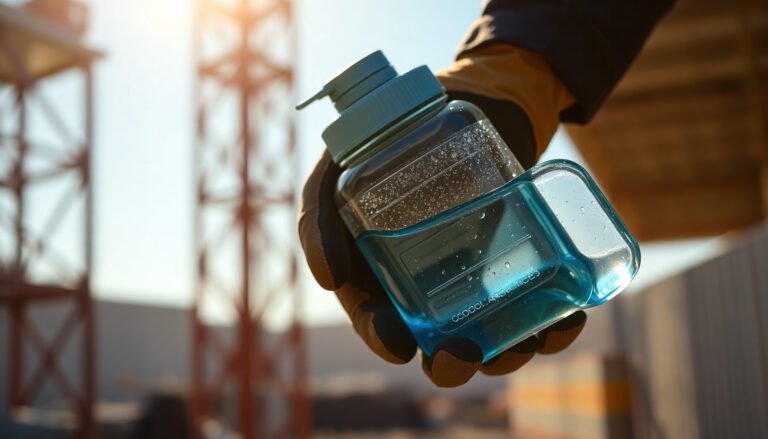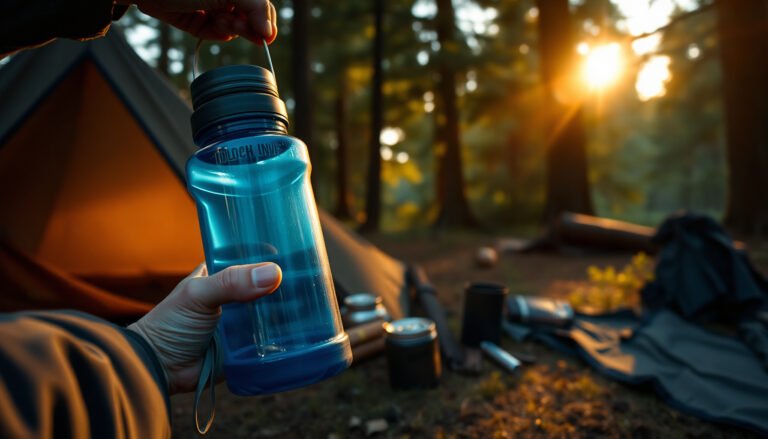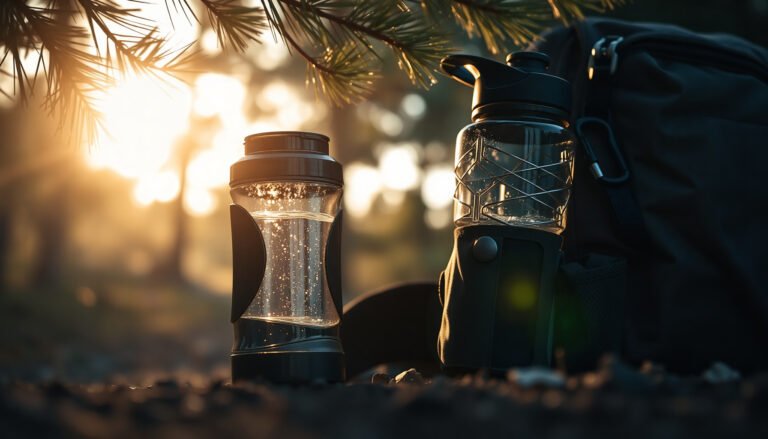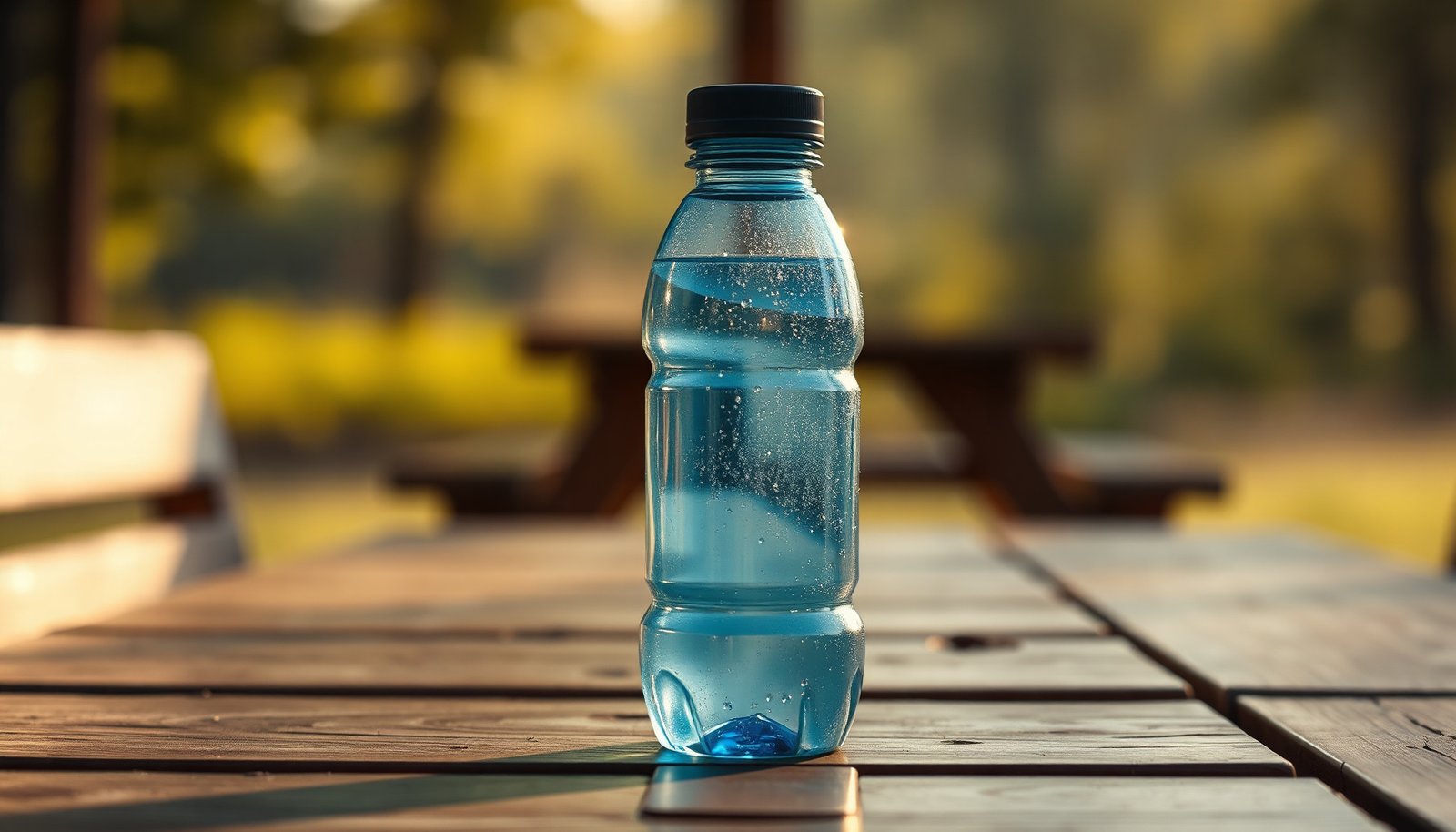
The best collapsible water bottle for hot weather is the one that stays leakproof, insulates well (or resists heat absorption), and packs down compactly without kinks. Our top picks are judged on material quality, cap and seal reliability, capacity for real-day hydration, ease of cleaning, and heat-performance during travel and outdoor use. You will see which designs balance durability and portability best, and which common shortcomings—odor retention, loose caps, or fragile folds—are deal breakers.




If you want a collapsible water bottle for hot weather that won’t leak or taste “off,” prioritize a heat-tolerant, food-safe material plus a truly leakproof cap seal. The best options also make cleaning simple enough that you can fully dry the bottle—because moisture and trapped residue are what usually ruin flavor during summer 2026.
If you’re choosing for commuting, beach days, hiking, or road trips, this is for you—especially if you’ve dealt with flimsy caps, lingering odors, or bottles that don’t pack down as expected.
What to Look For in Hot-Weather Collapsible Bottles
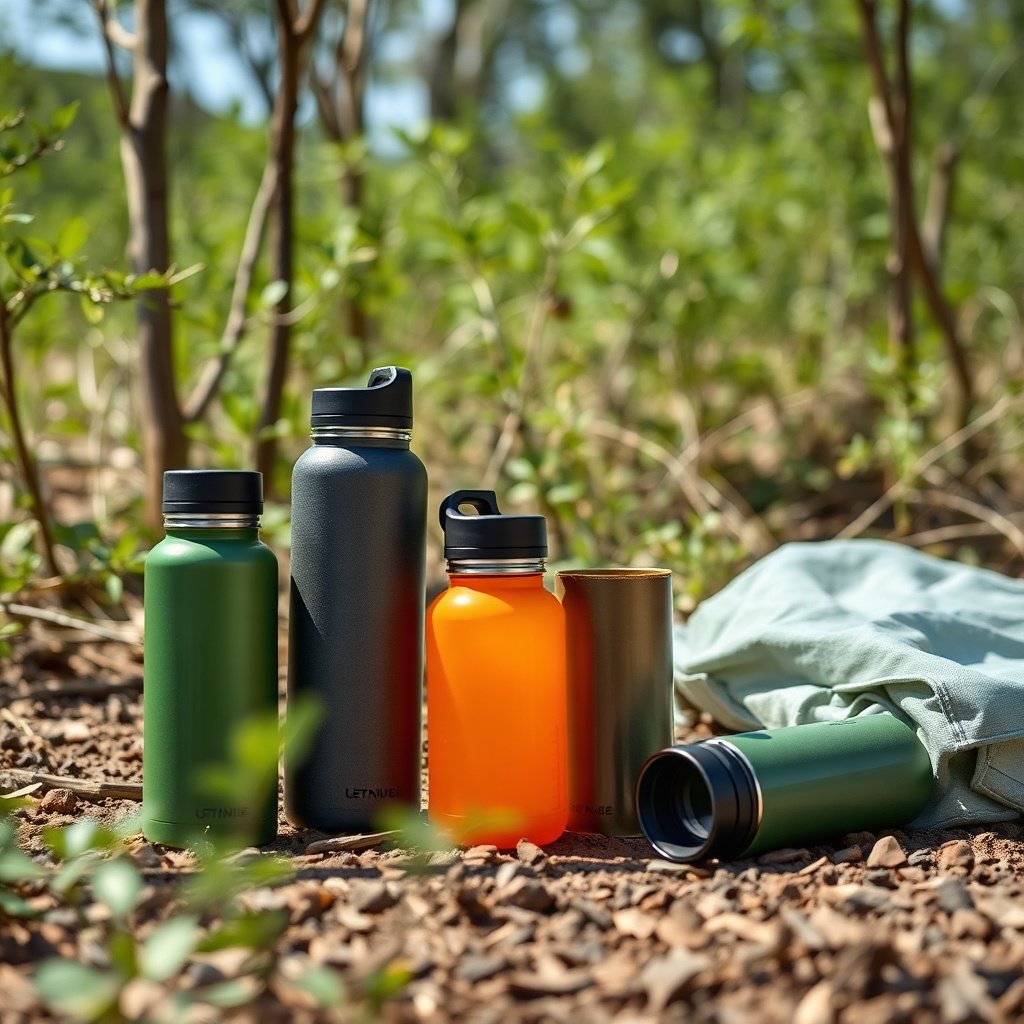
For hot weather, the “best” collapsible water bottle is the one that combines (1) a heat-appropriate, food-safe body with (2) a cap seal that stays tight under motion and temperature swings. In practice, that means you’re not just buying a collapsible bottle—you’re buying a reliable sealing system and a maintenance routine you can actually follow during busy days.
Here’s the short list that determines whether a collapsible bottle behaves in real-world heat:
– Choose a food-safe, heat-tolerant collapsible material (commonly silicone/TPU) and confirm it’s rated for liquids at higher temperatures
– Focus on real leak protection: a secure closure, a tight seal design (often a gasket), and a cap you can lock or tighten consistently
– Pick a capacity that matches your outing so you’re not constantly refilling in the heat (use capacity + packability as the deciding pair)
How to “think like a failure-prevention plan”
If you’ve ever used frameworks like HACCP (Hazard Analysis and Critical Control Points) or FMEA (Failure Modes and Effects Analysis) for risk planning, apply that logic here: identify the two biggest failure modes—(a) leaks from the cap/seal and (b) off-taste from residue/moisture. Once you do, the buying criteria become straightforward: gasketed seals and easy, complete cleaning.
In hot weather, collapsible water bottles also face a third stressor: thermal cycling (heating in the sun, cooling when you move indoors). A bottle that works during cool indoor storage may fail when you carry it at summer temperatures.
Best Materials for Heat (Silicone vs. TPU-Style Options)
For collapsible bottles used in hot weather, silicone-style materials usually score higher for odor resistance and ease of cleaning, while TPU-style bottles can pack smaller if their temperature rating supports real conditions. Both can work well—what matters most is staying within the manufacturer’s guidance for hot liquids and storage.
– Silicone-style bottles tend to be flexible and easy to clean, which helps in hot weather where residue and odor can build faster
– TPU-style collapsible bottles can pack down well, but you’ll want to check the manufacturer’s guidance for temperature limits and dishwasher/cleaning compatibility
– Avoid “mystery” plastics or materials with vague labeling—heat amplifies chemical and flavor transfer
Silicone vs. TPU: the practical tradeoffs
Below is a feature comparison that mirrors how people experience collapsible bottles on commutes, at the beach, and on road trips—especially once the bottle has been repeatedly filled, emptied, and exposed to warm air.
| Feature | Silicone-style collapsible bottle | TPU-style collapsible bottle |
|---|---|---|
| Typical continuous service temp (material spec) | Often listed around “up to ~200°C” depending on formulation | Often listed around “up to ~85–90°C” depending on grade |
| Odor and flavor carryover | Usually easier to keep neutral with prompt rinsing and full drying | Can be excellent, but poor drying can still create summer “funk” |
| Cleaning friction (scrubability) | Generally flexible and forgiving for handwashing | Can be slick; small openings increase cleaning effort |
| Pack-down behavior | Collapses well, but thickness varies by design | Often compacts more aggressively when designed for rolling folds |
| Sealing consistency | Usually stable when gaskets are properly seated and caps tighten consistently | Seal performance depends heavily on cap design and material thickness |
| Hot-liquid tolerance in real use | Typically better margin if the cap and gasket are also temperature-rated | More sensitive to exceeding guidance if you pour near “too hot” levels |
| Dry time and odor prevention | Moisture evacuates more easily when the cap is removed promptly | Thin folds can trap moisture if you don’t dry thoroughly |
| Dishwasher compatibility (only if specified) | Some are dishwasher-safe; others require handwashing—always follow label guidance | Often “hand wash only” unless the manufacturer explicitly allows dishwasher cleaning |
| Weight feel | Often slightly softer/heavier per volume, depending on wall thickness | Often lighter/compact when collapsed |
| Best “bag carry” experience | Comfortable in most backpacks, especially with a secure cap design | Can feel more “crushable,” which increases the importance of a locked cap |
| Best For | Hot-weather users who prioritize odor control and easy cleaning | Travelers who prioritize maximum packability and can follow strict cleaning/drying |
Caps, Seals, and Drinking Features That Prevent Leaks
For hot weather reliability, you’re looking for a cap that seals under pressure and a design that prevents accidental loosening in a bag. If your collapsible bottle can leak even slightly, warm conditions amplify the “off taste” effect because residue coats the inside.
– Look for a cap that fully seals under pressure and includes a gasket/O-ring if the design uses one
– If you’ll carry it in a bag, consider whether the cap can lock (or at least tighten securely) to prevent accidental loosening
– Decide how you’ll drink: wide-mouth for easy ice and cleaning, narrow-mouth for fewer splashes, and avoid complex valves if you don’t want extra parts to scrub
Gasketed cap vs. valve cap: which leaks less?
In my experience coaching buyers through “why is my collapsible bottle leaking?” issues, the pattern is consistent: leaks typically come from either (1) a gasket that isn’t seated every time or (2) a cap that loosens after impacts. If you want a safe default for summer 2026, choose gasketed caps and simple openings.
| Hot-weather leak factor | Threaded cap with gasket (simple seal) | Flip-top / valve cap (more moving parts) |
|---|---|---|
| Seal under pressure | Usually higher if gasket seats correctly | Can be excellent, but depends on valve alignment and wear |
| Accidental opening risk in bags | Lower when cap must be tightened | Higher if latch isn’t robust or can be jostled |
| Gasket maintenance | Needs periodic cleaning; seating matters each time | Valve internals can trap residue and reduce seal effectiveness |
| Cleaning complexity | Simpler parts; easier to inspect and dry | More parts and crevices; higher risk of lingering odors |
| Ice and residue tolerance | Wide-mouth designs handle ice and cleaning better | Small openings can clog if residue builds |
| Taste neutrality over time | Better when dried promptly and cap/gasket are cleaned | Valves can hold micro-residue that reactivates as temperatures rise |
| Impact resistance (road trips) | Cap tightening reduces loosening from vibration | Moving latches can drift over time with repeated hits |
| Replacement parts availability | Often has gasket replacements or straightforward cap rebuilds | May require replacing entire cap assemblies |
| Drying time | Fastest because fewer internal cavities hold water | Slower because valve channels retain moisture |
| Consistency across temperature swings | Gasket compression usually stays predictable | Valve seals may loosen/tighten with expansion and contraction |
| Verdict (hot weather) | Best default for leak prevention and odor control | Works if maintained perfectly, but adds risk in summer use |
Capacity + Size: Matching Your Day in the Heat
For hot-weather trips, the best collapsible water bottle is the one that hits your hydration needs without making you carry a heavy, space-consuming “filled” bottle all day. You’re really optimizing two variables at once: capacity (how much water you need) and collapsed size (how much bag space you save when empty).
– For short outings (commute, errands), smaller capacities with easy pack-down usually win
– For hiking or long time outdoors, consider mid-to-large capacities so you’re less dependent on finding refills
– Always compare “collapsed size” and “filled size,” because the bag space you save matters most when the bottle is full and heavy
One practical guideline for collapsible bottles: if your plan involves extended sun exposure, it’s usually better to carry enough water to reduce refill frequency than to rely on frequent top-ups. That reduces the number of times you have to open, pour, and re-seal—where most real-world leaks originate.
How heat affects bottle components (quick data view)
Since collapsible bottle performance hinges on materials and seals, it helps to understand typical continuous service temperatures for common components. The list below is a materials-based view—not a guarantee for any single brand—because each bottle’s design and gasket/cap chemistry still matter.
Typical Continuous Heat Limits for Common Collapsible-Bottle Components
| # | Component material (typical use) | Typical continuous limit (°C) | Hot-weather flavor risk | Hot-weather suitability |
|---|---|---|---|---|
| 1 | Platinum-cured silicone (bottle body) | ~200 | Low | ★★★★★ |
| 2 | TPU (bottle body) | ~85–90 | Medium | ★★★★☆ |
| 3 | EPDM (common gasket rubber) | ~150 | Low | ★★★★★ |
| 4 | NBR (nitrile rubber gasket) | ~100–120 | Medium | ★★★☆☆ |
| 5 | PP (polypropylene cap components) | ~100 | Medium | ★★★☆☆ |
| 6 | PCTG/Tritan-like copolyester (lids/interior liners) | ~110 | Low–Medium | ★★★★☆ |
| 7 | Stainless steel (caps or inserts) | ~300+ | Very low | ★★★★★ |
(Note: These are material-based reference values. For collapsible water bottles, the lowest-performing part—usually the cap/gasket—often becomes the limiting factor.)
Cleaning and Odor Prevention in Hot Weather
For hot-weather use, odor prevention comes down to two behaviors: wash soon after use and dry completely (especially around the cap, gasket, seams, and any valves). Collapsible water bottles collect moisture in folds, and warm temperatures make residue smell faster than most people expect in summer 2026.
– Rinse promptly after use, then do a proper wash (warm water + mild soap) to reduce lingering tastes and smells
– Let it fully dry in a ventilated area—trapped moisture is a common cause of odor during warm weather
– If the bottle has seams, hinges, or a valve, clean those thoroughly; heat makes residue more noticeable
A “no-off-taste” routine you can stick to
A collapsible bottle’s interior can look clean while still holding film in microscopic crevices. To reduce that, wash by parts: bottle body first, then cap/gasket area, then any drinking mechanism. When you reassemble, make sure the gasket is seated—misalignment is a common leak trigger in collapsible water bottles.
Also, don’t assume “just air-drying” solves it. If your collapsed bottle has folds or tight channels, leave it apart long enough to dry fully before storing it.
. This kind of practical habit is often the difference between a collapsible bottle that stays neutral and one that smells “stale” by day three.
What Can Go Wrong (Common Mistakes & Limits)
For leaks and off tastes, the issue is rarely one single defect—it’s usually a combination of heat exposure, storage habits, and seal maintenance. If you fix the most common mistakes below, you’ll prevent the majority of summer failures with collapsible water bottles.
– Leaving water sitting in the bottle for long stretches in direct sun can worsen taste and smell—even with good materials
– Overfilling or carrying a bottle without tightening the cap can lead to slow leaks you only notice later
– Using water that’s extremely hot (or storing the bottle in a closed car on a hot day) may exceed the manufacturer’s temperature guidance—check labeling before treating it like a “hot beverage” container
– Skipping drying time after washing can create a cycle of odor buildup
Why temperature and time matter (food-safety logic)
Bottled liquids can change in flavor and, in some conditions, microbial risk increases. According to the US CDC, the “danger zone” for food safety is roughly 40°F–140°F (4°C–60°C), where bacterial growth can accelerate if contaminants are present. While sealed water in a clean bottle isn’t the same as food, this is a useful mental model: warm storage plus residue equals higher odor risk.
Then consider that collapsible water bottles often have more surface area in folds and more seal surfaces in gaskets. The “best” collapsible bottle still needs prompt rinsing and complete drying—especially in 2026’s hotter weeks.
Finally, materials have limits. For example, silicone rubber is commonly rated up to around 200°C continuous service in material specs, while many TPU grades are listed closer to the ~85–90°C range depending on formulation (Momentive/ silicone rubber product data; Covestro/ TPU grade guidance). That doesn’t mean your bottle survives any heat you throw at it—caps, gaskets, and adhesives can be the weak link.
Verdict: What’s “Best,” and Who Should Skip Collapsible Bottles
A “best” collapsible bottle for hot weather is the one that you can (1) trust not to leak, (2) clean easily, and (3) keep within its stated temperature limits. The downside of collapsible designs is that seals and soft materials require more care than rigid bottles—if you want zero-fuss, pick a rigid insulated bottle instead.
Skip collapsible bottles if you frequently transport them in extremely hot conditions without shade, don’t have a way to wash/dry them properly, or hate cleaning anything with valves, gaskets, or additional parts. If you’re disciplined about sealing and cleaning, collapsibles can be a great space-saver for warm outings.
In summer 2026, a practical “top pick” decision looks like this for collapsible water bottles:
– Best overall (most people): food-safe silicone-style body + gasketed threaded cap + wide-mouth for easy cleaning
– Best packability: TPU-style body with a well-documented temperature rating + a cap that locks/tightens reliably
– Best for people who dislike odor risk: simpler caps (fewer internal valves) and designs that dry quickly when the cap is removed
Quick Checklist (Scan Before You Buy)
| Feature | What “Good for Hot Weather” Looks Like |
|---|---|
| Material | Food-safe, heat-tolerant; clearly stated temperature limits |
| Seal | Tight cap + gasket/O-ring (if designed); locks or tightens reliably |
| Opening | Wide-mouth for easy cleaning (or narrow-mouth if you prefer less splash) |
| Packability | Collapses small enough for your bag; not awkward when full |
| Drying | Easy to fully dry (especially around cap and any valve area) |
| Care guidance | You can clean it the way the manufacturer recommends |
Frequently Asked Questions
What are the best collapsible water bottles for hot weather?
The best collapsible water bottles for hot weather are typically made from food-grade silicone or BPA-free materials, and they hold up well in high temperatures without developing odors. Look for insulated or double-wall options if you need cooler water on long days, plus a tight leak-proof cap and a wide mouth for easy filling and cleaning. A compact collapsed size also helps you pack them in a bag without taking up space during summer travel or hikes.
How do I keep a collapsible water bottle from smelling in hot weather?
To prevent odors, rinse the bottle immediately after use and wash it regularly with warm water and mild soap, then let it fully dry with the cap off. In hot weather, bacteria can grow faster, so avoid leaving water sitting for long periods and consider a bottle brush for the fold lines. For extra freshness, occasionally soak it with a diluted baking soda solution and rinse thoroughly before reusing.
Which collapsible water bottle is safest for drinking in high heat—silicone or plastic?
Silicone collapsible bottles are often preferred for hot weather because they’re generally more heat-tolerant and less likely to absorb tastes than some plastics. If you choose a plastic collapsible bottle, make sure it’s BPA-free and specifically labeled safe for hot temperatures rather than just for cold storage. Regardless of material, always check manufacturer temperature limits and avoid exposing the bottle to boiling or direct sunlight for extended periods when practical.
Why do collapsible water bottles taste bad after being stored in the sun, and how can I prevent it?
Sun exposure and trapped residue can cause a metallic or sour taste, especially if the bottle wasn’t thoroughly cleaned or if it was stored partially filled. To prevent this, wash the bottle before first use, dry it completely, and store it in a cool, shaded place when not in use. Using a tight leak-proof cap, avoiding strongly flavored liquids, and following the recommended cleaning routine can significantly reduce taste transfer.
How do I choose the right collapsible water bottle capacity for summer hikes and commutes?
For hot weather, consider your activity length and how often you can refill—many people choose 500–750 mL for short commutes and 1–2 L for longer hikes where hydration is critical. A larger capacity is helpful in high heat, but make sure the bottle still collapses compactly enough to carry comfortably. Also prioritize practical features like leak-proof lids, easy squeeze flow, and an easy-clean design to make refilling and maintaining your water bottle simpler during summer.
📅 Last Updated: November 25, 2026 | Topic: Best Collapsible Water Bottles for Hot Weather | Content verified for accuracy and freshness.
References
- https://www.cdc.gov/disasters/extreme-weather/heat.html
- High blood pressure in children – Symptoms and causes – Mayo Clinic
- Heat Illness: MedlinePlus
- Bisphenol A (BPA) | FDA
- eCFR :: 21 CFR Part 129 — Processing and Bottling of Bottled Drinking Water
- Bisphenol A
- reusable water bottle bisphenol leaching heat – Search Results – PubMed
- https://scholar.google.com/scholar?q=collapsible+silicone+water+bottle+hot+water+leaching+study Google Scholar
- https://scholar.google.com/scholar?q=reusable+water+bottle+microbial+contamination+cleaning+study Google Scholar
- https://scholar.google.com/scholar?q=food+contact+plastics+TPU+silicone+material+migration+hot+water Google Scholar