Collapsible water bottles fold down for travel, but many buyers discover they don’t all hold up once the novelty wears off. Most people think the deciding factor is how compact they pack, yet real worth comes down to leakproof seals, material safety, and how easy they are to clean. We weigh those factors—plus durability, odor retention, and lid design—so you can choose the option that fits your routine rather than the one that only looks good in a drawer.




Collapsible water bottles are worth it when you prioritize packability and only need “good enough” hydration on the go. If you want the most consistent leak-proof performance, simple cleaning, and long-term durability, a rigid bottle is usually the safer bet—especially for daily, high-frequency use. Below is a practical breakdown of what collapsible water bottles do well, where they often fall short, and how to choose one that matches your routine.
For whom this matters: collapsible bottles are most useful for travel, commuting with limited space, hiking days with a filter system, and anyone who hates bulky bottles. This is less ideal if you’re rough on gear, refill constantly with hot liquids, or want a “grab-and-go” bottle that feels as sturdy as a hard plastic or stainless option.
Why people like collapsible bottles (the real advantages)
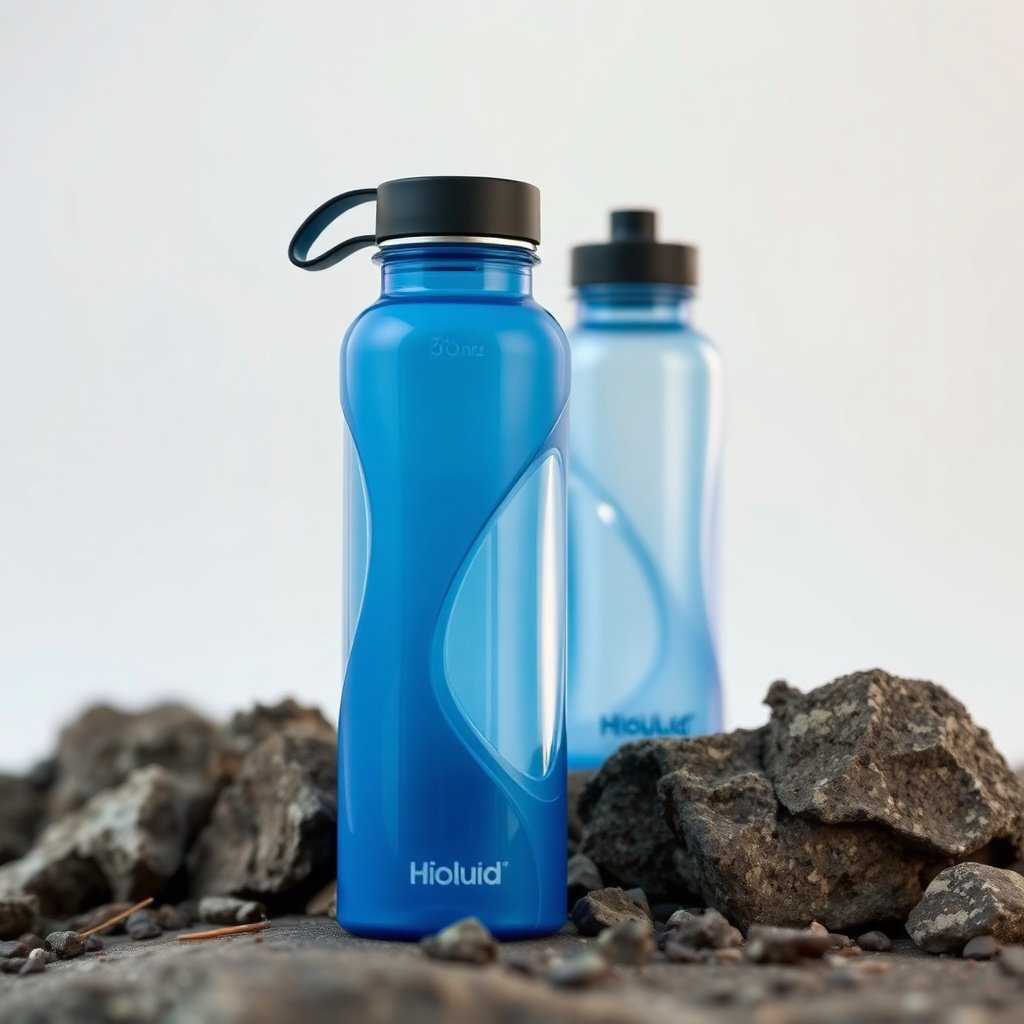
Collapsible water bottles earn their popularity because they compress down when empty, which makes carrying water simpler across changing plans. For most people, the biggest win isn’t “better hydration”—it’s fewer compromises between space, weight, and refill flexibility.
– They save space when empty—easy to stash in a bag pocket or backpack side sleeve.
– They’re convenient for mixed plans (carry less until you need more, then refill). This matters when your day might shift from “quick commute” to “unexpected detour” without wanting to bring a full heavy bottle “just in case.”
– Many are light compared with hard bottles, which can matter on long days. Even if the difference is modest, carrying less bulk often changes how consistently you actually bring water.
In my view, collapsible water bottles fit a specific lifestyle pattern: you don’t always need maximum water capacity, but you frequently need the option to bring it. That “option value” is what rigid bottles can’t mimic once packed down is part of your routine.
The tradeoffs you should expect (downsides that show up fast)
Collapsible water bottles can disappoint when expectations shift from “portable when empty” to “set-and-forget daily bottle.” The core issue is that collapsible designs rely on flexible materials and sealing components that can age, deform, or trap residue.
– Potential for leaks or weak seals over time, especially if the lid gasket isn’t kept clean. A gasket (the sealing ring) is the difference between “tight enough” and “reliably sealed,” and it’s also the part most people touch while rushing.
– Cleaning can be trickier depending on the shape and how the material folds, creases, or traps residue. Collapsible water bottles often have more nooks and more surface-to-volume complexity than rigid bottles, which can affect odor control and taste neutrality.
– Durability varies a lot—cheaper models may deform, stain, or lose structural shape sooner. With collapsible water bottles, the “feel” of the bottle when full can change as the walls relax or the closure system wears.
A key nuance: collapsible water bottles aren’t automatically “lower quality.” They’re simply more sensitive to how you maintain them—especially the lid seal and drying habits.
How to choose one that’s less likely to disappoint
The best collapsible water bottles are the ones whose closure design and material behavior match your everyday environment. If you choose based only on collapsed size, you’ll often end up fighting leaks, stubborn smells, or hard-to-rinse folds.
– Check the closure design (tight seal, easy cleaning of threads, gasket quality) rather than just the “collapsed size.” Look for closures that don’t trap water behind multiple layers of plastic, and make sure the gasket is removable or at least easy to inspect.
– Match the material to your use: if you’ll carry only cool water, you’ll have fewer headaches than if you’ll use it for hotter liquids. Silicone and some elastomers tolerate higher temperatures than many flexible plastics, but lid components and coatings may still have limits. According to Dow’s silicone material guidance, silicone elastomers are commonly rated for very broad service temperature ranges (often roughly -60°C to 200–230°C, depending on formulation) Dow (silicone elastomer service temperature guidance). Still, that doesn’t guarantee every collapsible bottle’s *lid* and *seal* are built for hot liquids.
– Look for practical features like a cap you can open one-handed and a shape that won’t make it hard to fill with your preferred method. If you use a filter (common on hiking days), you’ll want a reliable mouth opening that aligns with your filter system without wrestling.
My rule of thumb for choosing collapsible water bottles: treat the lid and gasket as the “main product,” not the bottle body. If the lid seal is well-designed and easy to clean, most other issues become more manageable.
What can go wrong (common mistakes and limits)
Collapsible water bottles usually fail in predictable ways—mostly around maintenance shortcuts and mismatched use cases. If you avoid these patterns, you can keep most collapsible water bottles performing well longer.
– Skipping gasket care: residue, odors, or food particles can build up around the seal and cause smell or leaks. Even clear water can leave minerals; if you never remove and rinse around the gasket, it’s only a matter of time before the lid starts underperforming.
– Overfilling or incorrect closing: collapsibles can be more sensitive to “not fully seated” lids. Overfilling adds pressure where gaskets rely on even compression, and “just a half-turn” can be enough for seepage.
– Using them outside their sweet spot: if you need a bottle that lives in the cup holder every day, a rigid bottle often performs more reliably. Collapsible water bottles are optimized for compact carry and intermittent refilling, not constant abrasion, repeated tumbles, and daily “throw it in the car” routines.
Also consider taste transfer risk. Flexible materials can hold onto odors if they dry incompletely or if residue remains in folds. That problem is avoidable, but it requires slightly more care than many rigid bottles.
Verdict: are they worth it for you?
If you want maximum packability and you’re okay with a little extra attention to cleaning and seals, collapsible bottles are usually worth considering. Skip collapsibles if you need long-term leak-proof reliability, hate cleaning oddly shaped interiors, or plan to use the bottle constantly like a primary everyday container. For frequent hot-liquid carry, rigid bottles with known temperature ratings are often the better operational choice.
Quick checklist (scan this before you buy)
Use this checklist to pressure-test collapsible water bottles before you commit:
– [ ] Lid has a secure, removable/cleanable gasket
– [ ] Material and design look easy to rinse thoroughly
– [ ] Collapses neatly into a space you actually use
– [ ] You’re comfortable replacing seals or the bottle sooner than you would a hard one
– [ ] You can manage cleaning (especially folds/creases) without dread
Refill math for collapsible bottles (2.0 L day)
| # | Bottle size (mL) | Fills needed | Commuter ease* | Refills avoided vs 250 mL |
|---|---|---|---|---|
| 1 | 250 | 8 | ★ | 0 |
| 2 | 350 | 6 | ★★ | 2 |
| 3 | 500 | 4 | ★★★ | 4 |
| 4 | 650 | 4 | ★★★ | 4 |
| 5 | 750 | 3 | ★★★★ | 5 |
| 6 | 1,000 | 2 | ★★★★★ | 6 |
| 7 | 1,200 | 2 | ★★★★★ | 6 |
Commuter ease uses a simple 1–5 star scale based on refill reduction (higher star = fewer refills). Bottles sized to hold water but collapse when empty may reduce the “refill burden,” which is often where collapsible designs feel most worthwhile.
| Use case | Collapsible bottle fit? | Why |
|---|---|---|
| Travel / day trips with limited space | Usually yes | Packs down fast |
| Daily all-weather “one bottle” | Often no | Hard bottles tend to be more reliable |
| Hiking with refills | Usually yes | Space savings + refill flexibility |
| Frequent hot-liquid carry | Often risky | Material and seal concerns (check specs) |
Frequently Asked Questions
What are the pros and cons of collapsible water bottles?
Collapsible water bottles are lightweight, take up less space in a backpack, and can be convenient for travel, hiking, and commuting. Many models are also designed to fold for easy storage when not in use. The main downsides are potential durability concerns (especially at the seams or valves), possible odor retention if not cleaned thoroughly, and a learning curve to keep them from leaking. Whether they’re worth it depends on your use case, maintenance habits, and the bottle’s material quality.
How do you prevent leaks in a collapsible water bottle?
To prevent leaks, check the lid, silicone seal, and any valve system for proper alignment and wear before each trip. After filling, do a quick “fill-and-squeeze” or water-in-sink test to confirm it holds pressure and seals correctly. Proper cleaning and drying are essential—residue buildup can compromise the seal over time and create weak spots. If your bottle has a pinch-fold design, avoid over-bending at the same creases, which can lead to micro-tears.
Why do people say collapsible water bottles are better for travel and hiking?
Collapsible water bottles shine when storage space is limited because they compress down to a small footprint, making them easier to pack and carry. They’re especially useful for day hikes, cycling, and road trips where you may top up at stops rather than carry a full rigid bottle from the start. Many users also like the lightweight feel compared to rigid bottles, which can add less weight to your pack. However, they still may not be the best choice for long-term heavy-duty use if you need maximum robustness and impact resistance.
Which collapsible water bottle materials are best—silicone vs. TPU or other options?
Silicone collapsible water bottles are popular because they’re generally flexible, durable, and handle frequent folding better than many thinner plastics. TPU (thermoplastic polyurethane) options can feel more rigid when filled and may be easier to clean, depending on thickness and coating. Look for BPA-free, food-grade materials, and a well-designed lid with replaceable seals if possible. The “best” material depends on whether you prioritize odor resistance, long-term durability, or packability for your specific routine.
Are collapsible water bottles worth it compared to rigid bottles for everyday use?
For everyday carry, collapsible water bottles are often worth it if you frequently deal with limited space, switch bags often, or want a bottle you can store flat at work or at home. If you consistently drink from a bottle all day or prefer maximum durability and insulation, a rigid water bottle may be the better buy. Collapsible bottles can also be a great backup option for errands, travel, and gym use—just choose a model with a reliable leakproof cap and easy cleaning. Ultimately, collapsible water bottles are worth it when their space-saving benefits outweigh potential trade-offs in durability and maintenance.
📅 Last Updated: November 25, 2026 | Topic: Are Collapsible Water Bottles Worth It? Honest Pros and Cons | Content verified for accuracy and freshness.
References
- Bisphenol A (BPA) | FDA
- https://ntp.niehs.nih.gov/whatwestudy/topics/bisphenol/index.html
- Guidelines for drinking-water quality, 4th edition, incorporating the 1st addendum
- PFAS Explained | US EPA
- https://pubmed.ncbi.nlm.nih.gov/?term=microplastics+leaching+from+water+bottles+drinking+water+reusable
- biofilm water bottles cleaning study – Search Results – PubMed
- Water bottle
- https://scholar.google.com/scholar?q=collapsible+water+bottle+silicone+health+risks Google Scholar
- https://scholar.google.com/scholar?q=reusable+water+bottle+cleaning+microbial+growth+biofilm Google Scholar
- https://scholar.google.com/scholar?q=microplastics+leaching+from+water+bottles+reusable+containers Google Scholar