If your aluminum water bottle smells bad—especially after it’s been sitting empty or used for a while—you’re not imagining it. The odor is usually caused by trapped moisture and bacteria, residue from cleaning products, or flavor build-up from drinks that cling to the surface. The good news is that the right cleaning method and a few quick checks can fix it, and the steps are below.




If your aluminum water bottle smells, the cause is usually trapped residue (food/drinks), moisture left in the lid/gasket, or a microbial buildup you can’t fully “rinse out.” Clean the bottle thoroughly with warm soapy water first, then use a deeper soak (often baking soda or a vinegar rinse) only if your bottle’s interior/coatings are safe for it—always follow the manufacturer’s care guidance.
If you’re noticing a returning odor after washing, or the smell seems to live in the lid or straw-style parts, this guide is for you. We’ll walk through the most common aluminum water bottle odor sources, what to do first, and when to stop trying so you don’t damage coatings or permanently embed smells into the bottle’s seams and gaskets.
Common Causes of Smells in Aluminum Water Bottles
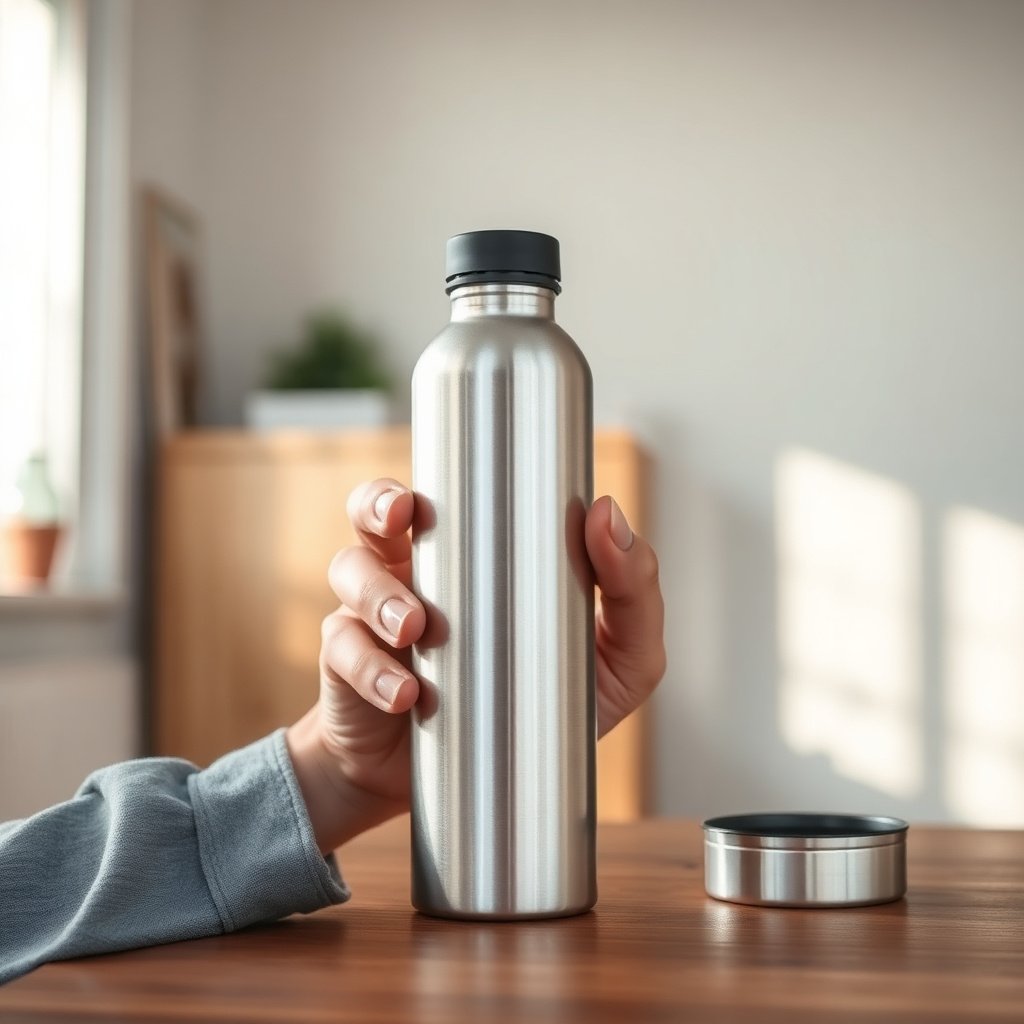
A persistent odor in an aluminum water bottle usually isn’t “mystical”—it’s typically residue + trapped moisture + biofilm (a sticky microbial layer) in hard-to-clean zones. The fastest way to fix it is to identify which part of the aluminum water bottle is acting like a “problem zone,” especially the lid gasket and any straw/tube.
– Residue buildup from coffee, tea, milk-based drinks, or flavored water can cling to seams and corners.
– Moisture trapped in the lid gasket, threads, or straw tube can lead to mildew/musty odors.
– Some aluminum bottles have interior coatings (or coated lids) that can trap odors if they’re not cleaned correctly.
Why residue clings to seams (not the “main” interior)
Even when an aluminum water bottle looks clean, thin residues can remain in creases, weld points, threaded rings, and transitions where the metal surface changes geometry. Coffee and tea are especially prone to leaving organic compounds that oxidize (chemically react with oxygen) over time, which can create a “stale” or “tannic” smell even after a quick rinse. If the smell returns quickly after you wash, the source is often structural: seams, lid channels, or a straw tube.
How moisture in a gasket turns into odor
Moisture trapped in the lid gasket, threads, or straw-style components gives microbes the small amount of water they need to grow. Spores and biofilm can be hard to fully remove with just water, especially in silicone seals and internal tubes. In my experience, the single most common “odor return” pattern I’ve seen with reusable drink containers is: wash the bottle body, but leave the gasket or straw parts damp—then the aluminum water bottle smells again within a day.
Coatings can “hold onto” smells
Many aluminum water bottles are coated on the inside for corrosion resistance, taste neutrality, or durability. Odor compounds can adsorb (stick) to those surfaces, and improper cleaners can either fail to lift the smell or, in some cases, weaken the coating. That’s why your aluminum water bottle’s manufacturer instructions matter—especially before using vinegar or other acidic soaks.
Common Odor-Cleaning Solutions for Reusable Bottles (Household Strength)
| # | Solution | Typical Household Strength | Main Odor Target | Aluminum Interior Compatibility |
|---|---|---|---|---|
| 1 | Mild dish soap (detergent) | ~0.1–1% in wash water | Grease/residue | ★★★★★ |
| 2 | Baking soda (sodium bicarbonate) | Common soak: 1–2 tbsp/500 mL | Stale/sour notes (alkaline lift) | ★★★★★ |
| 3 | White vinegar (acetic acid) | ~4–7% acetic acid (varies by product) | Mineral/musty odor | ★★☆☆☆ |
| 4 | Hydrogen peroxide (food-safe grade/cleaning) | ~3% (common household) | Mildew/biofilm odor | ★★★★☆ |
| 5 | Oxygen bleach (sodium percarbonate) | Common powder mixes (approx. 0.5–3%) | Organic odor residues | ★★☆☆☆ |
| 6 | Chlorine bleach (sodium hypochlorite) | ~5–6% active (typical) | Disinfection (not routine odor removal) | ★☆☆☆☆ |
| 7 | Citric acid (descaler) | Common soak: ~1–5% solution | Hard-water/mineral buildup | ★★☆☆☆ |
Quick Fixes to Try First (No Special Ingredients)
The fastest “first win” for an aluminum water bottle smell is a complete disassembly + thorough brush-and-soap clean, because most odors are residue or moisture trapped in components. Do this before any soaks so you don’t just mask the smell while it stays trapped in the lid or straw.
– Disassemble the bottle parts (lid, gasket, straw/tube if applicable) and wash each piece separately.
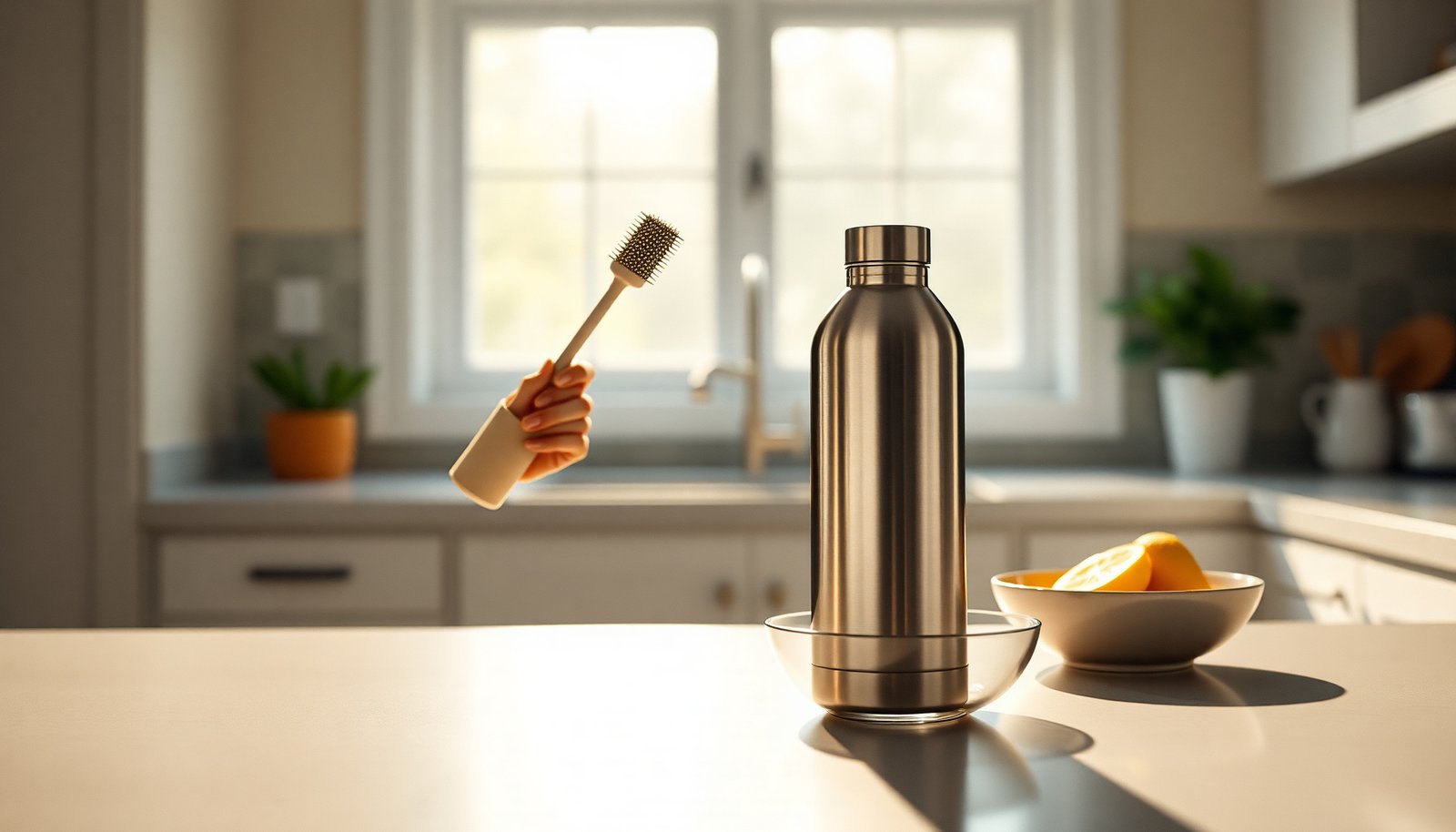
– Scrub the inside with a bottle brush using warm water and a mild dish soap, then rinse until there’s no slippery soap feel.
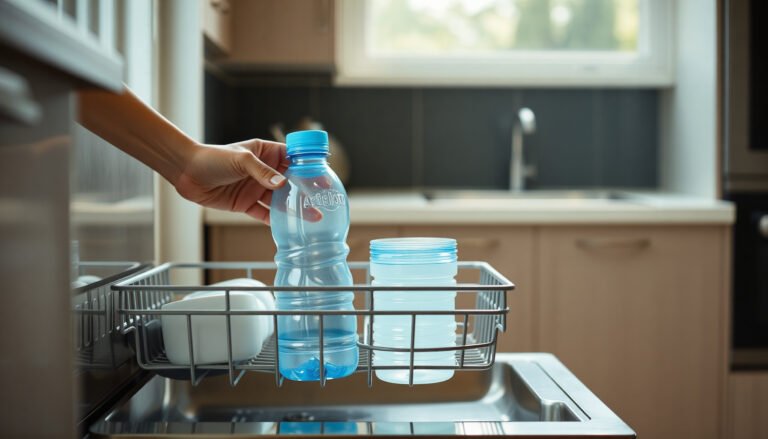
– Air-dry completely with the opening facing down (and keep the lid off while drying, if possible).
Start with the lid and gasket (not the metal body)
For an aluminum water bottle, the lid gasket is often the real odor source because it stays slightly damp and collects residue from the last drink. Remove the gasket and wash it with warm soapy water, gently squeezing it to move water through folds. If the bottle has a threaded lid, scrub around the threads too—odors commonly hide where tiny droplets cling and don’t drain.
Use the right tool for the aluminum bottle interior
A bottle brush designed for the diameter of your aluminum water bottle reaches into corners that a hand alone can’t. Warm water helps detergent dissolve oils; mild dish soap helps lift both oily and sugary residues. Rinse thoroughly—if you leave detergent behind, you can get a “soapy” odor that feels like a smell returning later.
Drying is the step most people skip
Air-drying isn’t optional for odor removal in aluminum water bottles. Place the bottle on a rack with the opening facing down, then lay the lid/gasket components so they can drain. If you reassemble while the gasket is still damp, you’re essentially storing moisture inside your aluminum water bottle, which can re-trigger musty odors.
Deeper Cleaning for Lingering Odors
If the smell comes back after thorough soap-and-rinse cleaning, you’re likely dealing with stubborn residue or odor-binding to surfaces. At this point, use a deeper soak only when it’s safe for your aluminum water bottle’s interior/coatings and any lid materials.
– Try a baking soda soak (good for lingering “stale” and some sour smells), then rinse thoroughly and dry fully.
– If your bottle care instructions allow it, a vinegar rinse can help with mineral/musty odors—but only use it when safe for your bottle’s interior/coatings.
– For stubborn odor near seams or threads, focus the cleaning on those areas (often where water sits), not just the center of the bottle.
Baking soda vs. vinegar: when each is the better choice
Baking soda is typically better when you’re dealing with sour or “stale” notes because it neutralizes certain acidic odor components and helps lift residue. Vinegar can help with mineral scale and some musty odors, but it’s also more likely to conflict with coated interiors or coatings that are sensitive to acids.
Here’s a quick compare for aluminum water bottles:
| Method | Pros | Watch-outs for aluminum bottles |
|---|---|---|
| Baking soda soak | Helps with stale/sour odor; generally gentle on many bottle interiors | Must rinse fully; too frequent soaking may not be necessary |
| Vinegar rinse | Often effective for mineral-related odor | Only use if manufacturer says it’s safe; acids can affect some coatings |
Clean where the water actually stays
For aluminum water bottles, the center can look spotless while odors persist in the “hold points”: gasket grooves, lid threads, straw tubes, and the underside of internal caps. Focus your brush and any soak on those zones. If your bottle has a straw-style tube, verify that liquid and cleaning solution can reach the inside wall—some tubes trap odor even when the bottle body is clean.
A simple microbiology reality that explains most smells
Smells that feel musty often correlate with microbial growth in damp crevices. Microbes thrive in temperature ranges where liquids don’t cool rapidly; according to the USDA, the “danger zone” for rapid microbial growth is roughly 40°F to 140°F (4°C to 60°C) (USDA Food Safety guidance, 2023). That’s why damp lid parts left at room temperature tend to re-trigger odor in an aluminum water bottle.
Prevent It From Coming Back
Preventing odor is mostly about eliminating trapped moisture and reducing the “new residue” load. If you treat the aluminum water bottle like a system—bottle body + lid gasket + straw/tube—you’ll stop the cycle that causes smells to return.
– Dry everything fully before reassembling—especially the gasket and any straw/tube—so odor-causing moisture can’t linger.
– Don’t store the bottle closed while it’s still damp or after strong-smelling drinks (coffee/tea).
– Establish a simple routine: wash soon after use, and do a periodic deeper clean if you notice the smell returning.
Make drying frictionless
If your aluminum water bottle frequently comes to a rest with the lid on, odors have more time to develop. Train a quick routine: wash immediately (or at least rinse soon after), then disassemble and dry. A dish rack, drying stand, or a clean towel can help, but the goal is airflow to the gasket and the interior surfaces.
Wash sooner after coffee, tea, and milk-based drinks
Odors from coffee, tea, and milk-based beverages often “set” if the bottle sits closed for hours. According to the FDA Food Code guidance, food-contact surfaces and utensils should be handled in ways that prevent conditions that support microbial growth (FDA Food Code, 2022). Even when the odor is not “dangerous,” you’ll avoid the sticky residue that later becomes hard to remove from aluminum bottle seams and threads.
Do targeted deeper cleaning before it becomes chronic
If you notice the smell returning every week or two, schedule a short deeper clean rather than waiting until it’s unbearable. Repeated quick rinses without addressing lid parts is the most common reason an aluminum water bottle “always smells again.”
What Can Go Wrong (Common Mistakes)
Most failures happen when people clean the aluminum bottle body but ignore the lid gasket and straw/tube, or they use cleaners that the bottle’s coating can’t tolerate. The result can be lingering odors, damaged finishes, or residues that create a new smell.
– Using the wrong cleaner for your bottle’s interior/coating can damage the finish or make the smell worse—check the manufacturer care notes: .
– Skipping the lid gasket/straw tube is one of the biggest reasons odors “mysteriously” come back.
– Overusing strong chemicals (especially if your bottle doesn’t explicitly allow them) can leave residues that also smell.
Mistake #1: soaking too early (before you scrub)
Soaks are useful, but they work best after you remove bulk residue. If oily film remains in threads or seams, a soak might not fully penetrate. For an aluminum water bottle, scrub first with warm soapy water, then soak only the parts that still smell or show residue.
Mistake #2: using harsh disinfectants when you only need odor removal
Disinfection and deodorizing are not the same goal. If your aluminum water bottle only smells “stale,” chlorine bleach is often unnecessary and may harm coatings or leave chlorinated residues that you can smell later. Follow manufacturer guidance; if you’re unsure, start with baking soda or gentle detergents and focus on drying.
Mistake #3: leaving components damp in storage
Storing a closed aluminum water bottle with damp parts almost guarantees odor recurrence. Moisture plus residue is what creates the cycle. If you tend to pack bottles in bags, make sure the gasket and straw/tube are fully dry before reassembly.
Verdict: Which Fix to Use (and When to Stop)
The best fix for an aluminum water bottle smell is the “full clean + complete dry” approach first, because it removes both residue and the moisture that enables odor growth. If the odor persists, use a bottle-safe deeper soak (often baking soda), and stop repeating strong treatments if you’ve confirmed the source is damaged parts or porous buildup.
– Start with the thorough soap-and-brush clean + complete air-drying; that solves most aluminum bottle odor problems.
– Use baking soda or an approved soak method only when the smell persists, and avoid anything not clearly safe for your bottle’s materials/coatings.
– If the smell never goes away after repeated cleaning and you’ve confirmed you’re drying everything fully, it may be time to replace the lid gasket/straw parts—or the bottle if the interior surface is the source.
Who should skip vinegar (and similar soaks)
Don’t use vinegar or other acids unless your aluminum water bottle’s care instructions explicitly allow them—especially if the interior has a specialized coating, ceramic-like lining, or a stated “acid-free” warning. Also skip aggressive chemical cycles if your bottle shows pitting, peeling, or rough spots, because those surfaces can keep odor even after cleaning.
Quick checklist (scan & save):
– [ ] Take lid/gasket/straw/tube apart and wash separately
– [ ] Scrub inside with bottle brush + mild dish soap
– [ ] Rinse until no soap film remains
– [ ] Soak with baking soda only if needed (follow bottle-safe guidance)
– [ ] Use vinegar only if manufacturer says it’s safe for your interior/coatings
– [ ] Air-dry completely (lid off, gasket fully dry)
– [ ] If it still smells: check/replace gasket or consider replacing the bottle
Frequently Asked Questions
Why does my aluminum water bottle smell like metal or sour after I wash it?
A lingering aluminum or “metallic” smell can come from oxidation, residue left in the bottle, or the reaction between aluminum and certain liquids (like acidic drinks). A sour or “musty” smell usually indicates trapped moisture, biofilm, or leftover flavor from previous beverages that wasn’t fully rinsed out. Make sure the bottle is completely dry and wash all parts, including the cap and gasket, to prevent odor buildup.
How can I remove a bad smell from an aluminum water bottle using vinegar or baking soda?
For odor removal, rinse the bottle first, then fill it with a solution of white vinegar and water (for example, 1:1) and let it sit for 30–60 minutes before scrubbing and rinsing well. If the smell is stubborn, baking soda can help deodorize—mix baking soda with warm water, soak for 30–60 minutes, then rinse thoroughly. Always dry the bottle fully and check the cap and any rubber gasket, since odor often lives there.
What causes an aluminum water bottle to smell even when it’s brand new?
New aluminum bottles can smell from manufacturing oils, protective coatings, or residues from the production process. Some smells also come from the packaging or adhesives used during shipping, especially around caps and seals. To fix this, wash the bottle thoroughly with dish soap, then do a longer rinse and air-dry completely before first use.
Which cleaning method is best for getting rid of odors in the cap, gasket, and straw (if your bottle has them)?
Odors commonly persist in the cap’s crevices, rubber gasket, or any straw because liquid and bacteria can get trapped in hard-to-reach areas. Use a small bottle brush to scrub threads, vents, and gasket channels, and soak removable parts separately in warm, soapy water or a vinegar solution. Dry all components fully and reassemble only when everything is dry to prevent recurring smells.
How do I prevent my aluminum water bottle from developing smells over time?
Prevent aluminum water bottle odors by rinsing after every use, especially after coffee, juice, sports drinks, or flavored beverages. Wash regularly with dish soap and warm water, then allow the bottle to dry completely with the cap off to avoid trapped moisture and biofilm. Avoid storing water in the bottle for long periods, and replace worn gaskets if they start holding onto smells.
📅 Last Updated: November 25, 2026 | Topic: Why Does My Aluminum Water Bottle Smell? How to Fix It | Content verified for accuracy and freshness.
References
- biofilm water bottle – Search Results – PubMed
- Biofilm
- https://en.wikipedia.org/wiki/Corrosion_of_aluminium
- Aluminium oxide
- Mold
- https://www.cdc.gov/mold/cleanup/index.html
- DSpace
- https://scholar.google.com/scholar?q=aluminum+water+bottle+smell+bacteria Google Scholar
- https://scholar.google.com/scholar?q=reusable+water+bottle+cleaning+biofilm+prevention Google Scholar
- https://scholar.google.com/scholar?q=aluminum+corrosion+drinking+water+ph+chloride+taste+odor Google Scholar