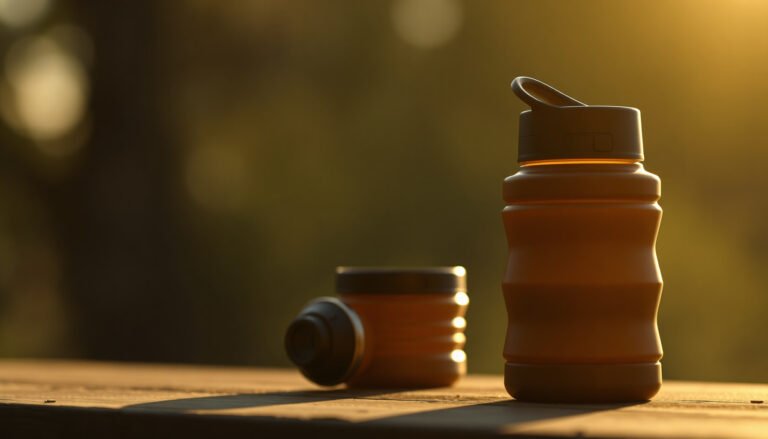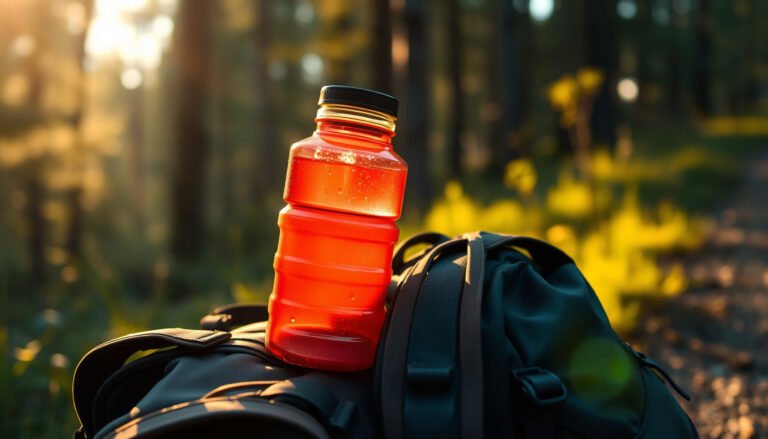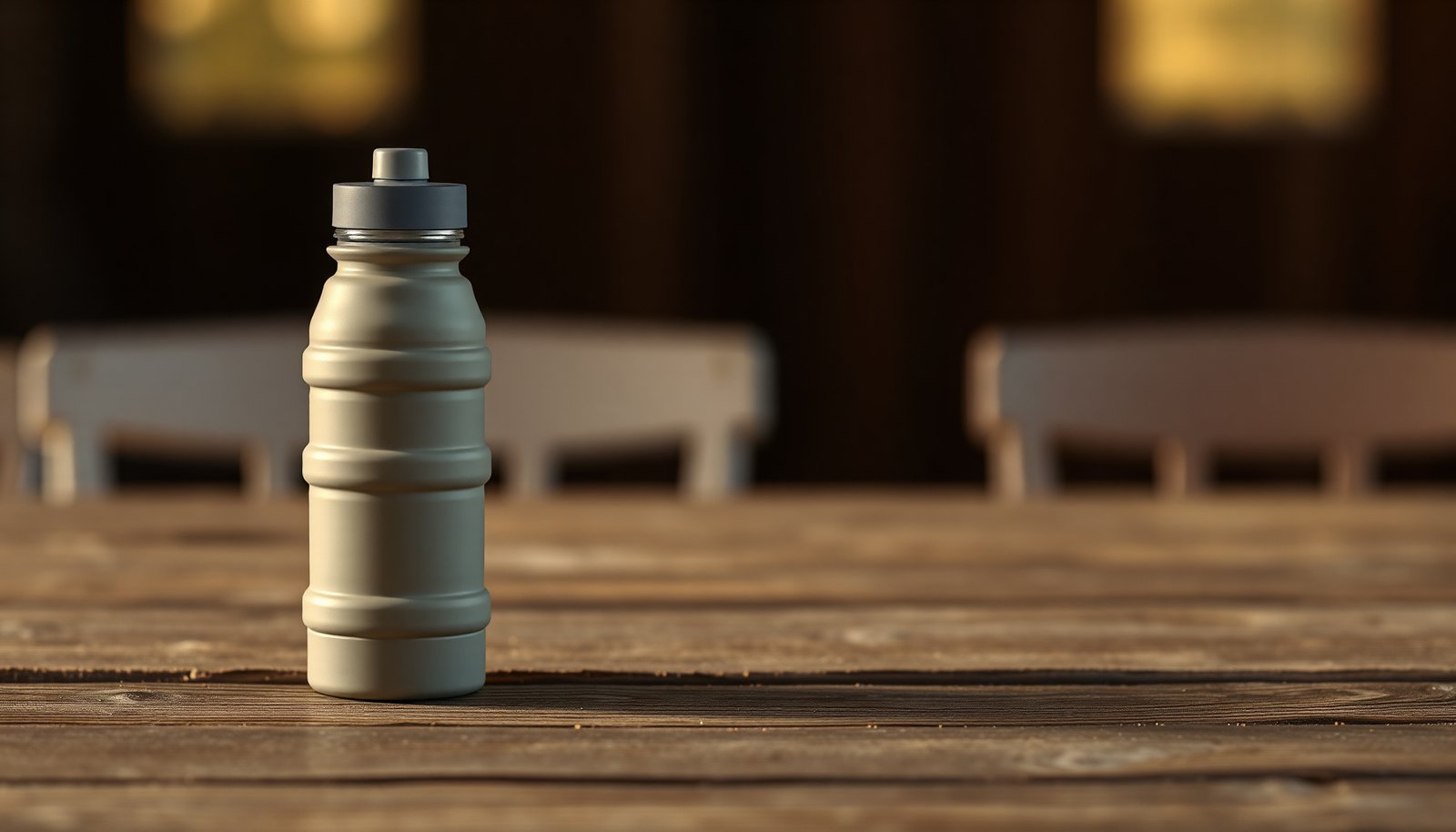
The best budget collapsible water bottle that does not feel cheap is a BPA-free silicone model with a leak-proof, locking cap and a reinforced fold that holds its shape after repeated compressing. To find the most trustworthy options, we prioritized material feel and thickness, seal performance, ease of cleaning, and how securely the bottle packs without kinks. Expect standout picks that balance soft-touch comfort with caps you can rely on.




Pick a collapsible water bottle that has a truly leakproof cap/valve design, food-safe silicone/TPU (not vague “plastic-like” materials), and an easy-clean shape. If you do that, a budget collapsible bottle can stay stable in daily use instead of feeling flimsy, smelling, or leaking after a few weeks.
Skip the “ultra-cheap” collapsibles and look for leakproof caps, food-safe flexible material (usually silicone/TPU), and an easy-clean shape—those are the things that keep a budget bottle from feeling flimsy. In this guide, we’ll show you exactly what to check (and what to avoid) so you can pick a collapsible bottle that packs small without disappointing on daily use.
If you commute, hike, travel, or just hate carrying bulky bottles, this is for you—especially if you’ve tried collapsibles that collapse too easily, trap smells, or start leaking after a few weeks. The goal here is simple: get solid performance while staying budget-minded.
What “doesn’t feel cheap” actually means in a collapsible bottle
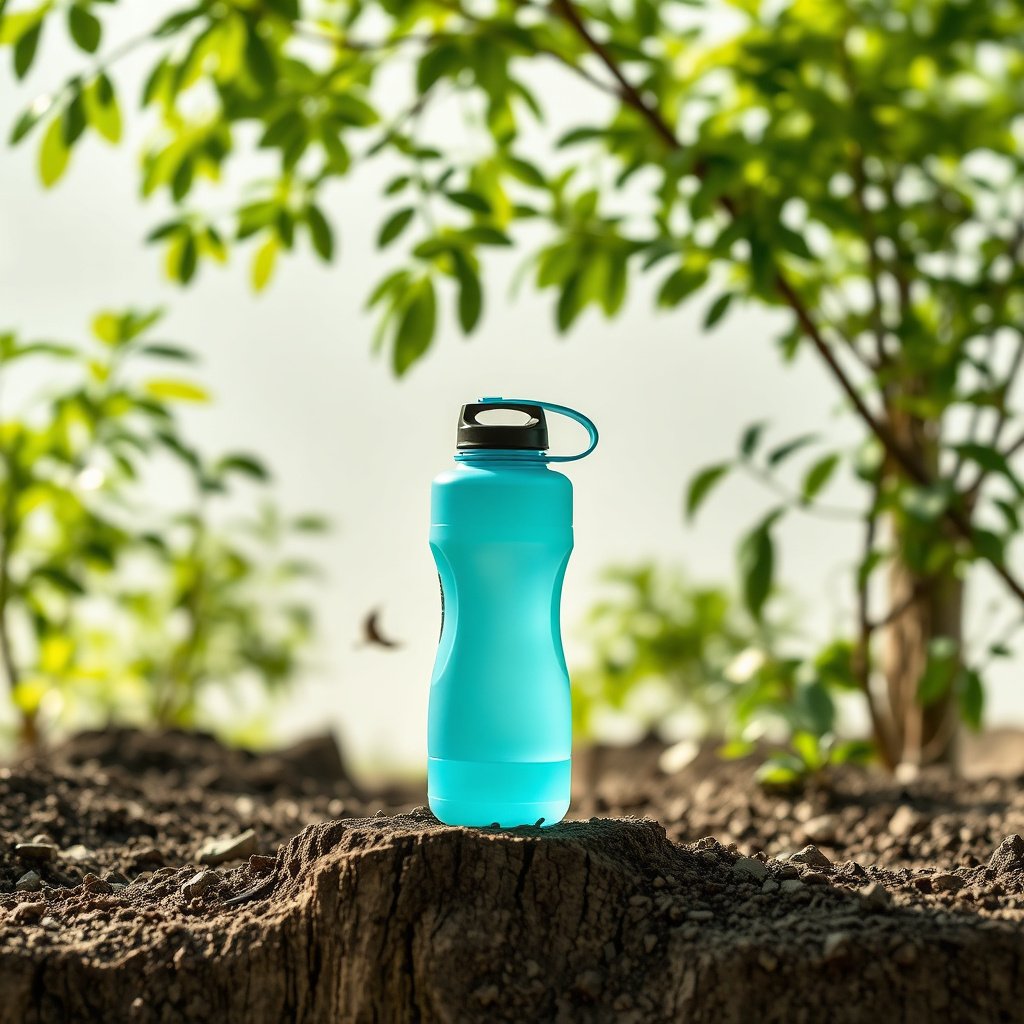
A budget collapsible water bottle “not feeling cheap” usually comes down to sealing reliability, material integrity, and how the bottle behaves in your hands. When those elements are right, the bottle feels firm when full, closes confidently, and cleans without residue.
– Look for construction that signals sturdiness: food-grade silicone or TPU, thick enough walls, and a cap/valve designed to seal under pressure.
– Prioritize “real life” usability: a shape that’s comfortable to hold and a cap that’s not awkward to open one-handed.
– Don’t ignore the collapse mechanism—cheap hinges and thin folds are a common reason bottles feel flimsy over time.
Materials, seals, and caps: the three make-or-break parts
If you only evaluate one area of a budget collapsible water bottle, make it the cap, seal, and the flexible material. That’s where most “cheap” collapsibles fail—leaks start at the gasket zone, smells start where residue gets trapped, and cracking usually begins where thin material flexes repeatedly.
– Material: aim for bottles marketed as BPA-free and made from food-safe silicone/TPU (avoid anything vague like “plastic-like” without specs).
– Seals: check whether the cap uses a gasket or has replaceable sealing parts—replaceability is a big win on a budget.
– Cap/valve design: choose one that closes securely and prevents drips; if the cap design relies on flimsy threads, expect leaks eventually.
According to the U.S. FDA’s food-contact framework, materials intended for repeated contact with food must meet specific safety requirements under relevant regulations (e.g., FDA 21 CFR 177.2600). That matters for collapsible water bottles because the flexible walls and cap liners are repeatedly wetted, flexed, and cleaned—so “food-safe” claims should map to real material rules rather than marketing language.
Capacity and packability checks (so it fits your routine)
A budget collapsible water bottle should match your hydration pattern, not just the size you want in your bag. If it collapses well but under-delivers on volume, you’ll end up constantly refilling—and the cap will be handled more often, increasing the chances of wear.
– Capacity: match it to your use case (gym bag vs. day hike vs. travel). If you’re constantly topping up, a “small” bottle that’s too low-capacity will annoy you fast.
– Size when collapsed: compare the collapsed height/diameter against your bag’s actual space (not just the listed capacity).
– Fill + clean practicality: prefer wider openings or designs that are easier to rinse; a bottle that’s hard to clean will eventually develop odors or residue.
From my own day-to-day shopping and maintenance habits, I focus on whether a bottle’s opening lets me rinse the cap area without fighting angles—especially around the gasket seat. If you’ve ever had a “mystery smell” after a few wash cycles, it’s usually the same root problem: the cap/valve zone dries poorly or traps film.
Also, hydration needs vary by person and activity; according to the U.S. National Academies (Institute of Medicine), adequate total water intake is about 3.7 L/day for men and 2.7 L/day for women (2004) (National Academies/IOM, 2004). A collapsible water bottle’s capacity should therefore support your day pattern—if you only carry 350–500 mL, you’ll likely refill several times, which adds cap wear and cleaning frequency.
How to compare “budget” options without getting misled
A smart way to shop budget collapsible water bottles is to compare engineering signals, not just the price tag. The most “cheap-feeling” collapsibles are often the ones with vague material language, non-standard cap sealing, or no clear support if the seal wears.
– Compare more than price: weigh the bottle and compare the collapsed dimensions, not just the advertised liter amount.
– Check warranty/support: even if a bottle is inexpensive, having a stated warranty or clear support policy reduces the risk.
– Read for failure patterns: search for recurring complaints like “leaks,” “cap won’t seal,” “smell after washing,” or “material cracking”—then decide if that pattern matches your tolerance.
To keep the decision grounded, focus on the collapse design’s durability signals: hinge stiffness, how far the folds compress, and whether the cap’s seal area stays accessible for cleaning. As of 2026, more brands also disclose cap gasket construction and care instructions—those details are a reliability proxy for collapsible water bottles.
What can go wrong (and how to avoid the usual traps)
Most problems with budget collapsible water bottles aren’t mysterious—they follow predictable failure modes in the seal zone, cleaning workflow, or material exposure. If you know what tends to go wrong, you can avoid buying a bottle that’s doomed for your routine.
– Leaks after a few uses: often caused by cap seal issues, grit in the gasket area, or a cap that doesn’t lock confidently. Fix by rinsing/clearing the seal zone and tightening carefully.
– Smells/taste: collapsibles can hold odors if they aren’t dried well or if they trap residue. Avoid by rinsing soon after use, drying fully, and following the care instructions.
– Cracking or “sticky” material: some low-cost materials degrade faster with hot liquids or long sun exposure. Stick to the manufacturer’s temperature guidance and avoid leaving it in a hot car.
– Hard-to-clean interiors: if the shape narrows too much, you may struggle to get it fully clean—especially after sweet drinks. Choose designs that are easier to rinse and maintain.
– Overstuffing or pressure issues: if you squeeze the bottle while filled or pack it tightly, you may stress the cap/seal. Pack it gently and store it with the cap closed.
According to the American College of Sports Medicine’s hydration guidance, sweat rates can commonly range from about 0.5 to 2.0 L per hour depending on intensity and conditions (ACSM hydration guidance, 2007 (position stand)). That range explains why hikers and long commuters tend to “abuse” their caps: they frequently refill, the bottle gets handled constantly, and it’s more likely to be stored wet between uses. Budget collapsible water bottles can handle this—if the seal and drying process are on point.
Quick comparison: where budget collapsible bottles differ most
Below is a practical trade-off view for budget collapsible water bottles—what you gain, and what you must manage.
| Factor | Why “cheap” feels cheap | How a better budget bottle avoids it |
|---|---|---|
| Cap sealing | Wobbly closure, weak locking, non-specific gasket design. | Confident locking + gasket access (and ideally replaceable parts). |
| Material flex points | Thin folds stress early, especially after heat exposure. | Food-safe silicone/TPU with clear temperature guidance. |
| Cleaning + drying | Narrow interiors and hard-to-dry gasket seats. | Easy rinsing; dry fully around valve/gasket before storage. |
| Collapse mechanism | Loose hinge or shallow fold geometry. | Stable fold without awkward creasing or repeated stress. |
Verdict: what we recommend (and who should skip collapsibles)
If you want a budget collapsible water bottle that doesn’t feel cheap, prioritize reliable leakproof sealing, food-safe silicone/TPU with clear labeling, and a cap that feels secure (not wobbly). Collapsible water bottles are still more sensitive than rigid bottles to cleaning/drying mistakes, seal-zone damage, and heat exposure.
The biggest downsides are that collapsibles can be more sensitive to cleaning/drying and can fail sooner if the seal area gets damaged or dirty—so they’re not ideal if you want a “set it and forget it” rigid bottle.
– Best for: commuters, travelers, hikers who pack light and can rinse/dry regularly.
– Skip if: you frequently drink hot liquids (unless the bottle explicitly supports it), you hate cleaning slim openings, or you’ve had seal/leak issues with collapsibles before.
7 Food-Contact Compliance Signals That Matter for Collapsible Bottles
| # | Compliance signal | Jurisdiction | Identifier type | Consumer clarity |
|---|---|---|---|---|
| 1 | EU Framework for Food-Contact Materials | EU | Regulation | ★★★★★ |
| 2 | EU Plastic Materials for Food Contact | EU | Regulation | ★★★★★ |
| 3 | FDA Food-Contact Rubber (Repeated Use) | US | CFR | ★★★★★ |
| 4 | FDA Food-Contact Polyurethanes | US | CFR | ★★★★☆ |
| 5 | BPA Restrictions for Specific Consumer Uses | US/EU | Restricted-use policy | ★★★☆☆ |
| 6 | Explicit Temperature Guidance on Packaging | Manufacturer | Care/usage spec | ★★★★☆ |
| 7 | Vague “Food-Grade” Without Material Breakdown | — | Marketing claim | ★☆☆☆☆ |
Note: “Consumer clarity” in the table reflects how directly a collapsible water bottle label helps you verify the materials and sealing behavior you’re relying on for daily leak resistance.
Quick checklist (scan before you buy)
– [ ] Food-safe material listed (BPA-free; silicone/TPU if specified)
– [ ] Cap/valve seals securely (no wobble; clear locking/closure)
– [ ] Seal/gasket is accessible (and ideally replaceable)
– [ ] Wide-enough opening for cleaning (or at least easy rinsing)
– [ ] Collapsed size fits your bag with room to spare
– [ ] Care instructions for temperatures + drying are provided
– [ ] Warranty/support mentioned (even basic clarity helps)
Frequently Asked Questions
What are the best budget collapsible water bottles that don’t feel cheap?
The best budget collapsible water bottles usually use food-grade silicone, tight-sealing screw caps, and reinforced seams so they don’t crack or leak after repeated use. Look for bottles with thicker walls, a durable lid (often with an O-ring), and a simple design that minimizes parts that can fail. Brands or models that clearly list materials (BPA-free, food-grade silicone) and include a leak-test/guarantee tend to feel more premium even at a lower price.
How do I choose a collapsible water bottle that’s leakproof on the go?
Prioritize a cap with an integrated gasket or O-ring and confirm it threads securely into the bottle mouth. Check reviews for “leak,” “stops leaking in backpack,” or “cap holds pressure” mentions—real-world feedback is the fastest way to spot weak seals. Also consider whether the bottle has a wide opening for cleaning; trapped residue can reduce seal performance over time.
Which size collapsible water bottle is best for day trips and travel?
For most day trips, a 500–750 ml collapsible bottle is a sweet spot because it holds enough water while still compressing for storage. If you plan to hike, bike, or spend long hours away from refills, a 1-liter option may be more practical, though it usually compresses slightly less than smaller sizes. Match the volume to your refill options, then make sure the bottle fully expands to a stable shape so it doesn’t feel flimsy when full.
Why do some cheap collapsible bottles feel flimsy, and how can I avoid that?
Cheap options often use thinner silicone, loose molding, or caps without proper sealing, which makes the bottle collapse awkwardly and increases leak risk. To avoid this, look for thicker, sturdier silicone and a cap design that includes a gasket and a reliable locking or tight-thread mechanism. You can also check the product photos for reinforcement points (like around the nozzle) and read “durability” feedback to spot early cracking or stretching.
How should a budget collapsible water bottle be cleaned to maintain quality and prevent odors?
Rinse immediately after use and clean with warm water and mild soap, then fully air-dry with the bottle expanded to prevent trapped moisture. For stubborn smells, use a baking soda soak or a bottle-cleaning tablet designed for silicone, but avoid harsh chemicals that can degrade materials. Good cleaning habits help keep the cap seal resilient and keep your collapsible water bottle from developing a “cheap” odor over time.
📅 Last Updated: November 25, 2026 | Topic: Best Budget Collapsible Water Bottles That Don’t Feel Cheap | Content verified for accuracy and freshness.
References
- Reuse of bottles
- Silicone
- https://www.who.int/news-room/fact-sheets/detail/household-water-treatment-and-safe-storage
- https://ntp.niehs.nih.gov/whatwestudy/topics/bisphenol-a/index.html
- https://www.nsf.org/business/standards/ansi/nsf-ansi-61
- bisphenol a bottled water leaching – Search Results – PubMed
- plastic containers food contact additives migration – Search Results – PubMed
- https://scholar.google.com/scholar?q=collapsible+water+bottle+silicone+safety Google Scholar
- https://scholar.google.com/scholar?q=bisphenol+a+bps+leaching+from+reusable+water+bottles Google Scholar
- https://scholar.google.com/scholar?q=nsf+ansi+61+water+contact+materials+plastic+leaching Google Scholar