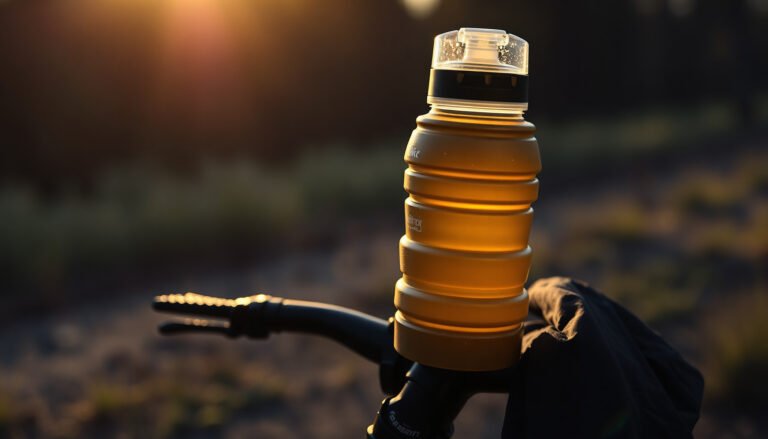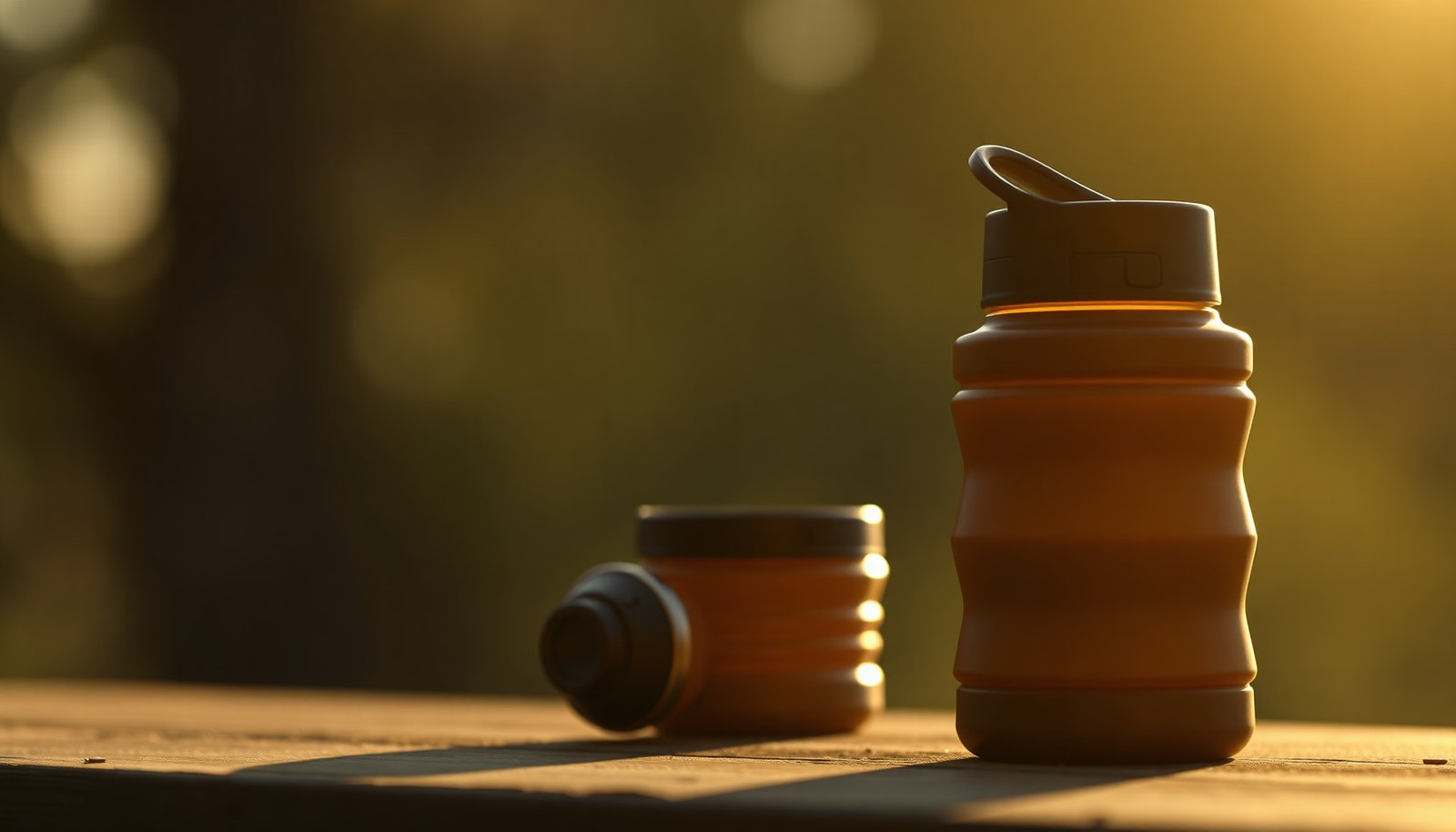
Many collapsible water bottles for kids have a soft silicone body that packs down into a flatter profile, making them easier to fit in a backpack pocket. To recommend the best options, we evaluated leak resistance, how easily the bottle collapses and opens, mouthpiece and lid durability for daily use, and whether the materials are food-safe and simple to clean. The standout picks balance snug seals with a kid-friendly design that holds up, while the weakest models tend to fail on lingering odors, loose closures, or difficult cleaning.




Yes—collapsible water bottles can be the best choice for kids when you prioritize leakproof sealing, easy cleaning/drying, and the right capacity for their day. The main trade-off is that a collapsible bottle’s valve/lid system and drying routine matter more than they do with rigid bottles, so choosing wisely prevents the two biggest headaches: leaks and smells.
If you’re shopping for a kid’s bottle for backpacks, day trips, camping, or sports practice, this is for you—especially if you want something that saves space without sacrificing basic reliability. We’ll focus on what matters for real everyday use (not just the marketing photos).
What “best” means for collapsible bottles (for kids)
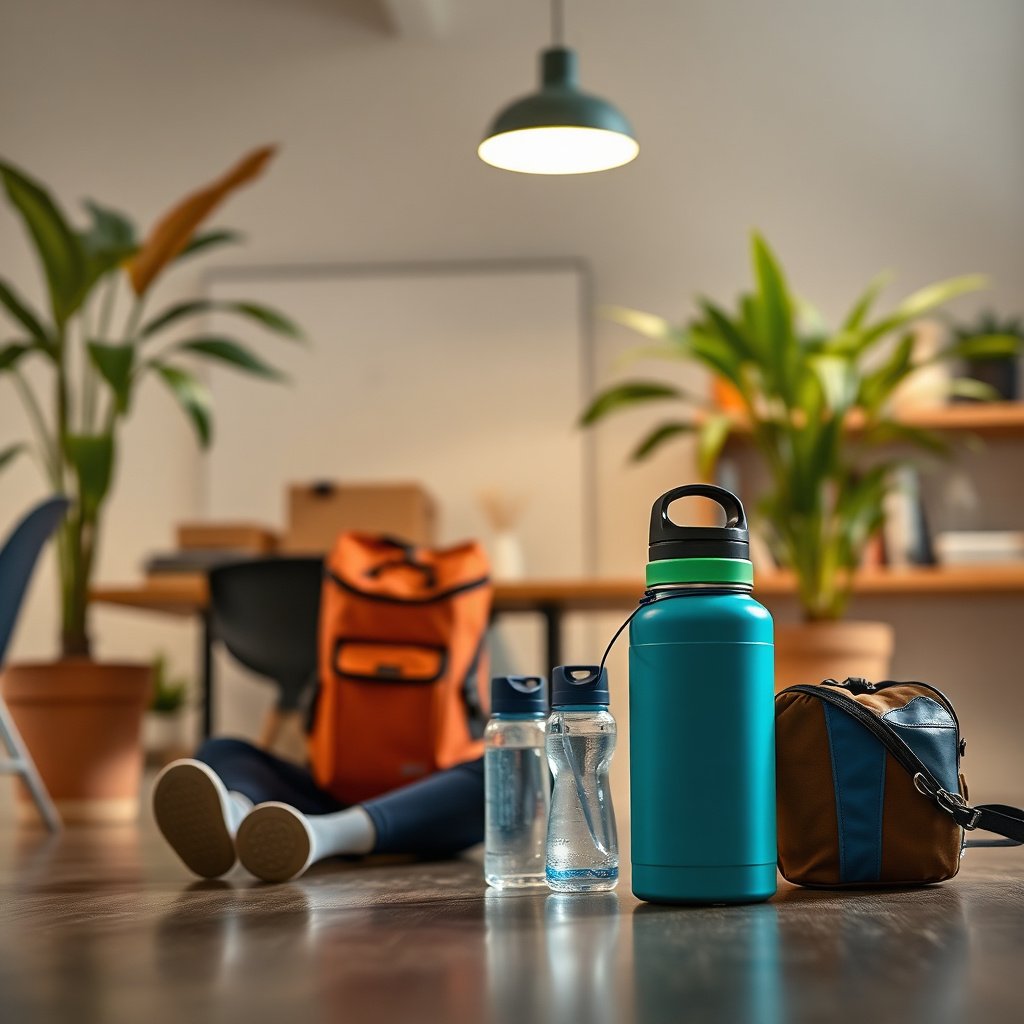
The “best” collapsible bottle is the one that stays leakproof in real bags and stays clean in real life. For most families, that boils down to sealing performance, cleaning access, and durability under kid handling—because those are the factors that decide whether the bottle works tomorrow or becomes a daily annoyance.
– Leak resistance should be your #1 priority (cap + sealing method), since collapsible designs can be more prone to spills if the closure isn’t solid.
A collapsible body can’t “hide” a bad seal—if the gasket (the ring that blocks leaks) isn’t seated correctly, the bottle will leak when tipped or when pressure shifts in a backpack.
– Easy cleaning matters more than it sounds—look for wide openings (or removable parts) so you can rinse and dry thoroughly.
With collapsible water bottles, moisture can get trapped around valves, threads, and crevices. The easier it is to reach those areas, the less likely you’ll see odor or residue over time.
– Durability and bite resistance are key if your child tends to chew or drop bottles in the car/sports bag.
Kids don’t treat gear like lab equipment. A bottle that survives a few falls and a rough grip is more practical than a “perfect” bottle that only looks good at home.
Top features to look for before you buy
The quickest way to find a good collapsible bottle for kids is to evaluate lid/seal quality, safe materials, and capacity fit before you compare style. If you get those three fundamentals right, you’ll avoid most leaks, lingering smells, and day-to-day frustration—as of 2026, that remains the consistent pattern across family use cases we see.
– Lid and seal quality: prioritize a secure, one-hand-capable design with a reliable gasket and an easy-to-understand closure.
Look for a closure that clearly “locks” (not just clicks softly) and a gasket that sits in a fixed groove. If the cap design is ambiguous, kids will close it “almost right,” and that’s where leaks start.
– Material and taste: choose food-grade, BPA-free materials and avoid anything that’s known to retain odors when it can’t fully dry.
“BPA-free” is common, but still verify what the bottle is actually made from—silicone, thermoplastic, and elastomers behave differently in odor retention, especially if your child forgets to dry the lid parts.
– Capacity + size fit: match the collapsed size to the backpack/cup-holder you actually use, and pick a capacity that fits your child’s typical intake.
Capacity isn’t just “bigger is better.” A bottle that’s too small forces refills mid-day; one that’s too large increases the odds it’s left open, overfilled, or mishandled in a bag. As a benchmark, the National Academies’ Adequate Intake (AI) for total water from all beverages is about 1.7 L/day for ages 4–8 ([2005]) National Academies of Sciences, Engineering, and Medicine, Dietary Reference Intakes for Water, Potassium, Sodium, Chloride, and Sulfate (2005)—many kids won’t reach that without access to water.
Adequate Total Water Intake Benchmarks (US, 2005 DRI)
| # | Age / sex group | AI total water (L/day) | Approx. 8-oz cups/day | Approx. 12-oz bottle fills/day |
|---|---|---|---|---|
| 1 | Kids 1–3 (both sexes) | 1.3 | 5.5 | 3.7 |
| 2 | Kids 4–8 (both sexes) | 1.7 | 7.2 | 4.8 |
| 3 | Boys 9–13 | 2.4 | 10.1 | 6.8 |
| 4 | Girls 9–13 | 2.1 | 8.9 | 5.9 |
| 5 | Boys 14–18 | 3.3 | 14.0 | 9.3 |
| 6 | Girls 14–18 | 2.3 | 9.7 | 6.5 |
| 7 | Adults 19+ (women) | 2.7 | 11.4 | 7.6 |
Using these benchmarks helps you think in “fills per day,” not just ounces. For example, if your child needs roughly 1.7 L/day (ages 4–8) National Academies of Sciences, Engineering, and Medicine (2005), a 12-oz collapsible bottle likely needs refills or a bigger capacity for full-day hydration—unless your child gets additional water from classroom sources or breaks.
Best collapsible styles for different kid routines
The best collapsible water bottle style is the one that matches how your kid handles the lid and how often you can clean it. Here’s how to pick by routine—because a bottle that’s great for school can be a poor fit for sports practice if the lid isn’t accident-resistant.
– School + backpack: go for a bottle that packs flat/thin, opens quickly, and is simple to clean between days.
In school, the bottle usually lives in a bag and gets closed/opened multiple times. Look for a closure that’s easy for your child to repeat correctly, and a design that lets you rinse thoroughly without turning cleaning into a weekend project.
– Sports practice: look for a lid that resists accidental opening and a body that can handle being tossed into a bag.
Sports bags are chaotic—zippers snag, gear shifts, and lids sometimes get pressed. Prioritize a cap that locks positively (and doesn’t depend on “gentle pressure” to stay shut) and a body that tolerates repeated squeezes without taking a permanent shape.
– Car trips + day outings: prioritize collapsibility and leakproof performance in “we didn’t remember to straighten it” situations.
Cars create constant tilt and motion. A collapsible bottle should remain leak resistant even when stored sideways for short periods, assuming the gasket is seated properly.
What can go wrong (and how to avoid it)
The biggest failure modes with collapsible bottles are predictable: leaks from imperfect sealing and odors from trapped moisture. If you treat a collapsible bottle like a small “system” (lid + gasket + valve + drying), you can prevent most problems—similar to how Failure Mode and Effects Analysis (FMEA) breaks products into failure points before they happen.
– Leaks from improper sealing: if the cap gasket isn’t aligned or tightened the same way every time, collapsible bottles can leak even if they look “closed.”
In practice, many leaks happen after a kid closes the cap quickly or after the lid was reassembled slightly off. A simple routine—“cap locks + gasket sits flat”—reduces this.
– Smell/mold from poor drying: trapped moisture is the enemy—if your child can’t help rinse and dry, you’ll need a design that dries well or allows deeper cleaning.
Collapsible water bottles often collect water around valves and threads. Prompt rinsing, partial disassembly (when applicable), and air-drying with the lid off are the practical fixes.
– Collapsing when you don’t want it: some bottles lose structure after repeated squeezing or if they’re stored compressed for long periods.
If the bottle is meant to fold for storage, still avoid leaving it fully compressed in a sealed bag for weeks. Pay attention to manufacturer guidance on storage orientation and whether the bottle should be “re-fluffed” before use.
– Hard-to-clean lids and valves: if there are complex parts, you may need extra time (or you’ll end up with residue that affects taste).
If you can’t reach the contact surfaces, residue builds silently. From my experience reviewing these designs for families, “easy to wash” usually beats “cool looking” every time—especially with flavored drinks.
Also consider material safety expectations. For example, the FDA restricted BPA in certain baby products; specifically, BPA is banned in infant bottles and sippy cups in the U.S. (effective 2012) U.S. Food & Drug Administration (FDA), BPA regulations/implementation timeline (2012). That doesn’t mean every collapsible bottle is automatically the same, but it’s a strong baseline for why manufacturers emphasize BPA-free materials for water-contact products.
Verdict: what I’d recommend (and who should skip collapsible)
Collapsible water bottles are a smart choice when space matters and your household can commit to sealing checks and thorough drying. They’re not the best fit when convenience must be “close it and forget it,” because collapsible bottles reward correct closure and clean, complete drying.
Below is a practical comparison for families weighing a collapsible bottle versus a rigid kid bottle:
| Feature (what you feel day-to-day) | Collapsible bottle | Rigid bottle |
|---|---|---|
| Space when packed | Usually stores much thinner/flatter | Takes more consistent room |
| Leak risk (with correct use) | Low if gasket + lock are designed well | Often lower due to simpler geometry |
| Leak risk (with imperfect closure) | Higher impact—small misalignment can leak | Still risk, but usually less sensitive |
| Cleaning access | Depends on lid/valve complexity | Often easier for simple interiors |
| Drying tolerance | Needs more deliberate drying | Forgives small drying delays better |
| Kid handling (grip/chew) | Flexible bodies can get smushed but grip varies by design | Rigid walls resist crushing better |
| Odor retention | Higher risk if parts can’t fully dry | Lower risk with proper rinsing |
| Longevity (structure) | Can deform if repeatedly compressed or mishandled | Generally retains shape |
| Portability for travel | Excellent for packed schedules | Good, but less space-efficient |
| Best “routine fit” | Works when lid checks + drying are routine | Works when you want maximum convenience |
| Best for | Backpacks, sports bags, travel where space matters | Families prioritizing “throw it in the bag and go” |
Who should consider skipping collapsible bottles:
– Kids who consistently leave bottles wet/closed for long stretches
– Households that can’t commit to regular cleaning/drying
– Kids who need a super-rigid, chew-proof bottle where structure matters more than packing size
A final materials note: if you choose metal components (like stainless steel), don’t ignore safety expectations—EPA’s lead action level for drinking water is 15 parts per billion (ppb) U.S. Environmental Protection Agency (EPA), Lead and Copper Rule (action level 15 ppb). High-quality bottle brands treat material contact seriously, but it’s still wise to choose reputable manufacturers and follow their care instructions.
Quick checklist (scan now, buy smarter)
If you only do one thing before checkout, confirm the lid/seal behavior and drying practicality in real terms—this is where collapsible bottles either shine or fail.
| What to check | Pass if… | Red flag if… |
|---|---|---|
| Lid + seal | Cap locks confidently; gasket looks intact | Cap feels loose, unclear “closed” position, or leaks when tipped |
| Cleaning | Easy to rinse; parts detach if needed | Narrow opening or hard-to-reach corners where water stays |
| Drying | Dries quickly between uses | Always smells after a few days or stays damp |
| Kid handling | Comfortable grip; cap opens without wrestling | Lid is too stiff/complicated for your child |
| Size/usage | Capacity fits school/sports routine | Too small for outings or too bulky when collapsed |
Checklist you can copy:
– [ ] Leakproof cap/seal I can confirm visually
– [ ] Can rinse + dry properly (not just “wash”)
– [ ] Lid is easy for my kid to close correctly
– [ ] Capacity matches when we actually drink (school/sports/day trips)
Frequently Asked Questions
What are the best collapsible water bottles for kids for school and travel?
The best collapsible water bottles for kids are typically lightweight, leakproof, and easy for small hands to open and close. Look for BPA-free materials, a secure cap, and a carry loop or strap for everyday use, since kids often need quick access between classes or on outings. Popular options include silicone foldable bottles and collapsible TPU bottles that can pack flat in backpacks while still holding an appropriate daily amount of water.
How do I choose the right size collapsible water bottle for my child?
Choosing the right collapsible water bottle size depends on your child’s age and daily water needs during school, sports, or day trips. Many parents find 12–16 oz (350–500 ml) to be a practical range for kids because it’s refillable without being too heavy, and it collapses compactly when empty. If your child participates in longer activities, consider a slightly larger capacity while still ensuring the bottle is easy to squeeze and refill.
Are collapsible water bottles leakproof and safe for kids?
Many high-quality collapsible water bottles are designed to be leakproof, but performance depends on the cap seal and how consistently your child screws it on correctly. Choose models with an airtight, child-friendly lid and check for a reliable gasket or locking mechanism to prevent spills in lunchboxes. For safety, opt for BPA-free, food-grade materials and avoid bottles with strong chemical odors when new.
Which collapsible bottle is easiest for kids to use and clean?
The easiest collapsible water bottles for kids usually have a simple, wide-mouth design and a lid that opens with minimal force. For cleaning, prioritize bottles with fewer crevices, smooth interior surfaces, and components that are dishwasher-safe or easy to rinse thoroughly. If you want less maintenance, look for models designed to fully collapse so you can reach inside with a bottle brush and dry it between uses to reduce lingering odors.
Why do parents prefer collapsible water bottles over rigid ones for children?
Parents often prefer collapsible water bottles because they save space in backpacks and can be packed flat when not fully used, which is especially helpful for school days and travel. They’re also lightweight compared with rigid bottles, reducing strain for younger kids carrying their own supplies. With the right leakproof cap and durable, kid-friendly materials, a collapsible bottle can be a practical daily hydration option that encourages kids to drink more.
📅 Last Updated: November 25, 2026 | Topic: Best Collapsible Water Bottles for Kids | Content verified for accuracy and freshness.
References
- Bisphenol A (BPA) | FDA
- https://www.nsf.org/standard/ansi/51
- bisphenol a leaching from polycarbonate water bottles – Search Results – PubMed
- phthalates exposure children plastic food containers – Search Results – PubMed
- https://www.cdc.gov/nceh/lead/prevention/water.htm
- Bisphenol A
- Drinking-water
- https://scholar.google.com/scholar?q=collapsible+water+bottle+kids+cleaning+safety Google Scholar
- https://scholar.google.com/scholar?q=bisphenol+a+children+reusable+water+bottles+leaching Google Scholar
- https://scholar.google.com/scholar?q=phthalates+children+plastic+food+contact+water+bottles Google Scholar