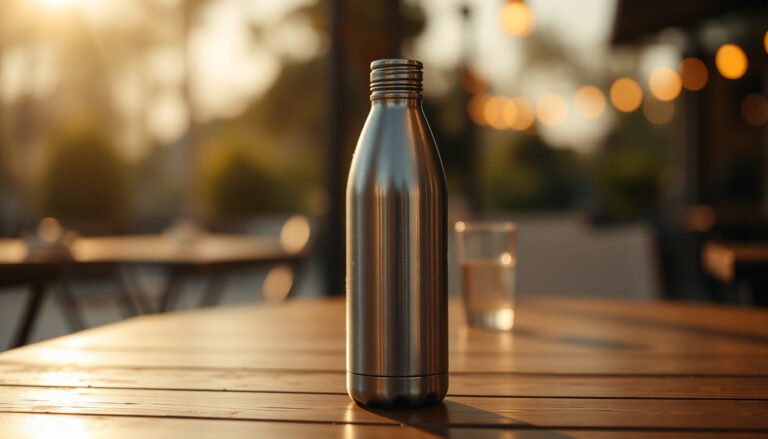
You pick up an aluminum water bottle, rinse it, and pause at the same questions you always get: will it taste metallic, dent easily, and stay safe and clean over time? You can do an honest pros-and-cons check in about 10 to 15 minutes by comparing the bottle’s construction, any lining, and your daily use. If you have your current bottle—or a few options in hand—you are ready to decide with confidence.




If you pick the right interior (anodized or properly lined), aluminum water bottles are often a safe, lightweight, and durable everyday option. The trade-off is that acidic drinks, slow cleaning, and aging lid parts can create taste changes, odors, or leaks—issues that show up over months, not days, and matter more as of 2026.
Aluminum water bottles are a solid choice if you want something lightweight and durable, but they’re not the best fit for everyone—especially if you regularly drink acidic beverages or don’t like frequent care. The biggest “make-or-break” factors are whether the bottle is anodized or lined and how you clean/inspect it over time. In this guide, we’ll weigh the real pros and cons so you can decide based on your habits, not marketing.
If you’re choosing a bottle for daily work/gym use, commutes, or hiking, this is for you—particularly if you’re trying to understand whether aluminum is “safe,” whether coatings matter, and what can go wrong with long-term use.
Why people like aluminum water bottles (the best pros)
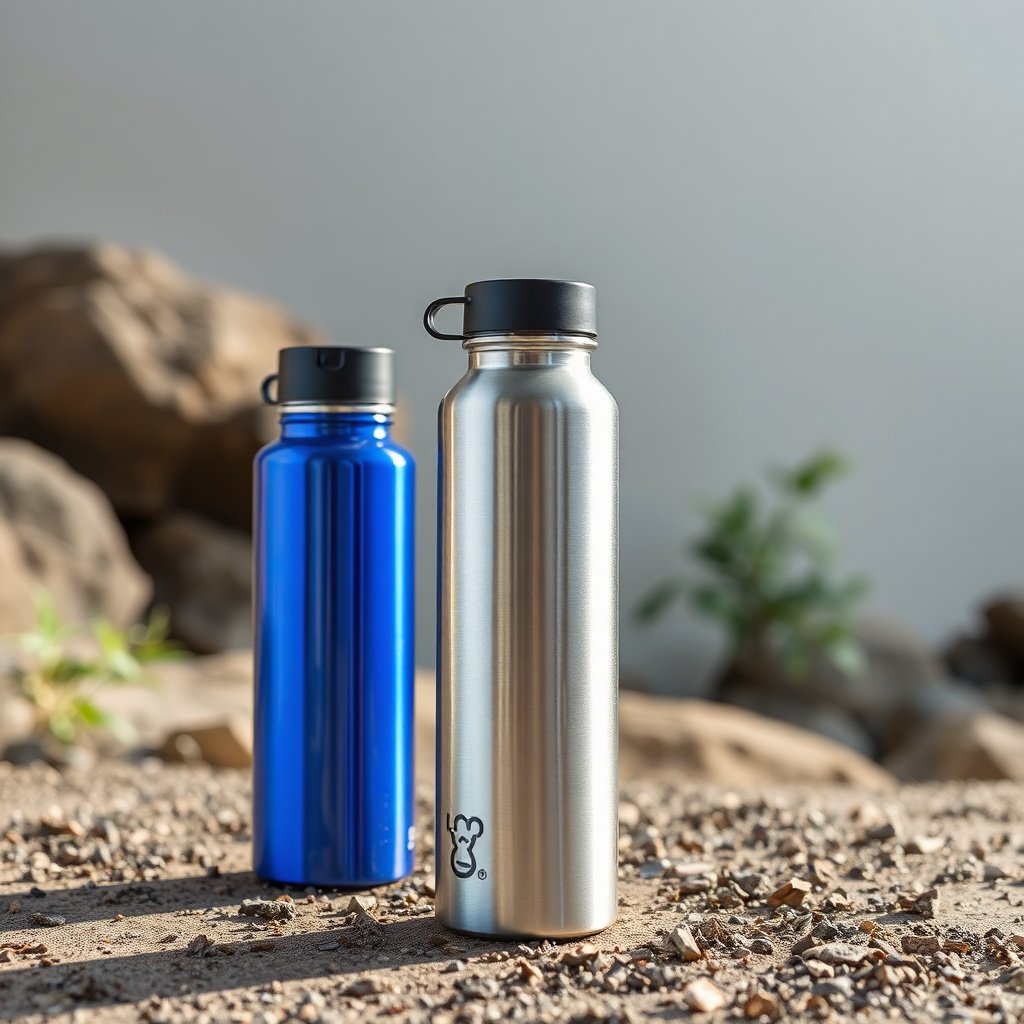
If you want a bottle that’s easy to carry and stands up to daily wear, aluminum is usually a strong fit. Here’s why people stick with it in real routines like commuting, gym bags, and outdoor daypacks.
– Lightweight + easy to carry: Aluminum is typically lighter than stainless steel, which matters if you’re toting a bottle all day. As a baseline, aluminum’s density is about 2.70 g/cm³, while stainless steel is around 7.93 g/cm³—one reason aluminum bottles often feel noticeably lighter for similar volumes (NIST Chemistry WebBook, elemental properties (aluminum density; stainless steel density as common alloy reference)).
– Durable for everyday wear: Many aluminum bottles handle bumps better than you’d expect, especially if the outer body is thick and the lid is well-made. Metal bodies can take scuffs without immediate functional failure, while some plastics show cracking or odor absorption sooner with rough handling.
– Often good heat/cold handling: Metal bottles transfer temperature faster than insulated plastic, which some people like (for keeping drinks cold longer) and some don’t. If you prefer your water to “match” the temperature of ice water quickly (rather than waiting for insulation), aluminum can feel more responsive.
The real cons (and what they mean in day-to-day use)
Aluminum bottles aren’t automatically “unsafe,” but the downsides are real—and they tend to show up based on what you drink and how you maintain the lid and interior. The key is understanding which part fails first: chemistry (interior) or logistics (lid, gasket, cleaning).
– They can react with certain drinks: Unlined aluminum may be more prone to interaction with acidic beverages (like citrus drinks) compared to lined/anodized options. In practice, this is less about “touching aluminum once” and more about repeated exposure plus time-to-rinse, which can increase the chance of off-flavors or surface dulling.
– Lids and coatings are the weak points: Even if the metal body is fine, gaskets, caps, and any inner coating can degrade and affect taste/sealing. Most leak complaints and “why does it smell weird?” issues trace back to rubber/TPU seals, threaded interfaces, or interior finish wear—not the outer wall.
– Not always the “lowest maintenance” option: Depending on the interior finish, you may need more attention to cleaning to prevent lingering odors or discoloration. If you routinely carry sugary drinks or sports drinks, you’ll likely benefit from prompt rinsing and thorough lid cleaning, regardless of material.
Safety matters: anodized vs lined interiors
If the interior is protected, aluminum bottles can be appropriate for many day-to-day beverages. The safest choice typically depends on whether the interior is anodized (a controlled oxide layer) or lined (a separate barrier material), because that protection determines how much direct contact your drink has with aluminum.
– Anodized aluminum vs bare aluminum: Anodizing is a treatment that can improve corrosion resistance; choosing an anodized bottle can reduce the “reaction” concern. Anodizing builds a ceramic-like aluminum oxide layer; thickness varies by process, but typical anodized films are on the order of microns (commonly ranges like ~5–25 µm are discussed for many decorative/functional anodizing contexts) (ASM International / anodizing fundamentals; oxide thickness ranges commonly summarized in surface engineering references).
– Lined bottles can protect flavor and reduce contact: If the bottle uses a lining, that layer is what’s really doing the work—so you’ll want to inspect it for wear, cracking, or peeling. A lining can be especially helpful for users who regularly carry acidic or mixed beverages, because it reduces direct contact with the metal.
– Your drink choices change the risk: If you often sip acidic drinks, sports drinks, or carbonated stuff, prioritize bottles designed for those use cases (and keep an eye on the interior over time). Also remember that acidity can affect more than taste: dental enamel is more vulnerable when the mouth environment drops below pH ~5.5, which is one reason frequent sipping of acidic drinks matters (American Dental Association (ADA), enamel demineralization and critical pH guidance).
Aluminum interior protection at a glance
| Interior type | What it primarily does | What to watch for |
|---|---|---|
| Anodized aluminum | Creates an oxide barrier that improves corrosion resistance versus bare aluminum. | Scuffs that expose fresh metal, dulling, and any interior wear near seams. |
| Lined interior | Adds a separate food-contact barrier to reduce direct metal contact. | Cracks, peeling, soft spots, and persistent taste/odor after cleaning. |
| Bare/unlined aluminum | Has the highest potential for interaction with acidic or salty contents. | Prompt rinsing needs, visible surface changes, and higher risk of off-flavors. |
Typical Beverage Acidity (pH) and Bare-Aluminum Stress Signals
| # | Beverage type | Typical pH range | Acidity risk | Bare-aluminum stress rating |
|---|---|---|---|---|
| 1 | Filtered/neutral water | 6.0–8.5 | Low | ★ ★ ★ |
| 2 | Black coffee (brewed) | 4.5–5.2 | Moderate | ★ ★ ★ ★ |
| 3 | Iced tea (unsweetened) | 4.0–5.0 | Moderate | ★ ★ ★ ★ |
| 4 | Sports drink | 3.0–3.6 | High | ★ ★ ★ ★ ★ |
| 5 | Cola-style soft drinks | 2.3–2.8 | High | ★ ★ ★ ★ ★ |
| 6 | Lemon water (typical mix) | 2.0–2.6 | Highest | ★ ★ ★ ★ ★ |
| 7 | Vinegar-based drinks | 2.4–3.0 | High | ★ ★ ★ ★ ★ |
These pH ranges reflect typical reported measurements of common beverage categories; exact values vary by brand and dilution. For reference ranges like these, researchers often compile data from food chemistry handbooks and lab measurements (CRC Handbook of Chemistry and Physics; compiled beverage pH values used across food-chemistry references).
What can go wrong: common mistakes and edge cases
If you understand where problems usually start, you can avoid most aluminum bottle complaints before they happen. The most common failures are procedural (cleaning/storage) or mechanical (gasket/threads), not “mysterious” metal toxicity.
– Using the wrong cleaning approach: Scrubbing aggressively with abrasive pads or letting residue sit too long can increase wear on lids and any interior coating. Coatings and seal surfaces can be surprisingly easy to scratch, and scratches create places for residue to cling.
– Ignoring lid gasket condition: A worn gasket can lead to leaks and can also make cleaning harder, leaving behind odors or film. Many gaskets are made from elastomers that absorb flavors—especially from sweet or acidic drinks—so replacement is often the simplest fix.
– Storing drinks for long stretches: Even with better finishes, leaving liquids sitting for days can create taste changes and buildup—especially with sugary or acidic contents. If you’re someone who “prep once and forget,” you’re raising the odds of both flavor drift and odor retention, regardless of material.
How to choose the right aluminum bottle (practical checklist)
If you want the best chance of “buy it once and forget it,” choose based on interior protection and lid serviceability, not just the bottle’s weight. This checklist is designed for commuting, gym use, and hiking—where bottles get tossed, opened frequently, and cleaned irregularly.
– Look for interior finish clarity: Prefer bottles that clearly state anodized construction or a food-grade lining (avoid vague “aluminum inside” claims). If the brand can’t explain interior protection plainly, assume you’ll need more diligence.
– Match the bottle to your typical liquids: If you mostly drink plain water, fewer issues show up than if you regularly use lemon, lime, vinegar-based drinks, or sports drinks. In 2026, many users have mixed hydration routines; your bottle should match your “worst-case day,” not your best-case one.
– Check parts that affect performance: Lid design, gasket material, and whether the bottle is easy to fully clean (especially around threads) matter as much as the metal. A bottle with great interior protection can still be annoying if threads trap residue you can’t remove easily.
A risk-based way to decide (simple framework)
When I help people narrow down bottle choices, I think in terms of Failure Modes and Effects Analysis (FMEA): identify what can fail (interior finish, gasket sealing, odor buildup), then choose the design that reduces the most likely failure for your habits. For many commuters, the highest-impact “failure mode” is lid/gasket wear that makes cleaning inconsistent—not the aluminum body itself.
Verdict / tip: should you buy one?
Aluminum bottles are often a good value if you want lightweight portability and you choose a model with an anodized or clearly protected interior. That said, if you regularly drink acidic beverages, hate any extra inspection/maintenance, or you’re very sensitive to changes in taste/odor over time, you might be happier with a high-quality insulated bottle with a well-regarded interior coating instead.
If you do go aluminum, the best “honest win” is simple: pick the right interior finish for your drinks, clean promptly, and replace worn lids/gaskets rather than continuing to use damaged parts. This approach gives you the main pro (durable lightweight carry) while avoiding the most common con (interior/taste and sealing issues that creep in over time).
Quick scan: Aluminum bottle keep/swap checklist
Use this quick scan when you’re deciding today—or when you’re trying to figure out whether it’s time to replace parts. It’s also a practical way to manage risk if your drink routine changes in 2026 (more sports drinks in summer, more coffee in winter, etc.).
– [ ] Interior is anodized or clearly lined (not just “aluminum”)
– [ ] Lid/gasket seals still flexible and not cracked
– [ ] Cleaning is easy—no trapped residue in threads/seams
– [ ] No peeling, cracking, or chalky buildup inside
– [ ] You don’t routinely store acidic/sugary drinks for days
Frequently Asked Questions
What are the pros and cons of aluminum water bottles for everyday use?
The main pros of aluminum water bottles are they’re lightweight, durable, and often cheaper than premium stainless steel options. They can also resist dents better than some glass bottles for daily carry. The cons include potential taste or odor issues if the interior lining is damaged or absent, and corrosion risk if the bottle is exposed to acidic beverages or stored wet for long periods. To avoid problems, choose a reputable bottle with a food-grade liner and keep it fully dry after cleaning.
How can I tell if an aluminum water bottle is safe for drinking and won’t leach metal?
Look for bottles labeled as food-grade and typically with an interior coating such as anodization or a protective liner (especially if it’s not made for direct beverage contact). A reliable brand will specify materials and safety standards, and you should avoid scratched or peeling interiors because that’s when aluminum leaching concerns increase. If you notice a metallic taste, discoloration, or residue, stop using the bottle and inspect the inside coating. Regular cleaning and proper storage also help reduce residue buildup that can affect flavor.
Why do aluminum water bottles sometimes taste “metallic,” and how can I prevent it?
Metallic taste usually comes from direct exposure of the drink to aluminum, a worn interior lining, or insufficient rinsing after manufacturing residues. Acidic drinks like citrus juices can also accelerate flavor transfer if the bottle isn’t properly coated for that use. Prevent this by choosing an anodized or lined aluminum water bottle intended for water, and rinse thoroughly after use. If you ever notice persistent taste, replace the bottle or switch to a stainless steel alternative with a proven interior finish.
Which aluminum water bottle type is best: anodized, lined, or stainless steel lined?
Anodized aluminum is often a good choice for people who want a lightweight bottle with good corrosion resistance, especially when used for water. Lined aluminum bottles can offer better flavor neutrality, but the lining quality matters and can wear over time. If your priority is long-term, no-fuss performance with varied drinks, many shoppers prefer a stainless steel bottle, though a high-quality lined aluminum bottle can still be an excellent option for everyday hydration. The “best” choice depends on what you drink most (plain water vs. acidic beverages) and how long you keep bottles.
How do aluminum water bottles compare to stainless steel for durability, taste, and maintenance?
Aluminum water bottles are generally lighter and can be easier to carry, while stainless steel is often more forgiving when it comes to long-term durability and flavor consistency. In terms of taste, stainless steel typically wins because it’s less likely to pick up metallic flavors, especially if you drink different types of beverages. For maintenance, aluminum bottles require attention to drying and interior coating condition, particularly if they’re lined. If you want the best overall balance for active daily use, aluminum is great when you choose a reliable interior finish; for maximum “set it and forget it” performance, stainless steel may be the safer bet.
📅 Last Updated: November 25, 2026 | Topic: Pros and Cons of Aluminum Water Bottles: Honest Breakdown | Content verified for accuracy and freshness.
References
- Guidelines for drinking-water quality, 4th edition, incorporating the 1st addendum
- https://www.atsdr.cdc.gov/toxprofiles/tp22.html
- https://www.epa.gov/ground-water-and-drinking-water/basic-information-about-contaminants-aluminum
- Aluminium
- aluminum leaching drinking water – Search Results – PubMed
- aluminum drinking water neurotoxicity – Search Results – PubMed
- https://eur-lex.europa.eu/legal-content/EN/TXT/?uri=CELEX:32004R1935
- https://scholar.google.com/scholar?q=aluminum+bottle+aluminum+leaching+study Google Scholar
- https://scholar.google.com/scholar?q=aluminum+drinking+water+health+effects+WHO+guideline+0.2+mg%2FL Google Scholar
- https://scholar.google.com/scholar?q=aluminum+exposure+dementia+neurotoxicity+review Google Scholar