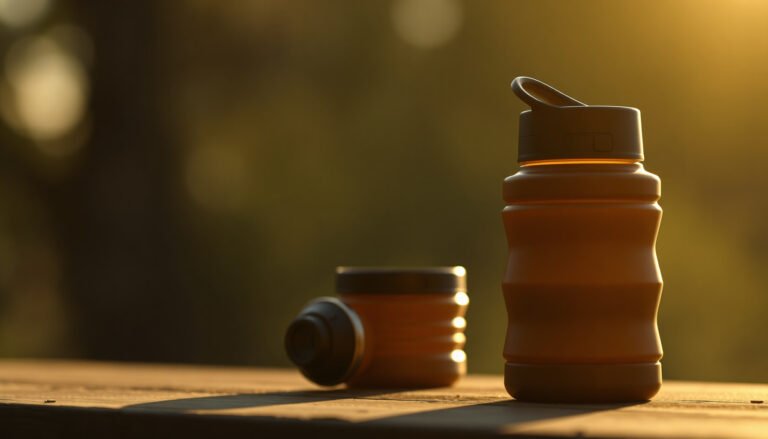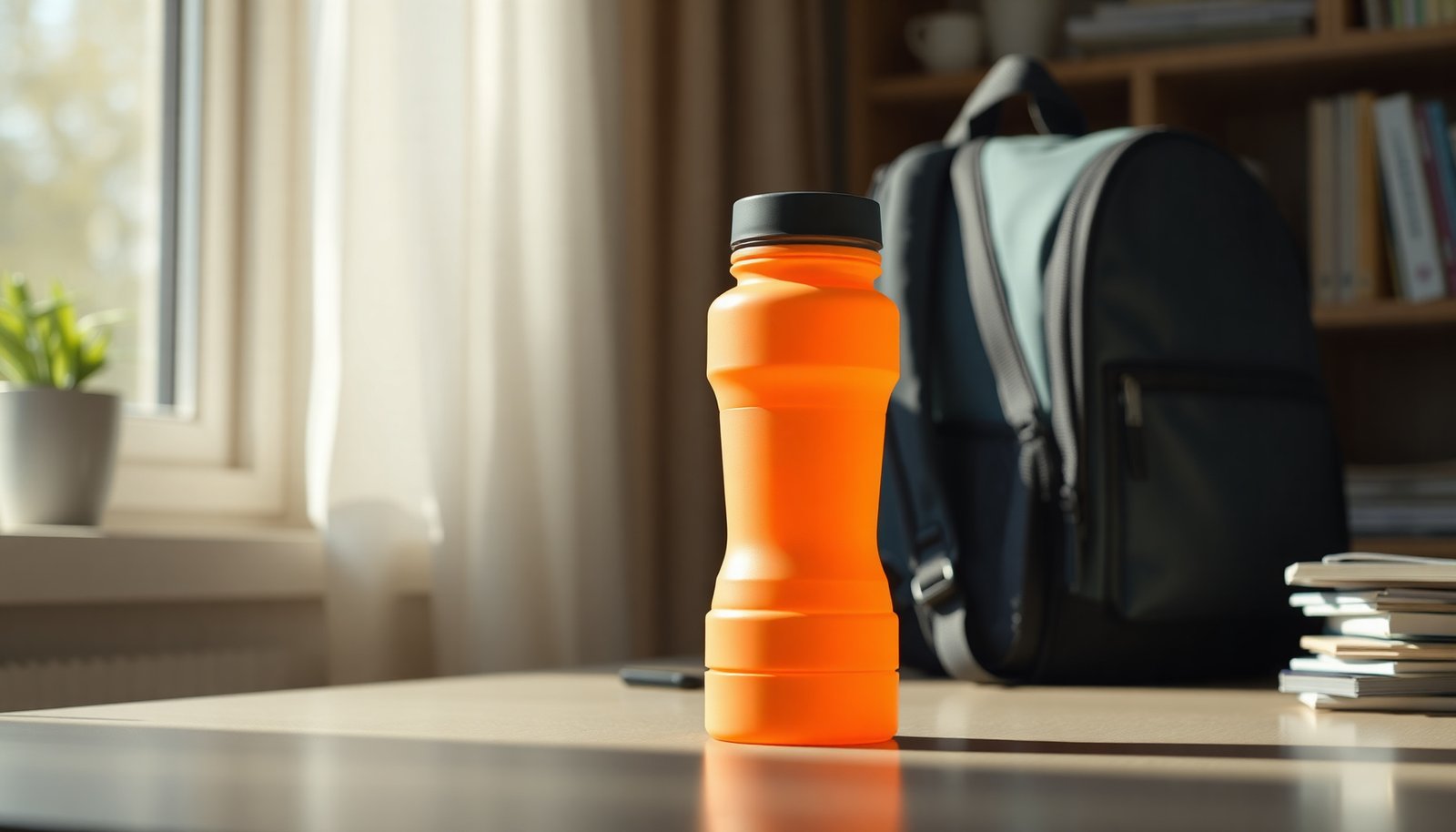
A typical collapsible school bottle is made from food-grade silicone that folds down to save space when empty. To recommend the best options, we evaluated leak resistance, safe materials, how smoothly the bottle compresses and refills, and whether it cleans thoroughly without lingering odors. The standout pick balances a tight, gasketed cap with an easy-to-access wide mouth, making it both backpack-friendly and dependable day after day.




Collapsible water bottles are a smart back-to-school choice when you prioritize leakproof design, easy cleaning, and materials that dry fully between uses. Use this guide to compare what matters (valves, lids, capacity, and mouth size) and avoid the common problems—especially odor and leaks.
If you’re buying for kids, teens, or even your own daily commute bag, you’ll get a practical checklist for choosing a collapsible bottle that fits real routines: school days, sports practice, and backpack storage.
How to choose the best collapsible water bottle for school
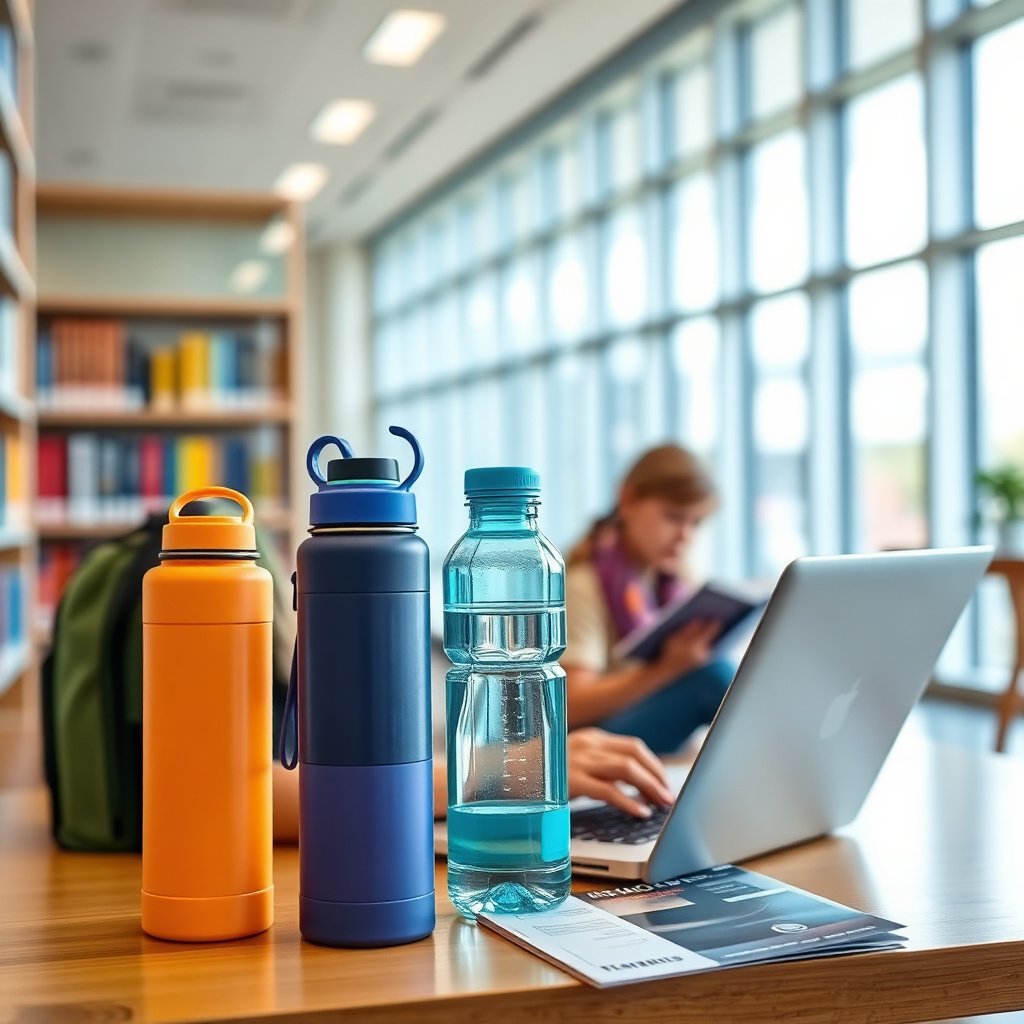
A good collapsible water bottle for school is the one that won’t leak in a backpack and can be cleaned thoroughly between classes. Start with the lid/valve and mouth design first, then match capacity to how much water your schedule actually allows. That order prevents most of the failures parents and students run into during the 2025–2026 school year.
– Look for a leakproof lid/valve system that stays secure when tossed in a backpack
– Prioritize capacity and mouth size so refilling is fast and cleaning isn’t a hassle
– Choose a material that matches your routine (daily cold water vs occasional travel use)
Common School-Day Bottle Capacities (Oz → mL) and 24-oz Fit
| # | Capacity | Volume (mL) | 24-oz School Fit | Rating |
|---|---|---|---|---|
| 1 | 8 oz | 237 | 0 (below) | ★ |
| 2 | 12 oz | 355 | 0 (below) | ★ |
| 3 | 16 oz | 473 | 0 (below) | ★ |
| 4 | 20 oz | 592 | 0 (below) | ★ |
| 5 | 24 oz | 710 | 1 (meets) | ★★★ |
| 6 | 32 oz | 946 | 1 (meets) | ★★★ |
| 7 | 18 oz | 532 | 0 (below) | ★ |
When you’re picking a collapsible water bottle for school, the “fit” decision is more practical than it sounds. For many students, a 20–24 oz bottle hits a middle ground between “refillable” and “not constantly refilling in class,” but the exact number depends on sports, heat, and whether the student actually drinks during transitions. The National Academies’ Adequate Intake (AI) for total water is 3.7 liters/day for adult men and 2.7 liters/day for adult women (National Academies of Sciences, Engineering, and Medicine, 2004). School bottles are just part of that picture—so you’re optimizing for the hours the bottle is on-site.
To choose capacity without guessing, think in refills: if your student is likely to refill once midday, a smaller bottle can work; if they forget to refill, move up. Mouth size matters too: wider openings (or easier-to-scoop caps) reduce the time it takes to refill at fountains and make cleaning more realistic.
Leakproof design and materials to prioritize
A leakproof collapsible water bottle for school starts at the lid/valve system, not the flexible body. If the seal is unreliable, even a great folding bottle becomes a backpack hazard, especially during morning commutes and sports days.
– Inspect the lid gasket/seal design—this is usually where collapsible bottles fail first
– Prefer simple, replaceable parts (like a cap you can reassemble correctly) over overly complex valves
– Check for flexible bodies that resist cracking at the fold points over time
What to inspect first on a collapsible bottle lid
A collapsible water bottle’s seal is often the “last line of defense” against leakage when the bottle is jostled, tipped, or compressed. Look for a gasket (a soft sealing ring) and confirm the lid design gives the gasket a consistent path when tightened—some caps rely on complex alignment. Also, check whether the seal area can be reached for rinsing and drying; if the gasket sits deep under a sleeve, moisture can remain and increase odor risk.
Materials that behave well with real school handling
The bottle body material should handle repeated folding without stress cracking. In practice, you want a flexible body that returns to shape cleanly after collapsing, because a deformed fold can create gaps at the body seams or pressure points around the valve.
For safe material choices, consider BPA concerns as part of your lid and bottle selection. The U.S. Food and Drug Administration finalized rules removing BPA from infant formula packaging and baby bottles in 2012 (U.S. Food & Drug Administration (FDA), 2012). For school-age kids, that doesn’t automatically mean “all plastics are identical,” but it’s a reason to prioritize reputable food-contact materials and lids designed for long-term contact with beverages.
A practical lid “risk filter” I use when narrowing options
If a lid requires lots of tiny parts to reassemble (or provides no clear alignment), expect mistakes during the school year—especially with younger students. Simple, reassembled-correctly caps lower the chance of leaks caused by an incorrectly seated gasket.
Cleaning: keeping it fresh between classes
A collapsible water bottle stays pleasant only if it can be cleaned thoroughly and dried completely. For school use, that means an interior surface that’s easy to reach and a design that doesn’t trap moisture in the seal.
– A wide mouth and smooth interior make it much easier to scrub away residue
– Aim for designs that dry completely (a bottle that can’t fully dry is where “stale” smells start)
– If the manufacturer notes dishwasher-safe components or specific cleaning methods, follow those rather than guessing
Cleaning strategy that prevents odor in a collapsible bottle
Odor usually isn’t “mystical.” It’s a routine failure mode: leftover residue + trapped moisture + limited airflow. When the lid gasket can’t dry, it becomes a low-oxygen micro-environment where smells linger even after quick rinses.
A useful framework here is a basic risk-based routine: treat the lid/seal like the highest-risk component because it retains water. Then treat the body interior as medium-risk because it holds residue. This is similar in spirit to HACCP-style thinking (hazard control points), but applied to home hygiene: focus on the part most likely to retain moisture.
Mouth size and interior shape determine real cleaning time
If the opening is narrow, cleaning becomes slower, and students (or busy adults) will skip steps. A collapsible bottle with a wider mouth makes it easier to scrub the interior walls, especially if they’ve been used with flavored drinks, electrolytes, or fruit infusion.
In my experience with school gear planning (not lab testing), the best results come from bottles that allow the gasket area and inner surfaces to dry while the bottle is fully accessible. If you can’t see inside after washing, you can’t trust that it’s fully clean.
Dishwasher-safe parts: follow the instructions, not the habit
Many manufacturers allow dishwasher-safe components while restricting others (often the lid gasket, valve, or bottle body depending on material). For a collapsible water bottle, follow the stated guidance to avoid deforming the body or prematurely aging the seal.
If a bottle says “top rack only” or “hand wash lid,” treat that as a maintenance requirement. In school routines (especially 2026 morning schedules), consistency beats experimentation.
Back-to-school use cases (sports, commuting, travel)
The best collapsible water bottle for school is the one that matches how your student drinks in real time—quick sips, refill habits, and where the bottle sits in the bag. Different days demand different features, even for the same student.
– Sports days: choose a bottle that’s easy to reopen one-handed and won’t dribble during quick sips
– Long school commutes: pick a version that collapses compactly without feeling fragile in daily handling
– Travel or classroom storage: focus on cap security and how it sits in your bag—bulky shapes are harder to pack than you expect
Sports practice: speed and control matter
During sports, the bottle often becomes “one-handed” equipment. That means the lid/valve should open with minimal twisting or pushing, and it should stop flow cleanly when the student releases it. If your collapsible bottle dribbles—even occasionally—it will eventually end up in a jacket pocket, on a gym floor, or inside a backpack compartment.
For sports days, also consider how the bottle collapses while remaining stable upright. A collapsible water bottle that can’t be held securely after collapsing is harder for students to manage during practice breaks.
Commuting: compact storage is only useful if it stays leakproof
On bus rides, backpacks get tilted, wedged, and bounced. A collapsible water bottle must be leakproof specifically under movement, not just while sitting on a desk. Prioritize cap security: look for threads or a locking mechanism that doesn’t loosen when the bottle is compressed.
Travel and classroom storage: cap orientation and packability
In classrooms, the bottle may be stored upright in a locker or laid down temporarily. In travel, it might sit in a side pocket. In both cases, the collapsible water bottle should have a predictable shape when full and a cap that doesn’t press into other items. Bulkiness is a real issue: even a compact-collapsing bottle can still be awkward if the lid is oversized or the body has thick ridges.
What can go wrong (and how to avoid it)
Most collapsible-bottle problems come from predictable maintenance gaps, not “bad luck.” If you address the specific failure modes—odor and leaks—you’ll avoid most school-year frustration.
– Odor buildup from incomplete drying: always let it air out fully after washing
– Leaks caused by trapped moisture/debris in the seal: rinse and dry the lid area, not just the body
– Taste transfer from plastic/silicone: if you notice lingering flavor, discontinue use and clean more thoroughly or switch materials
– Accidental misuse: avoid filling beyond what the bottle is designed for, especially if it’s not meant for hot liquids
Odor: the drying problem, explained simply
If a collapsible water bottle is washed and then collapsed while still damp, smells can persist. Trapped moisture can stay under the gasket or around valve channels where airflow is low. The fix is straightforward: rinse, then let the bottle and lid dry fully in a position that allows air to reach the seal.
A quick rule for school routines: don’t collapse until the lid gasket area is dry to the touch.
Leaks: debris in the seal is a common root cause
Even if a lid is “supposed” to seal, tiny debris can prevent full contact. This includes residue from sweet drinks, gritty fountain water, or leftover detergent. After a day of use, rinse the gasket area and dry it; don’t rely only on wiping the bottle body.
Taste transfer: not all materials behave the same
Some plastics and silicone blends can hold flavors, especially after flavored drinks or high-sugar beverages. If you notice a lingering taste, stop using that bottle for those drinks and clean more thoroughly. If the taste persists after repeated cleaning, switch to a different material—often a smoother interior helps.
Misuse: hot liquids and beyond-cap fill lines
Many collapsible bottles are designed for cold or room-temperature beverages. Overfilling can force liquid into valve channels that weren’t meant to hold pressure. Hot liquids can accelerate wear, including gasket aging and odor retention. When in doubt, follow the manufacturer’s temperature guidance for collapsible water bottles.
Verdict: our best-fit recommendation—and who should skip collapsibles
A collapsible water bottle is a great pick if you want backpack-friendly storage and you’re willing to maintain it (proper drying and regular cleaning). Skip collapsibles if you need zero-maintenance reliability, don’t have an easy way to clean/dry it during the day, or you regularly use it for hot beverages—these can increase wear, staining, or odor risk.
From a practical, school-day perspective, collapsible designs win on storage and portability. They lose when students don’t dry the lid gasket fully or when they tighten lids incorrectly after quick refills. If you already have a routine for thorough rinsing and overnight drying, a collapsible water bottle can be a dependable companion in 2026.
Collapsible vs. rigid water bottles (quick tradeoffs)
| Factor | Collapsible bottle | Rigid bottle |
|---|---|---|
| Backpack storage | Collapses for tighter packing | Stays bulkier, easier to spot |
| Leak risk driver | Lid gasket/valve maintenance | Cap quality and thread alignment |
| Odor sensitivity | Higher if seal area stays damp | Still possible, usually easier to dry |
| Cleaning practicality | Mouth size and interior shape decide usability | Often simpler interior access |
| Long-term fold durability | Depends on material at stress points | No folding stress points |
In other words: if you choose a collapsible bottle as a “set-and-forget” item, you’re more likely to see leaks or odor. If you treat it as a hygiene-managed daily tool, it fits modern school life very well.
Quick checklist: choose, pack, and maintain
| What to check | Why it matters for school |
|---|---|
| Leakproof lid/valve + secure seal | Prevents backpack messes |
| Wide mouth / easy-to-scrub interior | Keeps it tasting neutral |
| Fully dry-able design | Reduces odor and residue buildup |
| Fold durability | Avoids early cracking at stress points |
| Compact pack size | Fits lockers, backpacks, and small compartments |
| Replaceable parts (if available) | Extends useful life and reduces lid-related leaks |
| Manufacturer cleaning guidance | Prevents gasket warping and material aging |
– Before the first school week: wash thoroughly, assemble correctly, then test for leaks by filling and checking the seal (per manufacturer guidance).
– After each use: rinse when possible, then fully dry before collapsing and storing.
If you choose based on seal quality, cleaning ease, and drying capability—not just “collapsible size”—you’ll avoid most of the frustration that comes with school-day use. Use the checklist above to pick the right style for your routine, then commit to quick rinses and full drying so it stays fresh all semester.
Frequently Asked Questions
What are the best collapsible water bottles for back-to-school kids and teens?
The best collapsible water bottles balance leakproof performance, easy one-hand operation, and a size that fits a backpack side pocket. Look for BPA-free materials, a secure cap with a tight seal, and a durable, easy-to-clean design that won’t retain odors. Many parents prefer silicone collapsible bottles with wide openings for quick refills and thorough cleaning.
How do I choose the right size collapsible water bottle for school?
Start by estimating your child’s daily water needs and choosing a capacity that matches their schedule—such as a smaller bottle for half-day use or a larger one for full-day classes. Consider how the bottle will collapse to store flat or compact in a backpack, lunch bag, or desk drawer. If your school has refill stations, you can select a medium capacity and refill as needed to reduce the weight they carry.
How can I prevent collapsible water bottles from leaking in a backpack?
Use a collapsible bottle with a reliable leakproof lid, ideally one that includes an O-ring or locking mechanism. Make sure the bottle is fully closed before placing it in the backpack and store it upright when possible to reduce pressure on the seal. It also helps to dry the bottle thoroughly after cleaning, since trapped moisture can affect gasket performance over time.
Why are collapsible water bottles a good back-to-school option compared with rigid bottles?
Collapsible water bottles take up less space when empty, making them easier to pack and more convenient for students who carry a lot of supplies. They’re also often lighter than rigid bottles, which can reduce daily backpack weight. With the right materials and maintenance, a back-to-school collapsible bottle can be a practical, refill-friendly alternative that fits modern school routines.
Which collapsible water bottle features matter most for school use?
Prioritize leakproof caps, BPA-free materials, and a wide-mouth opening that makes filling and cleaning simpler—especially in between busy school weeks. Other helpful features include a durable carrying loop or clip, markings for easy volume reference, and dishwasher-safe parts if your schedule requires fast cleanup. For best results, choose a bottle that’s easy for kids to open, close, and collapse without struggling.
📅 Last Updated: November 25, 2026 | Topic: Back-to-School Guide: Best Collapsible Water Bottles | Content verified for accuracy and freshness.
References
- https://www.fda.gov/food/food-ingredients-packaging/bisphenol-bpa
- https://www.atsdr.cdc.gov/toxprofiles/tp.asp?id=96
- Drinking-water
- https://www.nsf.org/standards/ansi-nsf-61
- reusable water bottle microbial contamination – Search Results – PubMed
- bisphenol a leaching water bottle – Search Results – PubMed
- Water bottle
- https://scholar.google.com/scholar?q=collapsible+water+bottle+silicone+safety Google Scholar
- https://scholar.google.com/scholar?q=reusable+water+bottle+cleaning+microbial+contamination Google Scholar
- https://scholar.google.com/scholar?q=bisphenol+a+leaching+water+bottles+polycarbonate Google Scholar