For hikers who want packable hydration without leaks, the best collapsible water bottle overall is Platypus QuickDraw—reliable squeeze flow and a dependable cap system in a trail-friendly size. Each option is judged on leakproof performance, collapsed volume, safe materials, comfortable handling, and how quickly it dries and cleans after long hikes. If you plan to pair it with a filter or prefer simpler refills, our top runner-up separates itself with a more versatile opening.



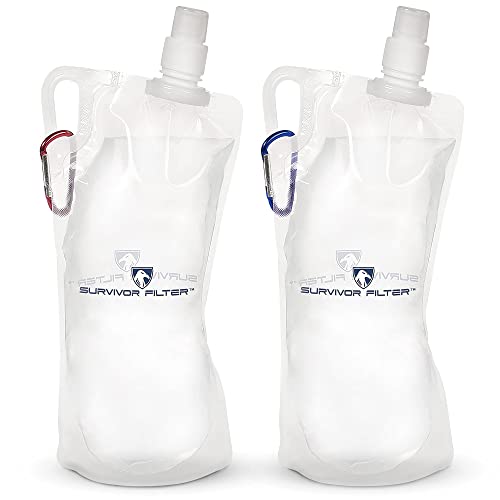
The best collapsible water bottle for hiking is the one with a truly leak-proof, glove-friendly lid and a design that collapses small enough to live in your pack without getting damaged folds. In this guide, we’ll break down the specs that matter, the failure points hikers run into, and how to choose a capacity that matches your route—so you’re not dealing with a damp, stinky, or slowly leaking bottle on the trail.
If you hike frequently—day hikes, trail races, or multi-day trips with limited pack space—this is for you. It’s also useful if you’ve had collapsible bottles kink, taste “off,” or start leaking after a few outings. In 2026, collapsible bottles are more common than ever, but the quality gap is still real, especially around lid seals and long-term odor control.
What “best” means for hiking
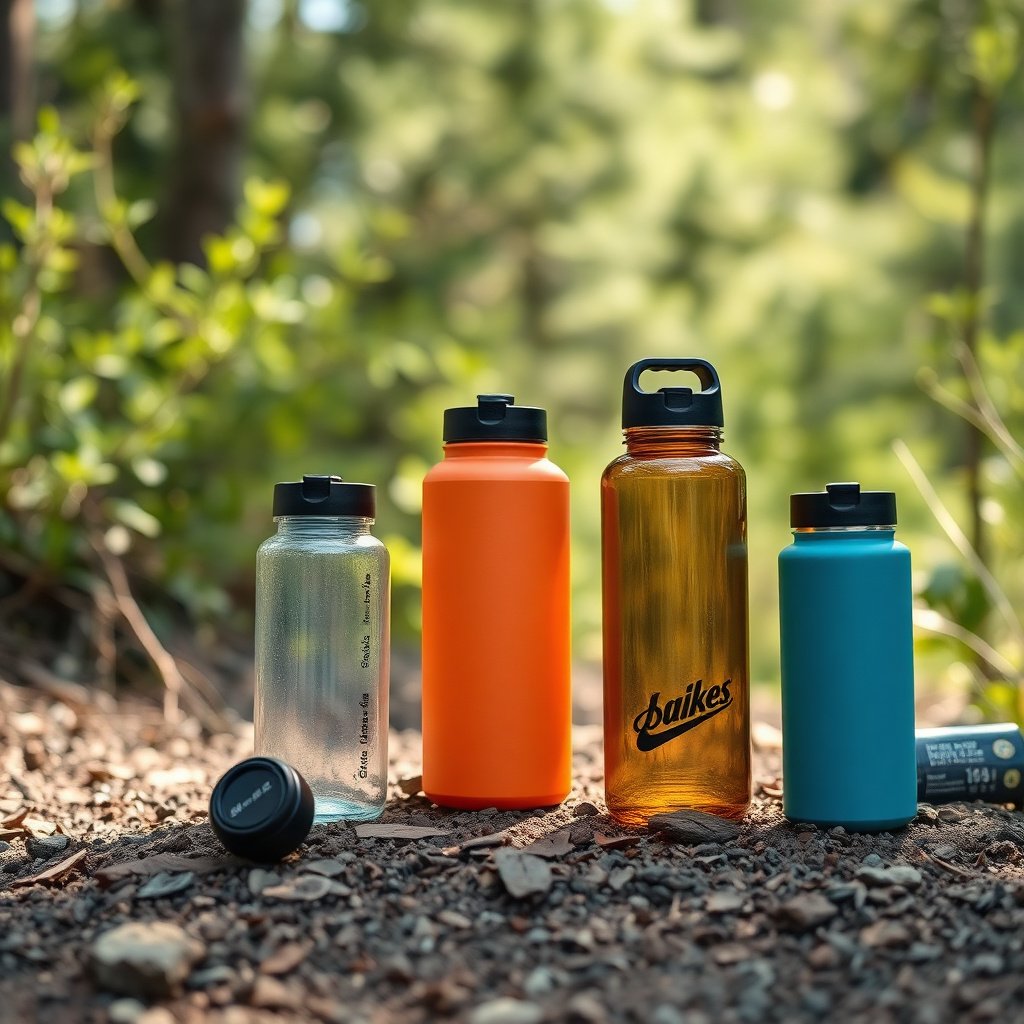
The “best” collapsible water bottle is the one that stays reliable after it’s stuffed into a side pocket, squeezed while packing, and repeatedly filled on uneven terrain. Here’s what that means in practice: packability has to come with dependable sealing, and convenience has to include one-handed operation—not just a cap that opens easily at home.
– Focus on trail realities: packability, quick access, and reliability when the bottle is squeezed into side pockets.
– Look for leak resistance at the lid and along the body, not just “no leaks in the factory.”
– Choose a size that matches how long you’re often out: larger capacity for longer days, smaller for frequent refills.
How to choose: key features that matter
The best collapsible bottle choices come down to lid mechanics, cleaning practicality, and collapse performance that survives real pack pressure. If the lid is fussy or the inside is hard to scrub, the bottle won’t stay pleasant—no matter how compact it looks on day one.
– Lid design: prioritize a secure, easy-to-open cap and an effective spout (especially if you’re sipping with gloves).
– Cleaning and durability: wide mouths or removable parts make it easier to prevent lingering smells.
– Collapse behavior: confirm it compresses down enough for your pack, then springs back without weird folds :
– Look for an explicit “collapse to” dimension (or packed height) in the manual/product specs.
– Check whether the manufacturer recommends a specific folding/“do not fold at X” guidance.
– Verify whether the bottle is designed to be collapsed repeatedly without “permanent creasing” (some manuals include maintenance notes about avoiding repeated folding in the same crease).
A quick note on why these details matter: hydration isn’t just about having water—it’s about being able to drink consistently. According to the U.S. National Academies’ adequate daily total water intake (from all beverages), men are often cited around 3.7 L/day and women around 2.7 L/day (Institute of Medicine / NASEM, 2005). On hikes, you’re not drinking all day like you might at home, but that baseline is why “easy to sip” and “easy to refill” can directly affect how much water you actually consume.
Also, in 2026, many hikers use water filters and quick-fill systems. A collapsible water bottle should match your workflow—if you can’t reliably fill, filter, and drink, “compact” quickly stops being useful.
Materials & capacity: the practical tradeoffs
The right collapsible water bottle is usually a balance: compact enough to pack, but durable enough that the lid seals and body don’t degrade after repeated use. Soft collapsible bodies (commonly silicone or similar elastomers) can compress extremely well, but odor retention and seam integrity become your main long-term concerns.
– Soft collapsible bodies (commonly silicone or similar materials) are usually compact, but you’ll want strong seams and consistent heat/odor resistance.
– Compare sizes by liters/ounces and your refill plan: more capacity reduces refill frequency, less capacity saves space.
– Check compatibility with your water source (filters, hoses, or standard fill). Use the manufacturer guidance for any attachments :
– Verify the cap’s filter connection type (for example, whether the manual lists a specific thread size or adapter, rather than “works with most filters” marketing).
– Confirm whether the bottle is explicitly rated for filter attachments and whether the manual states any restrictions (like “only use the included adapter”).
– Check for any warnings about using hot water or pressurized fill on the cap/spout assembly.
To choose capacity intelligently, start with a realistic fluid replacement assumption. The American College of Sports Medicine (ACSM) discusses that exercise fluid needs vary widely, and typical guidance often falls in the neighborhood of roughly 0.4 to 0.8 liters per hour for many conditions (ACSM guidance/position stands on exercise and fluid replacement, 2007 (general range as summarized in multiple ACSM publications)). Your sweat rate can be higher in heat, and lower in cool conditions—but the range is useful for planning.
Day-hike starting water targets (midpoint planning, based on typical 0.4–0.8 L/hour guidance)
| # | Planned hike time | Midpoint carry (0.6 L/h) | Likely range (0.4–0.8 L/h) | Common collapsible size to consider |
|---|---|---|---|---|
| 1 | 1 hour | 0.6 L (20.3 fl oz) | 0.4–0.8 L | ~0.7–1.0 L |
| 2 | 2 hours | 1.2 L (40.6 fl oz) | 0.8–1.6 L | ~1.0–1.5 L |
| 3 | 3 hours | 1.8 L (60.9 fl oz) | 1.2–2.4 L | ~1.5–2.0 L |
| 4 | 4 hours | 2.4 L (81.2 fl oz) | 1.6–3.2 L | ~2.0–2.5 L |
| 5 | 5 hours | 3.0 L (101.4 fl oz) | 2.0–4.0 L | ~2.5–3.0 L |
| 6 | 6 hours | 3.6 L (121.7 fl oz) | 2.4–4.8 L | ~3.0–4.0 L |
| 7 | 7 hours | 4.2 L (142.0 fl oz) | 2.8–5.6 L | ~3.5–4.5 L |
Planning basis: typical exercise fluid replacement ranges (midpoint carry uses 0.6 L/h); actual needs vary by temperature, intensity, and sweat rate. (ACSM guidance on exercise and fluid replacement, 2007 (range commonly summarized in ACSM publications))
This doesn’t mean you should carry exactly these amounts. It means a collapsible water bottle’s capacity becomes a decision tool: if you don’t have reliable refill points, you need enough volume; if you do, you can downsize and rely on refills.
What can go wrong (and how to avoid it)
The most common collapsible bottle problems are leak paths at the lid, odor/taste buildup from incomplete drying, and lifespan loss from repeated kinking. If you’ve ever opened your bottle and noticed a slow wet spot in your pack, or a “stale” flavor after a weekend, this section explains why—and how to prevent it.
– Leaks at the cap: over-tightening, damaged gaskets, or trapped debris can cause slow seepage—inspect seals before and after big days.
– Taste/odor buildup: storing it collapsed without drying can cause lingering flavors; always dry fully before packing :
– Wash with mild soap and warm water, then rinse thoroughly.
– Dry with the cap off (and any removable gasket/inner components removed if the manual allows).
– Air-dry in a breathable area until the interior is completely dry; avoid sealing it while damp and avoid storing collapsed in a closed bag.
– Kinking and weak spots: repeated folding in the same crease may shorten lifespan—try to vary how you pack it.
– Cleaning gaps: narrow openings can be hard to scrub; if you can’t clean it well, it won’t stay pleasant.
From my own trail habits, the “dry fully” step is what makes the biggest difference with collapsible water bottles. On trips where I’ve rushed packing at the trailhead, I’ve noticed the bottle becomes harder to keep neutral afterward—even when I’m careful about rinsing.
Here are additional edge cases to watch, especially in 2026 as more hikers mix gear:
– If you’re using a filter, the lid’s seal matters even more—some adapter setups add stress to the gasket during attachment/removal.
– If you frequently store the bottle collapsed “for convenience,” you increase the odds of persistent creases, which can eventually translate into seal misalignment.
– If you tend to overfill to the brim, pressure under the cap can force tiny seepage around gaskets.
One more material note: even though many collapsible bottles are sold as BPA-free, odor control still depends on cleaning and drying. For example, the U.S. Food and Drug Administration banned BPA in certain baby bottles and sippy cups (U.S. FDA, 2012–2013 actions and related enforcement timeline (BPA in food-contact for infants)). That’s about baby-specific products, not adult hiking bottles—but it’s a reminder that regulators care about chemical safety while you still have to manage real-world taste and cleanliness.
Verdict / honest recommendation
For most hikers, the best collapsible water bottle is the one that combines a genuinely leak-proof lid, reliable collapse without permanent folds, and cleaning access you’ll actually use. That’s the honest trade: collapsible bottles win on pack space, but they only stay “easy” when maintenance and drying are realistic for your routine. If you want the lowest hassle and you reliably store gear in a way that keeps bottles dry, a rigid bottle may be the more dependable choice.
| Collapsible water bottle (what you gain) | Collapsible water bottle (what can cost you) |
|---|---|
| ✓ Pack space savings | ✗ Higher sensitivity to drying/odor control |
| ✓ Good for side pockets and multi-day kits | ✗ Lid/gasket quality becomes a deal-breaker |
| ✓ Usually easier to stash when not full | ✗ Can kink or crease if packed poorly |
| ✓ Works well with planned refills | ✗ Cleaning can be harder if access is narrow |
If you hate meticulous maintenance or you regularly store bottles damp for convenience, a collapsible may be more hassle than a rigid bottle—skip collapsibles in those cases. If you’re unsure, start with a simpler model (fewer parts in the cap) and verify the seal design and cleaning instructions first. In 2026, many manufacturers now publish clearer care instructions; use that documentation as your decision anchor, not just user reviews.
Collapsible vs rigid for hiking (quick comparison)
| Criteria | Collapsible bottle | Rigid bottle |
|---|---|---|
| Leak risk depends on | Lid gasket & cap design | Body integrity |
| Pack space when empty | Very small | Still takes space |
| Squeeze/fit in side pockets | Can be pressure-sensitive | More consistent |
| Odor/taste after storage | More sensitive to drying | Often easier to keep neutral |
| Cleaning access | Varies widely by mouth size | Usually easier |
| Durability over many folds | Depends on seam design | Less dependent on flex cycles |
| Glove-friendly lid operation | Can be excellent—or fiddly | Often more predictable |
| Best use case | Refill-friendly routes | Low-maintenance routines |
| Best for | Hikers who dry and maintain consistently | Hikers who prioritize simplicity and durability |
Quick scan checklist (save this)
– Seal + lid: gasket present, secure closure, easy to inspect
– Ease of use: fill/sip with gloves, not overly fiddly
– Cleaning: access to the inside; drying is realistic
– Packability: collapses enough for your typical pack pocket
– Capacity fit: matches your hike length + refill plan
– Durability cues: reputable construction/heat resistance guidance :
– Look for a “maximum water temperature” limit in the care instructions.
– Look for food-contact material statements (often including “BPA-free” or FDA/food-contact compliance) plus cleaning method limits (dishwasher safe vs hand-wash only).
Frequently Asked Questions
What are the best collapsible water bottles for hiking in 2026?
The best collapsible water bottles for hiking are typically lightweight, durable silicone or TPU models with a secure leak-proof cap and a wide enough opening for easy refilling and cleaning. Look for bottles labeled food-grade and BPA-free, and prioritize those with reinforced seams or thicker walls so they don’t collapse too easily when you need flow. Many hikers also prefer bottles with a carry loop or a compact folded profile that fits easily in a side pocket or daypack.
How do I choose a collapsible water bottle size for day hikes versus multi-day trips?
For day hikes, many people choose a smaller capacity (often 10–20 oz) to save pack space while still covering typical hydration needs. For longer hikes or hot weather, a medium to larger capacity (about 20–32 oz) can reduce how often you refill, which is helpful when water sources are limited. If you do multi-day trips, consider whether you’ll have reliable access to water and whether you’ll pair a collapsible bottle with a hydration filter or separate storage bottle.
Which features matter most for a leak-proof collapsible bottle on the trail?
A truly leak-proof collapsible water bottle should have a tight, gasket-sealed cap and a reliable closure design that won’t loosen from pack movement. Check whether the spout or drinking valve is easy to operate with one hand, especially when you’re thirsty or wearing gloves. Reinforced materials and a smooth interior also help prevent odors and make thorough cleaning easier, which is important for keeping water taste fresh on hikes.
Why do collapsible water bottles sometimes taste or smell like plastic, and how can I prevent it?
Plastic or silicone odor can come from manufacturing residues or improper drying after washing. To prevent taste issues, rinse the bottle thoroughly before first use, wash it with mild soap, and let it fully air-dry with the cap off and the bottle expanded. If odors persist, soaking in a baking soda solution or using a bottle cleaning tablet can help, but always follow the manufacturer’s care instructions.
How should I clean and maintain a collapsible hiking water bottle to keep it odor-free?
Clean your collapsible bottle soon after use, since leftover moisture and residues can lead to lingering odors or discoloration. Use a bottle brush if the opening allows, and make sure to clean the cap, gasket, and any drinking valves where buildup can form. After cleaning, dry completely by expanding the bottle and storing it uncapped so it doesn’t trap moisture; this maintenance is key to long-term reliability for hiking.
📅 Last Updated: November 25, 2026 | Topic: Best Collapsible Water Bottles for Hiking | Content verified for accuracy and freshness.
References
- https://www.mayoclinic.org/diseases-conditions/dehydration/symptoms-causes/syc-2037365
- https://www.cdc.gov/disasters/extreme-weather/heat/index.html
- Bisphenol A (BPA) | FDA
- https://www.niehs.nih.gov/health/topics/agents/bpa/
- bisphenol a water bottle leaching – Search Results – PubMed
- bisphenol a water bottle leaching | Nature Search Results
- Water bottle
- https://scholar.google.com/scholar?q=collapsible+water+bottle+hiking+silicone+soft+flask+study Google Scholar
- https://scholar.google.com/scholar?q=water+storage+container+collapsible+bottle+performance+study Google Scholar
- https://scholar.google.com/scholar?q=bisphenol+A+silicone+water+bottle+leaching+hydration Google Scholar