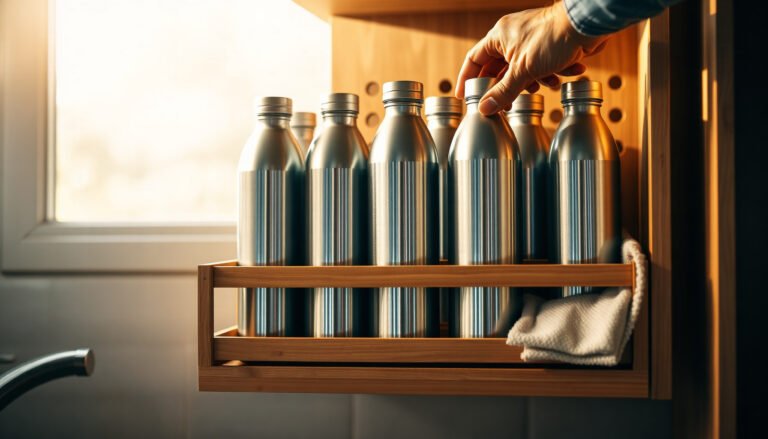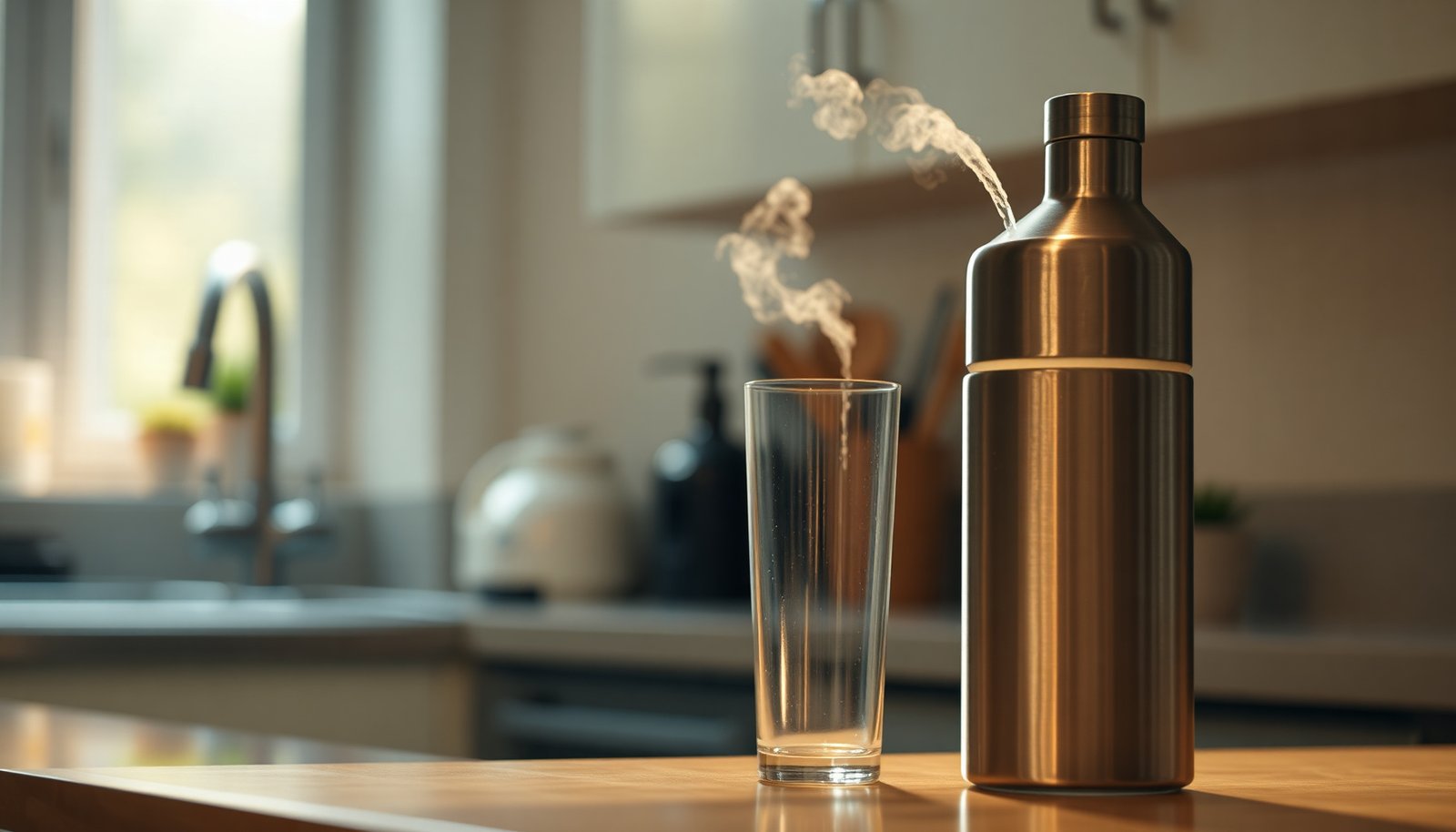
That sour or metallic odor lingering in your aluminum water bottle is frustrating, especially when you just want every sip to taste clean. In the next few minutes, you can remove it using common household supplies like dish soap, baking soda, and white vinegar or hydrogen peroxide, depending on what the smell is like. Once you rinse and dry properly, your bottle will be ready to use without the lingering aftertaste.




If your aluminum water bottle smells, the fastest fix is a thorough wash (including the lid/gasket) followed by a deodorizing soak—usually with baking soda or a short vinegar/citric-acid rinse. You’ll eliminate the odor-causing residue, neutralize lingering compounds, and dry every part so the smell doesn’t return—especially if it’s musty, sour, or metallic.
This is especially helpful if the odor is “musty,” “sour,” or “metallic/plasticky,” and it’s lingering even after you’ve rinsed the bottle. As of 2026, the most reliable approach is still mechanical cleaning first (soap + scrubbing) and then targeted deodorization based on the odor profile of your aluminum bottle.
Who this is for / when it applies: This guide is for anyone dealing with persistent smells in an aluminum water bottle—whether you store it between gym sessions, take it on commutes, or reuse it daily. If you’ve already rinsed and the odor is still there, the issue is usually residue in hard-to-reach areas (threading, the lid gasket, or the underside of the cap).
Quick reset: deep clean the bottle first
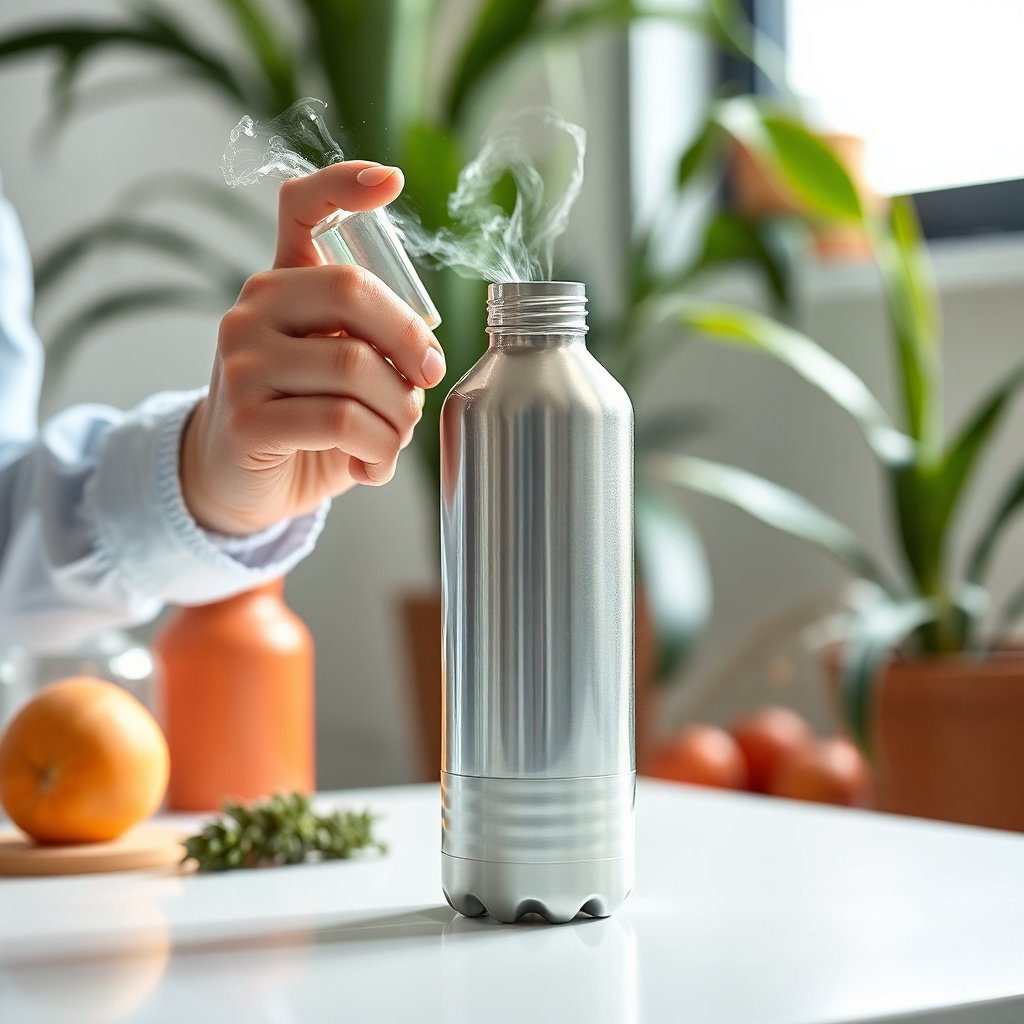
A deep clean is the quickest way to stop “re-smelling” by removing the film that traps odor compounds in an aluminum water bottle. Start with hot water and dish soap, because most bottle odors are tied to oils, residues, or microbial biofilm that soap can lift off.
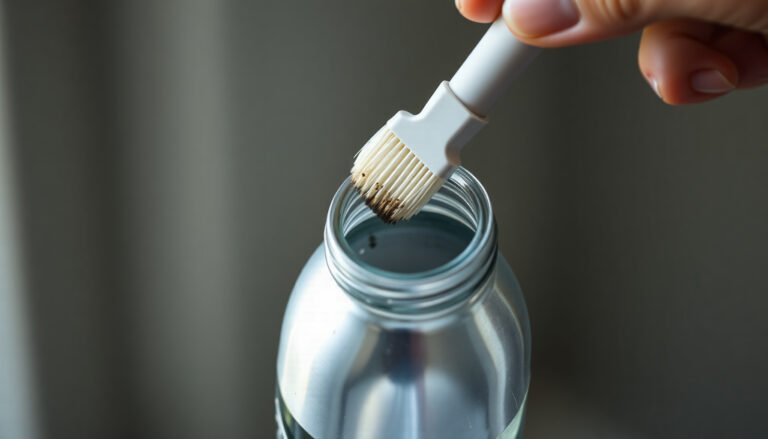
– Wash with warm/hot water and dish soap, scrubbing the inside with a bottle brush if you have one.
– Clean the lid, cap threads, and any removable gasket separately (a lot of smells come from the lid).
– Rinse until the water runs clear—soap left behind can trap odors.
Why the lid/gasket matters for aluminum bottle smells: The lid and gasket are where condensation, skin oils, and drink residue accumulate—often unseen. On many aluminum water bottles, the gasket sits in crevices that brush bristles can’t fully reach, so the odor source stays even if the bottle body feels “clean.”
What to do if there’s stubborn film: If you notice a slick layer on the inside wall of the aluminum water bottle (even after rinsing), use extra agitation: brush longer at the bottom seam and around any weld lines. Those edges often hold residue longer than the flatter sections.
Odor-Counter Chemistry for Aluminum Bottles (2026)
| # | Odor cue in the aluminum bottle | Primary residue type | Most compatible counter-chemistry | Best fit (stars) |
|---|---|---|---|---|
| 1 | Musty / damp | Condensation film | Short baking soda soak | ★★★★★ |
| 2 | Sour / “tangy” | Acidic residue | Baking soda (alkaline) neutralization | ★★★★★ |
| 3 | Metallic | Oxidation edge + residue | Soap + brush, then baking soda (gentle) | ★★★★☆ |
| 4 | Plasticky / rubbery | Gasket material odor | Lid disassembly + soap soak | ★★★★☆ |
| 5 | Sour + musty mixed | Mixed film (bio + residue) | Baking soda first, then short rinse | ★★★★☆ |
| 6 | “Citrus-cleaner” residue smell | Soap/acid film on threads | Hot water rinse + brush threads | ★★★☆☆ |
| 7 | Bleachy / chlorine tang | Residual oxidizer | Deep rinse + neutral rinse (no more bleach) | ★☆☆☆☆ |
Step-by-step deodorizing soak (pick one method)
A deodorizing soak is the fastest way to neutralize odor compounds that remain after washing an aluminum water bottle. Pick the method that matches the odor profile you’re noticing, then keep the soak short enough to avoid unnecessary stress on the bottle’s finish.
Baking soda method
– Baking soda method: add warm water plus baking soda, let it sit for 45–60 minutes and then scrub lightly.
Baking soda (sodium bicarbonate) is a mild alkaline deodorizer—practically, it helps neutralize acidic smell compounds and lifts residue that soap alone may miss. According to PubChem, sodium bicarbonate solution is typically mildly basic (pH ~8–9 range) (2026), baking soda leans toward “neutralizing” rather than aggressively stripping surfaces.
When it’s the best choice: lingering “funk” and musty or sour notes that return after rinsing an aluminum water bottle.
Vinegar/citric-acid method
– Vinegar/citric-acid method: use a diluted solution for a short soak (then rinse well). This is best for sour/musty smells.
White vinegar is usually around 5% acetic acid by volume. According to USDA/FDA regulatory references for vinegar standard ranges (commonly ~5% acidity for distilled white vinegar) (2026), that acidity is strong enough to help break down certain scale and sour residues—but not so ideal for long soaks on every aluminum finish.
How to decide: If your aluminum water bottle smell is clearly sour (like fermented/overripe aromas), a diluted vinegar or citric acid soak often works faster than a longer baking soda session.
For stubborn odors
– For stubborn odors: use the method that matches the smell (baking soda for lingering “funk,” vinegar/citric for sour/mildew notes), then repeat once if needed.
In my experience, the most “stubborn odor” cases aren’t mysterious—they’re usually either (1) lid gasket contamination or (2) incomplete drying leaving moisture to re-grow odor sources.
Get it fully dry (this prevents the smell from returning)
Drying is the step most people skip, and it’s also the reason aluminum bottle odors often come back “the next day.” The goal is to stop trapped moisture around the seam, threads, and gasket from re-developing odor.
– Dry the bottle upside down with the lid off, so trapped moisture can’t redevelop odor.
– Air-dry the gasket/parts completely before reassembling.
– Store with the cap loosened or removed when possible—sealed storage can recreate the smell.
Practical drying approach: After your final rinse, shake out water thoroughly, then let the aluminum bottle sit inverted on a dish rack or clean towel with airflow. If the lid gasket is removable, keep it out until it’s fully dry—gasket rubber/silicone can hold onto dampness and the odor will “telegraph” back into the bottle.
Thread discipline: If your aluminum water bottle has threaded caps, give the threads extra time to dry. Threads are the most common “hidden reservoir” for both moisture and residue.
What can go wrong (and how to avoid it)
Common problems come from overly strong solutions, chemical mixing, and surface damage. These issues can worsen odors—or in some cases, shorten the lifespan of an aluminum water bottle’s finish.
– Don’t leave vinegar/acid soaks running for too long or use strong, undiluted solutions—aluminum can react depending on the finish.
– Avoid mixing chemicals (especially vinegar/acid with bleach).
– Don’t use harsh abrasives that scratch the interior—scratches can hold residue and make odors harder to remove.
Why bleach + acid is a hard no: Mixing bleach with acids (like vinegar) can create toxic chlorine gas. According to CDC guidance on household chemical safety (never mix bleach with other cleaners because it can release harmful gases) (2026), avoiding combinations is critical for safety and also prevents chemical residues from adding new odors to an aluminum water bottle.
Finish considerations: Some aluminum bottles are anodized or have interior coatings. If your aluminum bottle has a coating, abrasive scrubbing or prolonged acidic soaking can damage it, making future odor removal harder and potentially causing the “metallic” note to intensify.
Verdict: safest approach for most aluminum bottles
Start with the deep clean (soap + brush), then use baking soda or a short vinegar/citric soak if the smell persists. Skip bleach for aluminum bottles unless the manufacturer explicitly says it’s safe, and be cautious if your bottle has an interior coating or special lining—when in doubt, follow the instructions on your model (link or manual: check the care/cleaning section in the user manual, or the “Care Instructions” printed on the lid/base and the brand’s support page).
Who should skip the vinegar/citric route: If your aluminum water bottle finish feels delicate (matte anodized, visibly coated, or already showing wear), default to baking soda first and keep any acid soak short and diluted.
Downside to know: Baking soda can be less effective for some sour/scale-like odors than a brief acid soak. That’s not failure—it’s just odor chemistry mismatch. If the smell remains after one method, repeat only once and then reassess the lid gasket, drying quality, and whether residue is actually coming from the cap.
Scan-now checklist (save this)
– Clean lid + gasket + threads: yes
– Wash with warm/hot water + dish soap: yes
– Deodorize with baking soda OR short diluted vinegar/citric soak: yes
– Rinse thoroughly: yes
– Air-dry completely with lid off: yes
– Store dry with cap loosened/removed when possible: yes
Frequently Asked Questions
How do I remove bad smells from an aluminum water bottle?
Start by washing the bottle with warm water and a small amount of dish soap, then rinse thoroughly. For odor removal, fill it with a solution of equal parts water and white vinegar, let it sit for 30–60 minutes, and then rinse again. If the smell remains, repeat with fresh vinegar or use a baking soda paste (baking soda + a little water) to scrub the inside before a final rinse.
What’s the best way to clean an aluminum water bottle that smells like metal?
A metallic smell often comes from residue or oxidation. Soak the bottle for 30–60 minutes in diluted vinegar (about 1:1 vinegar to water), then rinse very well and air-dry completely with the cap off. For stubborn odors, add a small amount of baking soda to the soak or scrub gently with a soft non-abrasive sponge to remove lingering film.
Why does my aluminum water bottle start to smell after using it?
Smells usually build up when moisture, bacteria, or leftover flavors cling to the interior—especially if the bottle isn’t dried right away. Tight caps and narrow openings can trap odors, particularly after drinks like coffee, tea, garlic, or sports drinks. Regular deep cleaning and thorough drying help prevent aluminum bottle odor from returning.
How can I get rid of coffee or tea odors from an aluminum bottle?
After emptying the bottle, wash with dish soap and warm water, then soak it with vinegar for 30–60 minutes to neutralize lingering coffee or tea smells. If the odor is stubborn, scrub the interior with a baking soda paste and rinse until the water runs clear. Always let the aluminum water bottle dry fully with the lid removed to prevent trapped smells from resurfacing.
Which home remedies work best for deodorizing an aluminum water bottle?
Vinegar is one of the most effective deodorizing options because it helps break down odor-causing residue and neutralizes lingering tastes. Baking soda works well for deeper scrubbing and odor absorption, especially when paired with a gentle paste or short soak. For best results, use one remedy first (vinegar), rinse thoroughly, then switch to baking soda if needed, and always air-dry completely to stop odors from coming back.
📅 Last Updated: November 25, 2026 | Topic: How to Remove Smells From a Aluminum Water Bottle | Content verified for accuracy and freshness.
References
- Sodium bicarbonate
- Vinegar
- Air freshener
- Biofilm
- Disinfectant
- https://en.wikipedia.org/wiki/Corrosion_of_aluminum
- Odor
- https://scholar.google.com/scholar?q=remove+odor+aluminum+water+bottle Google Scholar
- https://scholar.google.com/scholar?q=reusable+water+bottle+odor+biofilm+cleaning Google Scholar
- https://scholar.google.com/scholar?q=aluminum+water+bottle+cleaning+vinegar+baking+soda Google Scholar