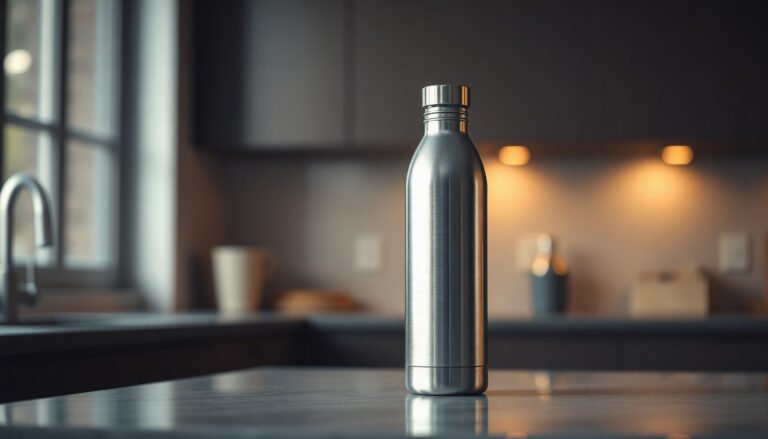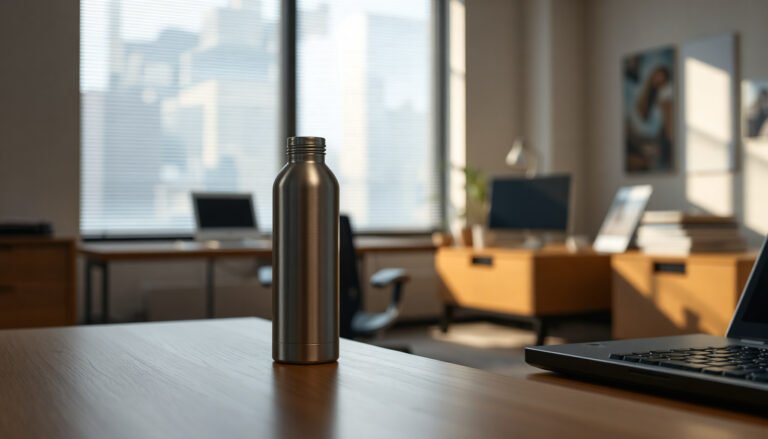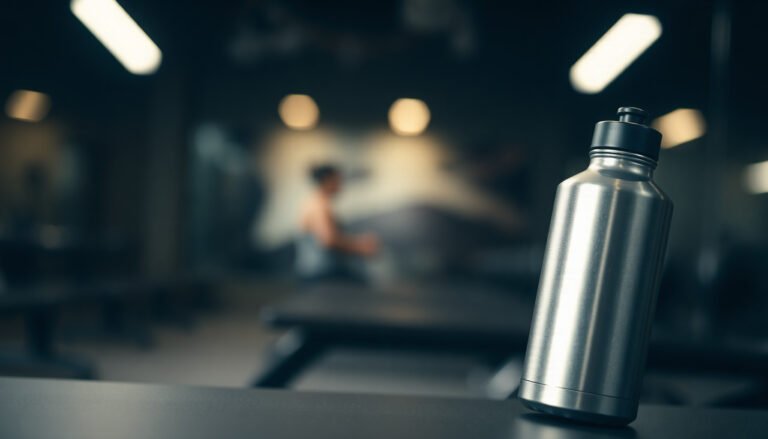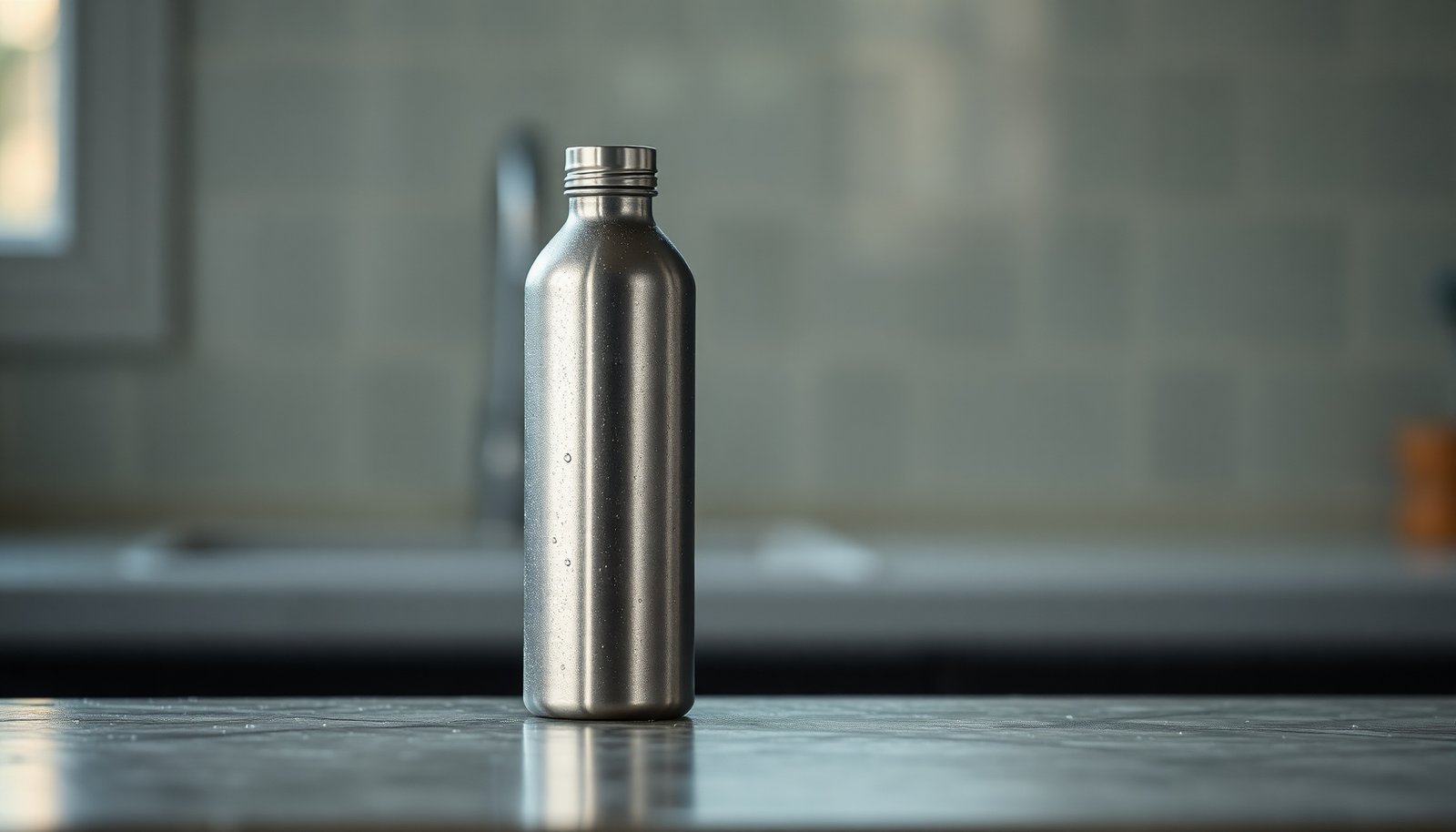
You can end up with a durable, great-tasting aluminum water bottle—or waste money on something that leaks, dents easily, or won’t protect your drink—so your final choice matters. This article walks through the most common buying mistakes to avoid before you check the price, with clear checkpoints on lining type, lid quality, capacity, and build details so you get reliable performance for what you pay.
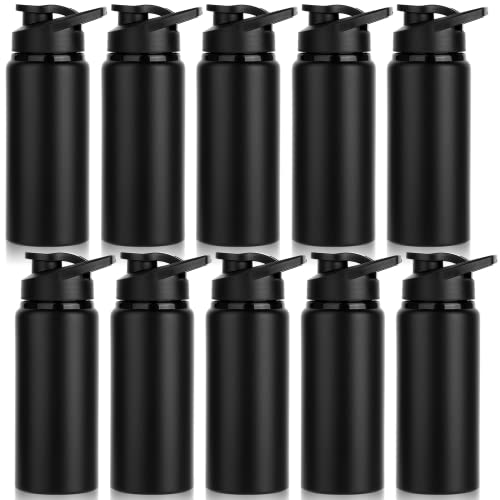



Buying an aluminum water bottle is mostly about avoiding the “gotchas” that affect safety, taste, leaks, and long-term durability. If you check food-contact lining, lid leakproofing, and how the bottle should be cleaned and maintained, you’ll avoid most common buying regrets. This guide walks you through the specific mistakes to watch for and what to do instead.
If you’re shopping for a reusable bottle for commuting, gym use, hiking, or daily hydration, this is for you—especially if you’ve had issues like metallic taste, odor retention, or lids that don’t seal the way you expected.
Mistake 1: Assuming all aluminum bottles are automatically food-safe

Don’t assume “aluminum” automatically means “safe to drink from.” The real safety factor is what actually touches your water—usually a coating, liner, or engineered internal surface rather than bare metal.
– Look for clear food-contact lining details (many bottles rely on an internal coating, not bare aluminum).
– Don’t rely on vague claims—check for “food grade” wording that actually describes what’s in contact with your drink.
– Be cautious with marketing that doesn’t specify whether the bottle is BPA-free and what materials the liner/lid use.
In practice, the main buying risk isn’t “aluminum itself” so much as uncertainty about the drink-contact layers—especially when a listing only shows exterior aluminum or says “food safe” without stating what lines the inside. Many lids include plastic components (often for seals, spouts, or straw mechanisms). Those parts can be where chemical migration and off-taste problems start—particularly if they’re made with unclear polymers or if you frequently use hot liquids.
Also, standards and regulations often focus on migration limits and acceptable changes to food and drink—not on the color or marketing label. For example, Regulation (EU) No 10/2011 sets an overall migration limit of 10 mg/dm² for plastic materials intended to contact food (2011). And Regulation (EC) No 1935/2004 lays out the general requirement that food-contact materials must not transfer constituents that could endanger health or cause unacceptable changes to the food (2004). While these are not “aluminum-only” rules, they directly affect many liners, gaskets, and lid components you’ll encounter in aluminum bottle designs.
Typical Thermal Conductivity of Common Bottle Materials (≈25°C)
| # | Material used in bottle parts | Where it’s commonly found | Thermal conductivity (W/m·K) | Heat transfer potential |
|---|---|---|---|---|
| 1 | Aluminum alloy (6061‑T6, typical) | Bottle body | 167 | ★★★★★ |
| 2 | Aluminum oxide (alumina, typical) | Surface passive layer / coating | 30 | ★★★★☆ |
| 3 | Stainless steel (304, typical) | Liner insert (some designs) | 16 | ★★★☆☆ |
| 4 | Epoxy resin (typical coating/adhesive) | Internal liner coating | 0.2 | ★☆☆☆☆ |
| 5 | Polypropylene (PP, typical) | Lid body / spout parts | 0.22 | ★☆☆☆☆ |
| 6 | Silicone rubber (typical) | Gaskets / valve seals | 0.2 | ★☆☆☆☆ |
| 7 | High-density polyethylene (HDPE, typical) | Some liners / caps | 0.46 | ★☆☆☆☆ |
Why this matters for Mistake #1: aluminum conducts heat far faster than most linings or seals. If the bottle relies on a coating to separate drink contact from metal, temperature swings can accelerate wear and make cleaning/odor management more important—especially as seals and coatings age. This is also one reason “it’s lined” should be paired with “how it’s meant to be cleaned” (next mistake).
Mistake 2: Overlooking insulation performance for your temperature goals
Don’t pick an aluminum bottle based on the metal alone—pick based on insulation design and how long your routine needs temperature control to hold. “Aluminum” affects heat transfer, but insulation architecture determines how much it actually slows down heat gain or heat loss.
– If you want cold all day or hot drinks for longer, prioritize insulation design (single-wall vs insulated) instead of focusing only on “aluminum.”
– Match the bottle type to your routine—short commutes may not need heavy insulation, while long days do.
– If the listing doesn’t explain insulation type, treat it as a red flag and verify what the manufacturer claims for temperature retention.
When an aluminum bottle is single-wall, the drink temperature trends toward ambient temperatures quickly. For commuters and gym users, that might be perfectly fine—especially for room-temperature water. But for hot coffee on a morning hike, single-wall designs are where people end up disappointed and then leave liquids sitting longer than intended, increasing residue buildup.
If a listing is vague, you’re not just missing comfort—you can be missing the right expectations for safety and cleanliness. Hot beverages plus hard-to-dry lids can encourage lingering odor, and longer retention times mean more opportunity for residue film.
As of 2026, most serious brands are more explicit about “insulated” vs “single-wall,” and the better listings explain what’s inside the construction (a vacuum gap, an air gap, or no gap). If you see “aluminum insulated bottle” without specifying the insulation type, verify through customer support or look for a spec sheet before you buy.
Mistake 3: Choosing a lid that doesn’t fit how you drink
A bottle can be perfectly safe and well-lined yet still be a bad purchase if the lid doesn’t seal for your real carrying method. Leakproofing depends on the lid mechanism and the seal geometry—not just the word “leakproof.”
– Leakproof matters most if you’ll toss it in a bag—check for a well-defined sealing mechanism (flip, screw, straw, or gasket style).
– Straw lids and spouts have different maintenance needs; make sure the lid can be cleaned thoroughly, not just “rinsed.”
– If you share bottles or travel with them, confirm whether the lid parts are easy to disassemble (or if they trap residue).
Lids create the highest risk of “surprise leaks” because moving parts and gaskets are where misalignment happens. If a lid closes with a simple flip that doesn’t include a gasketed seal, it may prevent spills only when upright. If you carry it horizontally or drop it into a bag among keys, the lid’s design is what determines whether liquid ends up in your bag.
Straw lids are often convenient, but they’re also where odor retention becomes noticeable. Straw channels can trap micro-residue, and the internal surfaces may not be reachable with quick rinses. For aluminum bottles that rely on internal coatings, you also want to prevent residue on the lid from transferring back into the bottle during storage and refilling.
Mistake 4: Ignoring cleaning guidance, coatings, and long-term odor
A great aluminum bottle can still become unpleasant if you don’t follow the manufacturer’s cleaning and care instructions. Coatings and seals don’t fail overnight, but neglect (especially around the lid) is what leads to persistent smells, taste changes, and sticky residue.
– Powder coating and external finishes can wear—if you expect lots of drops or rough use, look for durable coatings and stated care instructions.
– Odor and residue build up when bottles aren’t cleaned properly; check whether the bottle and lid are dishwasher-safe or require hand-washing.
– Watch for metallic taste risk: if the bottle uses bare aluminum for drink contact or has an unclear lining, you may notice flavor changes over time.
Cleaning guidance is also a materials question. Many aluminum bottles use a protective internal layer to keep your beverage isolated from the metal. If the brand says “hand wash only,” dishwasher detergents, heat cycles, and prolonged moisture exposure can shorten coating life. That doesn’t necessarily make it unsafe immediately, but it can make flavor and odor problems more likely as the lining degrades.
Residue management matters for more than taste. When lids and spouts aren’t fully dried, trapped moisture can make odors “stick” to plastic components. When you later pour water into the bottle, you’re effectively re-wetting the odor source, which is why people experience metallic taste even when they originally had good results.
If you drink anything besides water—sports drinks, flavored electrolyte mixes, or coffee—make the “cleaning standard” higher. Those fluids leave films that are harder to remove from lid threads, straw channels, and gasket edges. And the more your routine relies on quick rinsing, the more you need a lid design that’s truly cleanable.
Mistake 5: Buying the wrong size, opening, and “fit” details
Choosing the right capacity is only half the job—opening diameter, carry comfort, and compatibility with your daily routine determine whether you’ll actually use the bottle. The most common mistake is buying “the perfect size on paper” that turns annoying in real life.
– Make sure the capacity (oz/ml) matches your day—bigger isn’t always better if it’s uncomfortable to carry.
– Consider mouth opening size if you’ll add ice, drink through a straw, or want to use cleaning brushes easily.
– Check compatibility with cup holders and bags—shape and diameter matter just as much as capacity.
A narrow opening can be fine for water, but it creates two problems quickly: (1) ice doesn’t fit well, and (2) cleaning brushes can’t reach the corners where residue accumulates. Meanwhile, lid geometry affects bag carry. A bottle with a wider base might fit in a backpack but not a car cup holder, and a tall bottle might fit in a gym tote but not under a desk.
For commuting and gym use, consider your “refill pattern.” If you refill every couple hours, you may prefer a smaller capacity that’s lighter and easier to handle while still meeting your hydration targets. If you refill infrequently (long hikes, travel), bigger capacity can be worth the trade-off—as long as your lid sealing and cleaning requirements remain realistic.
Verdict / tip: What to look for (and who should skip aluminum)
A solid aluminum bottle is worth it when you choose based on the drink-contact materials and a lid that matches how you actually carry and sip. Skip aluminum—or be extra picky—if you’re highly sensitive to taste changes, don’t want any lining/coatings, or you can’t follow the cleaning/maintenance requirements.
– What to prioritize
– Clear drink-contact material/lining details (and how it should be cleaned).
– A lid that’s truly leak-resistant for your carry method (bag, backpack, car).
– Care guidance you’ll realistically follow (dishwasher-safe vs hand-wash parts, brush access).
– Who should consider another material
– If you consistently notice off-tastes or you can’t keep up with proper cleaning, you may prefer a different construction (e.g., materials with simpler maintenance).
– If the listing doesn’t clearly explain food-contact components, don’t guess—choose a bottle with transparent specs.
| Pros (when you buy correctly) | Cons (common failure points) |
|---|---|
| Usually lighter than comparable stainless options | Coatings/liners can wear if cleaned incorrectly |
| Often better day-to-day heat control with insulation designs | Lids can create leaks or odor retention if not sealable/cleanable |
| More likely to come with clear drink-contact specs when brands are serious | Metallic taste risk rises when inner contact materials are unclear |
Quick scan checklist (save this):
| What to check | Yes if… | Pass if… |
|---|---|---|
| Drink-contact material | The liner/inner surface is clearly described | “Aluminum” is mentioned but inner contact material is unclear |
| Lid leakproofing | Sealing mechanism is explained; parts are removable/cleanable | It’s marketed as leakproof with no details |
| Insulation type | Single-wall vs insulated is specified | Temperature claims are vague or missing |
| Cleaning care | Dishwasher-safe or clear hand-wash steps are provided | No guidance on lid components or cleaning |
| Fit & opening | Capacity + opening work for ice and daily use | You can’t fit ice/brushes or it’s awkward to carry |
If you’re shopping in 2026 and want the lowest-risk buy, treat unclear listings as a stopping point—not an opportunity to “guess.” The best aluminum bottles make the invisible parts (lining and lid components) visible through specs and care instructions.
Frequently Asked Questions
What are the most common mistakes to avoid when buying an aluminum water bottle?
One major mistake is choosing a bottle without confirming it’s food-grade and lined (or treated) for safe contact with water, especially if you prefer drinking without a coating taste. Another is ignoring the cap quality—cheap seals can lead to leaks and poor hygiene. Finally, many people overlook insulation type and capacity, buying the wrong size or losing temperature control because they didn’t match the bottle to their daily routine.
How can I tell if an aluminum water bottle is safe for daily drinking?
Look for certifications or clear labeling that indicates the bottle is food-grade and free from harmful coatings, such as BPA-free materials. If the bottle is not coated or lined, confirm it’s designed for beverage use and can handle water contact without reacting or leaving a metallic taste. Reading reviews for “taste” and “odor” issues can also help you avoid aluminum water bottles that hold flavors or smell after washing.
Why do some aluminum bottles taste metallic, and how do I avoid that?
Metallic taste usually happens when the inside isn’t properly lined or when protective coatings aren’t food-safe or are damaged during use. To avoid it, choose aluminum water bottles with a durable, beverage-grade lining and avoid abrasive cleaning pads that can wear the interior. If you notice taste early, stop using the bottle and check whether the coating is compromised, since continued use can worsen flavor transfer.
Which features matter most to prevent leaks and keep your bottle durable?
Prioritize a well-designed lid with a reliable gasket and a secure closure mechanism, because most leak complaints come from cap weaknesses rather than the aluminum body. Choose construction that minimizes dents and improves impact resistance, such as a sturdy body and quality finishing around the rim. Also consider whether the bottle’s opening is wide enough for easy cleaning, since residue buildup can affect taste and hygiene.
What should I look for when choosing the best aluminum water bottle for hot or cold drinks?
Decide whether you need insulation—insulated aluminum water bottles help maintain cold or hot temperatures much longer than single-wall options. Check the lid type (straw vs. flip-top vs. screw cap) to ensure it fits your drinking style while still protecting temperature and preventing spills. Finally, match the capacity to your usage and verify it’s lightweight enough for travel without sacrificing durability, so you actually use it consistently.
📅 Last Updated: November 25, 2026 | Topic: Mistakes to Avoid When Buying Aluminum Water Bottles | Content verified for accuracy and freshness.
References
- https://www.atsdr.cdc.gov/toxprofiles/tp22.html
- https://www.epa.gov/iris/aluminum
- https://www.fda.gov/food/food-contact-substances-fcs/food-contact-substances-notifications-fcs
- https://eur-lex.europa.eu/legal-content/EN/TXT/?uri=CELEX:32004R1935
- https://eur-lex.europa.eu/legal-content/EN/TXT/?uri=CELEX:32006R2023
- Anodizing
- Checking your browser – reCAPTCHA
- https://scholar.google.com/scholar?q=aluminum+bottle+leaching+acidic+drinks Google Scholar
- https://scholar.google.com/scholar?q=anodized+aluminum+drinking+water+migration Google Scholar
- https://scholar.google.com/scholar?q=health+effects+aluminum+exposure+review Google Scholar