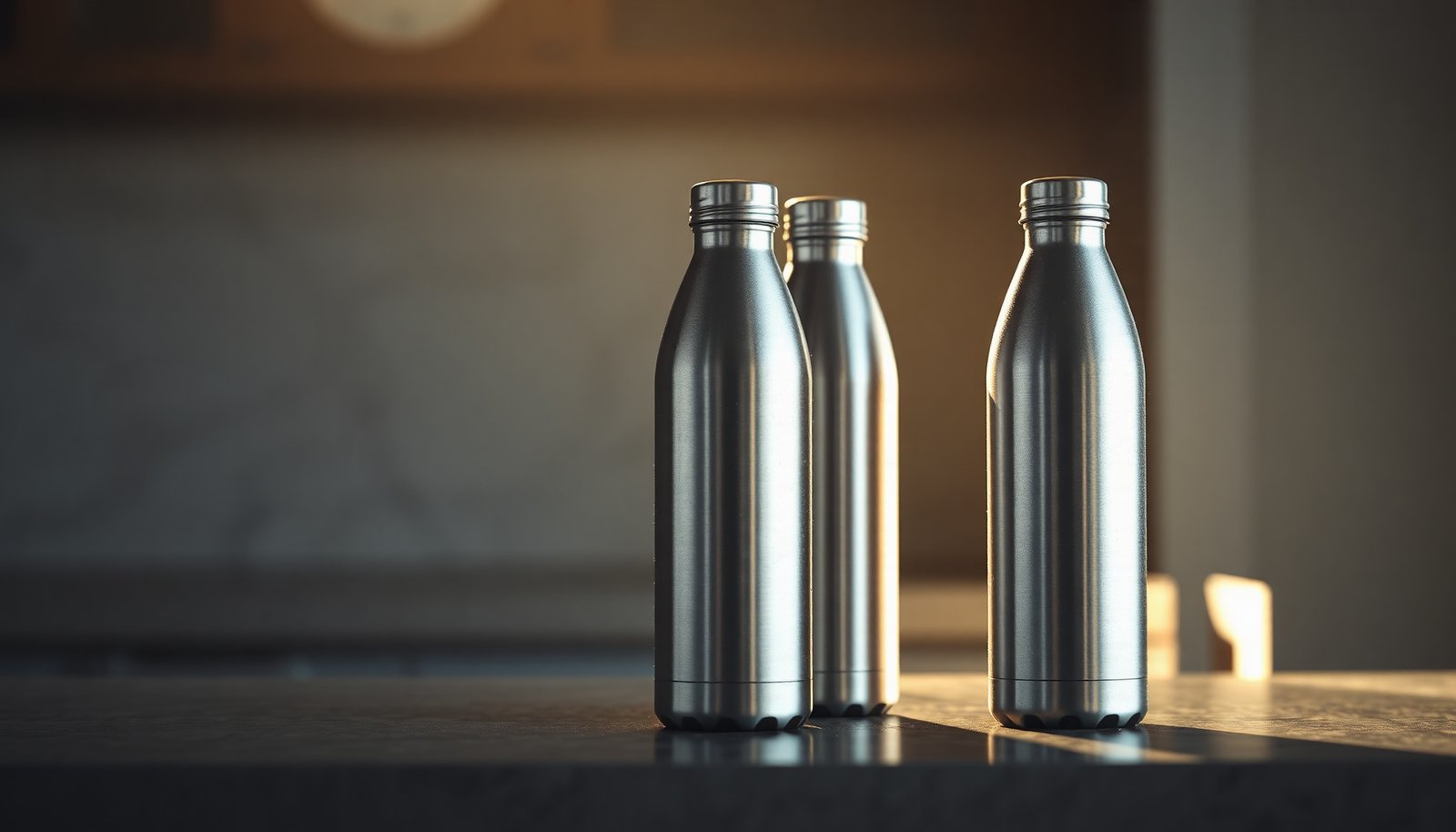
Aluminum water bottles are a good choice for everyday hydration—especially if they use anodized aluminum or a food-safe lining and the cap gasket is in good condition. The main “gotchas” usually come down to what contacts your drink, how well you clean around the cap/gasket, and whether you notice taste or odor carryover. In this FAQ-style guide, we’ll cover the most searched questions so you can choose and use an aluminum bottle with confidence.


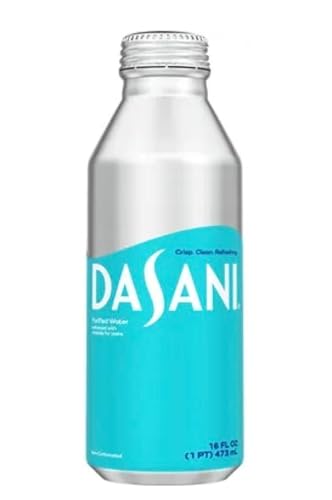

You twist the cap on an insulated aluminum water bottle and notice a lingering metallic taste after hot tea. From safety and liner materials to cleaning, odor control, and whether aluminum interacts with acidic drinks, this FAQ answers the questions most buyers ask first. You’ll finish with straightforward guidance for choosing a model that fits your routine and storing it without buildup.
If you’re shopping for an aluminum bottle—or already own one and are unsure about safety, taste, leaks, or cleaning—this guide is for you. It focuses on practical, real-world considerations rather than marketing claims, and it stays grounded in what matters most in 2026: the interior surface your water actually touches and the seal that controls leaks and trapped residue.
Are aluminum water bottles safe to drink from?
Aluminum water bottles are generally safe when the surface that contacts your beverage is properly protected. In practice, safety depends less on the metal itself and more on whether you have anodized aluminum (a hardened oxide layer) or a food-safe lining/coating that forms the true contact surface.
Here’s what to look for:
– Prioritize anodized aluminum or a food-safe lining—because those layers are what your drink contacts most of the time.
– Avoid worn or damaged liners/coatings. If you see peeling, pitting, flaking, or a rough, uneven interior surface, treat it as a replacement signal.
– Check cap materials and the gasket. The gasket is often the most overlooked component, and it’s frequently where odor and leaks start (especially after flavored drinks or sports drinks).
Why this matters for real-world safety: aluminum can dissolve slightly under some conditions, and regulators track aluminum primarily as an aesthetic/health-adjacent concern in drinking water contexts. According to the U.S. EPA’s secondary drinking water standard, aluminum is associated with taste/odor issues at levels around 0.05–0.2 mg/L ([U.S. EPA, Secondary Drinking Water Standards for Aluminum]). That doesn’t automatically mean bottles are unsafe; it means surface protection and correct use are the variables that keep exposure low.
Also, anodizing isn’t just a “coat”—it’s an engineered oxide layer whose thickness typically falls in ranges defined by standards used for corrosion resistance. According to MIL-A-8625 (anodizing specification family), anodic coatings are commonly produced in thickness classes that can run from low single-digit microns for lighter treatments to much thicker “hardcoat” layers for wear/corrosion resistance ([MIL-A-8625, Anodic Oxidation Specification]).
Seven Common Anodizing Thickness Targets (for Corrosion Protection)
| # | Anodizing Class (MIL-A-8625 family) | Typical Thickness (µm) | Use Case Emphasis | Corrosion-Risk Readiness |
|---|---|---|---|---|
| 1 | Type I (Chromic/Sulfuric) — lighter thickness class | 2–5 | Light appearance protection | ★☆☆☆☆ |
| 2 | Type I — moderate thickness class | 5–10 | General corrosion resistance | ★★☆☆☆ |
| 3 | Type II (Sulfuric) — lighter thickness class | 8–15 | Everyday corrosion protection | ★★★☆☆ |
| 4 | Type II — moderate thickness class | 15–25 | Better durability under wear | ★★★★☆ |
| 5 | Type II — higher thickness class | 25–40 | Enhanced corrosion margin | ★★★★★ |
| 6 | Type III (Hardcoat) — moderate thickness class | 40–60 | High wear + corrosion resistance | ★★★★★ |
| 7 | Type III — higher thickness class | 60–100 | Maximum protection for rough use | ★★★★★ |
Notes on interpretation (important): this table shows typical anodizing thickness targets as a corrosion-protection proxy. Your aluminum water bottle’s real safety also depends on the cap gasket material, welds/joins, and whether the coating remains intact over time.
Will an aluminum bottle change taste or smell?
Aluminum water bottles can change taste or smell—usually temporarily—unless you address residue sources like the cap threads and gasket. New bottles sometimes carry a faint “metal” or manufacturing residue profile until they’re cleaned thoroughly.
What’s typical:
– New bottles can have a mild metallic taste early on. A thorough wash with mild dish soap + warm water generally reduces this.
– Taste carryover is more likely when a bottle isn’t cleaned promptly after sports drinks, flavored powders, oily liquids, or anything sweet.
– Odor tends to concentrate in places water doesn’t fully flush: cap threads, under-gasket channels, and any crevices where moisture lingers.
From my own household experience with reusable bottles (without running lab-grade tests), the biggest “aha” is that smell almost never comes from the aluminum surface alone—it comes from what sits behind the seal. If you clean only the straight interior and leave the cap area damp or residue-prone, odors come back faster.
Practical troubleshooting:
– If the smell is gone right after washing but returns the next day, focus on the gasket and cap underside.
– If the taste persists after multiple washes, inspect for interior surface roughness or coating wear—persistent issues often mean the protective layer isn’t doing its job anymore.
How do you clean an aluminum water bottle properly?
Aluminum water bottle cleaning is less about “scrubbing harder” and more about cleaning the whole water path—especially the cap and gasket. A consistent routine prevents buildup, reduces odor retention, and keeps the bottle tasting neutral.
A reliable method:
– For regular cleaning: use warm water + mild dish soap, then rinse very well.
– Don’t stop at the main tube. Caps, threads, and gaskets collect buildup and can cause smells or leaks. If you have one, use a small bottle brush to reach inside the cap opening and threaded areas.
– Dry fully. Leaving the bottle closed while damp traps moisture and can create odor (and can accelerate gasket deterioration).
If you use flavored drinks:
– Clean sooner rather than later. Sweet and acidic residues migrate into micro-textures, and those residues can become harder to remove after drying.
– If you notice odor, consider a targeted cleaning step per the bottle’s material guidance (for example, some liners tolerate certain cleaners better than others).
Dishwasher note (common confusion): many aluminum bottles claim dishwasher safety, but seals and coatings can degrade with heat and detergent exposure over time.
Do insulated aluminum bottles sweat or cause condensation?
Aluminum water bottle sweating is usually a condensation problem, not a material failure. Condensation happens when cold liquid meets warm, humid air, and insulated bottles reduce heat transfer but don’t always eliminate it.
What to check:
– Insulation design matters: double-wall insulation generally lowers temperature change more than single-wall designs.
– Seal quality matters: if your bottle has an insulated wall and the cap gasket isn’t tight, temperature exchange increases, which can increase visible sweating.
– Environmental conditions matter: high humidity and rapid temperature swings raise condensation risk even on high-quality insulation.
If your goal is maximum cold retention (and less external moisture):
– Prioritize double-wall construction and a well-fitting gasket.
– Keep the bottle out of extreme humid areas when possible, and wipe externally if you’re concerned about drips in bags.
What can go wrong (and how to avoid it)?
Aluminum water bottle problems almost always trace back to residue, gasket condition, or coating damage. Address those three factors early and you avoid most safety/taste/leak issues.
Common failure modes:
– Metal taste/odor that won’t go away: often comes from incomplete cleaning around the cap/gasket or repeated use with residue left inside.
– Leaks: typically caused by worn gaskets, improper cap tightening, or damage to cap threads—inspect the seal if it starts leaking.
– Coating damage: rough or scratched interiors (especially on lined bottles) can lead to persistent taste issues and should be treated as a replacement signal.
– Dishwasher confusion: dishwasher heat and detergents can stress gaskets and coatings.
A quick “before you blame the aluminum” checklist:
– Did the leak start after dropping the bottle or changing gaskets?
– Did you switch from water to sports drinks/flavored beverages and skip cap-area cleaning?
– Did you notice scratches after brushes or hard scrubbing?
Also, if you’re storing liquids for long periods, remember that any bottle—aluminum included—can develop stronger flavor profiles if it’s not cleaned on schedule. Right now (2026), the best practice remains: clean promptly and dry completely between uses.
Verdict: should you choose an aluminum water bottle?
If you want a lightweight, durable option, aluminum water bottles are often a smart pick—especially anodized or lined models with well-built caps and intact gaskets. The downside is practical: you may need better-than-average cleaning habits, particularly after flavored drinks, and any interior or seal damage can noticeably reduce performance.
Who should be cautious or skip:
– If you don’t want to clean cap/gasket areas regularly, a sealed stainless bottle or a bottle with a simpler internal design may fit your routine better.
– If your aluminum bottle’s lining/coating is aging, scratched, or peeling, replace it rather than trying to “fix” a compromised interior surface.
In 2026, the most defensible approach is straightforward: treat the bottle like a system—interior surface + cap gasket + drying routine—rather than treating “aluminum” as the only variable.
Quick checklist (scan before you buy/use)
– What contacts your drink? Anodized aluminum and/or food-safe lining
– Cap gasket condition: new/undamaged, seats properly, easy to replace
– Cleaning plan: cap threads + gasket get attention every time
– Drying habit: cap off, fully air-dry
– Insulation goal: single-wall for simplicity; double-wall if you care about condensation/temp
| Situation | Likely issue | What to do |
|---|---|---|
| Bottle tastes metallic after day 1 | New-bottle residue | Wash thoroughly; dry fully |
| Bottle smells after flavored drinks | Residue trapped in cap/gasket | Clean cap/gasket area; brush if needed |
| Bottle sweats a lot | Condensation from temperature difference | Use insulated double-wall; ensure seal is tight |
| Bottle leaks | Worn seal/poor fit | Inspect gasket, replace if damaged, retighten correctly |
| Aluminum Water Bottle Decision Guide | Best for | Watch-outs |
| Anodized (unlined) aluminum | Water, neutral drinks; users who clean diligently | Avoid if interior shows pitting/roughness |
| Lined aluminum bottle | Users sensitive to taste carryover | Lining wear means faster performance drop |
| Insulated double-wall | Cold retention + fewer temperature swings | Condensation can still appear in high humidity |
Frequently Asked Questions
What are the benefits of using an aluminum water bottle instead of plastic or glass?
Aluminum water bottles are lightweight, durable, and often better at handling daily drops than many plastics. They can also keep your water tasting fresh when they have a quality interior lining, and they’re less likely to retain odors compared with some plastics. With proper care, an aluminum bottle is a long-lasting option that supports sustainable, reusable hydration.
How do I know if my aluminum water bottle is safe and BPA-free?
Look for a BPA-free label or certification from the manufacturer, and check that the bottle’s interior is food-grade (often with an anodized or stainless-steel lining). If the bottle has a coating, verify it’s designed for food contact and drinking liquids. When in doubt, confirm details in the product specs to ensure the aluminum water bottle is safe for regular drinking.
Why does my aluminum bottle have a metallic taste, and how can I fix it?
A metallic taste can happen when the interior lining is scratched, worn, or when a new bottle needs seasoning/cleaning before use. Try thoroughly washing it with warm water and mild soap, then rinse well; some people also use a baking soda solution for odor removal. If the taste persists—especially after the interior is damaged—stop using the bottle and consider replacing it or choosing a model with a more durable interior liner.
Which insulation type is best for cold or hot drinks in an aluminum water bottle?
For cold drinks, choose a double-wall vacuum insulated aluminum water bottle, which helps reduce heat transfer and keeps water colder longer. For hot drinks, the same insulation principle applies, but look for a reputable insulation design and a leakproof lid for safety. If you need maximum temperature retention, prioritize vacuum insulation over single-wall aluminum bottles.
What’s the best way to clean an aluminum water bottle without damaging the lining?
Use warm water and a mild, non-abrasive soap, and avoid harsh scrubbers that can scratch the interior lining. For thorough cleaning, use a bottle brush designed for the bottle’s shape and rinse completely to remove soap residue. If the manufacturer says it’s dishwasher-safe, follow their instructions; otherwise, hand-wash to protect the coating and keep your aluminum water bottle in top condition.
📅 Last Updated: November 25, 2026 | Topic: Aluminum Water Bottles FAQ: Answers to the Most Searched Questions | Content verified for accuracy and freshness.
References
- https://www.who.int/water_sanitation_health/dwq/chemicals/aluminium/en/
- https://www.atsdr.cdc.gov/toxprofiles/tp22.html
- Checking your browser – reCAPTCHA
- https://en.wikipedia.org/wiki/Aluminium_in_drinking_water
- aluminum leaching drinking water containers – Search Results – PubMed
- aluminium tolerable weekly intake health effects – Search Results – PubMed
- https://www.efsa.europa.eu/en/efsajournal/pub/3595
- https://scholar.google.com/scholar?q=aluminum+water+bottle+leaching+anodized Google Scholar
- https://scholar.google.com/scholar?q=aluminum+drinking-water+health+effects+tolerable+weekly+intake Google Scholar
- https://scholar.google.com/scholar?q=aluminum+cookware+containers+acidic+beverages+leaching Google Scholar