Why do aluminum water bottles develop lingering odors or tiny pits even after you rinse them? It almost always comes down to trapped moisture, leftover residue, and storing them sealed or in humid conditions. You can prevent most damage with a quick routine—wash, rinse, dry thoroughly (cap off), and store upright in a cool, breathable spot—usually in under 10 minutes with a soft brush and a drying rack.




Store aluminum water bottles only after they’re fully dry and thoroughly cleaned, ideally with the cap off so air can circulate. When you keep them cool, dry, and out of direct sunlight, you reduce both corrosion risk and the “stale” smells that can linger after commuting, workouts, or outdoor trips.
If you use aluminum bottles for commuting, workouts, or outdoor trips—and you’ve noticed odd smells, discoloration, or a “metallic” taste—this is for you. It also applies if you rotate bottles seasonally or stash one in a bag for long stretches.
Prep your aluminum bottle before storing
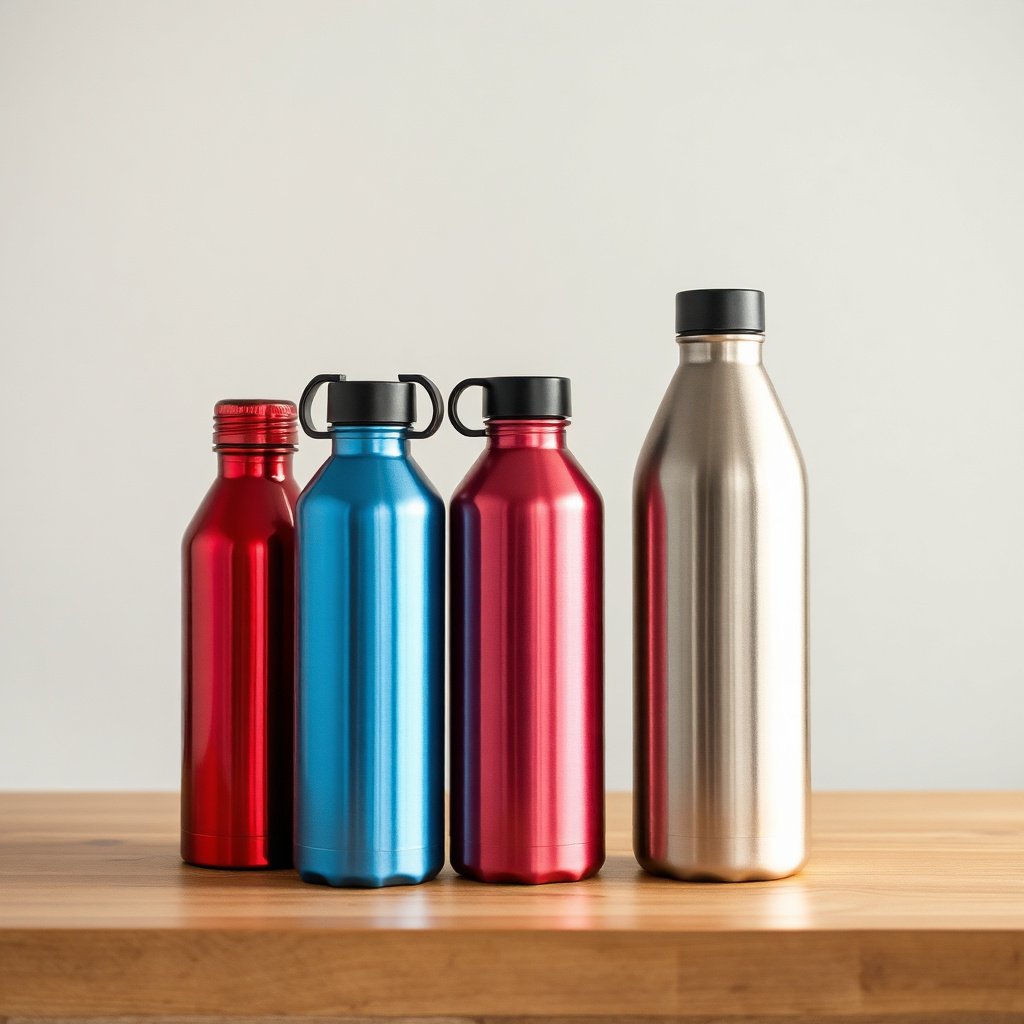
Prep your bottle right away so residues can’t sit against the aluminum surface while it’s stored. The fastest way to prevent both odor and corrosion problems is to empty, rinse, and clean all removable parts before you ever set the bottle aside.
Empty and rinse immediately (especially after “sticky” drinks)
Empty the bottle completely and rinse after use, particularly if it held anything acidic (citrus, sports drinks) or sugary (sweetened tea, flavored water). These liquids leave behind residues that can:
– hold onto moisture in tiny crevices, and
– create conditions that encourage oxidation and taste changes over time.
Clean the cap, threads, and gaskets as separate zones
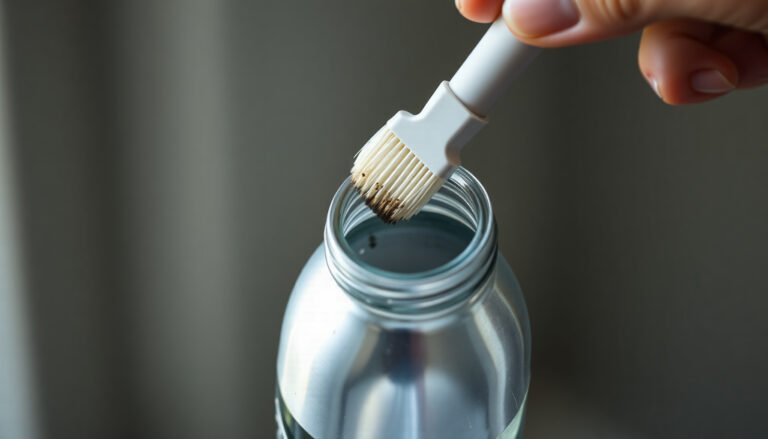
Caps and threads are where residue and moisture commonly “hide,” because they don’t air-dry as easily as the open bottle body. Clean the cap, threads, and any gaskets separately so breakdown isn’t trapped in:
– threaded grooves (where diluted residue can remain), and
– gasket edges (where water can cling and later cause musty odors).
According to the U.S. CDC, mold can begin growing on damp surfaces within 24–48 hours after water exposure (CDC). While your bottle isn’t a building material, the core idea applies: trapped moisture accelerates unpleasant microbial growth that translates into lingering smells.
Prevent trapped moisture by disassembling
Let all parts separate (bottle, lid, gasket) so nothing traps moisture. Even “lightly damp” components are enough—especially around threads and seals. When you keep parts together, cap-on storage can create a closed microclimate where humidity stays high long after rinsing.
Drying and cleaning routine that prevents buildup
A solid drying routine matters as much as cleaning. If your bottle is still damp inside—particularly near the opening and threads—odor becomes more likely and corrosion can progress faster.
Wash thoroughly, then rinse until the slick film is gone
Wash with warm water and a mild dish soap; then rinse until there’s no slick film left behind. Residual surfactants from soap can also contribute to taste changes when the bottle is reused later.
Air-dry correctly (cap off, opening down)
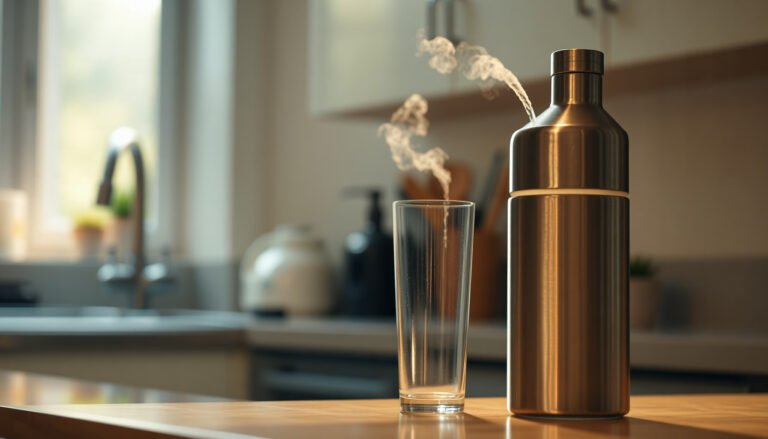
Air-dry with the opening facing down and the cap off (or removed). This orientation helps water drain away from the mouth and reduces standing droplets in the neck—an important detail for long-term storage.
As of 2026, many consumer bottles include multi-material lids (plastic + silicone + metal components). That makes drying discipline more important, because each material can hold moisture differently, and odor can “transfer” between them once the bottle is sealed again.
Don’t mask odors—remove the cause
If you notice lingering odors, re-wash and dry longer rather than “air freshening” the bottle. Odor in stored aluminum containers is usually a combination of residue + trapped moisture. “Fresh air” alone often isn’t enough because the source (residue film or moisture-retaining gasket) remains.
Choose storage conditions that reduce corrosion
The best storage conditions are simply cool, dry, and well-ventilated. These choices slow down surface reactions and help prevent both corrosion and musty smells that build up when humidity stays elevated.
Reduce humidity and damp hotspots
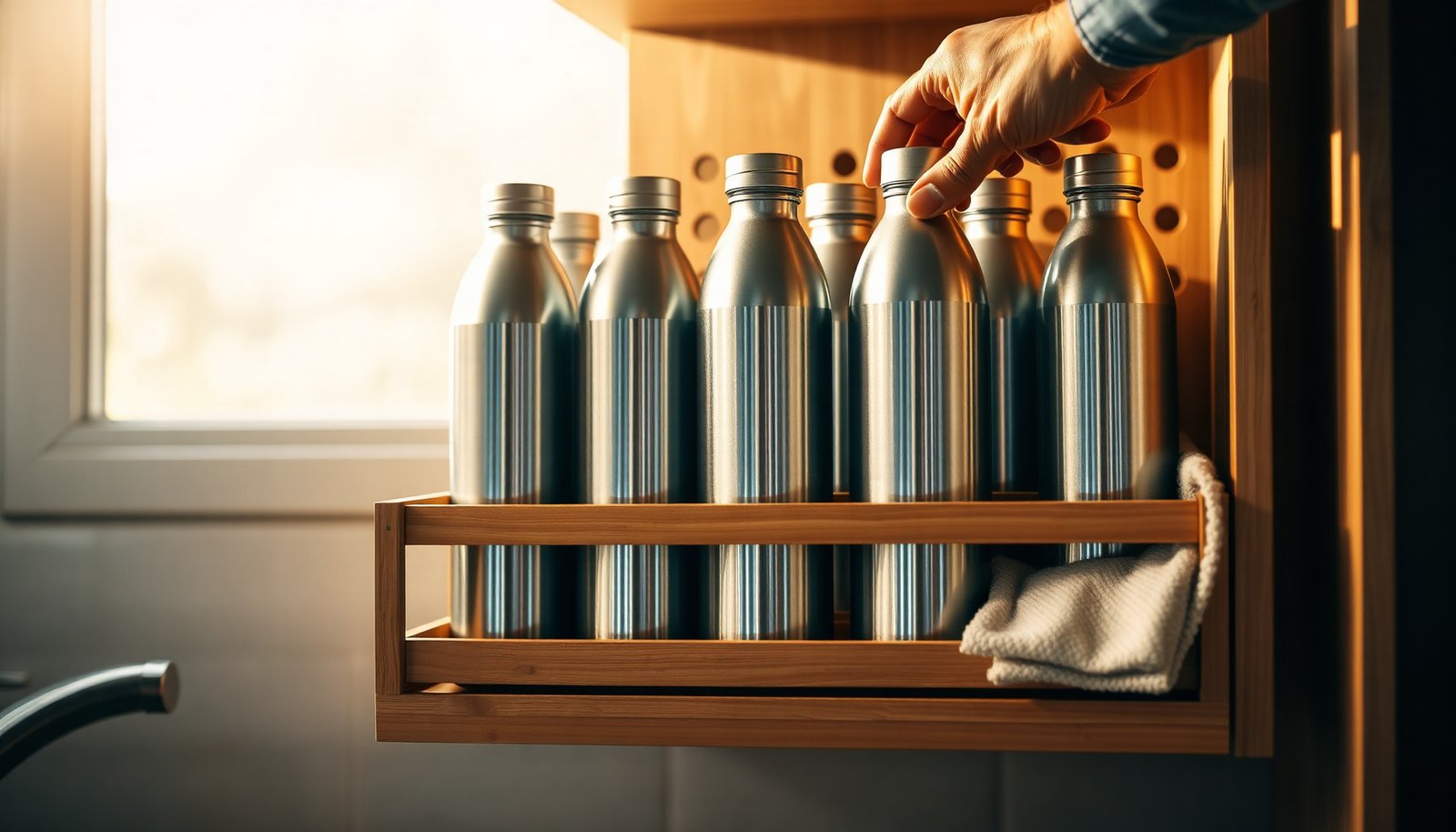
Store in a cool, dry place away from humidity. Near a sink, gym locker dampness, basements, and storage closets with irregular airflow are common trouble spots.
According to the U.S. EPA, controlling indoor relative humidity is a key strategy for preventing mold growth (EPA). In practice for bottle storage, that means avoiding locations where the room air is consistently humid, and allowing the bottle to dry fully before it ever goes into a cabinet or bag.
Avoid heat and direct sunlight
Avoid direct sunlight and heat, which can speed up surface changes and make odors easier to hold onto. Sunlight also raises internal temperatures during the day, which can trap condensation behavior when the bottle later cools down.
Store in a way that prevents pooling
Keep the bottle upright or laid so water can’t pool at the bottom during long storage. Pooling increases the time aluminum stays in contact with any residual moisture—especially around the base seam and where the internal surface meets any transition points.
Protect from dents, odors, and contact corrosion
Physical protection isn’t just about looks—it also reduces micro-damage that can worsen corrosion and odor retention. A careful storage setup helps keep the interior surface intact and minimizes condensation trapped around the bottle.
Use breathable storage for temperature swings
Keep it in a breathable container or pouch that won’t trap condensation from a cold-to-warm transition. For example, if your bottle is stored in a cooler area (vehicle, outdoors gear compartment, garage) and then moved indoors, moisture can condense on the aluminum surface.
This matters because microbial growth and odor acceleration are tied to moisture conditions. According to the FDA, many food-related bacteria grow in the 40–140°F (4–60°C) temperature range (FDA). While your bottle isn’t food, the same “moist + warm” logic helps explain why smells often appear after temperature fluctuations.
Prevent contact corrosion by avoiding tight metal-to-metal storage
Avoid storing it tightly pressed against other metals (or raw metal tools) that could increase corrosion through contact. When dissimilar metals touch in the presence of moisture, galvanic effects can make localized corrosion more likely—especially at points where paint/coatings are thin or scratched.
Check seals, gaskets, and liners for wear
Check gaskets/liners (if your model has them) for wear. Failed seals can cause moisture retention and smells, even when you thought the bottle was “dry enough.” Replace degraded gaskets instead of continuing to store the bottle with compromised sealing.
What can go wrong (and how to fix it)
Even with good habits, a few predictable mistakes can undo your progress. Fixing these issues usually means adjusting either drying time, residue removal, or your storage environment.
Cap-on storage while damp
Storing with the cap on while the bottle is still damp can cause “stale” smells and faster corrosion inside. If you’ve already stored it like this, the remedy is straightforward: disassemble, rinse, wash, and dry longer with the cap removed.
Soap residue and taste changes
Leaving soap residue on threads or under a gasket can lead to taste changes—rinse longer if anything feels slippery. Residual film can also make odors harder to remove because subsequent clean water won’t fully dissolve the original residue.
Scratches and damaged coatings accelerate issues
If your bottle is scratched or the surface coating is damaged, it may corrode sooner; in that case, shorter storage cycles and more frequent drying help. For coated or anodized interiors, inspect for wear before long stashes.
A quick diagnostic comparison
If you’re trying to pinpoint why a bottle smells or tastes “metallic,” this comparison can help you choose the right fix:
| Symptom | Likely storage cause | Best correction |
|---|---|---|
| Musty odor after weeks | Trapped moisture near opening/threads | Disassemble + air-dry cap off longer |
| Metallic taste on reuse | Residue film left during rinsing | Wash with mild soap + rinse until non-slippery |
| Discoloration near seams | Moisture pooling + micro-damage | Store upright/flat to avoid pooling; inspect scratches |
| Smell returns quickly | Gasket/liner holds odor | Clean gasket separately; replace if worn |
Data snapshot: why material choice matters for durability
Coatings, alloys, and mechanical strength affect how a bottle tolerates dents and wear—both of which influence corrosion onset over time. Here’s a practical “durability proxy” view using typical ultimate tensile strength (UTS) values for common aluminum alloys; higher UTS generally correlates with better dent resistance in everyday handling:
Common Aluminum Bottle Alloys and Typical Dent-Resistance Proxy (UTS)
| # | Aluminum alloy | Typical density (g/cm³) | Typical UTS (MPa) | Durability signal |
|---|---|---|---|---|
| 1 | 1100 (99.0% Al) | 2.71 | ≈90 | Lower |
| 2 | 3003 | 2.73 | ≈124 | Moderate |
| 3 | 3105 | 2.73 | ≈124 | Moderate |
| 4 | 5052 | 2.68 | ≈193–226 | Better |
| 5 | 6061 | 2.70 | ≈290 (T6) | High |
| 6 | 6063 | 2.69 | ≈200 (T6) | Good |
| 7 | 7075 | 2.81 | ≈570 (T6) | Very high |
Note: this is a general durability proxy (UTS), not a direct corrosion forecast. Real bottle longevity depends heavily on interior surface treatment and how carefully the bottle is dried and stored—especially in 2026-style commuting routines where temperature and humidity swings are common.
Verdict / tip
The best approach is simple: clean, fully dry with the cap removed, and store in a cool, dry, well-ventilated spot. The downside is that you’ll need extra drying time and a bit more space for storing parts separately. Skip this approach (or be more cautious) if your bottle has special components that require specific handling—then follow the manufacturer’s care instructions first.
In my own day-to-day maintenance routine, I’ve learned that the biggest improvements come from treating the lid and gasket as their own “micro-environment” rather than assuming the bottle rinse covers everything. .
Quick storage checklist (scan before you stash it)
| Step | What to do | Done? |
|---|---|---|
| Empty fully | No leftover liquid | ☐ |
| Rinse | Especially after acidic/sugary drinks | ☐ |
| Wash + rinse | Mild soap, thorough rinse | ☐ |
| Remove parts | Take off cap/gasket/any removable seals | ☐ |
| Dry completely | Air-dry with opening down; cap off | ☐ |
| Store dry + cool | Avoid humidity and sunlight | ☐ |
| Avoid tight contact | Don’t press against other metals | ☐ |
| Re-check before use | Quick smell/appearance check | ☐ |
Frequently Asked Questions
How should I clean an aluminum water bottle to prevent corrosion?
Wash your aluminum water bottle with warm water and a mild, non-abrasive soap after each use, then rinse thoroughly. If you use a bottle brush, choose soft bristles to avoid scratching the protective surface. For deeper cleaning, use a mixture of baking soda and water and let it sit briefly before rinsing well. Avoid bleach, steel wool, and harsh chemical cleaners because they can damage the aluminum finish and shorten bottle life.
What’s the best way to dry an aluminum bottle so it doesn’t develop a metallic taste or rust spots?
After washing, dry the bottle completely by air-drying it upside down on a rack or clean towel. Trapped moisture—especially around the lid threads and seams—can lead to oxidation and off tastes over time. If your bottle has a rubber or silicone gasket, remove it if possible and dry it separately. Before storing, make sure there’s no lingering water in the cap or straw components.
How can I store aluminum water bottles when I’m not using them for weeks?
Store the bottle in a cool, dry place away from direct sunlight and high humidity, such as a cabinet or drawer. Keep it uncapped or slightly loosen the lid to reduce moisture buildup if the bottle is fully dry. Avoid storing it in damp areas like near sinks, bathrooms, or laundry rooms. For added protection, wrap the bottle in a soft cloth if it’s stored with other items that could scratch the surface.
Why does aluminum oxidation happen, and how do I prevent it?
Aluminum oxidation is a natural reaction that can occur when the bottle is exposed to oxygen and moisture, leading to dull spots or a metallic taste. Frequent rinsing, thorough drying, and using mild cleaning agents help minimize oxidation. Also, avoid letting acidic liquids like lemon juice or sports drinks sit for long periods; rinse promptly after use. Keeping the bottle clean and dry reduces the conditions that cause corrosion to progress.
Which storage tips help keep insulated or lined aluminum bottles in good condition?
If your aluminum water bottle is insulated or has a liner, check that the lining and seals are dry and intact before storage. Store it away from extreme heat, because high temperatures can degrade adhesives and gaskets. For lids with O-rings, remove and dry the gasket if your model allows it, then reassemble only when everything is fully dry. Regularly inspect the cap area for odors, residue, or wear, and clean it using non-abrasive methods to extend the lifespan of the aluminum bottle.
📅 Last Updated: November 25, 2026 | Topic: How to Store Aluminum Water Bottles So They Last Longer | Content verified for accuracy and freshness.
References
- https://en.wikipedia.org/wiki/Corrosion_of_aluminum
- Passivation
- Crevice corrosion
- Galvanic corrosion
- https://www.cdc.gov/healthywater/drinking/home-water-treatment.html
- Emergency Disinfection of Drinking Water | US EPA
- aluminum corrosion in aqueous solutions water bottles – Search Results – PubMed
- https://scholar.google.com/scholar?q=how+to+store+aluminum+water+bottles+to+prevent+corrosion Google Scholar
- https://scholar.google.com/scholar?q=aluminum+corrosion+storage+conditions+humidity+chloride Google Scholar
- https://scholar.google.com/scholar?q=aluminum+leaching+from+reusable+water+bottles+acidic+beverages Google Scholar