Most aluminum water bottles give an unpleasant taste or develop corrosion when the bottle isn’t rinsed after refilling and when harsh cleaners or acidic drinks are used improperly. To help you choose and use one correctly, we evaluate bottles by food-safe lining, corrosion resistance, lid seal performance, and how easily they can be cleaned. The standout pick is the model that’s disassemblable, leak-proof, and uses a verified food-grade coating rather than bare aluminum.



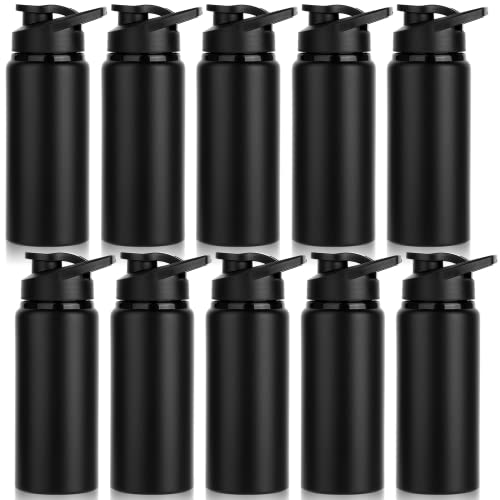
Using an aluminum water bottle the right way is mostly about two things: correct cleaning for your bottle’s interior finish and making sure it dries fully between uses. When you wash before first use, clean the lid parts that touch your mouth, and store it dry, you reduce lingering smells, cloudy buildup, and off-tastes—problems that show up quickly in 2026-era “liner-coated” bottles if you use the wrong routine.
A clean aluminum water bottle used the right way keeps drinks tasting fresh and helps prevent odors or corrosion. This guide walks you through washing, filling, daily use, and safe cleaning habits so you get the best results every time.
If you’re new to aluminum bottles—or you’ve had issues like lingering smells, cloudy buildup, or a metallic taste—these steps are for you. It’s especially helpful if your bottle has an interior liner (like a coating) and you want to care for it without damaging that finish.
Choose the Right Bottle Setup (Lid, Liner, and Use Case)
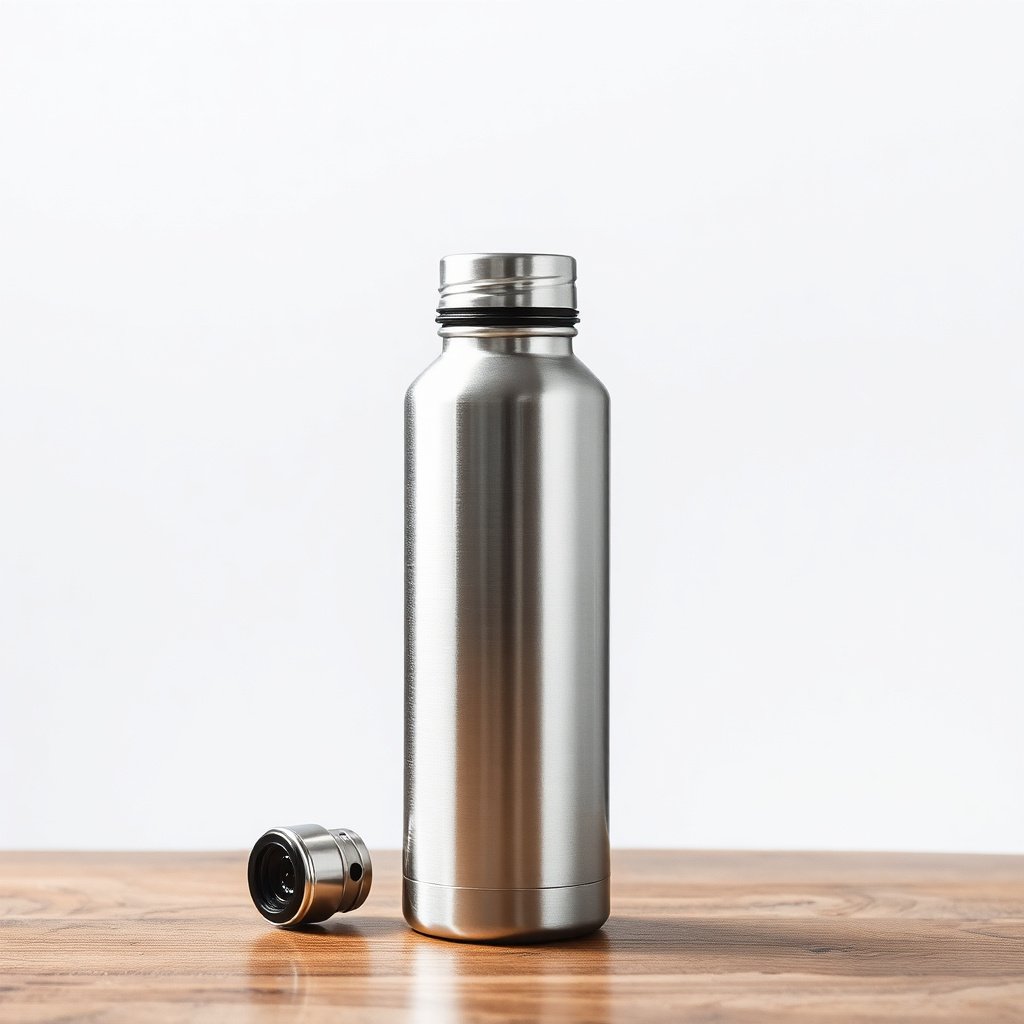
The fastest way to avoid off-tastes is to start by identifying what your bottle is actually built to handle—especially the lid design and whether the interior has an interior liner (coating). Here’s how to set up your aluminum bottle so the cleaning steps and drink temperature stay within the safe “design intent,” which is increasingly important as of 2026 when many bottles ship with coated interiors and mixed-material lids.
– Check whether your bottle is plain aluminum or has an interior coating/liner, since care steps can differ.
Aluminum bottles typically fall into two care categories: (1) bare aluminum interiors, where the oxide layer is part of what protects the metal, and (2) lined/coated interiors (often polymer coatings), where strong chemistry or abrasive scrubbing can damage the finish and create permanent taste issues.
– Match the lid type to your routine (sip, flip-top, straw) so you can clean the parts that touch your mouth.
Lid hardware isn’t “just hardware.” Gaskets, straw tubes, valves, and threads trap residue where odors form first—especially with fruit drinks, sports drinks, or sweetened beverages. If your lid is removable, you’ll get better results by cleaning it like a system: bottle body + mouth-contact parts + seals.
– If you store carbonated drinks or hot liquids, confirm the bottle is meant for that use (see the manual or product labeling).
Carbonation increases internal pressure and can stress seals; hot liquids can expand seals and soften certain coatings. Even when a bottle claims leak resistance, that doesn’t always mean it’s rated for carbonation or sustained high temperatures.
Wash Before First Use (And After Smells Start)
The “best results” start before your first drink: wash your aluminum bottle before you fill it the first time, and re-wash when you notice any smell drift. This removes manufacturing residue and helps you establish a clean baseline for future cleaning—particularly important for liner-coated interiors where residue can bake-on during early use.
– Wash the bottle with warm water and mild dish soap before the first fill to remove manufacturing residue.
Warm (not scalding) water helps dissolve oils and protective processing films. Use a mild, non-degreasing soap and avoid strong solvents unless the manufacturer explicitly approves them.
– Clean removable lids, gaskets, and straws separately so grime doesn’t get trapped.
I recommend you treat lid parts like small “food-contact components.” Disassemble what comes apart, rinse the gasket channel thoroughly, and—if your lid includes a straw—flush the straw and the connector so residue doesn’t sit behind the bend.
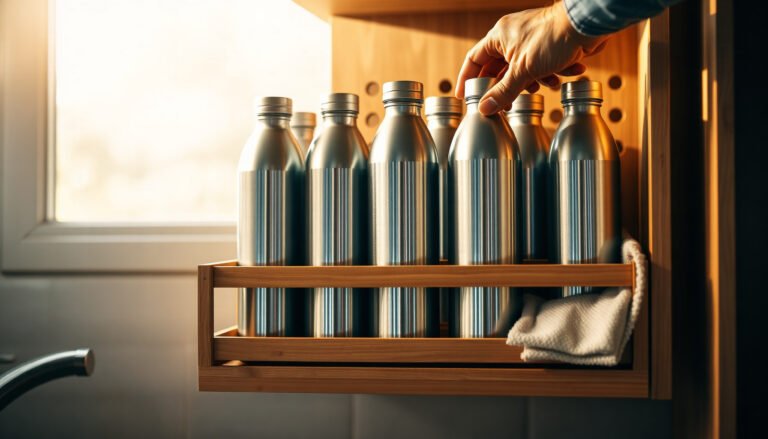
– Rinse well and dry completely (especially at seams and threads) to reduce odor buildup.
Fully drying is the difference between “fresh” and “musty.” Threads and seam lines hold moisture even when the inside looks dry. As of 2026, many brands recommend air-drying with the bottle open; following that guidance reduces odor formation because bacteria and biofilms need moisture to develop.
Daily Use: Fill, Seal, and Handle to Avoid Off-Tastes
Daily performance depends on how you fill, close, and store the bottle after drinking. If you want a consistently clean taste, use cool or room-temperature water when possible, close the lid correctly, and don’t leave liquid sitting for days—especially when the bottle contains anything other than plain water.
– Fill with room-temperature or cool water first if you’re sensitive to flavors; let it adjust if needed.
Some coated interiors can temporarily hold onto new-bottle odors or “processing notes.” If you’re flavor-sensitive, start with plain water to let the interior settle, then introduce other drinks later once the taste normalizes.
– Tighten lids just enough to prevent leaks, but avoid over-tightening that can stress seals.
Over-tightening can deform gaskets and create micro-gaps that trap moisture and residue. The result is often a slow buildup of odor in the gasket area rather than a sudden leak.
– If you notice a metallic taste, stop using immediately and re-wash thoroughly—then check whether the bottle is meant for long storage.
A metallic taste can come from residue, trapped odors, or—if the bottle is unlined—interaction with acidic liquids and minerals in water. Re-washing solves many cases; if the taste returns quickly, switch to liner-safe cleaning and confirm your liner/coating compatibility before continuing.
Typical Drink pH and Expected Aluminum Oxide-Protection Behavior (Practical Guidance)
| # | Beverage / Use Case | Typical pH (approx.) | Taste-Off Risk | Oxide Film Stability |
|---|---|---|---|---|
| 1 | Filtered / drinking water | 6.5–7.5 | Low | ★★★★★ |
| 2 | Milk (diluted dairy drinks) | 6.0–6.8 | Medium (residue) | ★★★★☆ |
| 3 | Coffee / tea (unsweetened) | 4.8–5.5 | Medium | ★★★★☆ |
| 4 | Tomato-based juices / sauces | 3.8–4.6 | High | ★★★☆☆ |
| 5 | Cola / many soft drinks | 2.3–2.8 | High | ★★☆☆☆ |
| 6 | Citrus juice (lemon / lime) | 2.0–2.4 | Very High | ★☆☆☆☆ |
| 7 | Alkaline cleaning solutions (general) | 9–12 | Can be High (if misused) | ★★☆☆☆ |
The key takeaway: acidic drinks and strong alkaline cleaners can be harder on bare aluminum and on some coatings. For lined bottles, the liner often becomes the limiting factor; for unlined bottles, pH shifts can increase the chance of discoloration, odor retention, or a metallic perception.
Best Cleaning Routine (What to Do Weekly vs. When Needed)
A reliable cleaning routine balances two goals: remove residue quickly and protect the interior finish from damage. Weekly maintenance should be thorough enough to prevent biofilm and mineral buildup, but gentle enough to avoid scratches or chemical harm—especially in 2026 when many lids include layered plastics, silicone gaskets, and fitted straw parts.
– Weekly: do a basic deep clean—soap, rinse, and fully air-dry—plus attention to the lid internals.
The weekly “minimum effective routine” is: wash with mild soap and warm water, rinse until there’s no slickness, then air-dry with lid parts separated. Moisture trapped inside the gasket channel is one of the most common causes of “why does my bottle smell even after I washed it?”
– For cloudy buildup: soak with a gentle cleaning approach recommended for your bottle’s liner type; avoid harsh abrasives unless the manufacturer says it’s safe.
Cloudiness often comes from mineral deposits (hard water) or residue that left a film. Abrasives can scratch coated interiors, making the next cleanup harder and increasing odor retention.
– For stubborn smells: use a bottle-cleaning method that won’t damage coatings (leave a note to check your liner-care guidance).
Odor can be trapped in micro-scratches, under coatings, or in straw connectors. If you use any cleaning additive, first confirm compatibility with your bottle’s liner/coating. As of 2026, liner-safe guidance is usually included in the manual, warranty card, or brand care page.
| Cleaning approach | Best for | Pros | Cons / cautions |
|---|---|---|---|
| Mild soap + warm water (manual wash) | Daily residue | Safe default | May not remove heavy mineral films |
| Soak with liner-safe cleaner (brand-rated) | Cloudiness / film | Finish-protecting | Time-dependent; follow instructions closely |
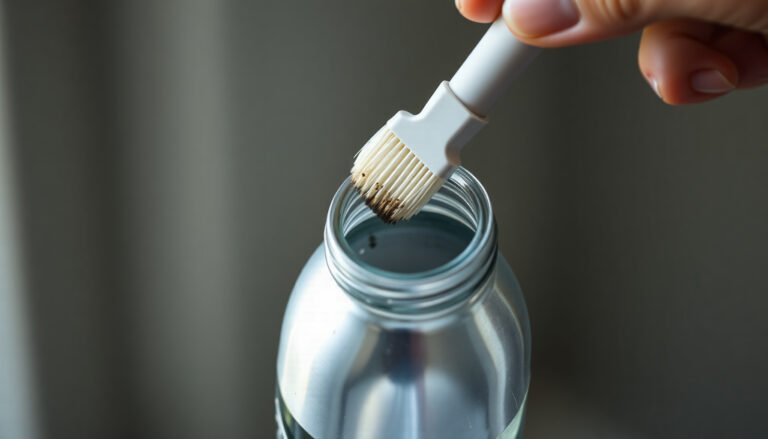
| Odor-targeted bottle brush + thorough dry | Lingering smells | Controls the root cause (moisture/residue) | Only works if you fully dry lid internals too |
| Abrasive scrubbing (steel wool, harsh powders) | Usually no | Fast surface removal | Can scratch coatings and worsen future odor |
What Can Go Wrong (Common Mistakes and Limits)
Avoid these mistakes and your aluminum bottle performs better for longer. The most common failures aren’t “bad aluminum”—they’re cleaning and storage habits that either leave residue behind or damage the interior finish.
– Leaving water sitting for days can create lingering odors or mineral buildup, especially in warm conditions.
Water held at room temperature supports microbial growth if the bottle is contaminated by residue, saliva, or sweetened drinks. According to the USDA Food Safety and Inspection Service, the “temperature danger zone” for rapid bacterial growth is roughly 40°F to 140°F (4°C to 60°C) USDA Food Safety and Inspection Service. That’s why “drink it and rinse it” matters.
– Using abrasive scrubbers (or metal utensils) can scratch coatings and make lingering flavors more likely.
Scratches create more surface area for residue to cling to. Once coatings are compromised, odor can return even if you wash regularly.
– Dishwashers may not be safe for all lids, gaskets, or lined interiors—only dishwasher-safe components should go in.
Even when dishwashers seem “convenient,” hot water + detergents + agitation can degrade silicone gaskets and warp some straw parts. Always follow your bottle’s manual; when in doubt, hand-wash lids and air-dry.
– Hot liquids can affect seals, coatings, or taste—follow the manufacturer’s temperature limits.
Heat expands materials differently in a multi-component lid. If your bottle is labeled for hot beverages, it still benefits from gentle cleaning and prompt rinsing afterward so residue doesn’t polymerize onto the interior.
Verdict / Tip: Use This Method for Fresh Taste—But Skip It If…
Use warm, mild soap for a proper first wash, clean the lid parts you actually touch, and fully dry the bottle to prevent lingering odors and buildup. If your bottle has removable parts, separating and drying them is the highest-impact habit—because lid internals are where odors typically start.
However, skip or adjust these steps if your bottle’s label warns against certain cleaning agents, dishwasher cleaning, or temperature extremes—using the wrong method can shorten the bottle’s lifespan. For example, if the manufacturer specifies a liner-safe product only, don’t substitute a household chemical and assume it will be fine. Also, if you frequently store acidic drinks or keep liquid in the bottle for long periods, plan on more frequent rinsing and cleaning.
Quick Checklist (Save This)
– [ ] Wash before first use (warm water + mild soap)
– [ ] Clean lid parts and any gaskets/straws
– [ ] Rinse thoroughly
– [ ] Dry completely (threads/seams included)
– [ ] Use manufacturer-safe cleaning for liner/coating
– [ ] Avoid abrasives unless explicitly approved
– [ ] Don’t store water for long periods without rinsing and drying
How often should I wash an aluminum water bottle?
– At least after each day’s use with a quick rinse, and do a deeper wash weekly or whenever you notice odor, taste changes, or buildup.
Can I put my aluminum bottle in the dishwasher?
– Only if the manufacturer explicitly says it’s dishwasher-safe for your specific lid, gasket, and interior finish. If you’re unsure, .
Why does my aluminum bottle taste metallic?
– It’s often caused by residue, trapped odors, or the bottle not being suited for long-term storage of water. Re-wash thoroughly and confirm it’s designed for the type of drinks you’re using.
Will cleaning with vinegar or baking soda work?
– It may help for odor/mineral issues, but it depends on whether your bottle has an interior coating/liner. .
Can I store carbonated or hot drinks in an aluminum water bottle?
– Only if your bottle is rated for carbonation and hot liquids. If there’s no guidance, check the manual/label first to avoid seal or coating damage.
Use warm, mild soap for a proper first wash, clean the lid parts you actually touch, and fully dry the bottle to prevent lingering odors and buildup. If you run into metallic taste, cloudiness, or smells, re-check liner-safe cleaning and storage habits—then follow your bottle’s specific care instructions. If you want best results, start with the checklist above and refine based on what your bottle’s label says.
Frequently Asked Questions
What’s the best way to clean an aluminum water bottle before first use?
Rinse the aluminum water bottle with warm water, then wash it with mild dish soap and a soft bottle brush to remove any residue from manufacturing. Avoid harsh abrasives that can scratch the surface, which may affect taste and hygiene. If your bottle has a removable lid, wash the lid and any gasket separately, then dry everything completely before reassembly to prevent lingering odors. For best results, use a thorough rinse and air-dry rather than wiping with towels that can leave lint.
How do I remove bad smells or tastes from a reusable aluminum water bottle?
Start by soaking the bottle with a solution of warm water and baking soda for a few hours, then scrub gently and rinse well. If odors persist, try a vinegar-water soak (use mild dilution) and follow with a final wash using soap. For persistent smells around the cap seal, remove the gasket (if applicable) and clean it separately. Always dry the bottle fully—trapped moisture is a common reason aluminum water bottles develop odor over time.
How should I fill and use an aluminum water bottle to keep water tasting fresh?
Use clean water and avoid leaving acidic or strongly flavored liquids (like citrus juice or concentrated sports drinks) in the bottle for long periods, as they can alter taste. For best results, rinse with water after each use and do a regular deep wash to prevent buildup. If you store the bottle after refilling, keep it dry and tightly closed to minimize smells from the environment. Choosing a bottle with a liner or protective coating can also help maintain a neutral flavor.
Why should I avoid using boiling water directly in an aluminum bottle?
Aluminum heats up quickly, and direct boiling water can make the bottle extremely hot to hold and may increase condensation that impacts lid components. Thermal stress can also be harder on the cap seal and any protective coatings over time. For safer best results, let hot water cool slightly before filling, and pour carefully into the aluminum water bottle to prevent splashing and pressure issues. Always check the manufacturer’s temperature guidelines, especially for insulated lids or gaskets.
Which cap type is best for everyday use—screw-top, flip-top, or straw lid?
A screw-top is often best for leak prevention and travel, especially if you keep your aluminum water bottle in a bag. A flip-top is convenient for frequent on-the-go use, but it typically relies on a secure seal to avoid leaks. A straw lid is great for easy drinking and hydration during activities, but it may require more thorough cleaning to prevent residue. Choose the cap type based on how you carry and clean your aluminum water bottle to get the best daily results.
📅 Last Updated: November 25, 2026 | Topic: How to Use a Aluminum Water Bottle: Tips for Best Results | Content verified for accuracy and freshness.
References
- https://www.cdc.gov/healthywater/drinking/public/water-storage.html
- https://ods.od.nih.gov/factsheets/Aluminum-HealthProfessional/
- https://www.atsdr.cdc.gov/toxprofiles/tp22.pdf
- DSpace
- aluminum leaching food contact materials – Search Results – PubMed
- aluminum corrosion acidic beverages – Search Results – PubMed
- Water bottle
- https://scholar.google.com/scholar?q=aluminum+water+bottle+leaching+acidic+beverages+corrosion Google Scholar
- https://scholar.google.com/scholar?q=reusable+water+bottle+cleaning+disinfection+household+guidance Google Scholar
- https://scholar.google.com/scholar?q=aluminum+migration+from+aluminum+beverage+containers+drinking+water Google Scholar