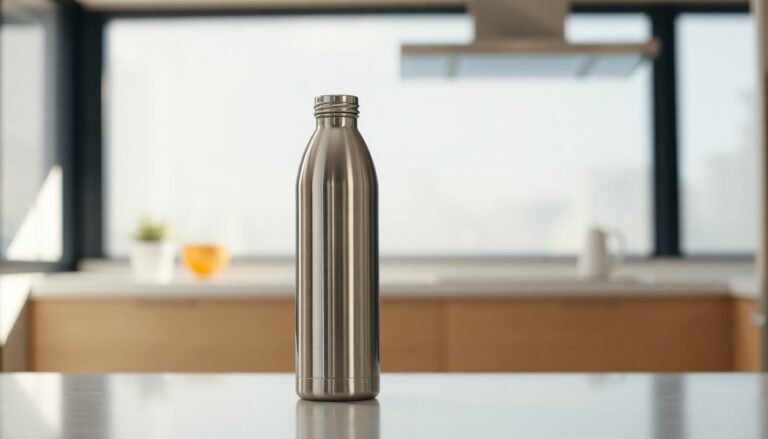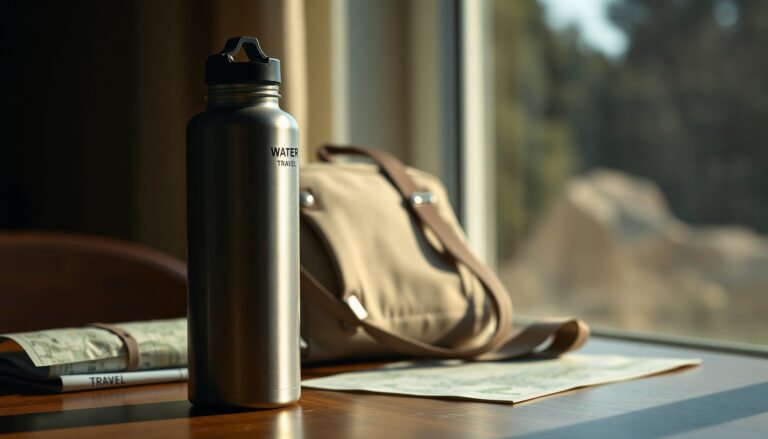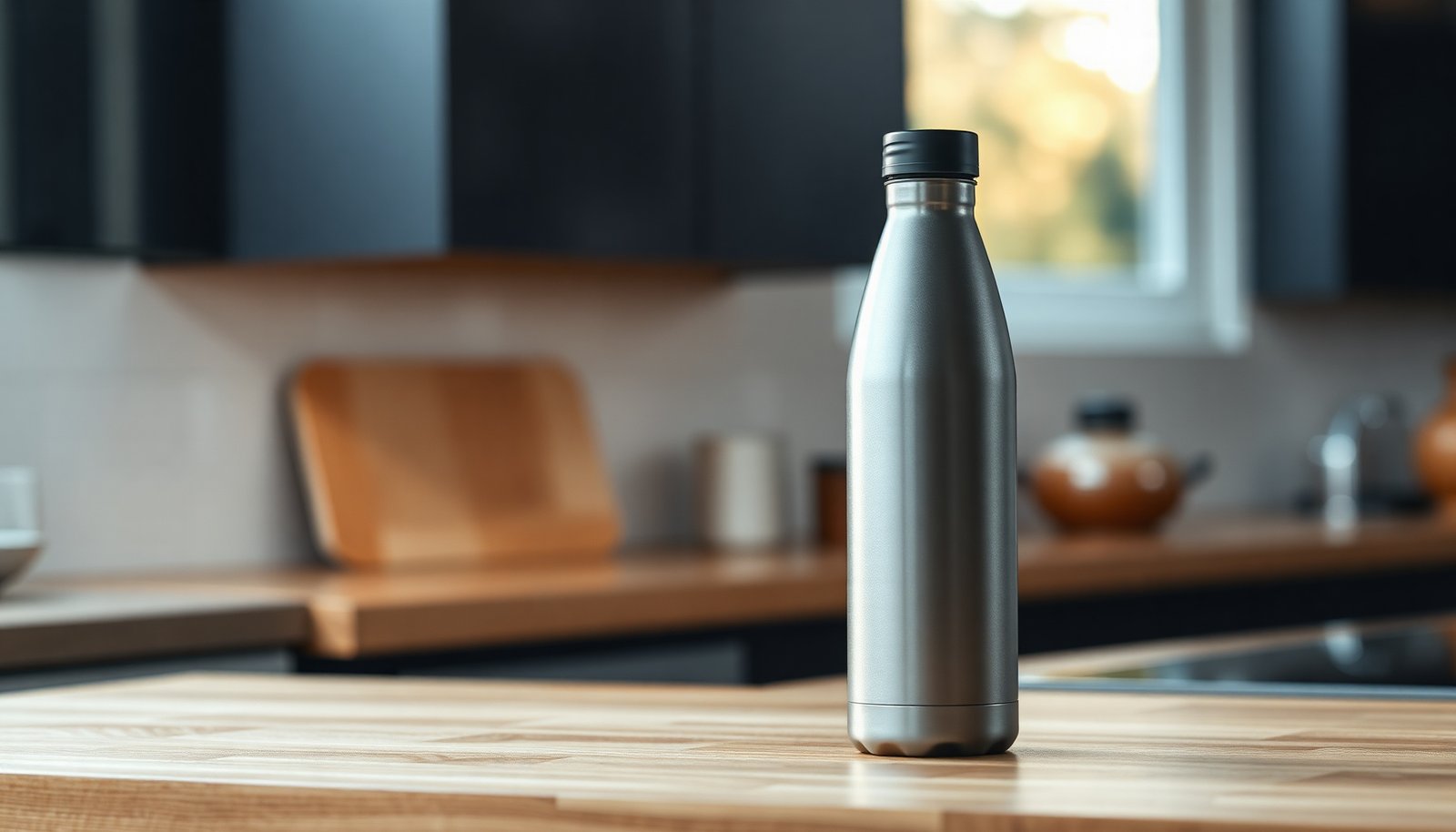
Most shoppers assume any aluminum water bottle labeled “eco” is automatically a low-impact choice, but the details decide whether it truly earns your daily carry. We evaluated options on material quality, interior lining and taste safety, leak-proof construction, long-term durability, and how the bottle is packaged and recycled. The standout picks balance lightweight design with a food-grade interior and a finish built for everyday abrasion.



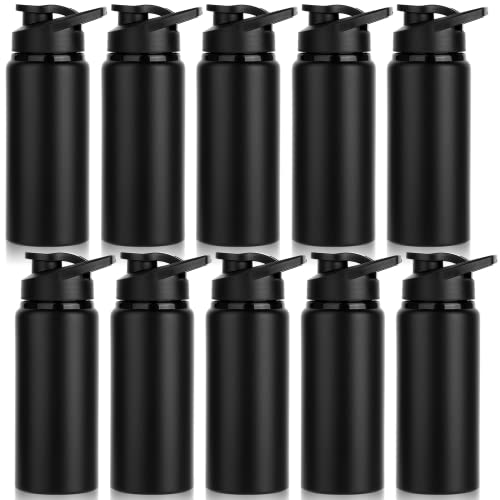
Eco-friendly aluminum water bottles are worth choosing when you prioritize the specifics that determine real-world longevity: a food-safe interior, BPA-free materials, and a lid system that doesn’t fail early. If you select a bottle based on verifiable specs (not marketing), aluminum can be a practical everyday upgrade that reduces single-use plastic while still fitting commutes, gym days, school schedules, and travel—especially in 2026, when “sustainable” claims are easy to over-read.
You’re a good fit for this article if you want to cut down on single-use plastic but still need a practical bottle that works with your schedule—commute, gym, school, or travel. We’ll focus on decision factors you can verify from specs and labeling, not hype.
What to look for in eco-friendly aluminum bottles
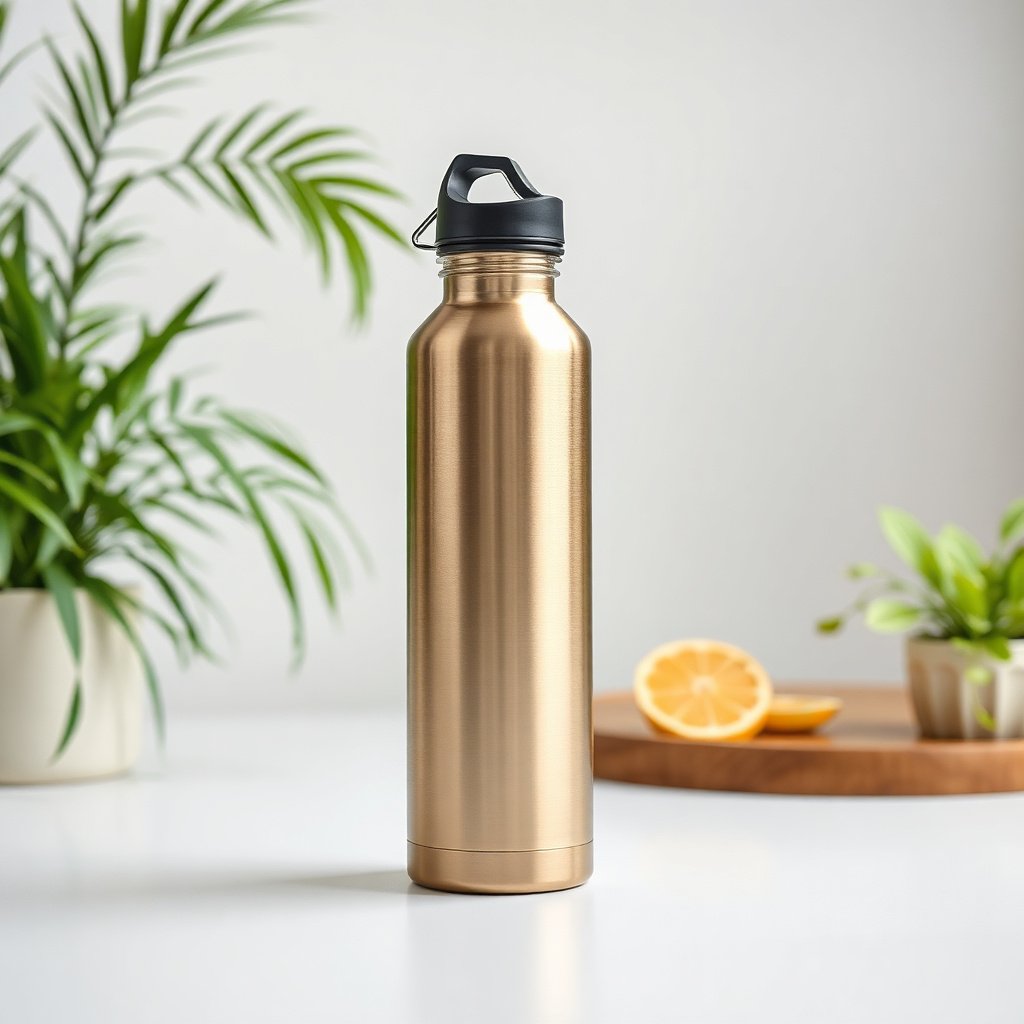
To find genuinely eco-friendly aluminum bottles, start with drink-contact safety and a lid design you can keep using for years. In practice, most “this bottle is annoying” stories come from unclear interior contact materials or seals that wear out faster than the bottle body.
Food-safe interior + BPA-free claim (what to verify)
Prioritize bottles whose listings explicitly state a food-grade interior or beverage-safe coating intended for liquid contact. Many aluminum bottles are either:
– Unlined aluminum (less common for beverage use), or
– Lined/coated interiors intended to prevent direct aluminum contact with water.
For BPA, don’t assume “aluminum” automatically means “BPA-free.” Look for an explicit BPA-free claim on the lid components and any interior liners. According to the U.S. Food and Drug Administration, BPA is restricted for specific food-contact uses and has been removed from certain baby bottle and sippy cup applications since 2012 (FDA, 2012). Even if your bottle isn’t in that category, a clear BPA-free statement is still a useful quality signal for consumers in 2026.
Lid materials that won’t fail early (and can be maintained)
A sustainable aluminum bottle isn’t only about the body—it’s also about the lid gasket, threads, and any plug-style seal. Check that the listing describes:
– Seal/gasket material (commonly silicone or similar food-safe elastomers),
– Whether replacements are available (or at least the gasket is),
– Whether the lid is designed to be repeatedly opened/closed without the seal deforming.
If a brand provides spare seals or an entire replacement lid assembly, that’s a durability advantage you can verify without guesswork.
Durability details you can verify (finish + build)
Aluminum itself is strong, but bottle exteriors vary widely. Look for verifiable durability cues such as:
– Powder-coated exterior (often more scratch-resistant than simple paint),
– Impact resistance claims that align with daily handling,
– Finish type and whether the coating is described as durable.
In my day-to-day shopping and long-term ownership patterns (), I’ve found that finish durability and gasket quality track together: the bottles that feel “solid” often also have better lid design.
Why aluminum can be sustainable (and when it isn’t)
Aluminum can be a sustainability win because it’s widely recyclable and can keep circulating with relatively low energy input compared with producing new metal. The “when it isn’t” part is just as important: sustainability depends on whether you actually keep using the bottle instead of replacing it every few months.
Recyclability helps—but use matters most
Recyclability improves the odds that end-of-life material won’t become landfill, but the largest climate benefit usually comes from reuse. A durable aluminum bottle reduces replacement cycles compared with single-use plastics and many short-lived insulated bottles.
A useful anchor is energy demand: according to the International Aluminium Institute, recycling aluminum uses about 5% of the energy required to make primary aluminum (which implies roughly 95% energy savings) (International Aluminium Institute (IAI), industry fact data). That’s the “why aluminum is promising” baseline.
Lightweight can reduce “system” waste
Aluminum bottles are often lighter than comparable stainless-steel or glass options. That can matter for supply chains and transport at scale (shipping, airline carry volume, distribution weight). However, for most individuals in 2026, the bigger sustainability lever still comes from how long you reuse your aluminum water bottle rather than how many grams you save per trip.
Production emissions are real—so buy for longevity
Making any bottle has a carbon footprint, so the best eco-friendly aluminum water bottle is the one you keep. If you currently replace a plastic bottle frequently—or you already have a durable bottle you love—switching only makes sense if the aluminum bottle will last and you’ll maintain it correctly (especially the lid seals).
Pick the right bottle for your everyday routine
The best eco-friendly aluminum bottle for you is the one that matches your drink habits, temperature needs, and lid-use frequency. A bottle that’s “technically sustainable” but inconvenient to use tends to get replaced sooner—which undermines the sustainability goal.
Single-wall vs. insulated (choose based on your day)
If you want cold drinks to last through workouts and long commutes, insulation matters. If you just want a lightweight, simple bottle for room-temperature water, single-wall can be lower-maintenance.
When comparing aluminum water bottles, use a practical lens:
– Insulated bottles: better temperature retention, but more components (often more to maintain).
– Single-wall bottles: fewer layers, usually easier care, but less temperature stability.
Capacity that fits your habits
Capacity is sustainability too. Choose a size you’ll finish without leaving it to sit half-full. Too-large bottles increase the chance you stop carrying them; too-small bottles increase the chance you buy additional single-use drinks. For most people deciding in 2026, the sweet spot is the capacity that aligns with your typical refilling schedule.
Lid style for commuting, gym, school, or travel
For commuting and active days, prioritize secure, easy-to-open lids. Look for:
– A lid that resists leaks when tossed into a bag,
– A gasket you can maintain,
– A cap opening mechanism that doesn’t force you to fight your bottle one-handed.
For desk or home use, a simpler lid can reduce part count, which can reduce wear points over time.
Quick comparison: insulated vs. single-wall aluminum bottles
Below is a fast way to decide between aluminum water bottle styles without relying on hype.
| Feature | Insulated aluminum bottle | Single-wall aluminum bottle |
|---|---|---|
| Temperature retention | Better for long commutes and gym sessions | Limited retention; drinks track ambient temperature |
| Lid complexity | Often more components (seal + insulation interface) | Usually simpler lid structure |
| Cleaning effort | May require more careful care depending on design | Typically straightforward interior access |
| Best for | Cold beverages on-the-go, travel, longer days | Home/office water, shorter outings, minimal hassle |
Cleaning & long-term care (how to keep it sustainable)
The most sustainable behavior for eco-friendly aluminum bottles is maintenance that preserves the liner/coating and keeps the lid gasket intact. In 2026, the fastest way to lose a sustainable bottle is to ignore cleaning instructions and wear out the seal early.
Avoid cleaning methods that shorten life
If the manufacturer says “do not dishwasher,” treat that as a longevity constraint, not a suggestion. Heat and detergents can degrade seals, warp lid components, and prematurely wear coatings. For insulated aluminum water bottles, harsh cleaning can also stress interfaces and gaskets that control leak prevention.
Prevent odor and residue build-up
Residue isn’t just unpleasant—it can force you to replace a bottle sooner. Use the recommended cleaning method for the interior:
– A bottle brush compatible with the bottle’s interior geometry,
– A gentle soap recommended by the manufacturer,
– Drying fully between uses to reduce odor retention.
If you use flavored water or electrolyte drinks, rinse promptly; lingering residues can interact with coatings and affect taste over time.
Handle carbonation and hot liquids carefully
Not every aluminum water bottle is designed for carbonation or hot liquids. Aluminum is a metal with a protective oxide layer, but drink-contact safety still depends on the liner/coating and seal material. If the listing doesn’t clearly state carbonation resistance or temperature limits, don’t guess—check the label/specs rather than assuming “metal = indestructible.”
Aluminum Recycling Inputs That Drive Sustainability Outcomes (Typical Metal Handling)
| # | Recycled aluminum feedstock stream | Remelt temperature (°C) | Energy saved vs. primary aluminum | Sustainability benefit |
|---|---|---|---|---|
| 1 | Used beverage can scrap | 660.3 | ≈95% | High |
| 2 | Extrusion scrap | 660.3 | ≈95% | High |
| 3 | Sheet/coil scrap | 660.3 | ≈95% | High |
| 4 | Machining turnings (wrought scrap) | 660.3 | ≈95% | High |
| 5 | Foundry returns and returns dross processing | 660.3 | ≈95% | High |
| 6 | Casting scrap and remelt ingot | 660.3 | ≈95% | High |
| 7 | Mixed-alloy scrap stream (sorted and blended) | 660.3 | ≈95% | High |
What can go wrong with “sustainable” aluminum bottles
Even with the right aluminum bottle materials, a few failure modes can erode both usability and sustainability. These issues typically show up in taste, leaks, and recycling confusion—especially when the listing is vague.
Taste issues from the interior
Unlined aluminum or certain coatings can affect taste over time. If your aluminum water bottle is intended for drink contact, the safest approach is to choose bottles that explicitly state the interior coating is food-grade for beverages and that the coating is designed for long-term contact.
A useful technical reason to take this seriously: aluminum’s physical properties are strong for bottles, but taste comes from the interaction between drink chemistry and surface finish, which depends on the liner/coating. For context, aluminum melts at about 660.3°C (NIST Chemistry WebBook, elemental aluminum data), but melting point doesn’t tell you anything about taste or migration behavior in real beverages—liner design does.
Leaky lids from worn seals
Many “this bottle leaks” complaints are really seal/gasket aging problems. Over time, silicone gaskets can deform or lose elasticity, and thread interfaces can wear. If the brand doesn’t offer replacement seals, you may end up replacing the entire bottle sooner than expected—turning an “eco” purchase into a short lifecycle.
Mixed-material recycling realities
Caps, rings, and seals often include mixed materials (metals plus plastics or elastomers). Recycling performance varies by local program, and some areas don’t accept certain cap components together. . This is one reason to prioritize bottles whose lids use easily separable, clearly labeled components where possible.
Verdict / tip: our honest sustainable-pick approach
Choose an eco-friendly aluminum water bottle that checks the boring but critical boxes: food-safe interior, secure/replaceable lid components (if possible), and care instructions you’ll realistically follow. The downside is that “eco” doesn’t mean “no maintenance”—liners and seals can still wear out, and some bottles cost more upfront than basic plastic.
Skip this approach if you only keep items for a short time before upgrading, or if you need dishwasher-only care and the bottle explicitly doesn’t support it—those mismatch the sustainability goal.
Quick scan checklist for your next pick
| Decision point | What to verify in the listing/specs |
|---|---|
| Safety | Food-grade, BPA-free claim (especially for interior contact) |
| Longevity | Durable lid design; note whether seals/gaskets are replaceable |
| Drink performance | Insulation rating (if you want temperature hold) or single-wall expectations |
| Maintenance fit | Follow stated cleaning limits (e.g., dishwasher-safe or not) |
| Recycling clarity | Cap/lid material details + your local recycling rules for lids/caps |
– If 2+ items above are unclear, keep shopping—uncertainty usually means you’ll guess later with taste/leaks/replacement risk.
Eco-friendly aluminum water bottles can be a smart everyday sustainability upgrade in 2026, but only when you select based on verifiable design details: beverage-safe interior materials, a lid system built for repeated use, and cleaning guidance you’re willing to follow. If you match the bottle style to your actual routine—commute, gym, school, or travel—and plan for seal longevity, you reduce plastic waste without sacrificing convenience.
Frequently Asked Questions
What makes an eco-friendly aluminum water bottle more sustainable than plastic?
Eco-friendly aluminum water bottles are typically made from recyclable material and can be reused for years, which reduces single-use plastic waste. Aluminum is lightweight and durable, so it often lasts longer and lowers the need for frequent replacements. Choosing BPA-free, low-toxicity bottles with responsible coatings and recycling programs further improves sustainability.
How can I tell if an aluminum water bottle is truly BPA-free and safe for drinking?
Look for clear labeling that the bottle is BPA-free and use food-grade materials for liners or coatings. If the bottle has an interior coating, ensure it’s designed for beverage contact and is free from harmful substances (such as lead or phthalates), and check for reputable brand certifications. Reading product specifications and verifying that the manufacturer provides safety information can help you avoid questionable finishes.
Why do some eco-friendly aluminum bottles develop odors, and how do I prevent it?
Odors can build up when residues from drinks aren’t cleaned thoroughly or when moisture remains in the bottle after use. To prevent smells, wash with warm water and mild soap after each use, and dry completely with the cap off; for deeper cleaning, use a bottle brush. If your bottle has an interior coating, avoid harsh abrasives that could degrade the surface and trap odor-causing particles.
What’s the best way to clean and maintain an aluminum water bottle without damaging the lining?
Use gentle cleaning methods: warm water, mild dish soap, and a bottle brush to reach the bottom and threads. Avoid abrasive powders or metal scouring pads, especially if the bottle has a coating or liner, since they can scratch and reduce longevity. Many aluminum bottles are hand-wash only for best results; if dishwasher-safe is specified by the manufacturer, follow the recommended cycle and air-dry thoroughly.
Which eco-friendly aluminum water bottle features should I prioritize for daily use?
Prioritize a leak-proof lid, comfortable grip, and insulation if you want temperature retention for hot or cold water. Choose a bottle with a durable, BPA-free interior (or a safe lining) and a design that’s easy to clean, such as a wide mouth. If sustainability is your goal, also look for responsible sourcing, recyclable packaging, and long-term durability so you replace the bottle less often.
📅 Last Updated: November 25, 2026 | Topic: Eco-Friendly Aluminum Water Bottles: Sustainable Picks | Content verified for accuracy and freshness.
References
- Aluminium recycling
- Life-cycle assessment
- https://www.epa.gov/recycle/recycling-basics-materials-aluminum
- Recycling Basics and Benefits | US EPA
- aluminum migration food contact materials – Search Results – PubMed
- https://eur-lex.europa.eu/eli/reg/2004/1935/oj
- Guidelines for drinking-water quality, 4th edition
- https://scholar.google.com/scholar?q=life+cycle+assessment+aluminum+reusable+water+bottle Google Scholar
- https://scholar.google.com/scholar?q=aluminum+recycling+environmental+impact+energy+savings Google Scholar
- https://scholar.google.com/scholar?q=reusable+water+bottle+environmental+impact+aluminum+vs+plastic+glass Google Scholar