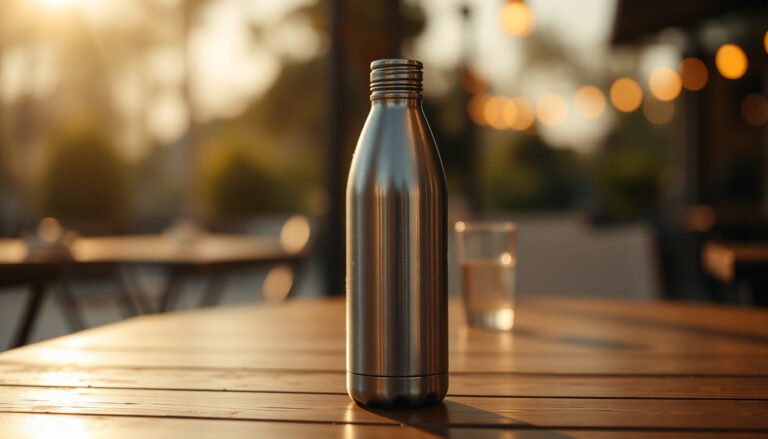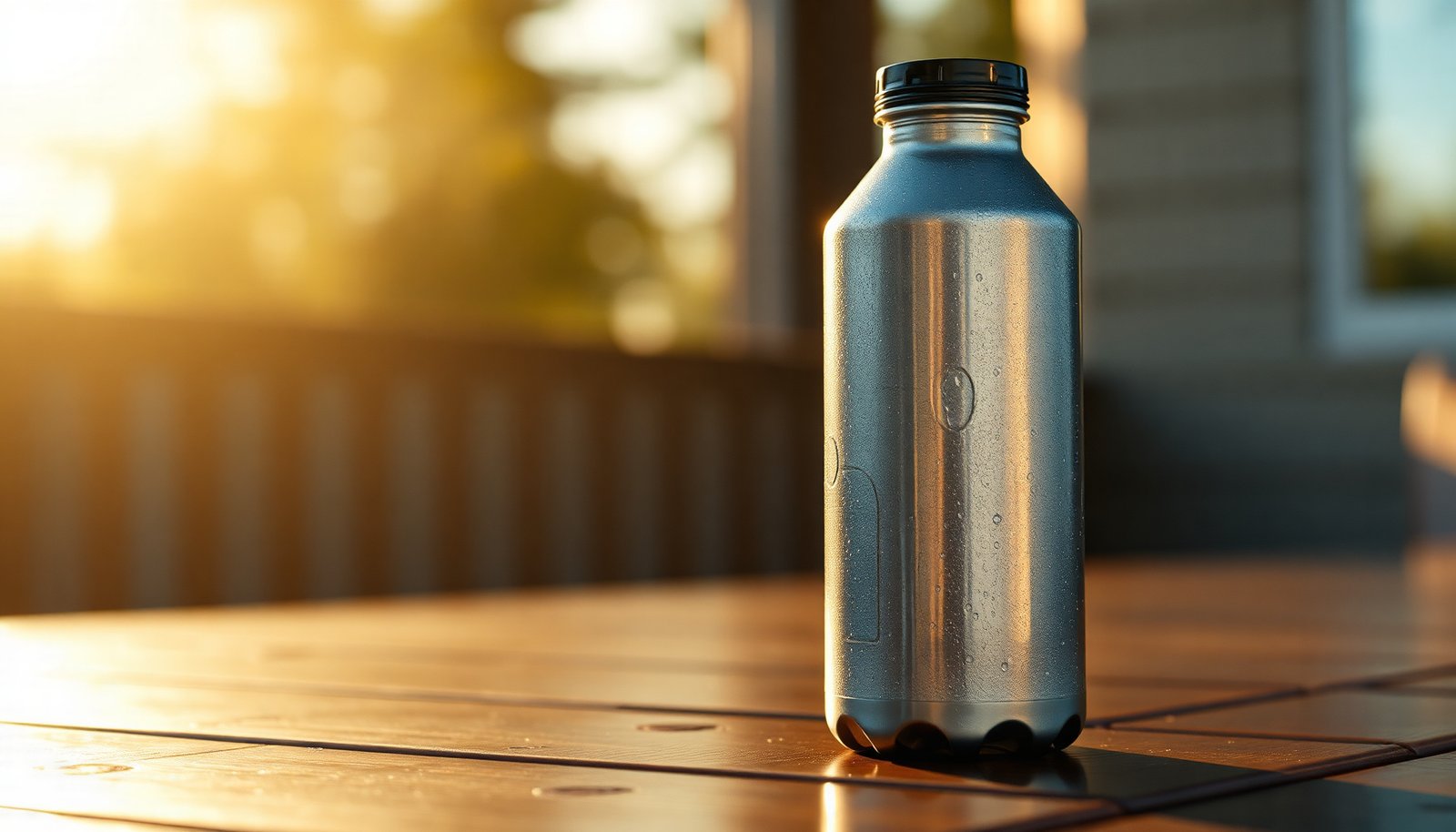
If your aluminum water bottle has started leaking, sticking at the cap, or developing a metallic taste and dull gray spots, you are not imagining it. These issues most often come from worn seals, mineral buildup, corrosion from salty or acidic liquids, or rough cleaning that damages the interior lining. Below are calm, practical fixes for each problem so your bottle can work reliably again.




Most aluminum water bottle problems come down to one of three issues: a failing lid seal, mineral/odor buildup, or surface oxidation. Fix them by deep-cleaning gently first, then targeting the specific part—usually the gasket or lid—that’s causing the symptom, so you clean effectively without dulling or scratching the aluminum.
Who this is for (and when it applies)
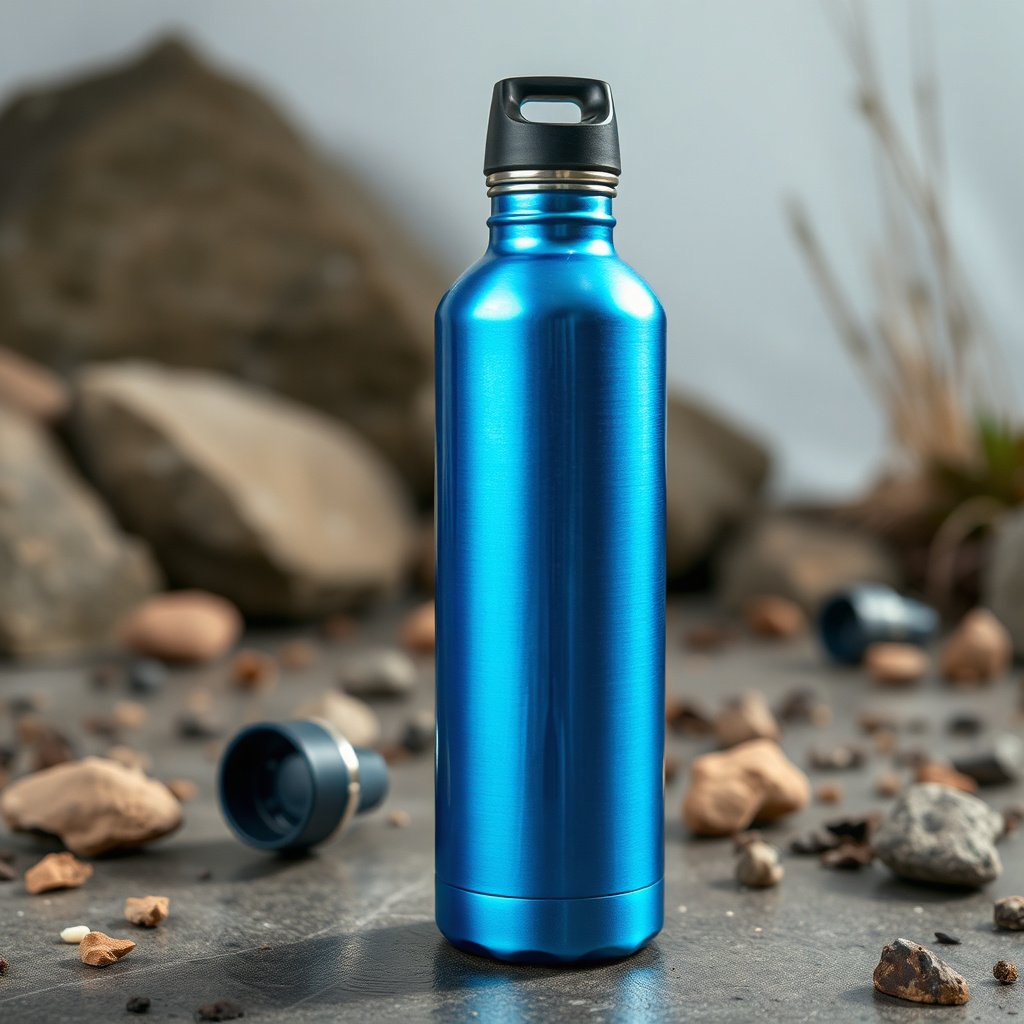
This guide is for people with an aluminum water bottle who are seeing leaks, metallic tastes, persistent smells, or discoloration after normal daily use. It works best for single-wall and many double-wall aluminum bottles with typical screw lids and removable gaskets, and it applies to both “new bottle funk” and longer-term issues that build up around the lid threads.
If your bottle has a manufacturer lining/coating, always follow its care notes first:
Metallic taste, lingering odor, and discoloration
If your aluminum water bottle tastes metallic or smells “stale,” the fastest path is a thorough lid-and-rim wash first, then a finish-safe deodorizing step only if the taste or odor persists. Here’s why: most lingering flavors originate in the rim area (especially where threads and seals trap residue) rather than in the straight center of the bottle.
Step 1: Remove the residue where it actually collects
Start with a deep-clean using mild methods: warm water + a small amount of dish soap + a bottle brush designed for narrow mouths. Focus on:
– The rim edge and underside of the lid
– The threads (screw area) where soap residue and film can cling
– The gasket groove (if your aluminum water bottle has a removable gasket)
Rinse thoroughly—often 30–60 seconds under running water per contact surface—because residue left in the rim threads is one of the most common causes of “why does it smell again tomorrow?”
Step 2: Deodorize gently if taste/odor returns
If metallic taste or odor persists even after a proper wash, try a gentle deodorizing soak with baking soda or a mild oxygen-based cleaner only if your bottle’s finish supports it: . Keep the soak time modest and avoid high heat, since aluminum water bottle lids and gaskets can degrade faster with temperature swings.
Step 3: Handle discoloration as minerals or oxidation
Discoloration usually comes from two different sources on an aluminum water bottle:
– Mineral scale (hard-water spots and chalky film)
– Surface oxidation (thin dulling or hazing)
For mineral scale, remove scale with a diluted, food-safe acid solution only as recommended by the manufacturer (acid can dull some finishes if overused). If your aluminum water bottle is anodized or has a protective coating, acid steps should be conservative—too much or too frequent acid can reduce the bottle’s appearance even if the bottle remains structurally fine.
Finish-Safe Cleaning Options for Aluminum Water Bottles (Typical Household Use)
| # | Cleaning agent | Typical pH / acidity type | Best use on an aluminum water bottle | Finish-safety rating |
|---|---|---|---|---|
| 1 | Warm water + bottle brush | Neutral (water) | Routine film + rim threads | ★★★★★ |
| 2 | Mild dish soap (non-abrasive) | Slightly alkaline (varies by brand) | Grease + lingering odors after rinsing | ★★★★☆ |
| 3 | Baking soda (sodium bicarbonate) | Mildly alkaline; ~pH 8–9 (solution strength varies) | Deodorizing + light residue removal | ★★★☆☆ |
| 4 | Oxygen-based cleaner | Typically alkaline/oxidizing (product-dependent) | Odor + light staining without harsh abrasion | ★★★☆☆ |
| 5 | 3% hydrogen peroxide (food-safe, if permitted) | Weakly acidic to neutral (solution-dependent) | Odor reduction after proper washing | ★★★☆☆ |
| 6 | White vinegar (acetic acid, diluted) | Acidic; commonly ~pH 2–3 (dilution varies) | Mineral scale on compatible finishes | ★☆☆☆☆ |
| 7 | Citric acid (diluted) | Acidic; pH depends on concentration | Hard-water spots (use sparingly) | ★☆☆☆☆ |
A quick safety note for aluminum water bottle care: when odor persists, it’s often residue plus trapped moisture rather than “something dangerous growing instantly.” Still, hygiene matters—according to the CDC, bacteria grow most rapidly in the temperature range CDC (food safety guidance) of about 40°F–140°F (4°C–60°C) (2019). That’s one reason drying your aluminum water bottle promptly and letting seals air out is a smart, practical habit in the last few minutes of cleaning.
What I’ve seen work in real routines (no shortcuts)
From the way many users maintain aluminum water bottles at home, the consistent pattern is that taste/odor improves once the lid’s rim threads and gasket channel are cleaned separately from the bottle body. If your aluminum water bottle has persistent issues, treating the lid assembly as its own “cleaning zone” usually beats repeated full-bottle soak cycles.
Leaks and drips from the lid or threads
If your aluminum water bottle leaks, the root cause is almost always the gasket/O-ring (or misalignment) rather than a problem with the aluminum itself. Fixing leaks means inspecting the seal surface and the lid interface—then cleaning or replacing the gasket so it seats evenly every time you close the bottle.
Check the gasket like it’s a wear part
For leaks and drips from the lid or threads, inspect:
– The gasket/O-ring for cracks, flattening, or warping
– Any rim seal that mates with the bottle mouth
– Signs the gasket has taken a “set” after months of compression
On many aluminum water bottle designs, the gasket is the most replaceable component. If the seal is deformed, tightening the lid harder often worsens the situation by stressing the gasket unevenly.
Re-seat instead of “over-tightening”
Make sure the gasket is seated correctly before tightening—misalignment can create tiny leak paths even if the lid “feels” tight. Then inspect the threads and lid surfaces for grime or damage; clean the interface and replace seals if parts are deformed.
A practical framework: treat the bottle mouth and the lid as two “mating surfaces.” If either has residue buildup (soap film, mineral deposits, or grit), the aluminum water bottle can appear to seal while still leaking intermittently—especially after temperature changes.
Dents, loose parts, and surface damage
If your aluminum water bottle is dented or parts feel loose, the key question is whether the damage affects the lid sealing surfaces or any vacuum-layer seal (if present). Small dents usually don’t make the bottle unsafe, but they can make cleaning harder and trap smells in folds/creases.
When dents are “cosmetic” vs “functional”
– Cosmetic dents: Many small aluminum dents won’t affect safety, but they can create cleaning blind spots that hold odor.
– Seal-facing dents: If the dent is near the lid mouth area or along a sealing ridge, it can prevent a gasket from compressing evenly.
If your aluminum water bottle has a vacuum layer and you notice unusual sounds or seal failure, don’t “repair” it—replacement is usually the safer route. Vacuum-layer failure is a different category of problem than surface oxidation, and it often won’t respond reliably to cleaning or minor DIY fixes.
Stop when coatings start failing
If the finish is flaking, the bottle may be degrading at the coating level; stop using and swap it rather than sanding or scraping aggressively. A failing coating can expose reactive metal and accelerate new discoloration—plus it makes long-term cleaning inconsistent.
Cleaning buildup without damaging aluminum
If you want fewer problems long-term, clean your aluminum water bottle with mild, non-abrasive methods and dry the lid assembly thoroughly. The fastest way to avoid aluminum oxidation and finish wear is to choose cleaners that match the type of buildup you’re targeting (odor vs minerals), not just the strongest chemical you have on hand.
Avoid abrasion and harsh routines
Avoid abrasive pads and aggressive metal scrubbing (they can scratch aluminum and speed up oxidation). Use the lid manufacturer’s guidance for cleaning; many lids are fine to wash, but gaskets and coatings can degrade with harsh cleaners or heat.
Dry completely after washing and store with the lid slightly open when possible to reduce odor-causing moisture buildup. This matters because trapped moisture around an aluminum water bottle gasket can restart odor cycles even when the bottle “looks clean.”
Cleaner choice comparison (what works, what to skip)
| Method | Pros (for aluminum water bottle care) | Cons / risks |
|---|---|---|
| Warm water + mild soap | Safe default; removes film in rim threads; supports daily maintenance | May not fully remove hard-water minerals or deep-seated odors |
| Baking soda soak (if permitted) | Gentle deodorizing; less likely to attack finishes than strong acids | Not ideal for heavy scale; overuse can leave residue if rinsing is incomplete |
| Oxygen-based cleaner (if permitted) | Good for stain/odor with less abrasive action than scrubbing | Some lids/gaskets don’t tolerate repeated exposure—verify compatibility |
| Diluted acids for scale (as directed) | Effective at removing mineral buildup when used sparingly | Can dull or stress certain finishes if overused; always follow manufacturer guidance |
| Abrasives / aggressive scrapers | Can “remove stuff” quickly | Scratches aluminum, increases oxidation, and creates more odor-holding microgrooves |
What can go wrong (common mistakes and edge cases)
If you do the right fix for the wrong symptom, you can make your aluminum water bottle look worse even if it “feels cleaner.” The biggest mistakes are choosing the wrong part (the lid seal instead of the lid threads), using incompatible chemicals, or treating finish damage like it’s removable dirt.
– Skipping the gasket: cleaning “inside the bottle” won’t fix leaks if the seal is worn or out of place. For an aluminum water bottle, leaks almost always trace back to the lid assembly—especially the gasket and the sealing surfaces.
– Using the wrong chemicals: chlorine bleach can react with some metals and finishes—stick to mild options or manufacturer-approved cleaners.
– Over-soaking in acids: vinegar or similar cleaners can help with mineral scale, but leaving aluminum in acid too long (or using it on the wrong finish) can cause more discoloration.
– Dishwasher heat/strong detergents: some lids, gaskets, and coatings don’t tolerate dishwashing well—when in doubt, hand-wash.
Edge case to watch: if your aluminum water bottle has a lining/coating, the “metal” you see may not be the same surface that contacts drinks. Coatings can fail, and at that point, cleaning alone won’t restore performance—replacement becomes the safer outcome.
Also remember real-world hygiene: according to USDA FSIS guidance, perishable food should not be left at room temperature for more than 2 hours (and not more than 1 hour if above 90°F/32°C) USDA Food Safety and Inspection Service (food safety guidance) (2021). While a water bottle isn’t food, the principle is the same: moisture and warmth increase the chance that residue-related odor becomes a repeat problem if the aluminum water bottle isn’t dried and cleaned promptly.
Verdict / tip + quick scan checklist
If you want the simplest path to results, clean gently first, then treat the lid seal and gasket as replaceable parts. Here’s the practical tradeoff: this approach usually fixes taste/odor and leaks quickly, but it won’t “fix” coating failure or vacuum-layer damage—those issues require replacement rather than DIY repair.
Skip DIY cleaning experiments if you see coating flaking, deep pitting, or corrosion at structural seams on your aluminum water bottle. Start with a full lid-and-bottle clean, inspect the gasket carefully, and replace worn seals rather than forcing tightness. If your finish is failing, no amount of careful soaking will reliably restore the surface you’ve already lost.
Quick checklist (save-worthy):
| What you’re seeing | Likely cause | Fix to try |
|---|---|---|
| Metallic taste | Residue in threads/rim; oxidation on surface | Mild soap + brush; thorough rinse; gentle deodorizing soak if allowed |
| Smell that returns | Moisture trapped; hard-to-reach buildup | Dry fully; clean lid parts separately; check gasket area |
| Leaks when closed | Worn/misaligned gasket; dirty mating surfaces | Re-seat gasket; clean threads; replace seal if cracked |
| Discoloration/spotting | Mineral scale; oxidation | Remove scale gently per manufacturer guidance; avoid abrasives |
| Rough feel, flaking, or pitting | Finish/coating breakdown | Stop using; replace (don’t sand/scrape extensively) |
If you want to be extra precise, match the fix to the symptom: seals for leaks, gentle cleaning for taste/odor, and cautious scale removal for spots. For a tailored plan,
When you handle aluminum water bottle problems this way—starting with gentle cleaning, then targeting seals and buildup—you typically restore performance quickly while protecting the bottle finish.
Frequently Asked Questions
Why does my aluminum water bottle taste metallic, and how can I fix it?
A metallic taste in an aluminum water bottle usually comes from oxidation, leftover residue, or contact with acidic drinks. Rinse the bottle with warm water, then soak it in a mixture of baking soda and water for a few hours before scrubbing gently. If the bottle is used for coffee, citrus, or sports drinks, switch to a bottle liner-compatible use or consider a properly coated aluminum bottle. For stubborn odors, a short soak in diluted vinegar can help—just rinse thoroughly afterward.
How do I remove rust stains or corrosion spots on an aluminum water bottle?
Rust or corrosion can occur if the bottle is left wet, exposed to salty environments, or stored with residue. Clean the surface with a paste of baking soda and water, then gently scrub with a soft brush and rinse well. If corrosion is heavier, use a non-abrasive aluminum-safe cleaner and avoid steel wool, which can scratch and worsen issues. Always dry the bottle completely after cleaning to prevent repeating aluminum bottle problems.
What’s the best way to fix a leaking aluminum water bottle lid or cap?
Most leaks come from a worn or improperly seated gasket, loose threads, or damaged seals rather than the aluminum body itself. Check the lid gasket for cracks, stretching, or food buildup, then clean it and reseat it correctly. If the gasket is old or misshapen, replace it with the correct size replacement part. Tighten the lid firmly (without over-torquing) and test with water before using the bottle again.
Which cleaning method works best for removing odors and buildup from inside an aluminum water bottle?
For aluminum water bottle odor and buildup, a combination of gentle scrubbing and soaking usually works best without damaging the finish. Use warm soapy water first, then soak the interior with a baking soda solution to neutralize lingering smells. For tough biofilm, a bottle brush designed for water bottles can reach corners and seams effectively. Never let residue sit—clean promptly and dry fully to prevent recurring buildup.
How can I prevent dents and scratches that cause performance issues in my aluminum water bottle?
Dents and scratches can weaken aluminum bottle structure and may create spots where corrosion starts. Use a protective sleeve or store the bottle away from heavy gear that can strike it, and avoid dropping it during travel. If scratches expose bare metal, clean the area and dry immediately, then consider using a protective coating only if it’s compatible with your bottle type. Regular inspection helps you catch common aluminum water bottle problems early—especially near the base, seams, and lid area.
📅 Last Updated: November 25, 2026 | Topic: Common Aluminum Water Bottle Problems and How to Fix Them | Content verified for accuracy and freshness.
References
- aluminum leaching beverage containers – Search Results – PubMed
- reusable water bottle biofilm cleaning – Search Results – PubMed
- https://www.epa.gov/ground-water-and-drinking-water/basic-information-about-aluminum-drinking-water
- Guidelines for drinking-water quality, 4th edition, incorporating the 1st addendum
- https://www.cdc.gov/mold/faq.html
- Mold and Health | US EPA
- https://en.wikipedia.org/wiki/Corrosion_of_aluminum
- https://scholar.google.com/scholar?q=aluminum+water+bottle+corrosion+oxidation+cleaning+removal Google Scholar
- https://scholar.google.com/scholar?q=aluminum+leaching+from+beverage+containers+study Google Scholar
- https://scholar.google.com/scholar?q=reusable+water+bottle+biofilm+mold+cleaning+disinfection Google Scholar