You squeeze a collapsible bottle into your pack sleeve, then hit a rocky trail where every splash matters. We compared the top backpacking options for leakproof sealing, taste-neutral materials, dependable valves, compact rebound, and how easy they are to clean after muddy stops. The standout delivers a tight fold, fast flow, and reliable performance without adding unnecessary weight.


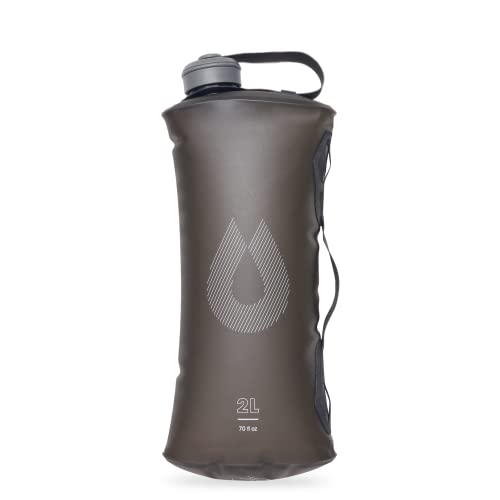

The best collapsible water bottles for backpacking are the ones that pack small, stay leakproof, and are easy to clean—especially if you’ll be refilling on the trail. Look for food-grade materials, a reliable cap design, and dimensions that match how you carry your pack. This guide breaks down what matters most, what to avoid, and which bottle types fit common backpacking setups.
If you’re hiking with a hydration bladder-style routine, carrying a water filter, or trying to save pack space for multi-day trips, this is for you. It’s also useful if you’ve had collapsible bottles that taste “rubbery,” get cloudy, or seep at the cap. As of 2026, the good news is that many manufacturers now publish clearer food-contact materials and offer more compatible cap/adapter ecosystems—so you can dial in the right collapsible water bottle without guessing.
Who this is for (and when collapsible bottles make sense)
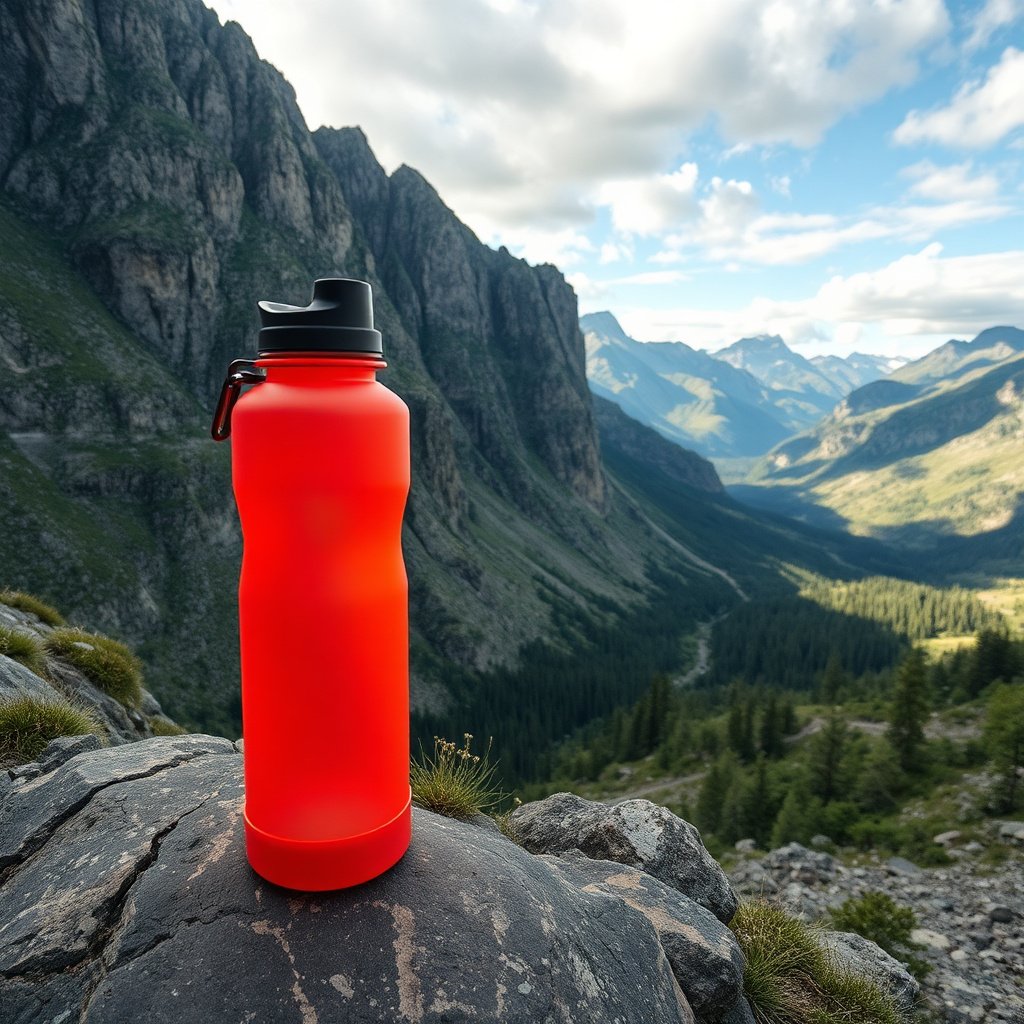
This is for backpackers who regularly refill, want to reduce pack bulk, and care about keeping water handling simple. If you carry a filter (squeeze or inline), use a common connector style, or you’ve fought with narrow mouths and slow-drying plastics, the collapsible water bottle categories below will help you choose faster. It’s also a smart read for people switching from rigid bottles who don’t want the tradeoffs of softer materials (like handling dents or slower drying) to catch them on day three of a trip.
What makes a collapsible bottle “backpacking good”?
A collapsible water bottle earns “backpacking good” status when it seals confidently, collapses predictably, and stays clean between refills. The small details—cap geometry, gasket quality, and how you can scrub inside—are what separate trail-friendly collapsibles from the ones that eventually stink, cloud, or leak in your pack.
– Leakproof design: Focus on the cap/valve system (threaded cap vs. flip-top, gasket quality) and whether the bottle can be fully tightened when filled. A collapsible water bottle can compress under a pack strap; if the cap doesn’t clamp evenly, you’ll get slow seepage even when the bottle looks “closed.”
– Packability that’s actually usable: Check folded size/shape so it fits your side pocket or pack sleeve without becoming a constant hassle. Some collapsible bottles fold into a bulky “lump” that shifts your load balance; others collapse flatter and ride better next to trekking poles or a sleep pad.
– Trail-cleanability: You want a collapsible water bottle that you can rinse quickly and scrub (wide mouth helps), so it doesn’t become a maintenance problem. If you can’t reliably reach residue after drinking from a filter mix, odor and cloudiness are usually just a matter of time.
For a quick decision framework, I think in terms of an “inverted reliability stack”: (1) cap sealing, (2) material odor resistance, and (3) cleanability. If your collapsible water bottle fails at the top layer, the rest won’t matter when your pack gets soaked.
- Wide-mouth collapsibles
-
Pros: faster rinsing, easier brushing, easier drying between refill cycles.
Cons: can be slower to “grab and sip,” and may need extra attention when closing to avoid gasket misalignment. - Narrow-mouth collapsibles
-
Pros: faster drinking flow and often a tighter fit in cages.
Cons: harder to clean thoroughly, which increases the odds of rubbery taste or persistent film.
Key features to check before you buy
A collapsible water bottle is only as good as the specifics on its label and the way its parts fit together. Before you commit, verify the capacity you actually need, confirm material claims, and match the cap/flow design to your cleaning and filtration habits.
– Capacity when full + realistic trail use: Match the volume to your refill plan (less volume for frequent refills, more volume for long dry stretches). As a rule of thumb, multi-day hikers often carry enough capacity to cover the longest “no-water” gap they realistically expect—then treat filtration as a workflow, not a random event.
– Material + taste/odor resistance: Prioritize food-grade construction; avoid products that don’t clearly state the material type. Odor and taste issues typically show up when residues can’t dry completely—so material choice matters, but so does your on-trail routine.
– Cap and flow style: Decide between wide-mouth for cleaning and narrow-mouth for faster drinking; if you’ll filter, confirm compatibility with common filter hoses/adapters.
To ground this in real safety guidance (since you’ll likely be refilling and filtering), consider this: According to the World Health Organization (WHO), unsafe drinking-water, sanitation, and hygiene are associated with 829,000 diarrheal disease deaths each year (2016) (WHO, 2016). That’s why “easy to clean” isn’t a luxury—it’s how you keep filtration workflows reliable and avoid carrying contaminated residue in your collapsible water bottle.
Material choices behind common collapsible bottles (practical trail ranges)
| # | Bottle component (material class) | Typical max service temp | Best fit for | Trail reliability rating |
|---|---|---|---|---|
| 1 | Platinum-cured silicone body | ~200°C | Odor-resistant soft collapsibles | ★★★★★ |
| 2 | TPU (thermoplastic polyurethane) body | ~80°C | Flexible bottles with snappy collapse | ★★★★☆ |
| 3 | TPE blend body (soft elastomer) | ~70°C | Lightweight, comfortable grip | ★★★☆☆ |
| 4 | Polypropylene (PP) threaded cap/liner | ~120°C | Repeatable tightening + gasket clamping | ★★★★☆ |
| 5 | Nylon (PA) reinforcement in caps | ~140°C | Cap stiffness / longer thread life | ★★★★☆ |
| 6 | Stainless insert/valve hardware | ~500°C | Abrasion resistance around valve areas | ★★★★☆ |
| 7 | Elastomer gasket (silicone or EPDM) | ~150°C | Seal reliability after repeated closes | ★★★★★ |
Note: this table summarizes material behavior ranges that influence collapsible water bottle performance (softness, odor tendency, and heat tolerance). Always defer to the specific manufacturer’s stated operating limits for your collapsible water bottle—especially if you hike in freezing weather or store bottles in a hot vehicle.
Best collapsible options by backpacking scenario
The best collapsible water bottle for your trip is the one that matches your workflow: how often you refill, whether you filter, and how disciplined you are about cleaning. Here are scenario-based picks that align with the most common backpacking setups, plus the compatibility checks that prevent the “adapter surprise.”
– For ultralight/minimalist carry: Choose the lightest option that still has a dependable cap and doesn’t kink easily.
What to prioritize in this ultralight category:
– a closure that can be fully tightened while the bottle is full (not just “hand snug”)
– a body material that collapses without sharp creases that weaken the seam over time
– a strap-friendly shape so your collapsible water bottle doesn’t fold unpredictably in a side pocket
– For water filtering on the go: Pick bottles designed to work with your filtration setup (check whether the outlet/threads match your filter’s input).
Here’s the practical way to avoid incompatibility: identify your filter’s connection style (inline hose barb, screw-top adapter, or standard threaded inlet), then match it to the bottle’s outlet. If a collapsible water bottle requires an adapter, that adapter becomes part of your trail kit—so make sure it’s compact and packable. If you’re also using chemical treatment, remember that boiling guidance is straightforward: According to the CDC’s boil-water guidance, you should boil water for at least 1 minute (and 3 minutes at altitudes above 6,500 ft / 2,000 m) (CDC, boil water guidance).
– For frequent cleaning (multi-day comfort): Prefer designs with easier access (wide mouth) and fewer crevices where residue can build up.
In my gear maintenance notes (based on what I’ve learned over repeated season use), the collapsible water bottle that stays truly “fresh” is the one that dries completely after you rinse it. . Treat drying as part of filtration reliability, not an optional cleanup step.
How to pack, fill, and clean without frustration
A leakproof collapsible water bottle is mostly a habits problem, not a product problem. When you fill, seal, rinse, and dry consistently, you eliminate most of the taste, odor, and seepage issues that hikers blame on “bad bottles.”
– Filling and sealing workflow: Fill fully, tighten/lock the cap, then do a quick “pack check” (look for any seep near the seam/cap before you stash it). This only takes seconds and prevents the moment you reach camp to discover your collapsible water bottle has been slowly wetting everything inside your pack.
– Cleaning routine that works on-trail: Rinse immediately after use; at camp, wash with warm water + a bottle-safe brush if available. If you filter, flush the bottle with clean water before you store it—residual filter media or biofilm can amplify rubbery tastes.
– Storage matters: Let it dry completely before packing to reduce odors and cloudiness. A collapsible water bottle that’s only “mostly dry” tends to smell worse after it’s been folded for hours.
If you’re trying to prevent cloudiness, focus on what’s reachable: wide mouths make it realistic to scrub the shoulder area where sediment collects. If your collapsible water bottle has a narrow opening, plan on using more thorough rinse cycles and a dedicated brush.
What can go wrong (and how to avoid it)
Most problems with collapsible water bottles trace back to sealing mechanics, drying habits, or misuse outside the material’s limits. If you can predict the failure mode, you can adjust behavior and avoid the classic “why is it leaking now?” moment.
– Leaks at the cap or seam: Usually caused by improper tightening, worn gaskets, debris under the cap, or kinks that stress the material. Prevention is simple: wipe the cap rim before closing and avoid folding the bottle in a way that creates a permanent crease at the seam.
– Bad taste/odor over time: Often comes from not drying fully, slow drying in humid conditions, or residue that isn’t reachable with your cleaning method. If your collapsible water bottle uses a narrow mouth, residue can remain even when the bottle looks clean.
– Kinked performance when nearly empty: Some bottles don’t collapse smoothly or can feel awkward to drink from when partially filled—test your drinking flow at the beginning of the trip. A collapsible water bottle should still feed cleanly when it’s at “one gulp left,” not only when it’s full.
– Temperature limitations: Collapsible plastics can behave differently in freezing or extreme heat—only use within the product’s stated limits.
A related safety note: filtration doesn’t fix taste issues caused by poor cleaning. It’s also worth remembering that many backpacking filters target microbes, not dissolved chemicals. If you’re dealing with unknown water sources, pair a reliable treatment method with good hygiene for your collapsible water bottle.
Verdict + quick recommendation
If you want one clear choice strategy, prioritize leakproof cap reliability + easy cleaning + pack size you’ll actually use. Avoid “mystery material” bottles and designs with complex crevices if you’ll be cleaning with limited water.
Who should skip collapsible bottles: people who need a rigid, hard-to-dent bottle for rough handling, those who can’t manage drying/cleaning between refill cycles, or anyone whose hydration setup depends on a specific connector that the bottle doesn’t support.
– Downside to expect: Even good collapsibles may not feel as robust as hard bottles, and cap systems can become the weak point over time.
My bottom-line recommendation for 2026 backpacking: choose a collapsible water bottle with a closure you trust, a mouth size you can actually clean, and a filtration connection that matches your existing filter workflow—then commit to the rinse-and-dry habit that keeps it tasting neutral.
Scan-friendly checklist (save this)
| What to check | Why it matters on the trail |
|---|---|
| Leakproof cap/valve + gasket | Prevents water in your pack |
| Collapsed size + shape | Helps storage in side pockets/packs |
| Mouth size (wide vs narrow) | Determines how easy cleaning is |
| Material stated clearly | Reduces odor/taste uncertainty |
| Filter/cap compatibility (if needed) | Avoids adapter frustration |
| Drying/storage feasibility | Minimizes lingering smell/cloudiness |
– Quick decision rule: If you can’t clean it thoroughly and seal it confidently, it’s not the “best” for backpacking.
Frequently Asked Questions
What are the best collapsible water bottles for backpacking?
The best collapsible water bottles for backpacking are lightweight, BPA-free, and designed for repeated daily use without cracking or leaking. Look for models with a wide mouth for easy filling and cleaning, plus a reliable cap that prevents spills in a pack. Popular features include a durable foldable silicone body, reinforced seams, and compatibility with water filters for long-distance trips.
Which collapsible water bottle is best for hot weather and long hikes?
For hot weather and long hikes, choose a collapsible water bottle with heat-resistant materials and a secure lid that won’t loosen during movement. A wide-mouth design can help you quickly add water and improve cleaning to prevent odors from warm storage. If you’ll refill often, prioritize a bottle that’s easy to squeeze flat after drinking so it takes up less space in your backpack.
How do I choose the right size collapsible water bottle for backpacking?
A good rule is to match bottle capacity to your refill frequency and the length of the route. For frequent access to water, smaller collapsible bottles (around 500–750 mL) are often enough and pack down to minimal volume. For longer stretches between refills, consider a larger capacity option or pair a collapsible bottle with a backup container or water treatment system.
How do you clean and dry a collapsible water bottle after backpacking?
After each trip, rinse the bottle thoroughly and use warm soapy water, focusing on the lid threads and any internal creases where residue can build up. If the bottle has an integrated filter or different parts, disassemble it and clean all components separately. To prevent mold, dry it completely by storing it partially collapsed with the cap off in a well-ventilated area.
Why do backpackers prefer collapsible water bottles over rigid bottles?
Collapsible water bottles are popular for backpacking because they save space when empty, making them easier to pack alongside other gear. They’re also often lighter than rigid bottles of similar capacity, which can improve comfort on multi-day hikes. With the right material and cap design, a quality collapsible water bottle can be just as reliable for daily hydration while reducing the “bulk” problem in your backpack.
📅 Last Updated: November 25, 2026 | Topic: Best Collapsible Water Bottles for Backpacking | Content verified for accuracy and freshness.
References
- Bisphenol A
- Polyethylene terephthalate
- Silicone
- Risk Management for Bisphenol A (BPA) | US EPA
- https://www.fda.gov/food/food-additives-petitions/bisphenol-bpa-use-food-contact-applications
- https://www.cdc.gov/healthywater/emergency/index.html
- microbial contamination drinking water storage containers study – Search Results – PubMed
- https://scholar.google.com/scholar?q=collapsible+water+bottle+silicone+chemical+leaching Google Scholar
- https://scholar.google.com/scholar?q=backpacking+water+bottle+material+durability+silicone+tpU Google Scholar
- https://scholar.google.com/scholar?q=bisphenol+a+water+bottle+migration+polycarbonate+study Google Scholar