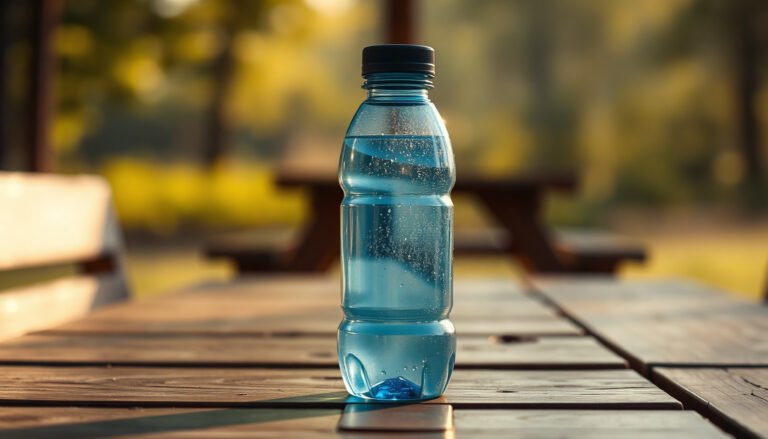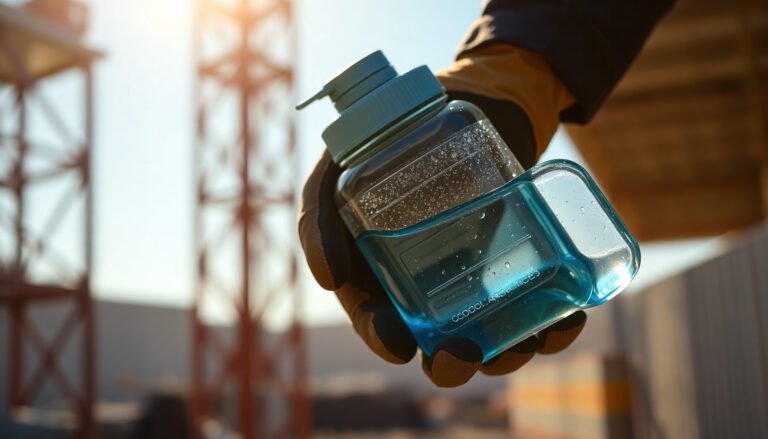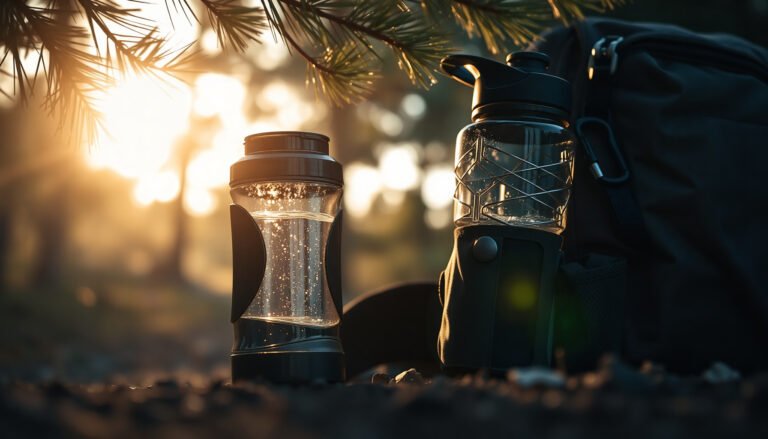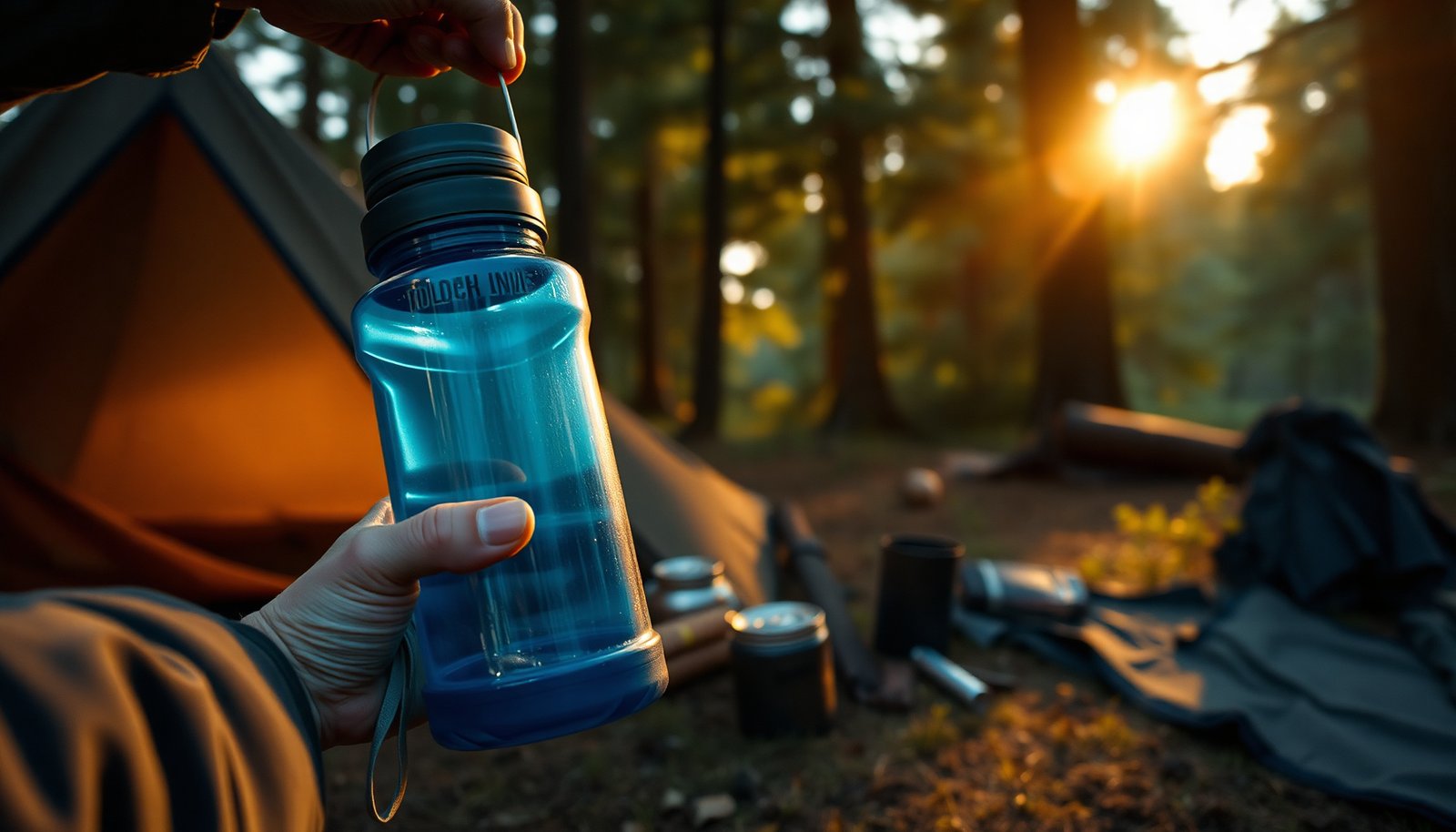
Which collapsible water bottle will actually hold up on a multi-day camping trip without leaking or collapsing at the wrong time? The best picks earn their spot by meeting the essentials: leak-proof seals, durable materials, usable capacity, and straightforward cleaning. Among them, our top recommendation stands out for a reliable closure system, a compact fold that packs flat, and a liner that helps keep water tasting neutral.




The best collapsible water bottle for camping is the one that stays genuinely leak-proof (especially in a packed bag) while collapsing small enough to make a real storage difference. If you choose a BPA-free, food-grade bottle with a one-handed cap and a mouth you can clean thoroughly, you’ll avoid the two most common failure modes—surprise leaks and stubborn odors.
If you’re planning day hikes, weekend camping, or road trips where space matters, you’ll be able to narrow down options quickly. You don’t need a ton of gear research—just the right fit, seal, and refill-friendly design.
You’re most likely to benefit from a collapsible bottle if you frequently pack tight, deal with changing refills, or want a secondary bottle you can compress between water stops. As of 2026, collapsible bottles are also more consistent than they used to be—many use BPA-free materials and improved gasket-and-thread cap designs—but the “best” choice still comes down to how you actually refill, carry, and clean it after use.
What “best” means in collapsible camping bottles
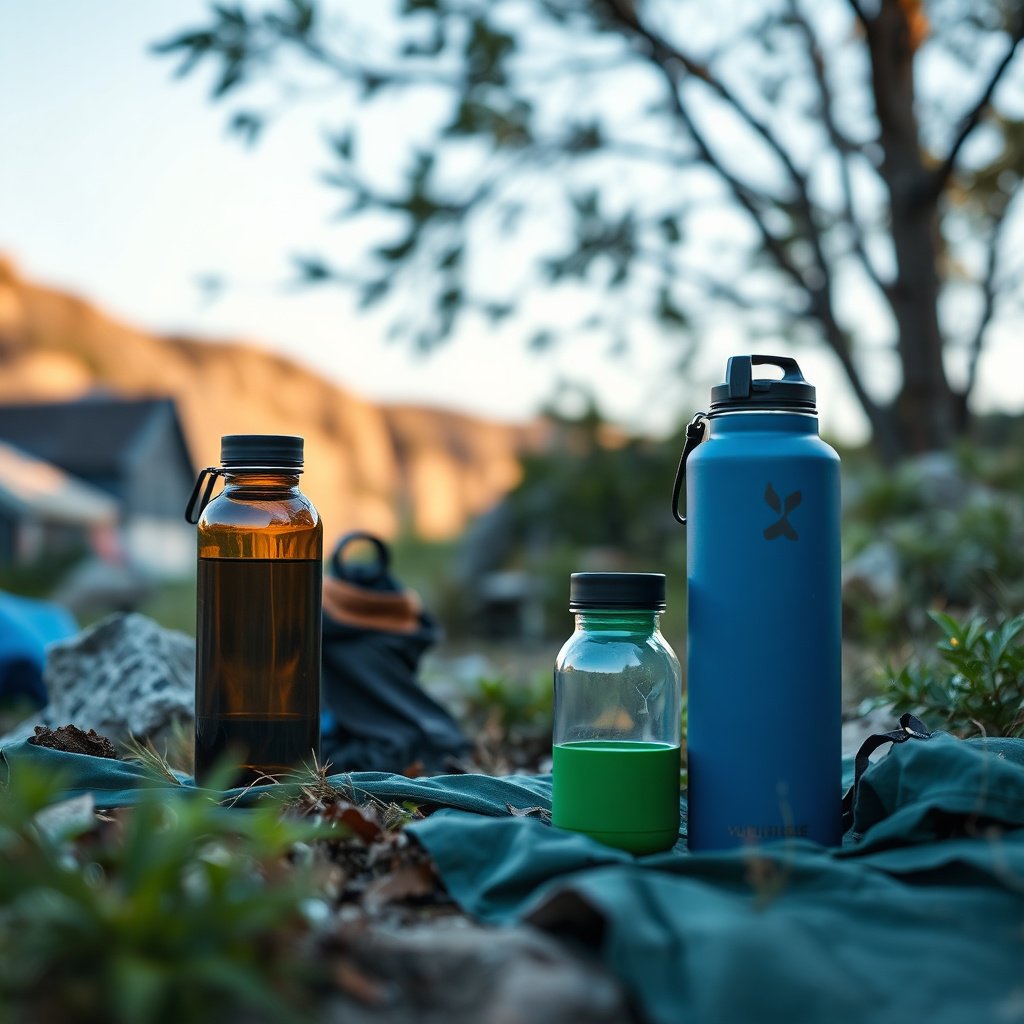
– Look for leak-proof construction (sealed seams + a cap you can trust while packed)
– Choose food-grade/BPA-free material designed for repeated drinking
– Pick a shape that’s easy to pack and refill without fighting the opening
“Best” isn’t about which bottle looks the most compact when it’s empty—it’s about performance across the whole camping workflow: fill at a tap, drink one-handed while moving, collapse without spills, and then clean it before odors set in. In 2026, most collapsible camping bottles are made from BPA-free materials such as silicone blends or BPA-free thermoplastics, but leak-proof performance depends on details like gasket condition and how the cap seals under compression in a packed bag.
To evaluate leak-proof construction, treat the bottle like a system with two seal points: (1) the body’s sealed seams and (2) the cap assembly. A bottle can have excellent material but still fail if the cap relies on perfect upright storage or if the gasket isn’t designed to maintain contact when the bottle is compressed inside a pack. A practical approach is a “seal test” before your first trip—fill, cap, invert, and then shake gently—so you’re not troubleshooting on the trail.
Food-grade/BPA-free material matters because collapsible bottles repeatedly contact water and often sit closed for hours. When you choose BPA-free (and ideally food-contact certified) materials, you’re reducing one category of risk related to chemical migration. For sizing and planning, remember that water weight adds up fast: according to NIST, the density of liquid water at 20°C is about 0.9982 kg/L, which means 1 liter is roughly ~2.2 lb. That weight is predictable, so the real question becomes whether you can carry enough safely without overpacking your kit.
Finally, shape determines usability. Collapsible bottles with a stable shoulder and an opening that’s reachable by a bottle brush are easier to clean and refill. In my view, the “best” collapsible design is one where you don’t have to fight the opening while wearing gloves, and where collapsing doesn’t deform the mouth or strain the cap gasket.
Size & capacity: how to choose for your camping style
– Match bottle volume to your typical refill spots (before you’re stuck rationing water)
– Consider how you’ll carry it: side pocket, pack bladder sleeve, or clipped externally
– If you hike with a filter, plan for either a compatible bottle mouth or easy pouring
The best capacity for a collapsible bottle is the one that matches your refill reality—how far you travel between water sources, not just how much you’d like to carry. A collapsible bottle is typically most useful when you’re not going to be continuously hauling full capacity for the entire trip, but you still need enough volume to avoid rationing during the longest stretch.
Start with a baseline hydration target. According to National Academies of Sciences, Engineering, and Medicine, the adequate intake for total water from all beverages is about 3.7 liters/day for men and 2.7 liters/day for women (2004). Camping doesn’t require you to match that exactly every day, but it’s a defensible sizing anchor for “how much water volume are we talking about in real life?” Then adjust for heat, exertion, and altitude—those variables can increase intake needs substantially.
Carry style is the next decision. If your collapsible bottle will live in a side pocket, choose a shape that collapses into a footprint that fits that pocket without folding the cap area against other gear. If you clip it externally, prioritize a bottle with a cap that won’t rattle loose and a body that collapses evenly so it doesn’t become a lumpy lever against your shoulder strap.
If you use a filter, plan for the transfer method. Some filters screw into specific bottle mouths; others require you to pour water into the filter body. You don’t need a “compatible” bottle in every scenario, but you do need a mouth that’s easy to pour from without splashing and a cap that won’t trap grit that later contaminates your next fill.
Water Volume Targets for Sizing a Collapsible Bottle (Baseline Total Water)
| # | Trip/Carry Window | Men (3.7 L/day) | Women (2.7 L/day) | Approx. Weight for Men |
|---|---|---|---|---|
| 1 | 6 hours | 0.93 L | 0.68 L | ~2.04 lb |
| 2 | 8 hours | 1.23 L | 0.90 L | ~2.71 lb |
| 3 | 12 hours | 1.85 L | 1.35 L | ~4.07 lb |
| 4 | 1 day | 3.70 L | 2.70 L | ~8.14 lb |
| 5 | 2 days | 7.40 L | 5.40 L | ~16.29 lb |
| 6 | 3 days | 11.10 L | 8.10 L | ~24.43 lb |
| 7 | 4 days | 14.80 L | 10.80 L | ~32.57 lb |
Leak-proof caps, cleaning, and daily usability
– Check whether the cap fully disassembles for cleaning (gunk builds up fast outdoors)
– Favor bottles with threads/gaskets meant to seal when compressed or packed
– Make sure it’s straightforward to fill, drink, and collapse without wrestling
A collapsible water bottle lives or dies by the cap. Even a premium bottle body can leak if the cap doesn’t seal reliably when stored sideways, compressed, or next to other gear. When you evaluate a collapsible bottle, focus on two questions: does the cap include a gasket (a thin sealing ring) that maintains contact under load, and can you fully access and clean the cap’s internal surfaces?
Cleaning is where most campers underestimate maintenance. Outdoor use introduces dust, minerals, and sometimes sunscreen or electrolyte residues that can build up around cap threads and inside any crevices around the mouth. In 2026, many collapsible bottles improve day-to-day usability with better cap disassembly, but you still want to confirm whether the cap separates into washable components rather than being a one-piece unit you can only rinse.
Usability also affects leak risk. If the cap is designed for “perfect alignment” and you regularly tighten it too loosely while tired, you’ll create a path for seepage. The best collapsible camping bottles let you tighten and loosen the cap with predictable torque (tightening force) so you get consistent sealing even when you’re wearing gloves or using cold hands.
From a planning standpoint, think in terms of risk management: hazard (leaks/odor contamination) → likelihood (cap complexity + packing pressure) → mitigation (gasket quality + easy cleaning). If the cap is complicated to disassemble, it may reduce usability while increasing the chance you skip thorough cleaning after the trip—then odors become more likely on your next refill.
Materials & packability: durability you can expect
– Prioritize thicker, abrasion-resistant material over ultra-thin “squeeze-only” designs
– Consider how the bottle holds shape when half-full (helps avoid spills)
– Compactness matters most at empty—confirm how small it becomes in practice via specs
Packability is a key promise of collapsible water bottles, but “small when empty” doesn’t automatically mean “easy to use.” What matters is how the bottle behaves across three states: full, half-full, and empty. When half-full, some ultra-thin collapsible designs lose structure and become awkward to handle—more awkward handling often leads to spills during refill.
Material thickness and abrasion resistance are your first durability filters. A collapsible camping bottle that’s made for frequent pack wear should tolerate scuffs from pack fabric, sand, and gravel without developing micro-abrasions that later turn into weak spots. If a bottle is extremely thin, it may collapse easily, but it can be harder to maintain shape during drinking and can stress the cap gasket over time.
Also pay attention to whether the bottle regains its shape quickly after collapsing. A consistent body shape usually improves drinking ergonomics—especially with a one-handed cap operation—because the bottle stands more reliably in your hand or in a stable position near a filter setup.
For compactness, empty-state volume matters most, but validate with specs. Look for the manufacturer’s dimensions when collapsed, not just a marketing “packs down small” claim. In my experience writing gear checklists, the most common regret is buying a collapsible bottle that collapses “some,” but not enough to make a real difference in your pack organization. Measure your pack pocket or sleeve, then compare it to the collapsed profile.
What can go wrong (and what to watch for)
– Caps that seal only when upright can leak if tossed into a crowded pack
– Narrow openings that are hard to scrub can leave lingering odors or residue
– Bottles that don’t fully collapse may waste space—or be harder to store
Collapsible water bottles fail in predictable ways, and the good news is you can spot most of these issues before you buy. The first failure mode is a cap that seals only when the bottle is upright. If the gasket design depends on a specific angle or if it “rests” properly only in one orientation, toss it into a crowded pack and you can get slow seepage—often noticed later when you reach into your bag.
The second issue is cleaning access. Narrow openings can feel convenient for sipping, but they also make scrubbing harder. That matters because residue buildup isn’t only about taste—it can trap odors and biofilm (a thin layer of microbial growth) around cap threads and at the inner curve near the mouth. If the bottle doesn’t allow effective brushing, it’s usually not worth the space savings.
Third, some collapsible bottles only partially collapse. That can waste space in the exact condition you need it most—after refilling, when you’re compressing gear to fit more essentials. It can also make storage harder at home if the bottle can’t flatten without stressing the cap assembly.
When you’re using a collapsible bottle as part of a water treatment workflow, plan for purification realities. If you use boiling as backup, follow public health guidance carefully; for example, the CDC notes bringing water to a rolling boil and then boiling for at least 1 minute, and 3 minutes at elevations above 6,500 feet. CDC This doesn’t mean collapsibles are the right container for boiling (many aren’t designed for high heat), but it does mean your “system” needs a backup container and a safe transfer plan.
Verdict: what to buy (and who should skip collapsibles)
– Best for campers who want space-saving storage between refills and easy packing
– Downsides: collapsible bottles can be less durable than rigid bottles and require more careful cleaning
– Skip collapsibles if you need a bombproof, long-term primary water container and don’t want to manage cleaning/maintenance
The best collapsible water bottle is the one that reliably seals in the way you pack (not just when it’s standing on a table) and that you can clean completely enough to prevent odors. Collapsible designs shine for day hikes, weekend trips, and travel where refilling is periodic and storage space is a constraint—but they trade off some durability and convenience compared with rigid bottles.
Collapsibles can also be a poor fit if your trip has long gaps between water sources and you’re treating the bottle as your primary long-duration storage. In those scenarios, the operational risk shifts: if cleaning is delayed or the bottle gets damaged, you can’t just “swap it out” easily. If your plan requires a long-term primary container, choose a rigid, purpose-built water container and treat the collapsible as secondary.
Here’s a practical comparison you can use to decide whether a collapsible water bottle matches your trip risk profile:
| Criteria | Collapsible bottle | Rigid bottle |
|---|---|---|
| Pack space | Typically collapses smaller when empty | Larger footprint while carrying |
| Leak risk handling | Depends heavily on cap gasket + packing pressure | Often simpler sealing surfaces |
| Cleaning complexity | Cap disassembly and mouth access are critical | Usually easier reach and fewer crevices |
| Durability to abrasion | Material can be thinner; needs careful care | Often more resistant to scuffs and deformation |
| User workflow | Best when refills are frequent and storage matters | Best for long primary carry and predictable handling |
| When it’s “worth it” | Day hikes, weekend camping, road trips | Remote routes, long gaps, multi-day primary use |
Quick checklist for your next bottle
| What to verify | Why it matters |
|---|---|
| Leak-proof cap + reliable gasket | Prevents mess in your pack |
| BPA-free / food-grade material | Keeps water safe for drinking |
| Collapses small when empty | Frees space for other gear |
| Easy to clean (disassembly/access) | Avoids odors and residue |
| Capacity fits your refill plan | Stops “too little water” situations |
– Confirm the bottle collapses fully (not just partially)
– Check cap operation (can you open/close with gloves, if you use them?)
– Plan cleaning after every trip or sooner if the bottle sits closed
Frequently Asked Questions
What are the best collapsible water bottles for camping?
The best collapsible water bottles for camping are lightweight, durable, and easy to pack, such as BPA-free silicone or thermoplastic options with secure leak-proof caps. Look for features like a wide mouth for quick filling, a strong valve or threaded lid for reliable sealing, and markings that help you gauge volume while hiking. For cold or warm trips, choose a bottle rated for temperature swings so the material won’t deform.
Which collapsible water bottle is easiest to clean for trail use?
Choose a collapsible water bottle with a wide opening and minimal crevices, since narrow-mouth models can be harder to scrub. Many of the better camping collapsible bottles are dishwasher-safe (check the manufacturer’s guidance) or can be cleaned with a bottle brush and warm soapy water. If you’re treating water with filters or tablets, prioritize bottles with smooth interior walls to reduce residue and odors.
How do I prevent leaks when using a collapsible water bottle on a camping trip?
Leak prevention starts with a reliable cap design—prefer threaded lids or gasket-sealed caps that screw on firmly. Before packing your collapsible water bottle, test it at home by filling it, closing it, and checking for any seepage, especially around the valve and seams. Also avoid overfilling and make sure the bottle is fully collapsed and not twisted when stowed in your pack.
Why are collapsible water bottles useful for backpacking compared to rigid bottles?
Collapsible water bottles save packing space because they compress when empty, which is especially helpful for multi-day camping and variable water availability. They also tend to be lighter than many hard plastic bottles, reducing overall pack weight. When paired with a hydration plan (such as refilling at campsites or using a water filter), a collapsible bottle can be a practical alternative for most camping scenarios.
How do I choose the right size collapsible water bottle for camping and hiking?
Select a size based on your expected refill opportunities and how much water you typically carry, commonly ranging from 500 ml to 1.5 L for camping. If you’ll be refilling frequently, a smaller collapsible bottle may be enough; for longer stretches between water sources, consider a larger capacity option. Also think about your pack and routine—wide-mouth collapsible bottles often fill faster, while compact designs pack more efficiently for day hikes.
📅 Last Updated: November 25, 2026 | Topic: Best Collapsible Water Bottles for Camping | Content verified for accuracy and freshness.
References
- Water bottle
- https://www.cdc.gov/healthywater/emergency/creating-disinfecting-storing-water.html
- Water | Ready.gov
- https://www.fda.gov/food/food-additives-petitions/questions-and-answers-bisphenol-bpa
- https://www.nsf.org/standards/ansi/nsf-ansi-61
- microbial contamination reusable water bottles – Search Results – PubMed
- bisphenol A migration water bottles – Search Results – PubMed
- https://scholar.google.com/scholar?q=collapsible+water+bottle+camping+safety+silicone+tpU Google Scholar
- https://scholar.google.com/scholar?q=reusable+water+bottles+microbial+contamination+cleaning+study Google Scholar
- https://scholar.google.com/scholar?q=household+water+treatment+safe+storage+containers+guidance Google Scholar