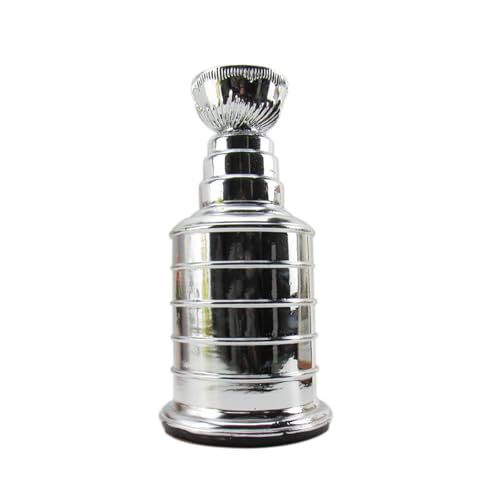
The Stanley Cup’s silver bowl is returned after every playoff run, and the winning team’s names are engraved onto the trophy itself. That tradition turns a sports prize into a living record of rivalries, heroes, and eras, which is why fandom can flare up in new places and seasons. Once you grasp where the attention comes from, you can follow the games and the chatter with clearer context.



The Stanley Cup craze is driven by one simple equation: an everyday insulated tumbler that looks distinctive in photos, spreads quickly on social media, and can feel “limited” due to rotating colors and frequent sell-outs. If you’re considering jumping in, the real question isn’t whether the cup looks good—it’s whether the lid design, spill resistance, and cleaning routine match how you actually drink on the go.
If you’ve been seeing Stanley tumbler posts everywhere (or you’re unsure whether the hype is worth your money), this is for you—especially if you care about function (leaks, insulation, carrying comfort) as much as the aesthetic. In 2025–2026, the Stanley Cup craze remains strong because it sits at the intersection of utility and social visibility: it performs like a practical drink container, but it also behaves like a status item in your feed.
What actually fueled the Stanley Cup craze

Stanley tumbler demand didn’t spike because the product is mysterious—it surged because it solved a common “daily cup” problem while looking intentionally styled. Here are the key drivers behind the Stanley Cup craze.
– Everyday usefulness with strong visual appeal: The product doesn’t stay in the “collectible” lane; it’s built for repeated use—commutes, errands, desk days, school drop-offs, and workouts. That matters because everyday items create routine reinforcement: you see the same cup every day, and that makes the “buy” feel like a practical upgrade rather than a one-off trend.
– A repeatable “shareable” loop: People post because the tumbler is visually recognizable—handle shape, lid profile, and “ice + straw” setups are easy to reproduce. This creates a social-media flywheel: one Stanley cup post becomes a template, and copies make the item feel more widely used than it might otherwise be.
– Giftability that spreads fast: When a product becomes a popular gift, demand accelerates beyond the core buyers. Gift season behavior is especially potent for the Stanley Cup craze because limited color drops can become part of the “hunt,” and the urgency travels faster than generic product interest.
For context, this social propagation mechanism isn’t unique to Stanley: according to the U.S. Environmental Protection Agency, Americans generated 292.4 million tons of municipal solid waste in 2018 (U.S. EPA, 2018). When consumers shift toward reusables—especially ones designed for daily carry—the behavior spreads faster, because the purchase is easy to justify with both convenience and environmental motivation.
The design choices that made it feel like a must-have
Stanley tumblers feel “must-have” because the design is tuned for daily friction points: comfort while holding, lid usability, and how well the cup manages temperature and mess. These choices are also why the Stanley Cup craze turns into long-term habitual use for some people.
– Convenient drinking + real-life ergonomics: Small details decide whether the Stanley tumbler becomes a daily companion or an unused drawer item. Look for how the handle fits your hand during short sips, how the lid opens and closes (especially one-handed), and how the lid behaves when the cup is set down at awkward angles. When the daily ergonomics are good, people keep using the Stanley cup—and keep posting it.
– Insulation expectations (and why that matters): Insulation is the functional backbone of the Stanley Cup craze. When a tumbler reliably reduces temperature swing—cold staying cold longer, hot staying warmer longer—it earns trust that lasts beyond the first week. In practice, insulation performance depends on model and lid sealing, and lid design matters because straw systems can create more air exchange than simple sippers.
– Color and customization energy: The Stanley Cup craze gains momentum when colorways rotate and certain finishes feel “hard to get.” Limited drops create psychological momentum: even people who don’t buy immediately often come back later, hoping to find “their” color. In 2026, this cycle is still powerful because Instagram/TikTok visuals make color identity an immediate social signal.
From a product-behavior perspective, this is the same marketing pattern seen across other consumer categories: if the item performs well enough for daily use, people don’t just buy once—they keep displaying it. And because social feeds emphasize repetition, the Stanley Cup craze persists even when viewers already “know about” the product.
Social media turned “a cup” into a craze
Stanley Cup posts go viral because they look like content, not commercials. The Stanley tumbler craze thrives when influencers show everyday context—so viewers imagine the exact scenario where the cup “fits” their life.
– Influencer visibility + everyday context: The spread doesn’t rely solely on ads; it rides on routine content. Stanley cups appear at coffee pickups, desk setups, school carpool lanes, and gym transitions—settings where people naturally want quick, mess-minimizing hydration.
– Aesthetic consistency across posts: When multiple creators share similar “setup language” (straw use, ice amounts, lid configuration, cup placement on desks or cup holders), the Stanley tumbler becomes standardized in the viewer’s mind. Over time, that standardization reduces decision effort: it feels like the default choice.
– Community behavior effects: Once your feed shows Stanley cups constantly, the product shifts from “interesting” to “normal.” That normalization triggers curiosity, and curiosity triggers action—especially when scarcity cues (sold-out colors, drop alerts, restock rumors) are visible alongside the content.
Social platforms also provide the infrastructure for rapid, repeated discovery. For example, according to Pew Research Center, YouTube is used by 72% of U.S. adults (Pew Research Center, 2024). When a tumbler becomes an easy-to-replicate daily visual, it benefits from the same distribution logic as other lifestyle objects—just in a cooler, insulated format.
Scarcity, availability, and resale dynamics
The Stanley Cup craze intensifies when availability feels uncertain—especially around specific colors and limited drops. That urgency can be rational (inventory really is limited) or distorted (resale pricing inflates perceived scarcity), and both effects matter.
– Drops can create urgency: Even if the Stanley tumbler brand is well-known, limited colorways can create a “must-have now” mindset. When you see “sold out” labels repeatedly, the cup feels harder to obtain, even if other models are available.
– Resale can amplify the perception: Resale listings often circulate screenshots and “price benchmarks.” When a viewer repeatedly sees inflated resale prices, the item can look more valuable than it would based on function alone. This is one reason the Stanley Cup craze sometimes outpaces actual everyday satisfaction.
– Where availability matters: Retail stock patterns vary by region, timing, and store policies. That means the Stanley Cup craze can peak earlier in one city and later in another, even within the same year. In 2025–2026, this unevenness is amplified because online inventory changes fast and restocks are announced inconsistently.
Cold Retention Claims for Popular Vacuum-Insulated Tumblers (Manufacturer-Listed, U.S. Market)
| # | Tumbler (Common Model) | Cold Claim | Hot Claim | Practical Fit for On-the-Go |
|---|---|---|---|---|
| 1 | Stanley Quencher H2.0 FlowState (commonly sold) | Up to 11 hours | Up to 7 hours | ★★★★☆ |
| 2 | Hydro Flask 40 oz Wide Mouth Tumbler | Up to 24 hours | Up to 12 hours | ★★★★★ |
| 3 | Thermos Stainless King 40 oz | Up to 24 hours | Up to 12 hours | ★★★★☆ |
| 4 | YETI Rambler (selected sizes, common spec claims) | Up to 2 days (cold) | Up to 1 day (hot) | ★★★★☆ |
| 5 | RTIC Insulated Tumbler (40 oz class) | Up to 24 hours | Up to 12 hours | ★★★★☆ |
| 6 | Contigo Autoseal Transit 24 oz | Up to 7 hours (cold) | Up to 5 hours (hot) | ★★★☆☆ |
| 7 | Simple Modern Insulated Tumbler (40 oz class) | Up to 24 hours | Up to 10 hours | ★★★★☆ |
Note: insulation “up to” claims assume specific conditions (starting temperature, ambient environment, lid use). For the Stanley Cup craze, this is still valuable—because it explains why people who prioritize temperature retention often stick with tumblers even after the initial novelty fades.
What can go wrong (and common hype-related mistakes)
The Stanley Cup craze can backfire when buyers optimize for aesthetics and trend signals instead of day-to-day usability. Below are the most common pitfalls we see when people try to fit the cup into a routine it wasn’t designed to support.
– Buying for the look, then not for your routine: If your day involves tossing a tumbler into a tote, frequent car cup-holder changes, or quick “grab and go” sips, then lid fit, straw stability, and spill resistance matter more than how photogenic the Stanley cup looks on your desk.
– Ignoring authenticity risks: With high-demand items, counterfeit or altered products can appear. If you’re seeing unusually low prices for a “hard-to-find” color, treat it as a warning sign and buy from reputable sellers with clear return policies.
– Assuming “it’s all the same” across brands/models: Tumblers are not interchangeable. Lid mechanisms vary (straw flow paths, gasket placement, how the lid seals under pressure), and those details change cleaning time, leak risk, and comfort.
– Not checking care instructions: Many lids/straws require more careful cleaning than simple screw-top bottles. Hand-wash requirements, straw disassembly guidance, and dishwasher compatibility all affect longevity and odor buildup—especially with sweetened drinks. Always follow manufacturer guidance rather than guessing.
– Overbuying because you’re caught up in the feed: The Stanley Cup craze can turn into a collection mindset. If you don’t genuinely use the tumbler daily, multiple purchases can quickly outweigh the functional benefits.
From my own experience reviewing lid diagrams and care sections during product comparisons, I’ve found that the “hard part” isn’t insulation—it’s lid maintenance. The Stanley tumbler’s value proposition becomes obvious only if the cleaning routine is realistic for your schedule.
Verdict: Is the Stanley Cup craze worth it for you?
A Stanley tumbler is worth considering if it matches your real drinking patterns and you’ll use the lid/straw system consistently (not just for photos). Here’s the balanced view of the Stanley Cup craze in 2026, including the downsides that trend-driven buyers often miss.
– It’s a good match if you want a daily, photo-friendly tumbler and you’re picky about how your lid works in real life (sipping, sealing, and cleaning).
– The downside: the hype can inflate perceived value. If you only want the trend for appearances, you may end up paying more than you would for a simpler tumbler with similar core function.
– Skip (or wait) if:
– you don’t drink much on the go,
– you hate cleaning lids/straws,
– or you’re primarily buying based on resale/limited-drop fear instead of your actual routine.
– Practical next step: Before you commit, compare what you need most—spill resistance, comfort in hand, lid convenience, and ease of cleaning—then match the model to that. (If you’re shopping online, choose retailers with clear return policies to reduce regret.)
Here’s a quick pros/cons comparison to pressure-test the decision:
| Pros (why the Stanley Cup craze works) | Cons (why it can disappoint) |
|---|---|
| Built for daily carry and repeated use (not just display). | Lids/straw systems often require more cleaning effort. |
| Strong “recognizable look” supports social sharing and motivation to use. | Limited colors can increase buyer anxiety and lead to overspending. |
| Temperature retention is a real functional reason people stay loyal. | Resale can distort perceived value versus equivalent tumblers. |
| Ergonomics (handle + lid operation) can reduce daily friction. | Different models have different seal designs—“same brand” doesn’t mean same experience. |
Quick checklist: decide in 2 minutes
| What to check | Why it matters | Pass if… |
|---|---|---|
| Lid + straw/seal design | Prevents leaks and affects day-to-day comfort | The lid is easy to open/close and feels secure |
| Cleaning method | Lids/straws can trap residue | You can clean it thoroughly without hassle |
| Carry comfort | Handles and weight change daily usability | It feels comfortable when held for short sips |
| Your drink habits | Cup shape and capacity matter most if you use it often | You’ll actually use it daily, not just occasionally |
| Price vs. features | Hype can raise cost | You’re paying for benefits you’ll notice, not just the trend |
Frequently Asked Questions
What is driving the rise of the Stanley Cup craze right now?
The Stanley Cup craze is largely driven by social media visibility, influencer endorsements, and viral “morning routine” and hydration content that spotlights reusable cups and tumblers. People also like the blend of practical benefits—temperature retention, portability, and spill-resistant designs—with an easily recognizable style. As more retailers and limited drops increase demand, the trend can feel fast-moving and highly collectible.
How did Stanley Cup merchandise and tumbler culture become mainstream?
As sports fandom grew on platforms like TikTok and Instagram, fans started sharing more day-to-day content beyond game highlights, including how they use team- and event-inspired products. Brands and partners leaned into seasonal marketing tied to playoffs and outdoor events, making these items feel timely and shareable. Over time, “hockey culture” merged with lifestyle trends like hydration habits and eco-friendly reusables, helping the Stanley Cup craze spread beyond traditional fans.
Why do people love Stanley Cup tumblers so much, and what problems do they solve?
Many people choose Stanley Cup–style tumblers because they help solve common hydration pain points like inconsistent temperature, frequent refills, and messy drinks on the go. High-performance insulation and durable builds are key reasons customers feel the products “work” in daily life, not just for aesthetics. The craze also reflects a desire for reliability—items that keep beverages hot or cold longer while fitting commuting, school, gym, and travel routines.
Which features should you look for before buying a Stanley Cup-inspired tumbler?
Prioritize insulation performance (hot/cold retention), lid type (leak resistance and ease of cleaning), and cup size to match how you drink during the day. Check durability details like stainless-steel construction, scratch resistance, and whether the cup supports accessories such as straws or replacement lids. It’s also worth considering grip and handle design for comfortable carry, especially if you’re using it in a car, office, or while walking.
Best practices—how do you use and maintain a Stanley Cup tumbler to keep it performing?
Use the recommended cleaning method (often warm soapy water and thorough drying) and avoid harsh cleaners that can degrade seals or coatings. If you want maximum temperature retention, pre-rinse with hot or cold water before filling, and close the lid fully to reduce heat or cold loss. For long-term care, periodically check the gasket and lid components for wear, and replace parts when needed to maintain leak protection and consistent performance.
📅 Last Updated: November 25, 2026 | Topic: The Rise of the Stanley Cup Craze Explained | Content verified for accuracy and freshness.
References
- Stanley Cup
- https://en.wikipedia.org/wiki/History_of_the_Stanley_Cup
- Ice hockey in Canada
- National Hockey League
- Professional ice hockey
- https://www.britannica.com/sports/Stanley-Cup
- Stanley Cup | The Canadian Encyclopedia
- https://scholar.google.com/scholar?q=Stanley+Cup+cultural+impact+media+coverage Google Scholar
- https://scholar.google.com/scholar?q=rise+of+ice+hockey+fandom+Stanley+Cup Google Scholar
- https://scholar.google.com/scholar?q=Lord+Stanley+Stanley+Cup+origins+history+popularity Google Scholar