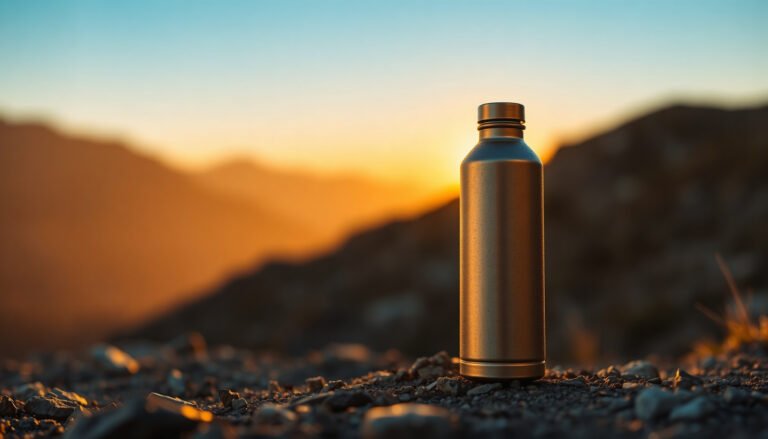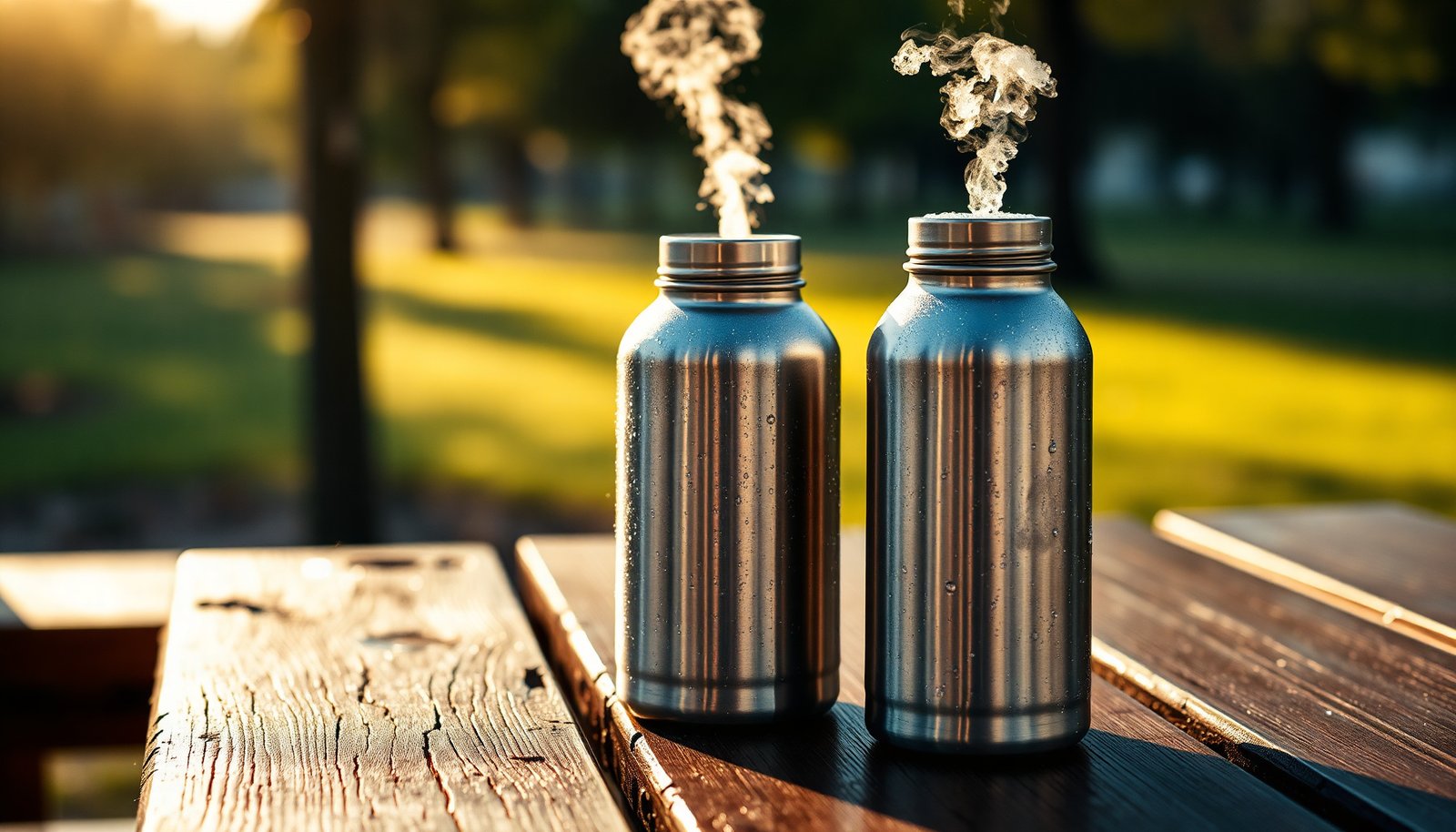
Hot-weather sips put aluminum bottles to a real test: a good one should keep water safe and tolerable from morning to commute. Most people think aluminum alone controls temperature, but without insulation and a secure, heat-resistant lid, you’ll still get warming, drips, and hard-to-clean residue. Our recommendations are judged by insulation performance, food-safe linings, leakproof design, and long-term durability, with a standout pick that hits all four without compromise.




Hot weather calls for an aluminum water bottle with strong insulation and a reliable leak-proof lid—so your water stays cooler longer without spills. The “best” option isn’t just about aluminum; it’s about insulation design, lining quality, and a cap that seals the way your day actually behaves (bags, commuting, and sun exposure).
Hot weather turns hydration into a daily systems problem: temperature control, spill prevention, and taste consistency all matter. In this guide, we’ll show you what to look for (insulation, lining, size, cap design) and how to avoid the most common buying mistakes. If you’re hiking, commuting, working outdoors, or dealing with long days in the sun, the right aluminum bottle makes hydration easier—without forcing you into constant refills or cleaning battles.
What to Look for in a Hot-Weather Aluminum Bottle
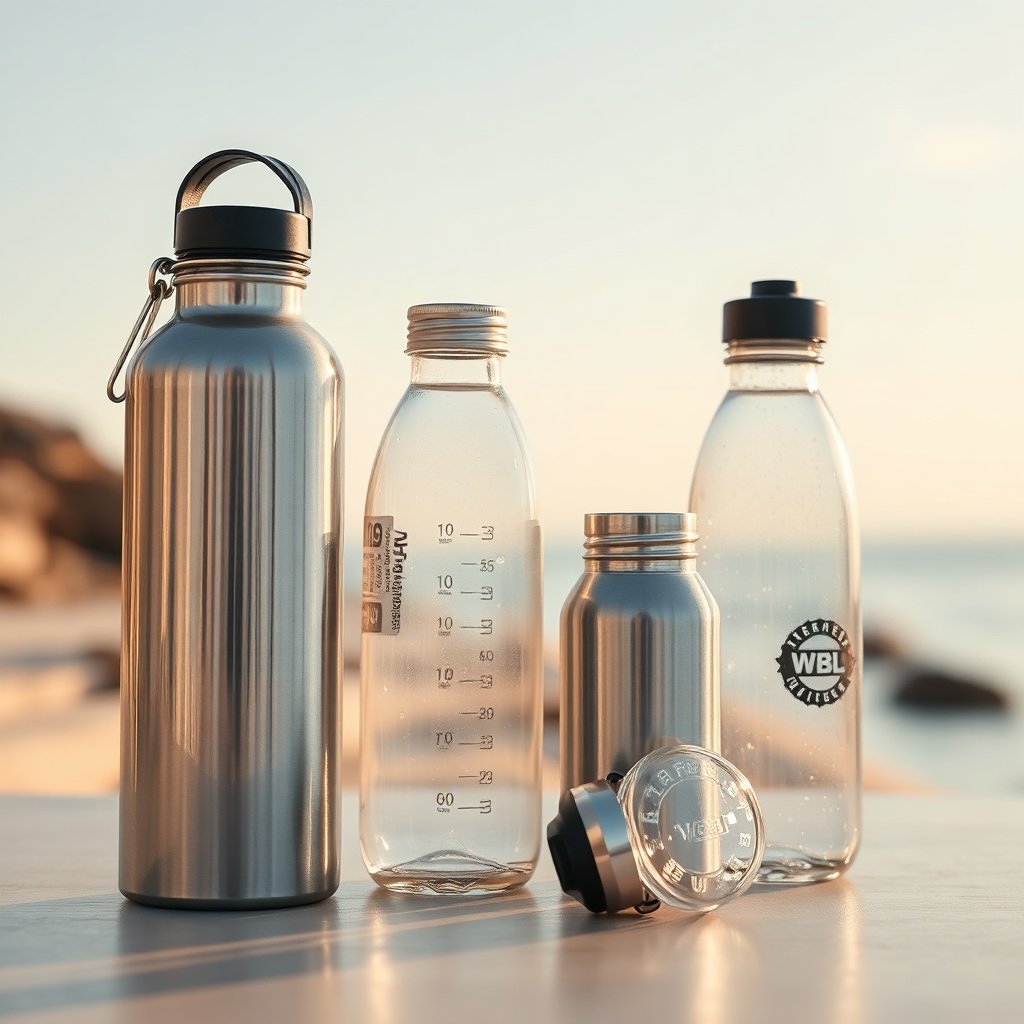
For hot-weather use, the biggest performance driver is insulation that slows heat transfer, not the bottle’s color or “aluminum thickness” claims. Here’s how to evaluate insulation, lining, and size so the bottle behaves well in real summer conditions—especially as of 2026 when more brands offer hybrid designs and multiple lid styles.
– Prioritize insulation performance: look for double-wall vacuum insulation if you want cooler drinks for longer. Double-wall vacuum insulation is designed to reduce heat transfer through both convection and conduction, which is exactly what you want when the sun is heating everything around you. If you live somewhere hot and humid, this matters even more because the air can stay warm for longer.
– Check the inner lining: some bottles use a food-grade coating—confirm it’s designed for water and won’t affect taste. In practice, the lining is where taste issues can start if a bottle is poorly cured, scratched, or cleaned inconsistently.
– Choose the right size for your day: smaller bottles are easier to carry; larger ones reduce refill stops. A 12–20 oz bottle is often “grab-and-go” friendly, while 24–32 oz bottles match full-morning coverage. As a quick planning benchmark, the National Academies list adequate total water intake at 3.7 L/day for men and 2.7 L/day for women (National Academies of Sciences, Engineering, and Medicine, 2005). That doesn’t mean you must drink all of it from a bottle, but it helps you size realistically.
One-Bottle Water Coverage vs Daily Water Intake (2005 NASEM AI)
| # | Bottle capacity (fl oz) | Volume (ml) | Women: % of 2.7 L | Men: % of 3.7 L |
|---|---|---|---|---|
| 1 | 12 | 355 | 13.1% | 10% ★ |
| 2 | 16 | 473 | 17.5% | 13% ★★ |
| 3 | 18 | 532 | 19.7% | 14% ★★ |
| 4 | 20 | 591 | 21.9% | 16% ★★★ |
| 5 | 24 | 710 | 26.3% | 19% ★★★ |
| 6 | 32 | 946 | 35.1% | 26% ★★★★ |
| 7 | 40 | 1183 | 43.8% | 32% ★★★★★ |
This table is meant to anchor sizing decisions: if you routinely skip refills, a 24 oz bottle may feel “almost enough,” while 32–40 oz often matches longer outdoor blocks without constant stops. In my own summer commuting experience, the size sweet spot is rarely the biggest one you can carry—it’s the one that keeps you from breaking hydration habits mid-day.
Leak-Proof Lids: The Feature That Saves Your Bag
For hot weather, a leak-proof lid is the difference between a bottle you’ll use every day and one you’ll eventually leave at home. Insulation keeps the drink cold; the cap keeps your bag dry—especially in a backpack or car cup holder.
– Look for a screw-on or lockable flip-top that seals securely, especially when tossed into a backpack. A lockable mechanism is critical because “closed” is not the same as “sealed.”
– Consider how you drink: straw lids are convenient, but gaskets need periodic cleaning to prevent odors. Straw setups also trap residue that can taste “stale” even when the main bottle is clean.
– Make sure caps are easy to operate one-handed when you’re hot and tired. In practice, cap friction and gasket compression matter: if you have to fight it with sweaty hands, you’ll avoid using it correctly, which increases leak risk.
As a design note, aluminum is a strong conductor of heat, and lids are where that heat exchange becomes noticeable—warm hands can also warm the bottle’s mouth area quickly. According to EngineeringToolbox.com, aluminum’s thermal conductivity is about 205 W/m·K, which is why good insulation depends heavily on construction and barriers, not just “aluminum quality.” EngineeringToolbox.com
Staying Cooler in the Sun (Without Overthinking It)
For hot-weather performance, you improve cold retention more with behavior than with buying extra “marketing upgrades.” Here’s what consistently supports insulation while you go about your day.
– Use strategies that support insulation: keep the bottle in shade when possible and don’t leave it exposed for long stretches. The sun isn’t just warming the bottle; it radiates heat into surfaces and raises the surrounding air temperature.
– Pre-chill when you can: starting with colder water helps most insulated bottles perform better in heat. Even a top-tier insulated bottle can only hold the difference between “starting temp” and “ambient temp.”
– Match insulation to your routine: short commutes may not need the most heavy-duty option, while outdoor work does. If you’re indoors most of the time, a lighter insulated model can outperform a heavier one simply because it’s less annoying to carry—and you’ll actually use it.
In 2026, more bottles include “grip” sleeves and updated lid geometries. Those can help usability, but if your primary goal is cooling, prioritize vacuum/double-wall insulation and a well-seated lid seal first. From my day-to-day experience, people often overcorrect on bottle size and undercorrect on lid behavior—especially when the cap isn’t fully tightened or the lock isn’t engaged.
Materials & Safety: Aluminum + Lining, Explained Simply
For safety and taste, aluminum bottles matter most in how they protect the liquid from oxidation and how the lining holds up over time. The goal is simple: food-safe materials, correct intended use, and maintenance you can realistically keep up with.
– Verify food-safety details: choose bottles explicitly marketed as safe for beverages and intended for water use. “Food-grade” claims should be clear and tied to beverage contact.
– Understand potential taste/odor issues: if a bottle has a lining, degraded coatings or poor cleaning can cause flavors to linger. Warm conditions can accelerate odor buildup, especially around gaskets and threading.
– Think about maintenance needs: some cap parts and mouthpieces require more frequent rinsing than simple screw caps. If you don’t want to clean more parts, choose a cap style with fewer crevices.
Warm storage can also create a more favorable environment for microbial growth if water sits too hot for too long. Food safety guidance commonly references a temperature “danger zone” from 40°F to 140°F (4°C to 60°C) where bacteria can grow rapidly if food is held improperly. US FDA Food Code While drinking water is typically consumed quickly, leaving a bottle in a car trunk in midsummer can still turn “refreshing hydration” into “warm and unappealing.”
What Can Go Wrong (And How to Avoid It)
For hot-weather aluminum bottles, the most common failures are cap-related (leaks) and maintenance-related (odor and taste). Here are the pitfalls that show up repeatedly when people switch from ideal conditions to real daily use.
– Buying the wrong lid style: a non-locking cap can leak even if the bottle is “technically” sealed. For backpack use, prioritize locking mechanisms or screw-top designs that fully engage.
– Ignoring cleaning: residues around threads or seals can build up fast in warm weather. You don’t just need to rinse the bottle—you need to clean the areas where water and vapor linger.
– Over-focusing on “insulation” without checking design: thin walls or loose seals can undercut performance. A bottle can claim strong insulation, but a compromised gasket or poor cap seating can ruin the experience.
Edge case to watch: if you frequently carry the bottle on its side, flip-top lids with imperfect gasket alignment can create “micro-leaks” that only appear after hours in a bag. The fix is straightforward—choose lid designs that resist orientation changes, and test the cap seal after tightening (even if it’s just a careful “turn and tip” check at home).
Verdict: Which Hot-Weather Aluminum Bottle Is “Best” for You?
The best hot-weather aluminum bottle is one with vacuum/double-wall insulation, a truly leak-proof cap, and maintenance you’ll actually follow. If you want the most reliable hot-weather experience, pick an insulated, leak-proof aluminum bottle with a cap you can fully seal and easily clean.
The main downsides are added weight (especially with vacuum insulation) and extra care for lid gaskets/threads—if you hate maintenance or need a very lightweight bottle, consider skipping insulated models. Also, note that lining-heavy bottles can require more consistent cleaning to prevent taste transfer over time.
Affiliate note:
- Best for most people: Double-wall (often vacuum) aluminum + lockable lid
- Pros: cold retention for longer, reduced spill risk in backpacks, and more predictable cap sealing.
- Cons: heavier than single-wall options; lid gaskets/threads can demand extra cleaning.
- Best for low-maintenance days: Insulated or semi-insulated model with fewer cap parts
- Pros: simpler cleaning routine; fewer odor-prone crevices.
- Cons: may not hold temperature as long as top-tier vacuum insulation.
Quick Checklist (Save This Before You Buy)
– Insulation: double-wall or vacuum insulation (if you want cooler water longer)
– Inner lining: food-safe and intended for water (verify clear beverage-contact claims)
– Lid: leak-proof seal + lockable opening (especially for backpacks)
– Size: fits your typical day (commute vs. outdoor hours)
– Cleaning: cap parts you can rinse thoroughly
How long will an aluminum water bottle keep water cold in hot weather?
It depends on insulation quality, starting temperature, sun exposure, and how often you open the bottle.
Are aluminum bottles safe for everyday drinking?
Most aluminum bottles meant for beverages are safe when they use food-grade materials/liners and are maintained properly. Always follow the manufacturer’s care instructions and check that the bottle is designed for water/drinks.
Do insulated aluminum bottles sweat or leave condensation?
Insulated bottles usually reduce condensation, but lids and temperature swings can still cause some moisture—especially if the bottle is very cold in warm air. If you notice consistent external condensation, drying the lid and storing the bottle properly helps.
What’s the best way to prevent odors in the lid or straw?
Rinse promptly after use, clean seals and threads thoroughly, and let everything dry completely. If your bottle uses gaskets, remove them if the manufacturer recommends it.
Should I choose a straw lid or a flip-top for hot weather?
Straw lids can be more convenient while walking, but they often require more careful cleaning around seals. Flip-tops can be simpler, but only if they seal reliably and don’t open in a bag.
Choose an aluminum bottle for hot weather based on insulation, a truly leak-proof lid, and easy maintenance—not just the “aluminum” label. Use the checklist to narrow options quickly, then pick the size that matches your day and your refill habits. If you want, draft a shortlist of 2–3 bottles that meet your must-haves (insulation + cap type) before you check reviews and care instructions.
Frequently Asked Questions
What are the best aluminum water bottles for hot weather?
The best aluminum water bottles for hot weather are typically insulated models with a sweat-free finish to keep drinks cold longer while preventing condensation. Look for food-grade, BPA-free aluminum liners and a leakproof lid for reliable hydration on the go. Popular features include double-wall vacuum insulation, an easy-carry handle, and a wide mouth for quick filling with ice.
Which insulation type works best for keeping water cold in high heat—single-wall or double-wall aluminum bottles?
For hot weather, double-wall insulated aluminum water bottles generally perform better because they reduce heat transfer and help maintain cold temperatures longer. Single-wall aluminum can be fine for short outings, but it warms up quickly when exposed to direct sun. If you’re frequently commuting, hiking, or spending time outdoors, choose double-wall insulation and a lid designed to minimize heat exchange.
How do you keep an aluminum water bottle from heating up in direct sunlight?
To prevent an aluminum water bottle from heating, use double-wall insulation and keep it shaded—inside a cooler bag or under a car seat organizer. You can also pre-chill the bottle in the refrigerator and add ice (or frozen water) for longer-lasting cold. For best results, choose bottles with a well-sealing cap and avoid leaving it uncovered in the sun for extended periods.
Why should you choose an aluminum bottle instead of plastic or stainless steel for summer hydration?
Aluminum water bottles are lightweight, durable, and often heat-transfer efficient, especially in insulated designs meant for hot weather. Compared with many plastics, quality aluminum bottles can avoid flavor retention and typically use BPA-free, food-grade materials. While stainless steel is also popular, the “best aluminum” options stand out when they combine vacuum insulation, corrosion resistance, and a leakproof lid for summer travel.
How should you clean an aluminum water bottle to prevent odors and maintain performance in hot weather?
Clean your aluminum bottle regularly by washing with warm water and mild dish soap, then rinsing thoroughly to remove residue that can cause odors. If your bottle has a liner, avoid harsh abrasive pads that could damage the surface; use a bottle brush to reach the interior and lid. For deeper cleaning, use a diluted baking soda soak or manufacturer-approved cleaning tablets, and let the bottle air-dry completely before reusing.
📅 Last Updated: November 25, 2026 | Topic: Best Aluminum Water Bottles for Hot Weather | Content verified for accuracy and freshness.
References
- https://www.cdc.gov/disasters/extreme-weather/heat.html
- https://www.who.int/news-room/fact-sheets/detail/heat-and-health
- https://www.mayoclinic.org/diseases-conditions/heat-exhaustion/symptoms-causes/syc-20373250
- https://www.nsf.org/standards/nsf-ansi/61
- aluminum leaching drinking water material – Search Results – PubMed
- aluminum drinking water health effects – Search Results – PubMed
- Aluminium
- Dehydration
- https://scholar.google.com/scholar?q=aluminum+bottle+leaching+drinking+water+hot+weather Google Scholar
- https://scholar.google.com/scholar?q=hot+weather+hydration+water+intake+guidelines Google Scholar