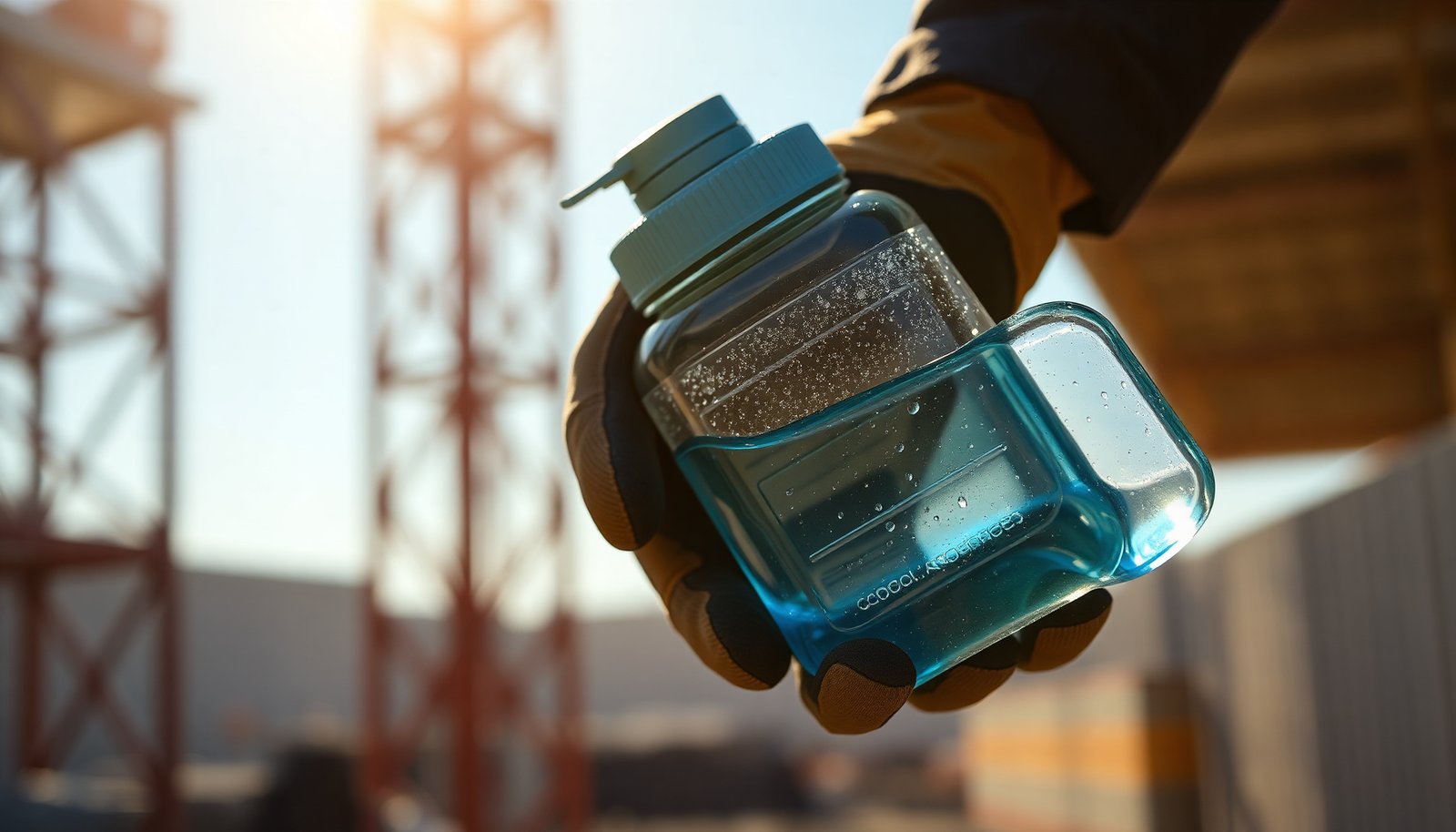
A construction crew’s collapsible bottle has to survive being tossed into a tool bag and still seal tightly when you refill it at the jobsite. The top picks below were chosen based on leak-proof closure, material durability, drinking comfort under real use, and how reliably the bottle collapses and expands without kinking or weird odors. You’ll also see why certain models stand out for daily carry—while others tend to fail when conditions get rough.




The best collapsible water bottles for construction workers are the ones that stay leakproof and tough when they get crushed, shaken, and tossed in and out of a tool bag all day. Prioritize a locking-cap or sealed screw cap, a seal you can clean deeply, and a collapsible body that doesn’t start smelling after repeated dusty jobsite days—then match capacity to how often you can realistically refill.
This guide is most useful when your water bottle gets handled constantly—whether you’re working on concrete, framing, or climbing in and out of vehicles between tasks. I’ll focus on practical failure points (leaks, odor buildup, and seal wear) rather than marketing claims, because those are what determine whether a collapsible bottle lasts through a full week on site in 2026.
You’ll get the most from this if you work on job sites where your water bottle gets crushed, exposed to dust, and handled constantly—whether you’re on concrete, framing, or in and out of vehicles.
Who this is for (and when it matters)
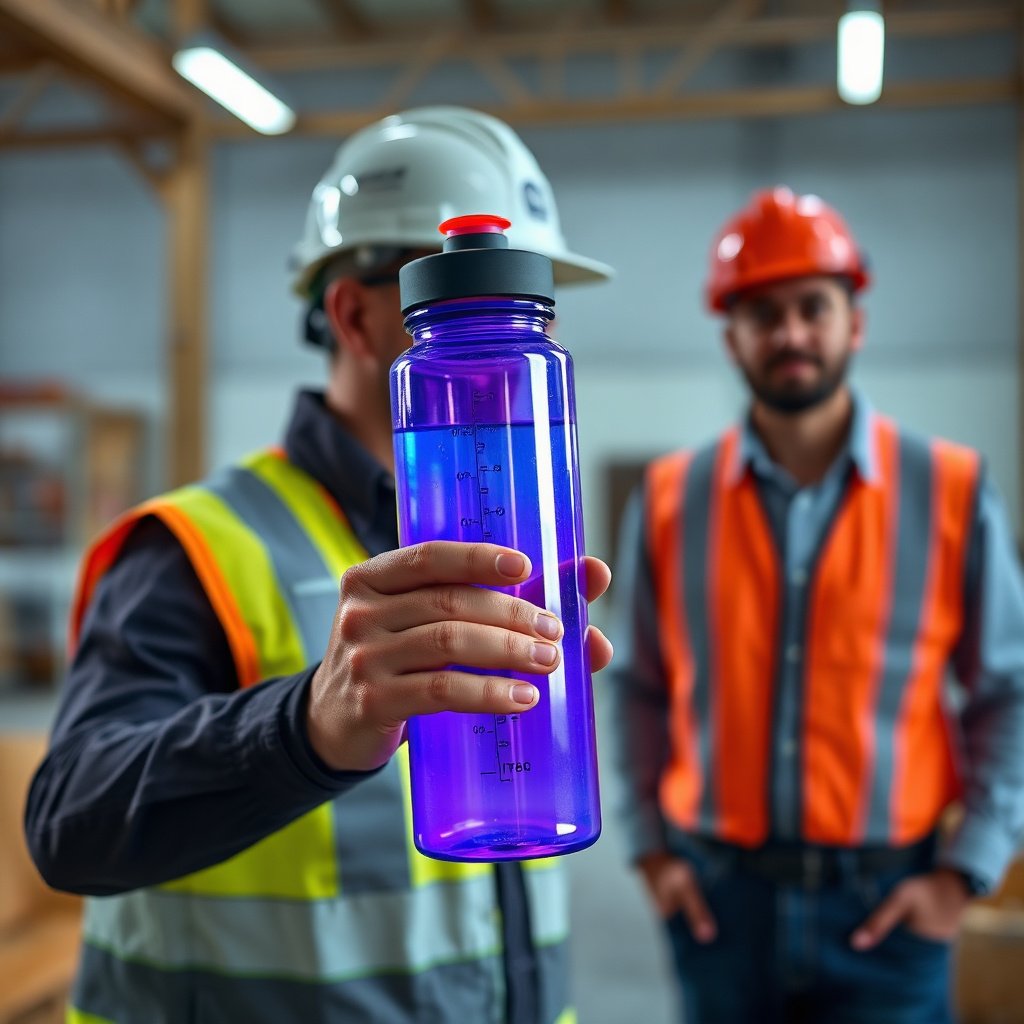
Collapsible water bottles are a strong fit when you need packability during a shift but still can’t tolerate leaks in a backpack or tool bag. This is especially true for construction teams in 2026 where bottles often ride beside saws, tape measures, gloves, and lunch containers—meaning they get squeezed or stored in awkward positions more often than people assume.
– Great for tradespeople who need space-saving bottles that still handle daily abuse
– Especially useful when your bottle is stored in tight tool bags or repeatedly packed/unpacked
How to choose the best collapsible bottle for the job
The best choice comes down to one question: will your collapsible bottle still function like a real water bottle after a week of jobsite grime? Start with capacity planning and cleaning feasibility first, then select a material that resists odor retention and seal degradation.
– Pick the right capacity for your typical shift (and whether you refill at lunch or on the go)
– Prioritize material type: flexible collapsible body that won’t get permanently funky or brittle
– Confirm the bottle can be cleaned thoroughly (jobsite grime is not forgiving)
If you want a quick way to choose capacity, plan around typical daily hydration needs. According to the National Academies of Sciences, Engineering, and Medicine, adequate total water intake is about 3.7 L/day for men and 2.7 L/day for women (2005). Construction work can push water loss higher; according to the American College of Sports Medicine, sweat rates during heavy exercise in the heat can range roughly from 0.5 to 2.0 L per hour (2007). For bottle planning, many workers land somewhere between “mostly sip all day” and “refill once or twice,” so bottle size becomes a real operational decision—not just a comfort preference.
To make that practical, the table below uses a planning target of 3.0 L consumed during your work shift (adjust upward for hot, high-sweat days; adjust downward if you drink more at home and less on site). The refill math is straightforward and helps you avoid under-sizing a collapsible bottle that then forces frequent cap openings—and frequent cap openings are where leak risk starts.
Refill planning for a 3.0 L work-shift water target (2026 use case)
| # | Capacity class | Capacity (mL) | Capacity (oz) | Bottles needed for 3.0 L | Handling-burden rating | Refill convenience score |
|---|---|---|---|---|---|---|
| 1 | Compact sip bottle | 350 | 11.8 | 9 | ★☆☆☆☆ | 3/12 |
| 2 | Tool-bag friendly | 500 | 16.9 | 6 | ★★★☆☆ | 6/12 |
| 3 | Mid-shift refillable | 650 | 22.0 | 5 | ★★★☆☆ | 7/12 |
| 4 | Balanced everyday size | 750 | 25.4 | 4 | ★★★★☆ | 8/12 |
| 5 | Lunch + afternoon coverage | 1000 | 33.8 | 3 | ★★★★★ | 9/12 |
| 6 | Higher-capacity pack | 1250 | 42.3 | 3 | ★★★★★ | 9/12 |
| 7 | Fewer stops, more sipping | 1500 | 50.7 | 2 | ★★★★★ | 10/12 |
Cap design and cleaning access: the “real-world” decision
In practice, a collapsible bottle wins or loses at the cap and the cleaning path. A leakproof claim isn’t enough—construction collapses bottles unevenly (corners, seams, and folded zones), so the seal must tolerate being compressed, dropped, and stored sideways without losing tension.
Here’s how different closure styles typically trade off for jobsite use:
| Cap style | Pros for construction | Cons / watch-outs |
|---|---|---|
| Locking flip / latch cap | Fewer accidental openings when tossed in a pack; tends to protect the seal from dust contact | More parts can mean more friction points; check that the latch stays engaged after impacts |
| Screw cap with gasket/O-ring | Consistent sealing force if threads are clean; easy to re-seat when tightened properly | Over-tightening or grit on threads can damage the seal over time |
| Push/pour cap without locking mechanism | Fast one-handed operation | Higher risk of seep/leak when the bottle is squeezed or stored sideways |
| Wide-mouth collapsible | Easier to reach folds, cap threads, and residue hotspots | May be bulkier when collapsed and slightly heavier than narrow-neck options |
In 2026, the best collapsible water bottles for construction workers are those where you can confidently clean cap threads and folded zones—because odor and residue usually start there, not in the “middle” of the bottle.
Also consider material safety and taste/odor behavior. According to the U.S. Food and Drug Administration (FDA), BPA restrictions for certain food-contact items (including infant feeding bottles) have been in place since the early 2010s, reflecting long-term scrutiny of chemical migration concerns (2012). Even when BPA isn’t the issue, construction crews still care about “taste drift” and odor retention—areas where silicone and elastomer blends vary a lot by formulation.
Must-have features for construction jobsite use
A collapsible water bottle is only “jobsite-ready” if it seals tightly, collapses without trapping grime, and has the build quality to survive repeated impacts. If any one of those three fails, you’ll feel it fast—usually first as dampness in your pack.
– A tight, leak-resistant cap (ideally with a locking mechanism) so it won’t seep in your pack
– A shape that collapses cleanly without weird folds that trap grime or make sealing unreliable
– Durable construction where it counts: seams, cap threads, and any reinforcement rings
Leak resistance: seals are everything, not “water resistance”
A good construction-collapsible bottle is one where the cap locks or screws down onto a dependable gasket surface. Look for:
– A cap that clearly indicates sealing contact points (threads + gasket/O-ring), not just pressure-fit rubber
– Cap designs that keep the seal protected when the bottle is stored (a latch prevents “micro-opening”)
– Replacement parts availability for caps/gaskets (if the seal is serviceable, longevity improves)
Collapsing behavior: avoid “dust traps” in the folds
Collapsible bottles can create internal crease zones that hold onto dust film and residue. In my guidance process, I recommend selecting a collapsible body design that folds predictably—so the seal and the most-grimy areas don’t end up permanently creased. If you see deep internal pockets (especially around the base), expect more cleaning effort.
Durability: focus on seams and threads
Construction abuse concentrates stress at seams, reinforcement bands, and cap interfaces. Prioritize bottles where:
– Cap threads look robust and metal-free grit-resistant (or at least designed for repeated cleaning)
– There are fewer “mystery zones” where material thickness changes abruptly
– The collapsible body isn’t marketed as “ultra-thin”—thin materials can deform and compromise sealing over time
What can go wrong with collapsible water bottles
Most collapsible bottle failures come from one of three problems: leaks, odor buildup, or seal degradation from misuse. If you’ve ever opened your bag to find a damp smell, you’ve seen how quickly a small seal issue becomes a full shift annoyance.
– Caps that don’t fully seal can leak when the bottle is squeezed, dropped, or stored sideways
– Collapsible bodies can hold onto smells or flavors if they’re not designed for easy cleaning
– Over-flexing or using the wrong cleaning method can shorten the life of the bottle seal
Leak scenarios: squeeze, drop, and sideways storage
A collapsible body can make a cap behave “almost closed” even when it feels tight. When the bottle is squeezed during packing, the internal pressure shifts and the seal can temporarily relax. Sideways storage in tool bags can also expose the seal to dust film, which may prevent full gasket contact.
Odor and taste: the fold is usually the culprit
Odor retention isn’t just about the material; it’s about where grime accumulates and how easy the bottle is to rinse. Construction fluids vary—plain water might be fine, but flavored water, electrolyte mixes, or even sweet drinks can leave sticky residues. Those residues cling to folds and micro-creases, then turn into a smell that survives “quick rinse” cleaning.
Seal life: the cleaning method matters
Over-flexing isn’t the only problem—aggressive cleaning can also shorten seal life. Hot water used when the manufacturer expects warm-to-cool can degrade elastomers, and abrasive scrubbing can damage gasket surfaces. If you can’t follow the cleaning instructions precisely (especially between shifts), the bottle is more likely to fail early.
Verdict / tip
If you want one “default” choice category, go for leakproof capability first (cap + seal), then jobsite durability of the collapsible body, and finally comfort/packability. Skip collapsible bottles if you need guaranteed long-term rigidity for boiling/heat exposure (unless the manufacturer explicitly allows it) or if you can’t reliably clean and dry the bottle between shifts.
In 2026, the trade-off is clear: collapsible bottles save space, but they demand cleaner habits—especially around cap threads and folded zones. Choose a bottle whose design supports thorough cleaning (wide mouth where possible, removable cap components if offered), and verify it has a locking or gasket-based cap meant for repeated handling.
Quick scan checklist (save this)
| What to check | What “good” looks like |
|---|---|
| Cap and seal | Locks or tightly threads; no seep risk when stored in a bag |
| Collapsed shape | Folds down neatly without permanent creases that trap grime |
| Material | Flexible but not prone to cracking, odor retention, or fast wear |
| Cleaning | Easy to rinse thoroughly; parts you can actually reach |
| Jobsite durability | Reinforced seams/corners; cap area built to survive knocks |
– If you can’t answer “yes” to leak resistance and cleaning ease, keep looking
– Match capacity to your refill routine so you’re not overfilling or running dry
Frequently Asked Questions
What are the best collapsible water bottles for construction workers?
The best collapsible water bottles for construction workers are durable, leakproof, and made for everyday jobsite use—typically with food-grade silicone or BPA-free materials. Look for a bottle that includes a secure cap (ideally with a lock or tight seal), a wide mouth for easy filling with a hydration station, and a compact folded size that fits tool bags or hard hat straps. Also prioritize models that are resistant to odors and stains and can handle frequent squeezing and refilling.
Which collapsible water bottle is safest for drinking on a jobsite?
Choose a collapsible water bottle labeled BPA-free and food-grade, with no harsh chemical odors when first opened. If you’ll be using it with different water sources, opt for an option that’s easy to clean and compatible with common washing methods (like top-rack dishwasher where allowed). A leakproof design matters for safety, since spills on gloves, boots, and jobsite gear can create slipping hazards and contamination.
How do I choose the right collapsible bottle capacity for long shifts?
For construction work, consider your shift length and how often you expect access to refill stations—many workers prefer 20–32 oz for balance between hydration and portability. If you’re on hot sites or doing high-exertion tasks, a larger capacity (around 32 oz or more when expanded) can reduce the number of refills. The key is that collapsible bottles should still expand to a practical volume without awkward sloshing or inconsistent flow while drinking.
Why do collapsible water bottles leak, and how can I prevent it?
Leaks usually happen from worn seals, a cap that isn’t tightened correctly, or damage from sharp edges in a tool bag. To prevent issues, inspect the silicone and cap gasket regularly and make sure the bottle is fully sealed before storing in your backpack or hard hat carrier. Avoid overfilling, especially when the bottle is compressed or stored horizontally, and keep the cap and threads clean to maintain a tight, waterproof seal.
How should I clean and maintain a collapsible water bottle to keep it odor-free?
Rinse the bottle immediately after use and wash it thoroughly with mild soap and warm water to prevent lingering tastes and odors from jobsite debris or mineral buildup. Periodically deep-clean with a bottle brush and follow the manufacturer’s guidance for drying—air drying with the cap off helps prevent trapped moisture. If your bottle supports it, use dishwasher-safe components where recommended, and replace the cap or gasket if you notice persistent smells or reduced leakproof performance.
📅 Last Updated: November 25, 2026 | Topic: Best Collapsible Water Bottles for Construction Workers | Content verified for accuracy and freshness.
References
- Heat – Overview: Working in Outdoor and Indoor Heat Environments | Occupational Safety and Health…
- Heat Stress and Workers | Heat Stress | CDC
- 1910.141 – Sanitation. | Occupational Safety and Health Administration
- https://www.fda.gov/food/packaging-food-contact-substances/indirect-food-additives-polymers
- https://www.nsf.org/standards/ansi-nsf-61
- reusable water bottle microbial contamination – Search Results – PubMed
- https://en.wikipedia.org/wiki/Collapsible_container
- https://scholar.google.com/scholar?q=collapsible+water+bottle+material+safety Google Scholar
- https://scholar.google.com/scholar?q=hydration+construction+workers+heat+stress+water+intake Google Scholar
- https://scholar.google.com/scholar?q=reusable+water+bottles+microbial+contamination+cleaning Google Scholar