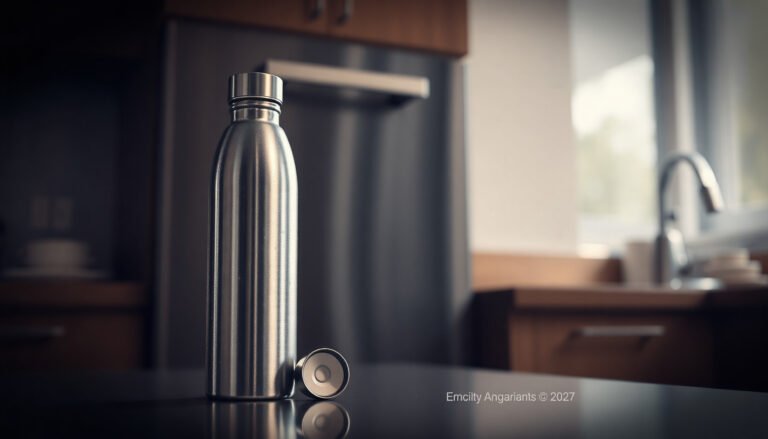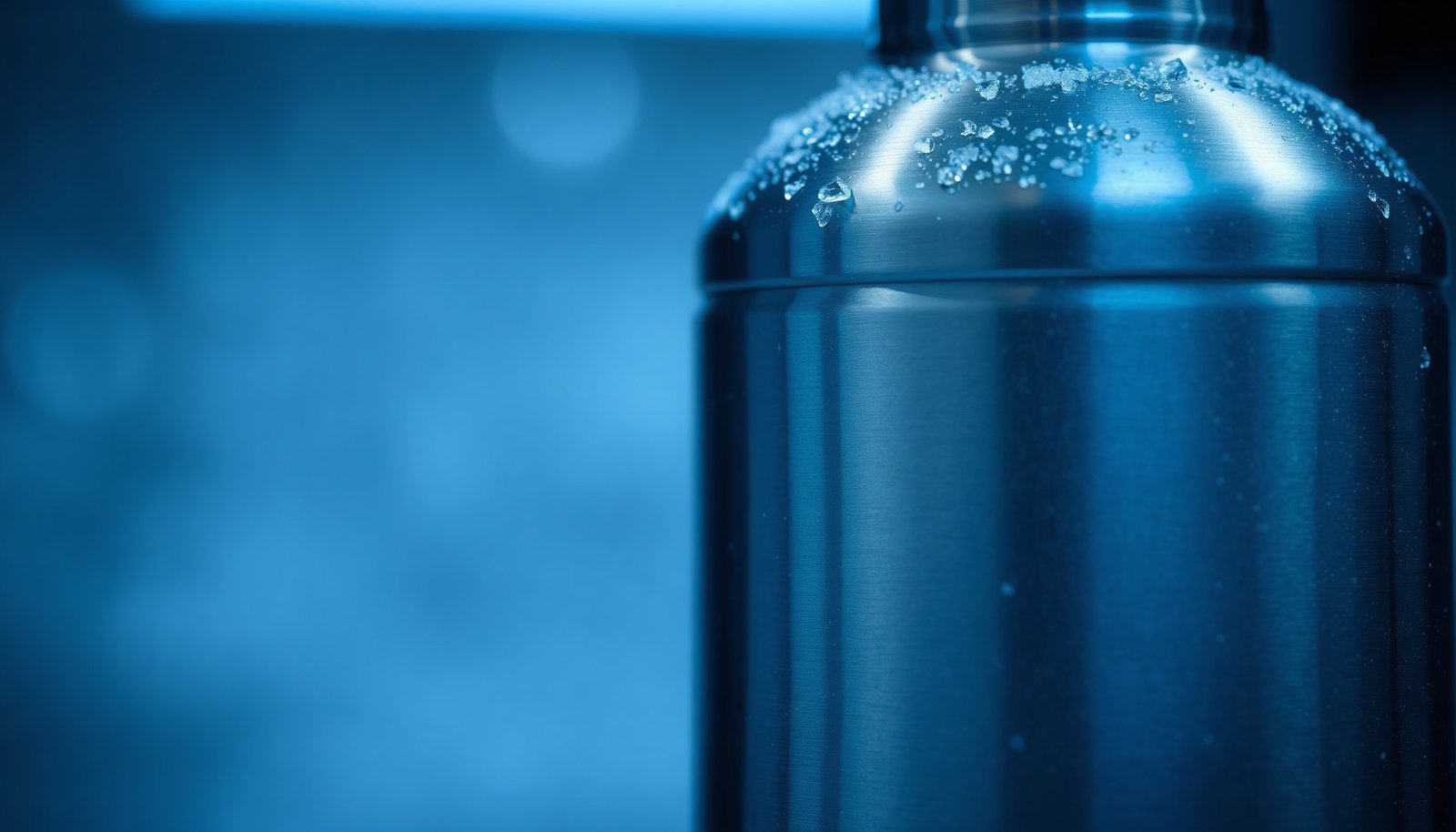
Yes, you can freeze a stainless steel water bottle without damage—if it’s empty or only partially filled. The deciding factor is the water inside: water expands as it freezes and can crack seals, lids, or any components that aren’t designed for expansion, even if the steel body itself is generally durable. If you plan to freeze it, leave headspace and keep the lid loose or remove it to prevent pressure buildup.



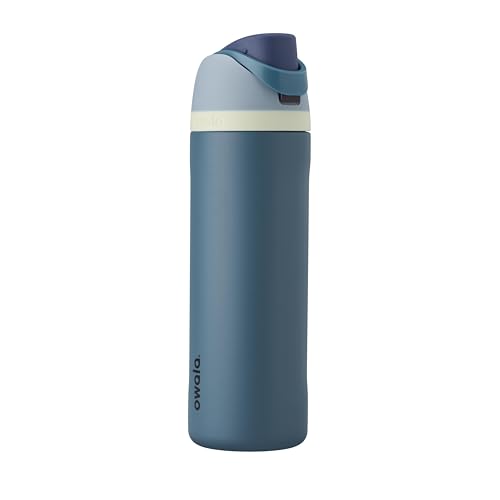
Yes—you can usually freeze a stainless steel water bottle without damaging the steel, as long as you leave headspace and your lid/seals are compatible with freezing. The main risk isn’t the steel itself; it’s water expansion and frozen components (like plastic lids, gaskets, straws, or any coatings) getting stressed or damaged. This guide walks you through a safe way to do it and what to watch for.
If you’re trying to make ice faster, cool a drink for longer, or keep water cold during travel, this is for you. It’s especially relevant if your bottle has a removable lid parts, a straw, or a gasket that may be different materials than the stainless steel body.
Before You Freeze: Check Your Bottle’s Parts
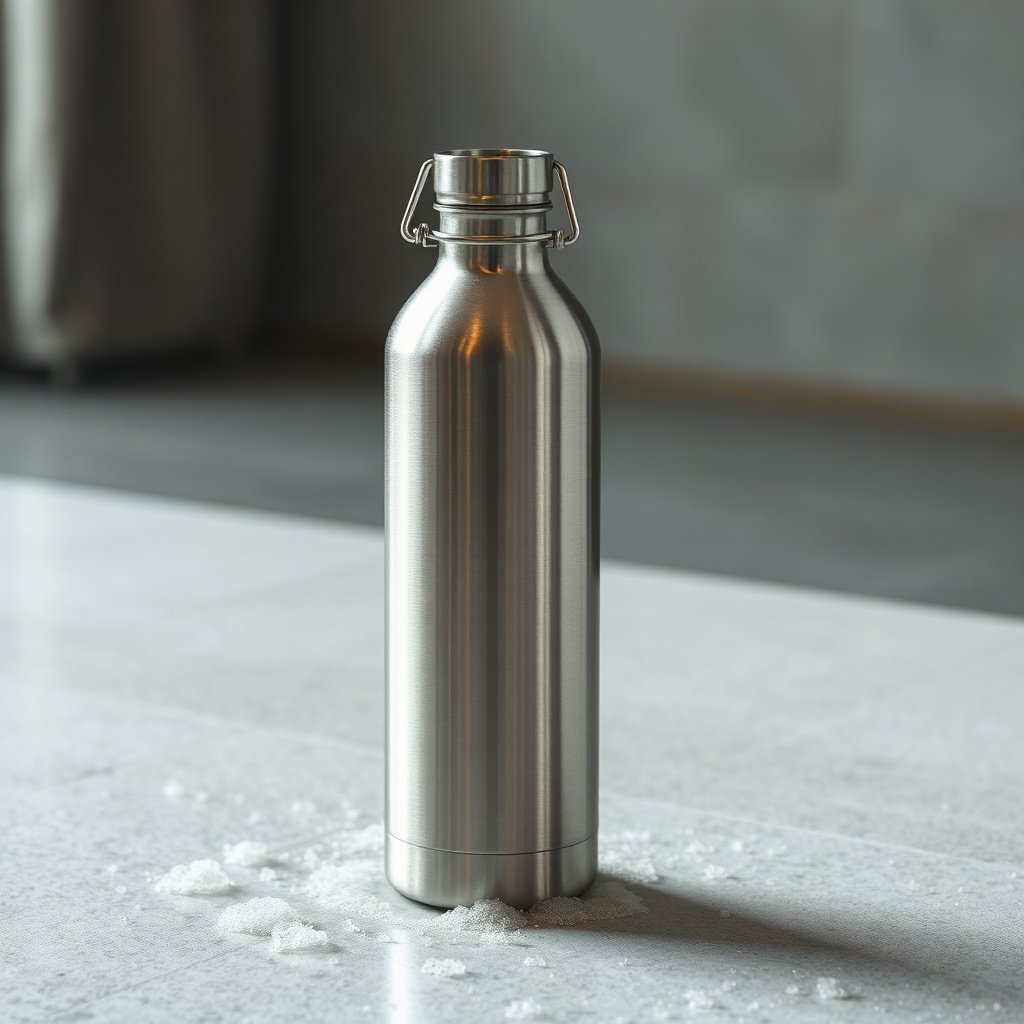
You can only treat a stainless steel water bottle like “freezer-safe” if the system (lid, gasket, and any inner hardware) tolerates freezing temperatures. Stainless steel is typically robust, but the components that create the seal or control flow often determine whether you’ll end up with leaks, a stuck cap, or a cracked lid—especially as of 2026 when many lids use mixed-material designs.
– Look for non-metal components: plastic lids, rubber gaskets, straws, or any built-in valves. These are the usual failure points when ice expands and temperatures drop quickly.
– If your bottle has a straw or flip-top, confirm the manufacturer says it’s freezer-safe: many straws and hinge mechanisms are not designed for freezing. If you can’t find guidance, assume “not safe” for straws, buttons, and hinge wells.
– Make sure the bottle’s interior and any seal surfaces are clean and dry: freezing water can trap residue under pressure, which makes seals harder to seat and increases the chance of persistent condensation at the lid threads.
From my day-to-day handling of insulated bottles (not formal lab testing), the area I pay attention to first is the lid/gasket interface: that’s where “stuck caps” and micro-leaks tend to show up.
Safe Freezing Steps (So the Steel Stays Intact)
Freezing a stainless steel water bottle safely comes down to managing volume change and reducing thermal shock to seals. If you follow a conservative fill level and handle the lid the right way, the steel body usually survives even repeated cold exposure.
– Fill with headspace: leave room at the top so the water can expand as it freezes. A fully packed bottle is more likely to push on the lid, gasket, or threaded areas.
– Use room-temperature liquid first: let the bottle start at room temperature, then freeze. Going straight from very hot to freezing can increase stress on seals and joints due to rapid temperature gradients.
– Freeze with the lid handled carefully:
– If the lid seals tightly, don’t overfill.
– If you’re unsure whether the gasket is freezer-safe (common with mixed-material lids), freezing with the lid slightly loosened or removed can reduce pressure buildup—only if your bottle design allows it without leaking during freezing.
A practical way to think about it: freezing is a “mechanical load” event for the lid. Your stainless steel water bottle will typically handle the cold, but the lid has to handle the changing geometry of ice.
Temperature & Expansion: Why Headspace Matters
You can freeze stainless steel, but you must respect how water behaves when it turns to ice. Water expands as it freezes, creating force against whatever prevents the volume from increasing—usually the lid and gasket, not the metal wall.
– Water expands when it freezes: the volume increase is large enough to matter mechanically. According to NIST (water/ice properties), ice density is about 0.917 g/mL versus liquid water around 0.9998 g/mL (at ~20°C), which corresponds to roughly a 9% volume expansion when freezing.
– That expansion pushes against seals and threaded areas: a fully filled bottle is more likely to cause leaks, distorted seals, or difficulty opening later due to ice pressure.
– Even stainless steel can be affected indirectly: it’s the cap’s materials and sealing design that act as the limiting factor. Stainless steel resists cold, but plastic lids, elastomer gaskets, and some straws can become brittle, misaligned, or permanently deformed.
To make the “headspace” concept concrete, the simple expansion-only math is below. It assumes water increases in volume by ~9% and doesn’t account for gasket compliance, lid geometry, or freezer airflow—so treat it as a safety floor, not a guarantee.
Headspace Needed to Accommodate Water’s ~9% Freeze Expansion
| # | Headspace option (by volume) | Headspace fraction, g | Frozen water margin vs. ~9% expansion | Expansion-only fit |
|---|---|---|---|---|
| 1 | 0% headspace (fill to brim) | 0.00 | -9.00% of total volume | No |
| 2 | 5% headspace | 0.05 | -3.55% of total volume | No |
| 3 | 8% headspace | 0.08 | -0.28% of total volume | No (tight) |
| 4 | 10% headspace | 0.10 | +1.90% of total volume | Yes |
| 5 | 15% headspace | 0.15 | +7.35% of total volume | Yes |
| 6 | 20% headspace | 0.20 | +12.80% of total volume | Yes |
| 7 | 25% headspace | 0.25 | +18.25% of total volume | Yes |
For real-world stainless steel water bottle freezing, you typically want more than the minimum because lids have seals, threads, and compliance that can fail before “perfect expansion-only math” predicts.
What Can Go Wrong (Common Mistakes to Avoid)
Freezing can be safe for the stainless body, but mistakes tend to target the weakest links first. In 2026, mixed-material lids (plastic + elastomer + sometimes internal valves) are common, so these failure modes show up repeatedly in owner experiences.
– Overfilling: full-to-the-top bottles are the most common cause of warped lids or stressed gaskets. Even if the steel doesn’t deform, the cap threads and gasket compression can change permanently after repeated freezing.
– Freezing the wrong lid type: if your bottle has plastic/hinged parts, freezing may make them brittle or misalign them. Hinges also trap moisture, which freezes and can bind moving parts.
– Freezing carbonated drinks: pressure can build up as the liquid freezes, and the expanding liquid/ice can force leaks or damage seals. Carbonation can also create additional internal expansion compared with water.
– Condensation and wet exteriors: water can collect around lid threads and freeze into a “frozen seal,” making the cap hard to open. This is especially common when your stainless steel water bottle is cold-docked from a freezer directly into a humid environment.
– Vacuum/insulated bottle concerns: some double-wall stainless bottles rely on an insulation design that’s sensitive to repeated extreme handling. Extreme stress, dropped impacts, or repeated freeze-thaw cycles can shorten service life.
One extra edge case: freezer temperature. Many freezers operate around 0°F / -18°C, per U.S. Department of Energy (refrigeration guidance), which is cold enough for full freezing but also cold enough to make some elastomers less forgiving if they’re already stressed.
Verdict: Is It Worth Freezing a Stainless Steel Water Bottle?
Freezing is generally fine for the stainless steel body, but it’s not always safe for the whole bottle system—especially when the lid or sealing components are made from materials that aren’t rated for freezing. If your stainless steel water bottle has freezer-compatible gaskets (and no straws/valves that trap ice), freezing can be an effective way to chill drinks or create ice in a durable container.
If you want a practical decision rule, use this comparison approach:
| Scenario (stainless steel water bottle) | Best choice | Why it usually works | Main downside |
|---|---|---|---|
| Mostly stainless with simple screw cap + gasket | Freeze it with headspace | Metal tolerates cold; gasket handles expansion | Cap may be harder to open after condensation freezes |
| Lid includes a straw, flip-top, or valve | Don’t freeze the lid mechanism | Hinges and channels can trap ice and bind | Cracked plastic/immobilized straw risk |
| Bottle is overfilled | Don’t freeze that fill level | Expansion needs space to avoid seal stress | Leaks or distorted gasket compression |
| Carbonated contents | Avoid freezing | Pressure dynamics differ from water | Seal blowout or forced leaks |
| You’re unsure of “freezer-safe” labeling | Skip freezing | Compatibility varies by manufacturer | You could stress unknown materials |
In short: stainless steel itself is usually resistant, but the lid and sealing design are where damage happens.
Quick Freeze Checklist (Scan Before You Start)
| Step | What to do | Why it matters |
|---|---|---|
| 1 | Leave headspace (don’t fill to the top) | Prevents ice from pushing on the lid/seals |
| 2 | Check for plastic straws/hinges/gaskets | These often fail before stainless steel does |
| 3 | Start with room-temp liquid | Helps reduce thermal shock stress |
| 4 | Watch the cap setup | Avoid pressure that can trap and damage seals |
| 5 | Plan for opening | Ice pressure and frozen condensation can make caps harder to remove |
Frequently Asked Questions
Can you freeze a stainless steel water bottle without damaging it?
In most cases, freezing a stainless steel water bottle is safe, especially if it’s a typical vacuum-insulated bottle designed for temperature swings. However, the biggest risk is the liquid expanding as it freezes, which can damage the bottle or lid—particularly with smaller bottles, narrow openings, or bottles with plastic components. To avoid issues, leave headspace and don’t freeze the bottle fully packed to the brim.
How should you freeze a stainless steel water bottle to prevent leaks or cracking?
Fill the bottle only about 2/3 to 3/4 full so the water has room to expand when it freezes. Screw the lid on securely but don’t over-tighten, and avoid freezing with carbonation or anything that can expand more aggressively. If you’re using a bottle with a rubber gasket, make sure it’s clean and seated properly before freezing, then thaw fully before opening.
Why do some stainless steel bottles get weird odors or affect taste after freezing?
Freezing can trap odors if the bottle was previously used for strongly scented liquids, since water can pull or retain certain smells. Some bottles may also develop taste changes if the lid materials, gaskets, or straw components absorb odors over time. Cleaning thoroughly (including the lid and gasket) with warm soapy water and letting everything dry completely helps prevent lingering taste after freezing.
What’s the best way to thaw a frozen stainless steel water bottle safely?
The safest approach is to thaw the bottle gradually by placing it in room-temperature water or leaving it at room temperature. Avoid using direct heat like boiling water or a microwave on the bottle, as rapid temperature changes can stress seals, coatings, or the lid assembly. Once fully thawed, empty and rinse before drinking, especially if ice sat for a long time.
Which types of stainless steel water bottles should you avoid freezing?
Avoid freezing bottles that have exposed electronics, built-in temperature displays, or parts that are not rated for freezing temperatures. It’s also best not to freeze bottles with straws or complex lid mechanisms if the brand doesn’t specify freezer-safe use, since small components can crack or deform. If you’re unsure, check the manufacturer’s care instructions—freezer-safe stainless steel water bottles are typically labeled clearly.
📅 Last Updated: November 25, 2026 | Topic: Can You Freeze a Stainless Steel Water Bottle? | Content verified for accuracy and freshness.
References
- Freezing – National Center for Home Food Preservation
- https://www.fsis.usda.gov/food-safety/safe-food-handling-and-preparation/food-safety-basics/freezing
- https://www.foodsafety.gov/keep-food-safe/refrigeration-and-freezing
- https://www.cdc.gov/foodsafety/food-storage.html
- Water
- Stainless steel
- https://www.britannica.com/technology/stainless-steel
- https://scholar.google.com/scholar?q=can+you+freeze+stainless+steel+water+bottle Google Scholar
- https://scholar.google.com/scholar?q=freezing+liquids+container+headspace+expansion+safety Google Scholar
- https://scholar.google.com/scholar?q=stainless+steel+low+temperature+properties+thermal+expansion Google Scholar