You’ll get the best deal on an aluminum water bottle when you buy from brand direct pages or major retailers that clearly list the bottle’s aluminum type, finish, and cap details. This is for shoppers ready to compare prices and want more than marketing copy. Before you pay, confirm the capacity, any interior coating, the leak-proof lid design, and the return or warranty terms for the option you’re choosing online or in-store.
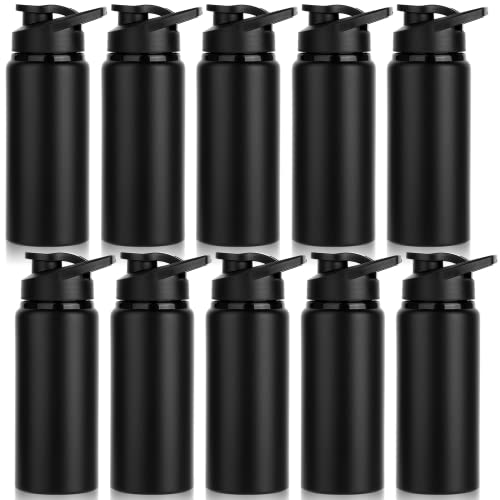



For the fastest, least-leaky purchase, buy online for variety and returns, then confirm lid fit and gasket quality in-store. Use the options below to compare online listings and in-person checks so your aluminum water bottle matches your routine and doesn’t disappoint on day one—especially with leak resistance and lid compatibility.
If you’re buying for daily commutes, gym use, school, hiking, or simply replacing a worn-out bottle, these buying paths (and the key specs behind them) will help you narrow down quickly. It’s also useful if you’re trying to avoid common mistakes like purchasing the wrong lid type or skipping coating/liner details.
Online options for aluminum water bottles
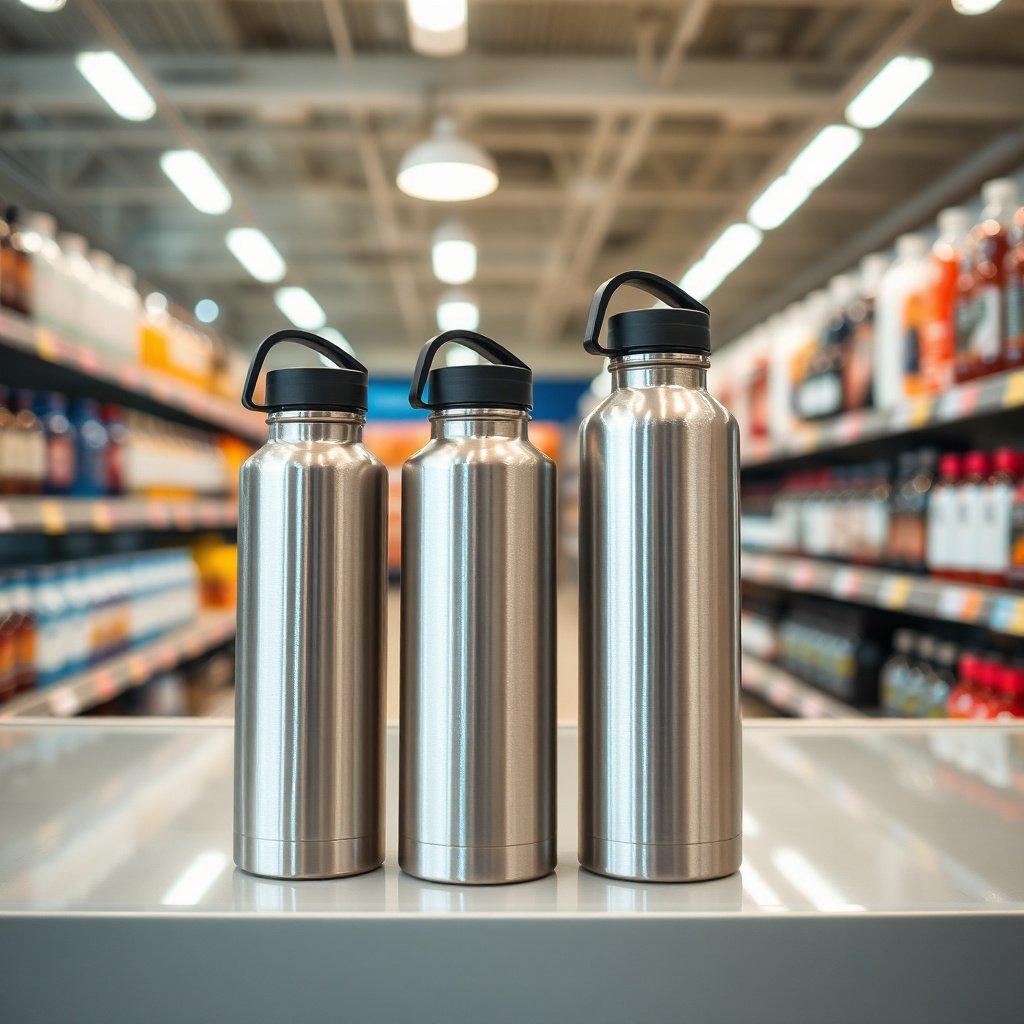
If you want broad selection without driving store to store, online retailers are usually the quickest route—especially in 2026 when most brands publish detailed spec pages. Here’s how to use online search effectively so the aluminum water bottle you order is the one that actually fits your lid needs and leak expectations.
– Look for stores that show clear product details like material (aluminum), lid type, and whether the bottle is insulated or non-insulated.
A clear listing typically states: (1) the bottle material (aluminum), (2) whether there’s an anodized finish or a protective coating, and (3) whether the bottle includes any liner (which can affect taste and odor retention). If the page is vague—especially about the liner—assume you’ll need to verify in the return window.
– Prioritize listings with solid return policies and customer Q&A so you can verify leak protection and lid compatibility before ordering.
Customer Q&A is often the fastest way to learn whether a lid gasket seats correctly, whether “spill-resistant” means “won’t leak in a backpack” or “won’t leak when tipped,” and whether replacement seals are sold. Look for comments that mention the exact lid name or SKU, not just “works great.”
– Compare shipping terms and how fast you need it (especially if you’re buying last-minute for travel, events, or school).
Aluminum water bottles are lightweight, but shipping still varies by retailer and fulfillment center. Before checkout, check: delivery estimate, return shipping conditions, and whether the bottle ships with the gasket protected from deformation.
Quick buying framework: When you find an aluminum water bottle model you like, copy down the lid type (or part number) and look for “replacement lid” or “replacement gasket” options before you buy.
In-store options for aluminum water bottles
If you want confidence before committing—especially for lids and fit—buying in-store is the most reliable way to prevent “leak surprises.” In-person checks let you feel the closure mechanism, confirm the opening size for your habits, and verify dimensions against your cup holder or bag pocket.
– Try sporting goods stores for hands-on checks: bottle weight in your hand, lid feel, and whether the opening works with your grip.
For an aluminum water bottle, weight can signal construction differences (single-wall vs thicker aluminum, or heavier lids with stronger seals). If the lid feels flimsy or requires awkward finger pressure, it often correlates with faster seal wear.
– Check big-box and outdoor retailers for quick availability—use the shelf model to confirm size (especially height and mouth opening).
Shelf labels rarely tell you the full story about lid sealing. Still, confirming height, diameter, and mouth opening helps you avoid compatibility issues with bike cages, backpack side pockets, and standard car cup holders.
– If you’re using a specific cup holder or backpack pocket, bring a measuring tape or use your existing bottle as a size reference.
This one detail prevents a surprising number of returns. Aluminum water bottles may be “the same capacity” but still differ by a few millimeters in diameter or lid height—enough to bind or rattle in your setup.
From my experience planning gear for commutes and gym carry, the most time-saving in-store habit is simply testing the lid with the hand position you’ll use daily (thumb placement, grip strength, and whether you can fully close without changing your grip). It’s a small check that catches usability issues that spec sheets won’t show.
What to look for in an aluminum bottle (so it actually works)
If you want an aluminum water bottle that performs, focus first on construction (liner/coating), then on insulation (or lack of it), then on cleaning feasibility. Aluminum itself can be very durable and lightweight, but what matters for drinking experience is how the bottle is finished and whether any liner is used.
– Confirm the exact construction: bare aluminum vs coated/anodized aluminum, and whether there’s a liner (important for taste and durability, depending on the model).
Bare aluminum can be fine for some uses, but if the bottle’s interior relies on a finish rather than a liner, taste transfer and odor retention risk can change over time (especially with flavored drinks). If the product says “anodized” or “coated,” look for clarity on whether the coating is food-safe for beverage contact.
– Match the bottle to your use: non-insulated bottles are lighter for everyday carry; insulated styles are better if you want temperature retention.
Non-insulated aluminum water bottles cool and warm quickly because aluminum conducts heat efficiently. According to the NIST Chemistry WebBook, aluminum’s thermal conductivity is about 205 W/m·K (typical engineering value reported in reference thermophysical datasets). In plain terms: aluminum transfers heat fast—so insulation design (if present) is what controls temperature.
– Check capacity markings (e.g., 500–750 mL (17–25 oz)) and whether the bottle is easy to clean with the included lid design.
Many aluminum bottles use narrower openings than plastic water bottles, which can make scrubbing harder. If you ever use ice, protein powders, or sports mixes, prioritize a mouth opening that matches your cleaning reality—not just your sipping preference.
Heat Transfer Reality Check: Thermal Conductivity of Bottle Materials (Room Temp, Dry)
| # | Material | Thermal Conductivity (W/m·K) | Density (g/cm³) | Common in |
|---|---|---|---|---|
| 1 | Aluminum (typical) | 205 | 2.70 | Single-wall aluminum bottles |
| 2 | Stainless steel (304, typical) | 16 | 7.99 | Insulated and non-insulated bottles |
| 3 | Steel (typical carbon steel) | 50 | 7.85 | Lids and brackets |
| 4 | Glass (typical) | 1.0 | 2.50 | Reusable glass bottle liners |
| 5 | Ceramic (typical) | 2.0 | 2.30 | Insulation inserts |
| 6 | HDPE plastic (typical) | 0.4 | 0.95 | Lids and outer shells |
| 7 | Air (static, typical) | 0.025 | 0.0012 | Vacuum/insulated gaps |
If your goal is “cold all day,” an insulated aluminum water bottle is usually the better fit—not because aluminum is “bad,” but because uninsulated aluminum trades temperature with the environment quickly.
For additional context on aluminum’s material behavior, according to the NIST Chemistry WebBook, aluminum melts at approximately 660.3°C (2024 reference compilations). That’s why aluminum’s heat resistance is rarely the concern; temperature retention comes down to insulation design, not whether aluminum can handle hot liquids.
Lids, seals, and daily usability
If you want your aluminum water bottle to feel good and stay leak-resistant, lid design is the deciding factor—not the label “aluminum.” The seal area, gasket material, locking mechanism, and how the lid opens for your daily routine determine whether the bottle works in a backpack, gym bag, or car.
– Leak resistance usually comes down to the lid gasket/seal and how the lid locks—inspect the seal area and check for replacement parts if offered.
Look for a visible gasket and check whether it sits evenly when you close the lid. If the manufacturer sells replacement seals or lids, that’s a practical advantage: gaskets are consumable components that wear with time and cleaning frequency.
– Make sure the lid opening fits your routine (fast sip vs wide mouth for ice, cleaning, or adding mix-ins).
A narrow opening can be faster for sips but harder for cleaning and ice. Wide-mouth lids often make it easier to scrub the interior and remove residue buildup, which matters for flavored drinks and sports mixes.
– Plan for maintenance: confirm how to disassemble the lid for cleaning and whether parts are dishwasher-safe or require hand washing ().
Because lid gaskets and coatings vary by brand, rely on the exact manufacturer instructions for gasket removal and dishwasher safety. In general, many bottle lids with rubber seals require hand washing for best longevity, while the bottle body may tolerate dishwashers depending on coatings and adhesives.
In practice, I treat the lid as a “small system” (cap + gasket + internal threads/locks) rather than a single piece. When an aluminum water bottle lid is hard to clean or doesn’t fully separate, the seal can degrade faster, and odors can accumulate—especially if you rinse and refill daily.
What can go wrong (and how to avoid it)
If your aluminum water bottle leaks or disappoints, the cause is usually predictable: liner uncertainty, lid mismatch, poor cleaning access, or size incompatibility. These issues tend to show up fast, because lids are where pressure, vibration, and residue combine.
– Buying “aluminum” without checking the liner/coating details—this can affect taste and long-term performance depending on the bottle design.
“Aluminum” alone doesn’t tell you how the interior is protected. If you’re sensitive to taste (or you use electrolytes, coffee-based drinks, or citrus), prioritize listings that clearly describe the interior finish or liner.
– Ignoring lid compatibility—some lids don’t swap easily, so you may get stuck with a seal that wears out faster than expected.
If the model uses a proprietary gasket or unique lid thread pattern, you may need the original replacement part. Before purchase, search the brand site for “replacement lid” or “replacement gasket” for that exact model line.
– Overlooking cleaning access—if the bottle design is hard to scrub, odors and residue can build up over time.
Narrow-mouth bottles with complex internal channels can trap residue. That’s why it’s smart to check whether the lid fully disassembles and whether the bottle opening supports reaching the interior corners.
– Choosing the wrong size for your carry setup (cup holders, side pockets, bike cages)—measure first if fit matters.
Two aluminum water bottles with the same capacity can still differ in exterior diameter, lid height, and overall length when closed. That’s why measuring pocket dimensions (or bringing your existing bottle to compare) often beats relying on “specs only.”
A simple leak test you can do at home (before trusting it daily)
If you’re buying online, fill the empty aluminum water bottle with room-temperature water to about 90% capacity, close the lid, and place a dry paper towel along the seam and under the lid edges. Wait 60 minutes on a flat surface, then check for dampness; repeat with the lid fully closed and tightened to your normal “lock” feel.
Verdict / tip: where you should buy, plus a quick checklist
If you want the best blend of choice and reliability, start with online shortlisting, then confirm lid fit and seal behavior in-store when possible. Here’s the trade-off in plain terms—especially important in 2026 when many retailers offer easy returns but shipping timelines can still slip.
– Online-first (best for selection): shortlist 2–3 aluminum water bottle models, compare liner/coating and lid style, and check return policy details (including whether lids/gaskets are covered).
– In-store confirmation (best for leak confidence): inspect the gasket seating, test the locking mechanism with your grip, and compare bottle dimensions to your gear—cup holder, backpack pocket, or bike cage.
– If you need it urgently: go in-store first, but accept that shelf stock may limit lid styles and replacement-part availability.
| Criterion | Online purchase (aluminum water bottles) | In-store purchase (aluminum water bottles) |
|---|---|---|
| Selection breadth | Usually wider (more lid styles and capacities) | More limited to what’s stocked |
| Lid inspection | Depends on photos/video quality | Physical gasket/seal inspection is immediate |
| Real fit in your routine | Harder to confirm | Easier to test grip and bottle height |
| Leak/spill expectations | Often infer from reviews/Q&A | You can assess closure feel and seal alignment |
| Return friction | Often easier on paper | Usually straightforward but depends on store policy |
| Shipping speed | Can be delayed by fulfillment and demand | Typically available same day |
| Price transparency | Easy to compare across retailers | Limited—often shelf pricing only |
| Replacement-part clarity | Brand listings may be easier to search | Staff can sometimes confirm part availability |
| Cleaning usability | Info relies on specs | You can inspect mouth opening and disassembly |
| Best for last-minute buying | Not ideal if shipping is uncertain | Best when time is tight |
| Verdict | Great for researching and comparing | Great for confirming lid seal and fit |
Skip this approach if you already know your exact bottle specifications (capacity, lid type, insulation) and don’t need to compare—at that point, a single confirmed product listing (or the exact store model) is the fastest path.
Scan/save checklist
| What to verify | Quick check |
|---|---|
| Material is aluminum (and finish/coating noted) | Product description clearly states aluminum + finish/liner |
| Lid seals properly | Lid locks; gasket/seal visible and in good condition |
| Leak resistance | Listing/in-store packaging notes leak-proof or “spill-resistant” (wording varies) |
| Cleaning is realistic | Lid disassembles; bottle interior is reachable |
| Size fits your gear | Measure pocket/cup holder; compare dimensions to your current bottle |
| Replacement parts exist (if offered) | Check whether seals/lids can be replaced |
Frequently Asked Questions
Where can I buy aluminum water bottles both online and in-store?
You can buy aluminum water bottles online at major retailers like Amazon, Walmart, and Target, as well as specialty shops that focus on reusable drinkware. For in-store options, check big-box stores (Target, Walmart), outdoor and sporting goods stores (REI, Dick’s Sporting Goods), and sometimes kitchenware retailers in malls or local shops. Reading product details on-site or checking the store’s availability by ZIP code can help you avoid ordering the wrong size or lid type.
Which aluminum water bottle brands are easiest to find online and in stores?
Popular, widely available options include brands like Hydro Flask, Contigo, Klean Kanteen, and Thermos, depending on your region and retailer. Online marketplaces typically carry more color and size variations, while in-store selection is often limited to best-sellers. Before buying, compare insulation type (insulated vs. non-insulated), lid compatibility, and whether the bottle is labeled as BPA-free or food-grade.
How do I choose the best aluminum water bottle for everyday use and travel?
Look for a leakproof lid design and an opening that matches your drinking habits (wide mouth for easy cleaning vs. standard mouth for everyday sipping). If you travel or commute frequently, insulated aluminum water bottles are ideal for maintaining temperature, while lightweight non-insulated options work well for short outings. Also consider durability features like powder-coated finishes for grip and a size that fits cup holders or backpacks.
What should I look for when comparing insulated vs. non-insulated aluminum water bottles?
Insulated aluminum water bottles use double-wall construction to keep drinks cold or hot longer, making them a strong choice if you need temperature retention during commutes or outdoor activities. Non-insulated bottles are usually lighter and simpler, which can be better for quick hydration or gym use where temperature change doesn’t matter as much. When comparing products, review the insulation claims, lid type (straw, flip-top, or screw cap), and cleaning instructions to ensure the bottle is practical to maintain.
Why do aluminum water bottles cost more than some plastic bottles, and are they worth it?
Aluminum bottles can cost more because they’re built for durability, often include better lids, and may provide improved temperature performance when insulated. Many buyers prefer aluminum water bottles for reusability, reduced single-use plastic, and a more robust build for daily use. If you want the best value, compare lifetime features like leak resistance, warranty coverage, and ease of cleaning rather than only the upfront price.
📅 Last Updated: November 25, 2026 | Topic: Where to Buy Aluminum Water Bottles: Online and In-Store Options | Content verified for accuracy and freshness.
References
- Water bottle
- https://www.fda.gov/food/food-additives-petitions/food-contact-substances-fcs
- https://www.fda.gov/food/buy-store-serve-safe-food/bottled-water
- Guidelines for drinking-water quality, 4th edition
- Basic Information about Lead in Drinking Water | US EPA
- https://www.nsf.org/standards/ansi-nsf-372
- aluminum leaching food contact materials – Search Results – PubMed
- https://scholar.google.com/scholar?q=aluminum+water+bottle+leaching+safety Google Scholar
- https://scholar.google.com/scholar?q=aluminum+beverage+containers+metal+migration Google Scholar
- https://scholar.google.com/scholar?q=reusable+water+bottle+material+selection+consumer+guidance Google Scholar