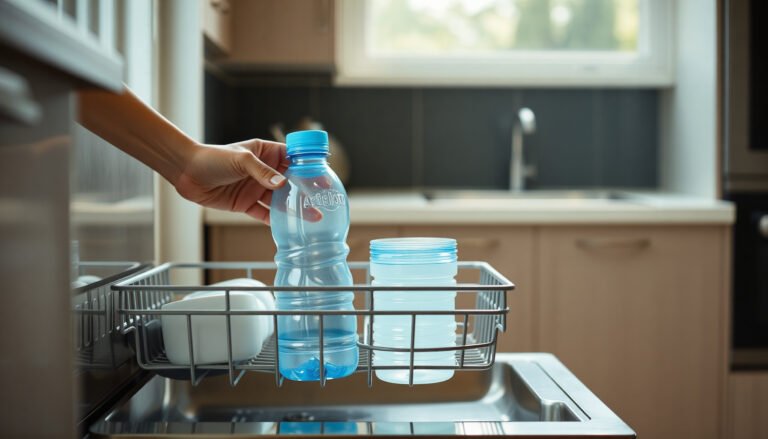
You shake your aluminum water bottle and hear a distracting rattle, even though the lid seems tight. That sound is usually caused by something inside moving—most often the gasket, a loose internal tube, or a piece of the cap hardware that has shifted over time. Don’t worry; the most common fixes are straightforward, and you can follow them step by step below to get your bottle quiet again.


If your aluminum water bottle rattles, it’s usually loose parts (inside the lid or bottle) or vibration that lets the lid, straw, or gasket “click” against nearby surfaces. Start with the lid assembly first, then check the bottom and any removable inserts—most fixes are reseating and reassembly, not replacing the bottle.
If the rattling only happens when you move the bottle (but not when it’s still), the issue is typically mechanical—something is shifting inside or the cap isn’t sealing evenly. This applies to most aluminum bottles with flip-top lids, screw caps, or built-in straws.
This guide is for anyone using an aluminum water bottle for daily commutes, gym workouts, hiking, or office hydration who wants the noise stopped fast. As of 2026, many bottles sold for “zero-leak” or “insulated” use similar gasket and lid architectures, so the same failure modes show up repeatedly—even when brands differ.
Lid and gasket issues
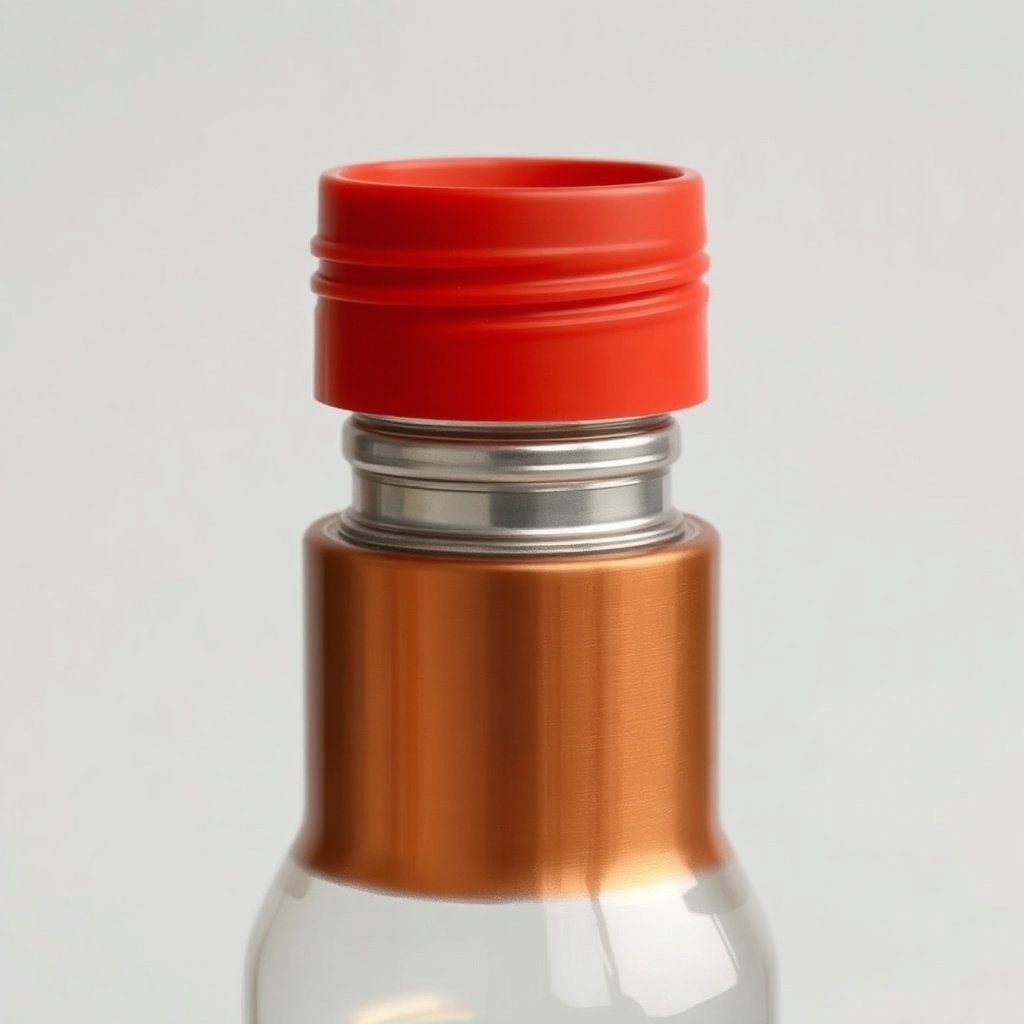
Lid rattles usually come from imperfect contact between the cap, the gasket (or O-ring), and the internal sealing path. In other words, an aluminum bottle doesn’t need to “break” for the sound to start—small gaps can turn normal motion into repeated tapping.
– Loose lid threads: If the cap isn’t fully tightened (or you can feel any play), the lid can vibrate and create a rattle. This often shows up as a “loose click” when you lightly shake the bottle side-to-side.
– Worn or mis-seated gasket/O-ring: A gasket that’s twisted, flattened, or missing can let parts knock together. Even if the bottle still leaks “rarely,” a slightly mis-seated O-ring can create a tiny clearance that movement enlarges into audible tapping.
Practical detail: with many aluminum bottle lids, you’re not just tightening a cap—you’re compressing a gasket into a designed groove. If the gasket isn’t centered, the lid may appear closed but the seal pressure won’t be uniform, leaving one point where the lid can micro-move under vibration.
Here’s why this is so sensitive to temperature and motion: According to ASM International, aluminum’s linear thermal expansion coefficient is about 23 × 10⁻⁶ /°C. When you switch between hot and cold drinks, that small expansion can change how firmly the lid gasket sits, especially when combined with hand movement.
Loose components (straw, insert, or splash guard)
If your aluminum bottle rattles only when you move it, removable lid components are often the culprit. Straws, connectors, and splash guards are notorious for tolerances that allow “click-to-click” motion.
– Built-in straw rattle: If your bottle has a straw, the tube or connector may be slightly loose in its housing. Common symptoms are a rattle that changes when you rotate the bottle or when you press the straw lightly with a fingertip (if it’s accessible).
– Removable insert/splash guard: Some lids use small plastic inserts—if they’re not snapped in firmly, they can click or rattle. This is especially common after cleaning, when inserts go back in “mostly seated” but not fully latched.
What to do first (without special tools): open the lid completely, remove the straw or insert if your model allows it, and look for a clear “seat” line—most components have an alignment tab or a keyed fit. If you see uneven gaps around an insert, the rattle is likely mechanical and will persist until the insert is fully snapped into position.
Bottom, seam, or internal contact points
Even when the lid seems fine, an aluminum bottle can rattle from the bottom or from an internal part touching the wall. Under movement, the bottle rotates slightly, and any “near contact” point becomes an impact point.
– Bottom plate contact: The base may slightly shift if the bottle has a loose outer ring or protective bottom piece. This can sound like a harder clank than lid clicking—often lower, sharper, and more “metal-on-metal.”
– Internal contact: Sometimes the inside wall can touch a removable part (like a filter or lid insert), causing noise under movement. If the rattle sound seems to follow where the internal part would be, it’s a strong indicator that something isn’t staying aligned.
In my troubleshooting workflow, I look for two patterns: (1) does the sound change when you tilt the bottle up versus down, and (2) does it stop when you hold the lid steady? That distinction helps separate bottom hardware issues from lid-related vibration.
Also check the seam: some aluminum bottles have a protective or decorative ring near the base. If that ring isn’t tightly bonded or has loosened, it can vibrate against the shell with repeated motion.
Temperature changes and pressure effects
Temperature-related rattling usually comes from aluminum expanding/contracting and from pressure equalization changing how the lid seal behaves. In 2026, most insulated bottle designs still rely on elastomer gaskets, so the same “fit change” mechanism applies across many brands.
– Thermal expansion: Aluminum can expand/contract with hot vs. cold drinks, which may change how snug the lid or gasket feels. As temperature swings, the seal compression can shift from “firm” to “just loose enough” for knocking.
– Pressure in the cap: If your bottle traps pressure (especially with certain lid designs), you might hear clicking as the seal responds to movement. This can happen if the bottle is partially pressurized and the lid’s internal venting path moves slightly.
A few physics anchors help explain why the noise can start suddenly after temperature changes. According to the U.S. Geological Survey, water expands about 9% when it freezes (USGS). Even without freezing, cold-to-warm cycles can shift how much the lid gasket compresses, and that affects rattle onset.
Physical Factors That Commonly Trigger Aluminum Bottle Rattles
| # | Factor | Value | Where it matters | Fit-change impact |
|---|---|---|---|---|
| 1 | Aluminum linear thermal expansion | 23 × 10⁻⁶ /°C | Neck fit + lid seal compression | ★★ |
| 2 | Example aluminum contact shift @ 30°C | 0.069 mm per 100 mm length | Gasket alignment under movement | ★★ |
| 3 | Water expansion on freezing | ~9% volume increase | Pressure/space changes around contents | ★★★★★ |
| 4 | Ice density (at 0°C) | 0.917 g/mL | How much “space” expands inside | ★★★ |
| 5 | Static O-ring gland compression (guideline) | 15–30% squeeze | Seal force needed to prevent knock | ★★★★ |
| 6 | Recommended “mid-squeeze” target | ~22% squeeze | Stability against micro-movement | ★★★★ |
| 7 | Lid motion sensitivity (clearance logic) | Even ~0.1 mm gap can click | Why small mis-seats still rattle | ★★★ |
Those “impact” star values are a simple scoring used to compare how strongly each factor tends to change alignment—mainly based on the size of dimensional changes and how directly they affect gasket compression. The numeric inputs are drawn from engineering and materials guidance such as ASM International for aluminum expansion and Parker O-Ring Handbook style squeeze guidelines.
What can go wrong (common mistakes and edge cases)
Most “quick fixes” fail because people either overtighten, reassemble a gasket incorrectly, or ignore the bottom hardware. If your aluminum bottle rattle is persistent, the noise is usually telling you something is out of tolerance—not just creating harmless vibration.
– Over-tightening: Cranking the lid too hard can deform gaskets and make the rattle worse. It can also make the lid threads bind slightly, which changes where the gasket sits.
– Missing small parts: If you cleaned the lid and reassembled it without noticing a tiny insert, you can end up with a gap that rattles. This is especially common with straw connectors, splash guards, and tiny spring-like pieces on some lid designs.
– Assuming it’s “normal”: A persistent rattle often means misalignment or a damaged gasket—not just vibration. If it started after cleaning or after switching to iced drinks, treat it as a mechanical fit issue first.
– Not checking the bottom: People focus on the lid and forget that some noise originates from the base hardware. If the clank is lower-frequency and louder near the bottom, start there.
A quick comparison helps you avoid wasted effort:
| Scenario | Most likely cause | Best first action |
|---|---|---|
| Rattle disappears when you hold the lid still | Lid/gasket mis-seating or loose insert | Disassemble lid, reseat O-ring/insert, reassemble snugly |
| Rattle is louder at the base | Bottom ring/plate shift | Inspect base hardware; remove any protective ring if your model allows |
| Rattle changes when you tilt bottle up/down | Internal contact point or straw connector clearance | Check straw connector and internal components for full snap-in |
| Rattle starts after iced drinks | Ice movement + temperature-fit change | Fill test without ice; then reseat gasket and lid parts |
Verdict / tip
In most cases, the fastest fix is to disassemble the lid, confirm every gasket and insert is seated correctly, and reassemble snugly (not over-tight). If the rattle continues after that, check for a loose bottom piece or an internal component that can’t stay aligned.
The downside of “DIY-only” troubleshooting is time: you may need to repeat the lid reseat process if the gasket keeps twisting during reassembly. Skip DIY fixes if the bottle shows visible dents, cracked internal parts, or a lid mechanism that feels like it’s failing under normal opening/closing—those situations usually mean replacing the lid assembly (or the bottle, if parts aren’t serviceable).
Quick scan checklist (save this)
– Tighten lid and test for play when shaking gently
Try a light shake near the “neutral” position—if it changes when you press the lid down, it’s a seal/alignment issue.
– Remove lid parts; re-seat gasket/O-ring correctly
Confirm the gasket sits flat in its groove; do not stretch it during reinstall.
– Confirm straw/insert is fully snapped in (no gaps)
Look for an even perimeter gap around the connector or splash guard.
– Inspect for cracks, dents, or missing small pieces
Small missing inserts can create an impact point even if the seal still holds.
– Check the bottom for any loose protective ring/piece
If the sound is lower and clank-like, the base hardware deserves first attention.
Frequently Asked Questions
Why does my aluminum water bottle rattle when I shake it?
Aluminum bottles often rattle because something inside is loose—most commonly a removable lid insert, rubber gasket, or internal filter. It can also happen if the bottle cap threading or rim isn’t seated correctly, leaving a small gap that vibrates with movement. If the rattle changes when the lid is tightened or removed, the cause is likely within the cap assembly rather than the bottle itself.
How can I stop my aluminum bottle from rattling in my bag?
First, check that the lid is fully tightened and that the gasket or O-ring is properly seated in its groove. If your bottle has a straw, infuser, or separate valve piece, remove it, inspect it for wear, and reinstall it firmly. Then test it again by shaking the bottle; if the rattle persists, consider replacing worn gasket components, which are a frequent cause of rattling.
What parts of an aluminum water bottle are most likely to cause rattling?
The most common culprits are the cap liner, rubber gasket/O-ring, straw or sip valve, and any removable internal filter or infuser basket. Even a slightly misaligned gasket can create a vibration gap that makes the bottle sound loud. Check for cracked, flattened, or loose pieces—small damage often leads to noticeable rattle even when the lid is “on.”
Which cleaning or maintenance tips help prevent aluminum bottle rattles?
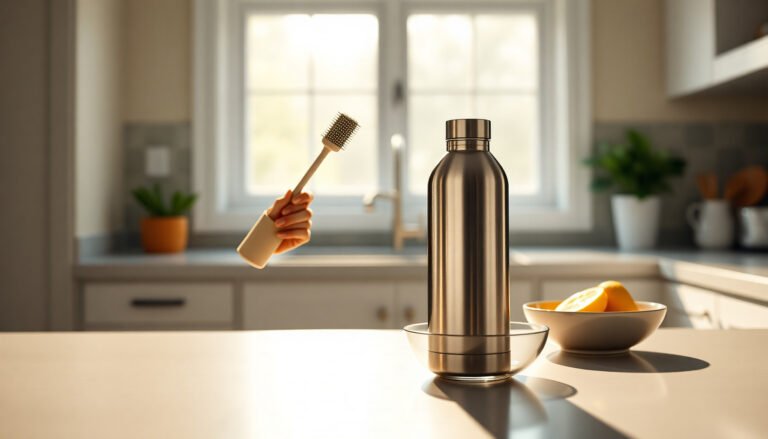
Rattle can be worsened by mineral buildup, food residue, or debris in the cap threads and around the gasket, which prevents a tight seal. Clean the lid and any removable parts regularly with warm water and a bottle brush, and rinse thoroughly so no residue interferes with fit. If the gasket smells, looks stretched, or feels dry, replacing it can eliminate vibration that persists after cleaning.
Best way to diagnose the rattle—what should I do first?
Start with a simple elimination test: shake the bottle with the lid fully tightened, then shake it with the lid removed to see whether the noise comes from the cap assembly. Next, inspect and reseat the gasket, straw, valve, or filter components one at a time until the rattle stops. Once you identify the specific part, you can tighten, clean, or replace it—this is usually faster than guessing and helps restore a quiet aluminum water bottle.
📅 Last Updated: November 25, 2026 | Topic: Why Does My Aluminum Water Bottle Rattle? | Content verified for accuracy and freshness.
References
- Thermal expansion
- Resonance
- Vibration
- Vacuum flask
- O-ring
- Gasket
- https://www.britannica.com/science/resonance
- https://scholar.google.com/scholar?q=aluminum+water+bottle+rattling+sound+cause Google Scholar
- https://scholar.google.com/scholar?q=insulated+bottle+rattle+noise+internal+components Google Scholar
- https://scholar.google.com/scholar?q=thermal+expansion+contraction+metal+container+vibration+noise Google Scholar