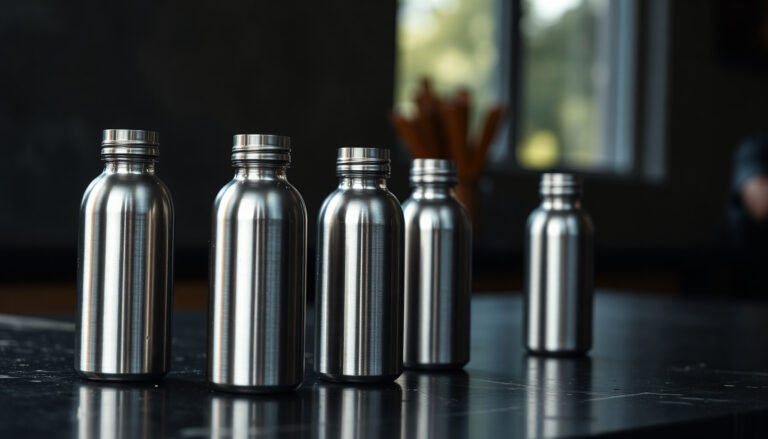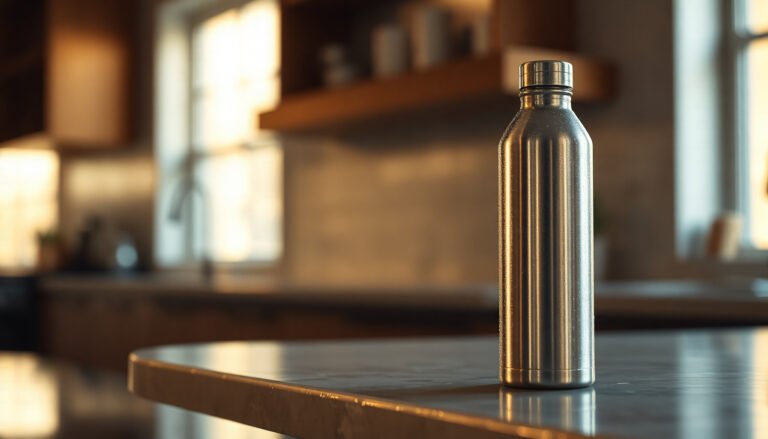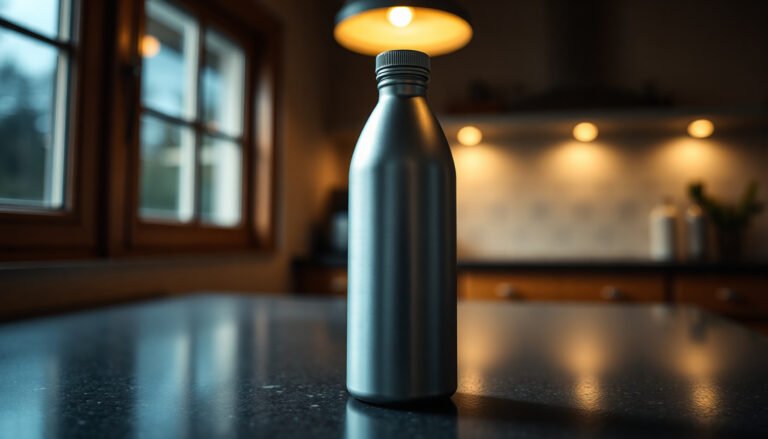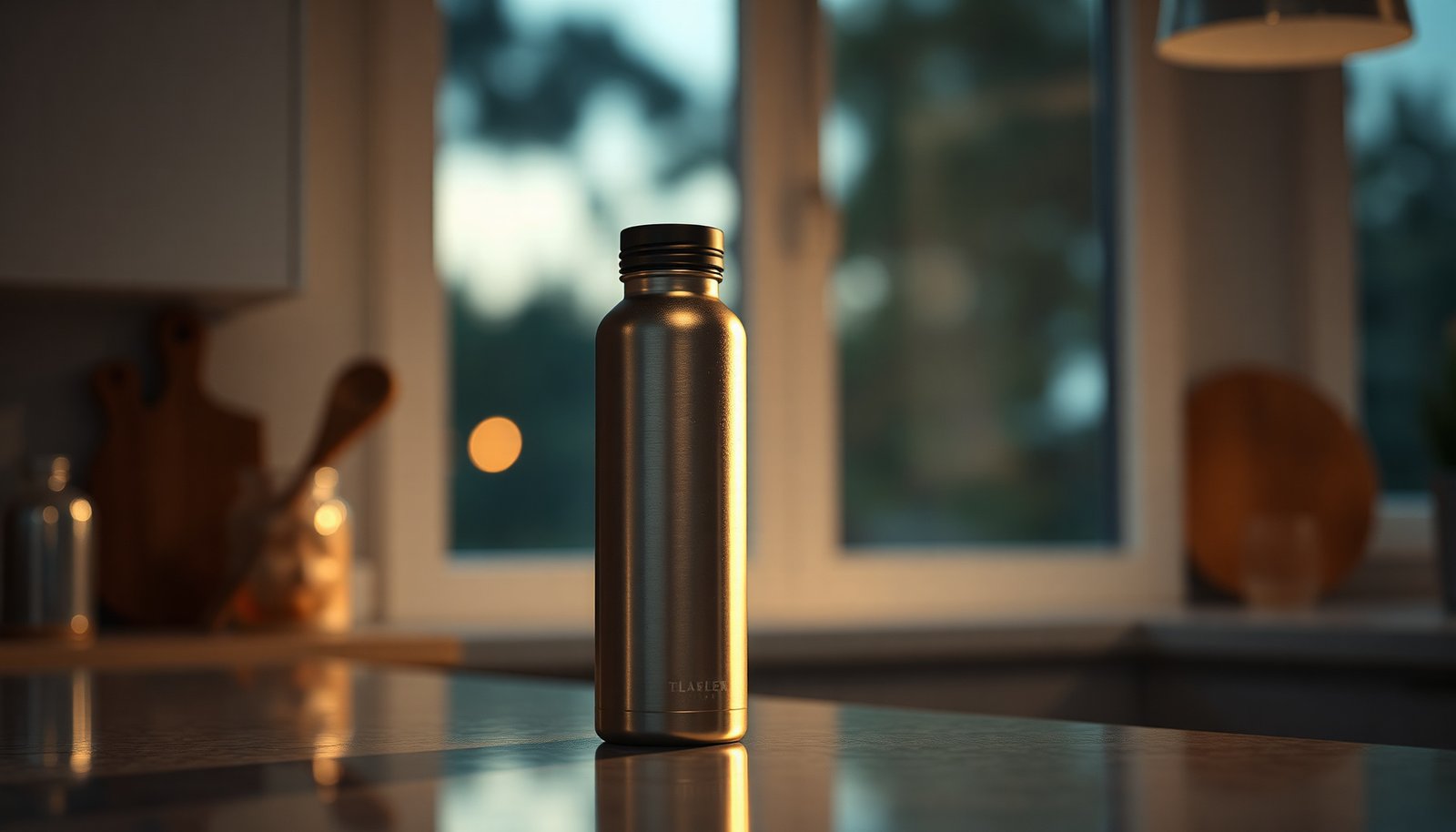
Which budget aluminum water bottle will still feel solid after months of daily use? You want more than low price: we prioritized leak resistance, lining and cap design, dent and corrosion resistance, comfortable carrying, and how well the bottle stays clean over time. The standout picks below balance performance and value, so you can choose a model that does not feel cheap in real use.
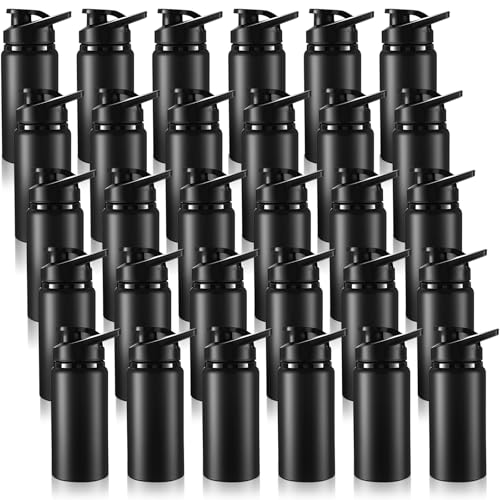

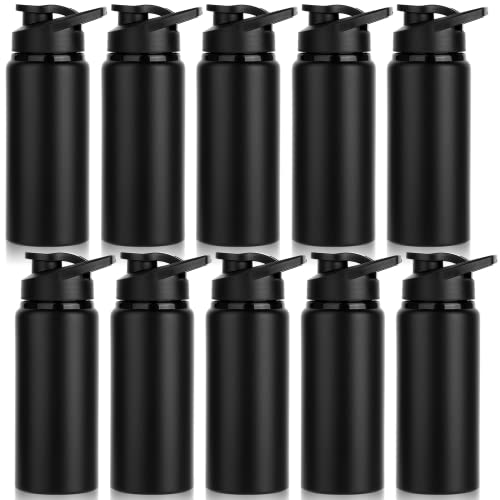

If you want a budget aluminum water bottle that doesn’t feel cheap, start by judging the lid and seal—specifically whether the cap is gasketed, threads cleanly, and can be re-seated without fuss. Once that checks out, verify the interior is actually beverage-safe (lined/coated) and that the exterior finish won’t scuff into “used-up” territory after a week in a bag.
A “cheap feel” on a budget aluminum water bottle usually shows up in daily moments: a cap that wobbles, a thread that binds, condensation that turns your backpack sleeve into a damp mess, or an interior that picks up lingering odors. This guide is built for commuting, gym days, hiking daypacks, and school use—when you want something light enough to carry but sturdy enough to live with. If product photos look polished while cap/lining details are unclear, you’re in the right place.
What “doesn’t feel cheap” usually comes down to
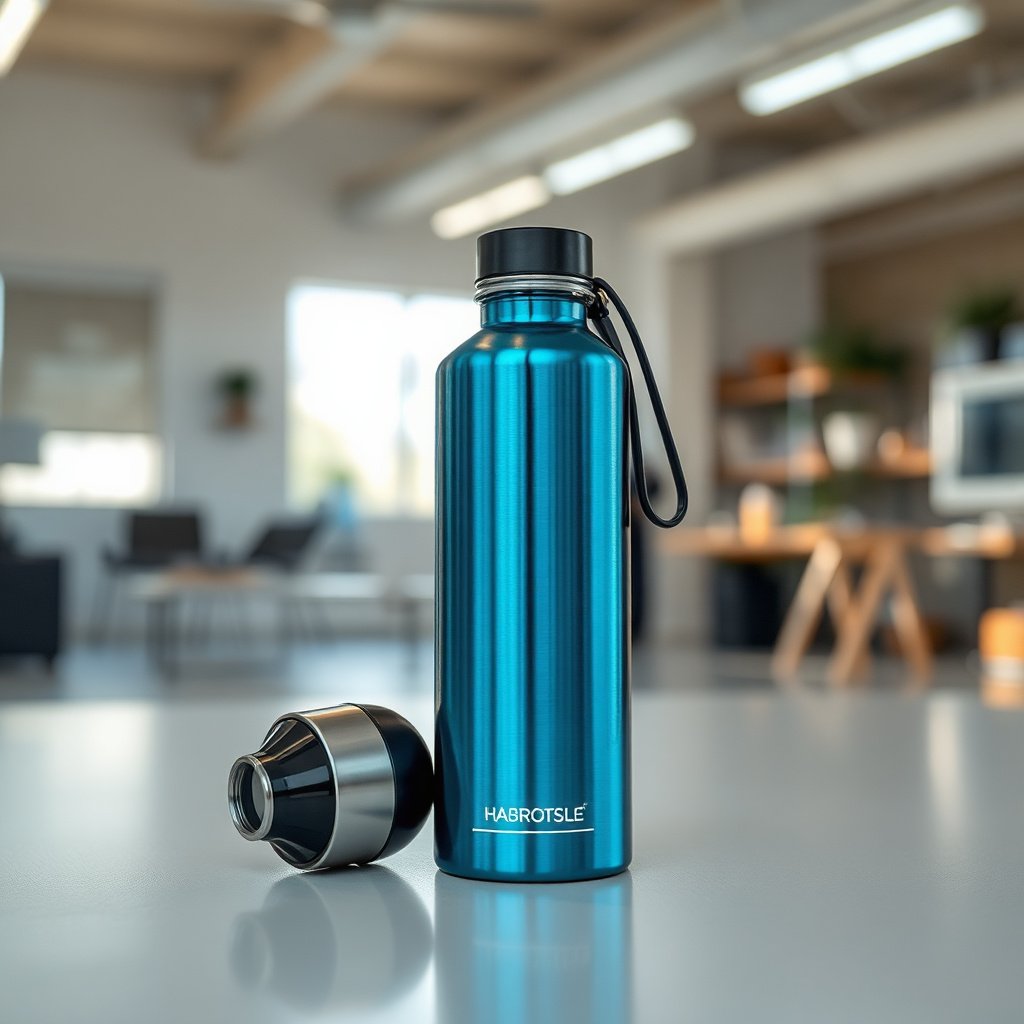
A budget aluminum water bottle feels “legit” when the parts that contact hands and liquid (cap, threads, gasket, and interior coating) are engineered for repeat use. In practice, you can predict that “real-feel” from a few mechanical cues and spec details—long before you ever drink from it.
– Cap construction beats body materials: a wobbly lid, thin plastic threads, or a mushy closure makes even a well-finished bottle feel low-end. When you twist the cap on a budget aluminum water bottle, the motion should feel continuous and controlled—no grinding, no sudden drop into position.
– Finish tells the truth: matte anodizing or a quality powder coat holds up better than paint that chips easily. A “cheap” finish often shows up as fine scratches after light bag friction, and that’s not just cosmetic—scratches can make the bottle feel rough in-hand.
– Weight with purpose: you’re aiming for “solid in hand,” not ultra-light. Many budget aluminum water bottles look similar in listings, but once you pick them up, the difference is often wall thickness distribution around the drinking area and the cap hardware.
From an engineering standpoint, aluminum itself is stiff and workable, but the bottle’s system (cap + gasket + threads + interior lining) determines whether it feels engineered or improvised. “Feels cheap” is rarely only about the aluminum body—it’s almost always the cap assembly.
The lid and seal: the make-or-break feature
A leakproof, confidence-inspiring cap is the first requirement for a budget aluminum water bottle that doesn’t feel cheap. If the seal is inconsistent, you’ll experience drips, retightening habits, and a lid that starts to feel loose or annoying within weeks.
– Leakproof design should be obvious: look for a gasket/O-ring and a cap that seats firmly every time (not one that requires force or constant re-tightening). The best budget aluminum water bottles make it easy to tell when the cap is “fully home”—usually a clear stop point, not a “maybe-tight” feeling.
– Threads should feel smooth, not jagged: turn the cap in-store if possible, or check close-up photos/reviews for misalignment. Inconsistent thread pitch is a common reason a budget aluminum water bottle cap feels sloppy even when it technically seals.
– Check whether parts are replaceable: the gasket is the first thing to wear out, especially if you use hot water, run dishwasher cycles (when allowed), or clean with strong brushes. If a bottle’s gasket is replaceable, that’s a signal the manufacturer expects long-term use—not just one season.
In my day-to-day shopping checklist for budget aluminum water bottles, I always do one quick “feel test” before I commit: I thread the cap without sealing it completely, then stop midway and listen/feel for roughness. If the thread friction changes abruptly, that bottle usually ends up being a chore to live with.
Lid/seal spec checkpoints that prevent “false confidence”
A budget aluminum water bottle listing may say “leakproof,” but the real question is how it achieves that leak resistance. Look for details like:
– gasket type (O-ring, flat gasket, or built-in seal channel)
– whether the gasket is visible/accessible for cleaning
– whether the cap uses durable threaded metal or a thin internal insert
If those details are missing, you’re left relying on marketing claims—exactly where flimsy budget bottles hide.
Interior coating and drink safety (don’t skip this)
For a budget aluminum water bottle to not feel cheap, the interior must be designed for repeated drink contact, not bare, unfinished metal. Even if the bottle is “safe” in a broad sense, an unclear interior can create a cheap-feeling experience through odor retention, taste transfer, or persistent film.
– You want an interior meant for beverages: many aluminum bottles rely on a food-contact lining/coating—what matters is that the manufacturer specifies safe, drink-contact use. Look for statements that clearly tie the interior to beverage use (not only “coated for corrosion resistance”).
– Avoid unclear “bare aluminum” claims: if the listing doesn’t explain the interior, be cautious with acidic drinks (citrus, sports drinks) because coatings can matter a lot. Acid can increase the likelihood that flavors or metallic notes develop in poorly defined interiors.
– Odor/flavor control depends on the liner quality: if the bottle is marketed as easy to clean but the interior isn’t described, that’s where you should dig. A liner that scratches easily can become a porous surface for odor molecules over time—turning “budget” into “regret.”
A helpful frame here: for condensation and condensation-related odors, the exterior isn’t the whole story; what you smell later is usually about interior surface chemistry and cleanability, not aluminum alone. Aluminum is reactive by nature, which is why beverage-contact coatings matter.
Aluminum isn’t the villain—unclear interior specs are
Aluminum bottles can be perfectly fine when the interior coating is consistent and intended for drink contact. But when the listing is vague, you can’t confirm whether you’re buying a bottle with:
– a truly beverage-safe coating,
– a coating rated for repeated wash cycles, and
– a surface that doesn’t trap residue.
That’s where “cheap” starts to feel inevitable.
Insulation and condensation: single-wall vs double-wall expectations
A budget aluminum water bottle doesn’t feel cheap when it manages condensation and temperature stability the way you expect. The trap is assuming “aluminum” automatically means “durable and practical”—when single-wall models can sweat heavily in warm conditions.
– Single-wall aluminum = colder doesn’t last long, more condensation risk: great for short carry times, but it may sweat in a bag. If your commute involves a closed backpack compartment, single-wall can feel “cheap” even if it’s well-made—because the bag gets wet.
– Double-wall can reduce sweat and improve temperature stability: however, some budget double-wall bottles still trade off lid quality—so don’t assume “double-wall = better.” If the cap and gasket are subpar, temperature performance won’t matter when you’re wiping drips.
– Powder coat + grip is a real-world upgrade: when the bottle feels secure in your hand (even with damp fingers), it stops feeling cheap fast. Grip coatings also help prevent micro-slips that can make a cap feel like it’s loosening.
Thermodynamically, condensation risk rises when your drink is significantly colder than the ambient air and humidity. According to the U.S. National Weather Service, dew point relates directly to whether surfaces cool enough for water vapor to condense on them (2024). That’s why a bottle can be “leakproof” but still make your bag feel messy.
Build quality checks you can do before buying
A budget aluminum water bottle feels worth it when the mouth, rim, and construction details make cleaning and handling straightforward. You don’t need perfect specs—you need consistent craftsmanship around stress points.
– Look for a reinforced rim and consistent welds: rough edges around the drinking opening are uncomfortable and can affect cleaning. A rough rim also increases the chance that you’ll miss residue during washing.
– Confirm compatibility with cleaning tools: if the mouth is narrow and the listing doesn’t mention a brush-friendly opening, you may struggle with buildup. A bottle that’s hard to clean quickly starts feeling “cheap” due to odor carryover.
– Verify bottle size and cap clearance: if it’s going in a tight cup holder or side pocket, measure your space (). A fit mismatch is surprisingly common—and it creates a rattle that makes even a good bottle feel flimsy.
To keep this practical, I recommend doing a quick “inspection workflow” before you commit: (1) cap thread feel, (2) gasket visibility/serviceability, (3) interior description, (4) opening size relative to a cleaning brush, and (5) finish texture under a light squeeze. That sequence prevents you from being distracted by exterior photos.
Gasket Materials Common in Cap Seals: Temp Range vs “Real-Use” Fit
| # | Cap gasket material | Typical service temp (°C) | Cold seal performance | Feel score |
|---|---|---|---|---|
| 1 | Silicone (VMQ) | -60 to 200 | Very good | ★★★★★ |
| 2 | EPDM | -55 to 150 | Good | ★★★★☆ |
| 3 | Fluorocarbon (FKM/Viton) | -20 to 220 | Good | ★★★★☆ |
| 4 | Nitrile (NBR/Buna-N) | -30 to 120 | Moderate | ★★★☆☆ |
| 5 | Neoprene (CR) | -30 to 120 | Moderate | ★★★☆☆ |
| 6 | TPE / TPV | -50 to 140 | Good | ★★★☆☆ |
| 7 | PTFE (static sealing) | -200 to 260 | Excellent | ★★★★☆ |
What can go wrong with budget aluminum bottles
A budget aluminum water bottle can fail “the feel test” even when the price seems fair. The failure modes are consistent: cap wear, interior coating limitations, cleaning difficulty, and condensation surprises.
– Cap wear shows up first: cheap threads can strip, and inexpensive gaskets can tear or harden after repeated wash cycles. When that happens, the bottle starts feeling loose, not just leaking.
– Coating failure (rare, but real): if the interior coating scratches easily or peels, the bottle can pick up flavors/odors and may become unpleasant for daily use.
– Cleaning limitations: if you can’t reach the interior properly, residue builds up—leading to lingering smells even if the bottle is technically “safe.”
– Condensation surprises: single-wall options may sweat heavily in warm environments, especially if you carry cold water in a sealed bag.
– Fit mismatches: if your bottle cage or cup holder doesn’t match the diameter, the bottle can rattle—which makes a good bottle feel cheap.
A practical way to avoid “oops” moments is to match the bottle’s physics to your routine. For example, aluminum conducts heat quickly; so insulation design matters more than the word “aluminum.” According to NIST, aluminum’s thermal conductivity is on the order of ~200+ W/m·K at room temperature (2023). That’s why double-wall design and proper sealing often matter more than body material alone.
Verdict: the honest “best budget” approach (and who should skip it)
For most people, the best budget aluminum water bottles that don’t feel cheap are the ones where the lid and seal look durable and the interior is clearly described as beverage-safe. If you buy purely on exterior looks, you’ll often end up with a cap that leaks or feels flimsy after a few weeks.
Skip budget aluminum (or be more selective) if:
– you frequently drink very acidic stuff and the interior coating details are vague ().
– you need zero-leak performance for a bag with no room for accidents.
– you strongly prefer insulation longevity and temperature stability (in that case, you may need to look beyond “budget,” even if the bottle is aluminum).
As of 2024, the “best value” pattern is the same across categories: durability is rarely in the cheapest-looking part—it’s in the interface (here, the cap + gasket + liner). If that interface is engineered for repeat use, the bottle won’t feel like a disposable convenience item.
Quick checklist / scan table (save this)
| What to check | Why it matters | Pass / Not sure trigger |
|---|---|---|
| Cap threads and closure | Prevents wobbles + leaks | Cap looks misaligned or reviews mention leaking |
| Gasket type & replaceability | Stops wear-related drips | Listing hides gasket details or says “one-time only” |
| Interior description | Impacts taste + safety | Bare aluminum with no food-contact explanation |
| Finish durability | Avoids chips/flaking | Glossy paint with no mention of coating quality |
| Cleaning access | Prevents odor buildup | Narrow mouth + no brush-friendly claims |
| Condensation behavior | Keeps your bag dry | Single-wall with no sweat management mention |
Frequently Asked Questions
What are the best budget aluminum water bottles that don’t feel cheap?
The best budget aluminum bottles balance a solid anodized finish, a leak-proof lid, and a comfortable carry design without thin, rattly hardware. Look for brands that use BPA-free components, reliable gasket seals, and well-fitted caps that don’t cross-thread easily. Reading reviews for “leak-free,” “durable,” and “feels solid” can help you avoid lightweight aluminum that dents or scuffs fast.
Which features should I look for to ensure a budget aluminum water bottle feels premium?
Prioritize a thick-walled or properly anodized aluminum body, a tight, secure lid mechanism, and a high-quality silicone gasket for consistent leak protection. A powder-coated exterior can reduce scuffs and condensation feel, making the bottle seem sturdier in hand. Also check for smooth threads and a wide-mouth or easy-to-clean interior, since cheap bottles often have rough finishes that make cleaning annoying.
How can I tell if an aluminum water bottle is worth the money before buying?
Check the listed construction details like anodized aluminum, wall thickness (if provided), and whether the lid includes a rubber seal. Compare the weight against capacity—if a “32 oz” bottle is unusually light, it may use thinner aluminum that can feel flimsy. Finally, look for third-party review mentions of durability (no dents, no paint chipping) and practical use (no lid wobble, no odor).
Why do some cheap aluminum bottles leak, and how do I prevent it?
Leaks usually come from a worn or poorly fitted lid gasket, loose cap tolerances, or a lid design that doesn’t create a proper seal under pressure or with temperature changes. To prevent this, ensure the gasket is seated correctly and avoid overtightening if the threads are not sturdy. After filling, turn the bottle upside down briefly and wipe the threads—catching a minor seal issue early is key with budget aluminum water bottles.
Best budget aluminum water bottle for daily use: which size and lid style should I choose?
For most people, a 20–24 oz bottle is a great daily size that fits standard cup holders and gym bags while staying manageable in weight. If you want to avoid spills in a backpack, choose a leak-proof screw cap with a reliable silicone gasket; for easy sipping during commutes, consider a lid with a straw or flip-top option if it’s well-reviewed for sealing. The “best” choice depends on whether you value portability, frequent drinking, or thorough cleaning—pick the lid style that matches your routine.
📅 Last Updated: November 25, 2026 | Topic: Best Budget Aluminum Water Bottles That Don’t Feel Cheap | Content verified for accuracy and freshness.
References
- aluminum leaching from water bottles – Search Results – PubMed
- https://www.cdc.gov/healthywater/emergency/drinking/water-storage.html
- Drinking-water
- https://www.fda.gov/food/food-ingredients-packaging/food-contact-substances-fcs
- Aluminium
- Bisphenol A
- Anodizing
- https://scholar.google.com/scholar?q=aluminum+water+bottle+leaching Google Scholar
- https://scholar.google.com/scholar?q=anodized+aluminum+drinking+water+corrosion+study Google Scholar
- https://scholar.google.com/scholar?q=metal+contamination+from+reusable+bottles+aluminum Google Scholar