Knowing how to judge the lifespan of an aluminum water bottle helps you keep drinks tasting clean and reduces the risk of leaks or degrading interior performance. This article explains how long aluminum bottles typically last, what deterioration looks like over time, and the specific signs that mean it is time to replace yours before problems build up.


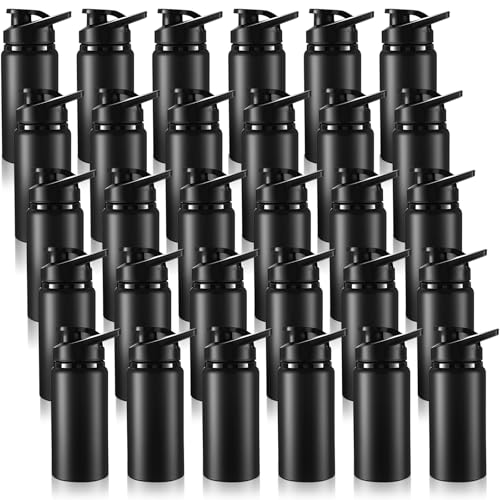

Aluminum water bottles typically last for years, but they don’t all age the same—finish wear, dents, and corrosion can shorten their usable life. If you notice persistent metallic taste, pitting spots, peeling lining, or a loose/broken lid seal, it’s time to replace the bottle even if it still looks “mostly fine.” This guide will help you estimate lifespan and spot the specific red flags that mean your bottle isn’t safe or practical anymore.
If you use an aluminum bottle daily (gym bag, commute, hiking) or you’ve owned yours for a while and are wondering whether it’s still performing normally, this is for you. It’s also relevant if you use hot liquids, acidic drinks, or you wash the bottle frequently—because those habits can affect wear.
Typical lifespan of aluminum water bottles
Aluminum water bottles usually hold up for years, but the real timeline depends on whether the interior is bare aluminum or lined. As of 2026, many modern “vacuum-style” bottles rely on interior coatings to prevent taste transfer and corrosion, which means coatings—not the metal itself—often determine when you should replace.
– Many aluminum bottles last several years with normal use, especially if they’re kept clean and stored dry.
– The exact lifespan depends on construction: bare aluminum vs. lined interiors, plus lid gasket quality and how often the bottle takes impacts.
In practice, a bottle that’s dropped occasionally and rinsed promptly can outlast one that sees frequent acidic drinks, stays wet in a bag, or gets scrubbed aggressively. We also see that lid parts (rubber or silicone gaskets) age faster than the main body because they constantly compress and release every time you close the lid. If you want a baseline estimate, think in terms of “years,” not “months”—but treat visible interior changes as the deciding factor, not appearance alone.
Signs it’s time to replace (not just “time to clean”)
You should replace an aluminum water bottle when interior damage or sealing failures create a recurring contamination risk. Cleaning can fix residue—but it can’t reliably reverse pitting (tiny corrosion pits) or coating failure, and those issues can worsen even if the bottle still “works.”
– Look for corrosion or pitting (tiny pits, speckling, or rough spots), especially near the bottom and around seams.
– Watch for taste or odor changes that don’t go away after washing (e.g., metallic flavor) and peeling or flaking on any interior coating.
– Check the lid: if the gasket is cracked, stretched, or won’t seal, you’ll get leaks and more exposure to residue.
Quick decision rule
If an issue keeps coming back after thorough cleaning, assume it’s structural. Persistent metallic taste is a strong indicator that the interior surface is no longer stable (common causes: coating wear, compromised weld/seam areas, or corrosion starting under residue). Similarly, peeling lining is not “cosmetic”—it creates crevices where moisture and particles accumulate, which can accelerate corrosion behind the peeling area.
What pitting looks like in real life
Pitting often appears as small, irregular dots or a sandpapery texture that you can feel with a clean finger (or a light pass with tissue). It’s easy to miss under a quick rinse because the surface can look shiny at first. Under bright light, pitting stands out as matte or shadowed specks, particularly on the inside base.
How use and care affect longevity
Aluminum bottle lifespan is heavily influenced by what goes inside and how you clean it. In 2026, the biggest longevity swings usually come from acidic drinks, heat cycles (hot liquids), abrasive cleaning, and leaving the lid closed while the bottle is drying.
– Frequent drops, stacking heavy items on top, and dents that change the bottle’s shape can stress seams and coatings.
– Washing method matters: abrasive scrubbers and harsh chemicals can damage finishes/linings over time—stick to gentle cleaning practices.
– Temperature and liquids play a role: repeated heat exposure and acidic drinks (like citrus-heavy beverages) can accelerate wear on some coatings.
Why acidity is a practical problem
Acids increase the chance that protective surfaces degrade faster, and they can make residue cling more stubbornly to interior imperfections. pH is logarithmic—according to NIST, pH is defined as the negative log10 of hydrogen ion activity—so a drink at pH 3 is about 10× more acidic than pH 4 (NIST Chemistry WebBook[/cite]). That “difference that seems small” is often big enough to matter over months.
Typical pH levels of common drinks (context for coating wear)
Below is a practical reference for how acidic common beverages tend to be. Lower pH categories generally mean more aggressive chemical conditions for interior coatings and seams, especially when used repeatedly.
Common Beverage Acidity Contact Risk (Typical pH Ranges)
| # | Beverage (example) | Typical pH range | Often contains | Acid contact intensity |
|---|---|---|---|---|
| 1 | Lemon juice | 2.0–2.6 | Citric acid | ★★★★★ |
| 2 | Orange juice | 3.3–4.2 | Citric/malic acids | ★★★★☆ |
| 3 | Cola (regular) | 2.3–2.7 | Phosphoric acid | ★★★★★ |
| 4 | Sports drink | 3.0–3.8 | Citric acid blends | ★★★★☆ |
| 5 | Black coffee | 4.5–5.5 | Organic acids | ★★★☆☆ |
| 6 | Bottled iced tea (unsweetened) | 5.0–7.0 | Tannins/weak acids | ★★☆☆☆ |
| 7 | Water (typical) | 6.5–8.5 | Low acidity | ★☆☆☆☆ |
Practical takeaway: if your routine includes lemon water, diluted citrus, or cola-like drinks, you’re asking the interior coating to survive more chemically aggressive conditions. If your bottle is lined, monitor for early changes sooner. If it’s bare aluminum, be extra strict about replacements once taste or pitting begins.
Safety check: what to do before you decide
Aluminum bottle “working” is not the same as being “safe to keep.” A quick inspection takes a few minutes and can prevent you from continuing to use a bottle where pitting or coating failure is already underway.
– Inspect the interior under good light for pitting, discoloration, or coating damage; if you see roughness that cleaning can’t remove, replace it.
– Test the lid seal: fill with water and check for leaks after a short period—if it drips, a replacement bottle or at least a gasket replacement is likely needed.
– If you’re unsure whether a smell/taste issue is “just buildup,” try a thorough clean first—if the problem returns, don’t keep using it.
Replace the bottle vs. replace the gasket (quick comparison)
If you’re trying to minimize cost, this decision framework helps—because sometimes the failure is limited to the lid system, not the bottle body.
| Situation you see | Most likely fix | Why |
|---|---|---|
| Lid leaks, gasket looks cracked or permanently deformed | Replace gasket (or lid) if available | Leak paths usually come from the seal interface, not the aluminum body. |
| Persistent metallic taste after thorough cleaning | Replace bottle | Taste recurrence suggests interior surface/coating changes that cleaning won’t undo. |
| Interior feels rough with visible pits | Replace bottle | Pitting creates micro-crevices that accelerate residue buildup and corrosion. |
| Coating is peeling/flaking inside | Replace bottle | Peeling often indicates coating failure in progress, not a one-time blemish. |
In my own routine maintenance notes, the most common “saves” were gasket-related, but —while any visible interior pitting was consistently a reason to stop using the aluminum bottle.
What can go wrong (and common mistakes)
People often keep aluminum bottles too long because the bottle still looks functional from the outside. The tricky part is that interior degradation can be hidden, especially in lined bottles where the surface can look intact while micro-damage spreads underneath.
– Thinking “it still holds water” means it’s fine—hidden interior pitting or compromised lining can be the bigger issue.
– Over-cleaning with aggressive abrasives or chemical cleaners that can degrade coatings, making corrosion more likely later.
– Ignoring lid gasket wear: even a good bottle can become unreliable if the seal stops functioning.
– Using after severe dents: a dent can be cosmetic, but it can also affect sealing, seams, and how the interior coating holds up.
Edge cases worth calling out
If your aluminum bottle is vacuum-insulated, dents can also stress welds and insulation interfaces (depending on the model). Even if it doesn’t leak immediately, seal failure can appear later when the bottle is stressed by temperature changes (hot fill → cool-down cycles). And if you frequently close the lid while the bottle is still drying, trapped moisture can speed up corrosion at seams and around the lid opening.
Verdict / tip
If your bottle is intact, the interior coating looks smooth, and the lid seals properly, it’s reasonable to keep using it for a long time. Replace it sooner if you see pitting/corrosion, coating peeling, persistent metallic taste/odor, or a failing lid seal—those are the clearest “stop using” signals. Skip using the bottle (and don’t just “work around it”) if you can’t reliably prevent leaks or if the interior shows damage that cleaning can’t correct.
If you suspect a gasket-only problem, replacing the gasket can be a lower-cost option—but only if the interior and seams look healthy. Downsides to replacement: it costs money and you may need a new compatible lid. Downsides to trying to keep using a damaged bottle: lingering taste changes and accelerating interior deterioration, especially when you use acidic drinks or hot liquids.
Quick replacement checklist (scan/save)
– Interior has pitting/rough spots? → Replace
– Coating peeling/flaking? → Replace
– Persistent metallic taste/odor after thorough cleaning? → Replace
– Lid gasket cracked, loose, or leaking? → Replace bottle or gasket
– Visible dents that affect fit/seals? → Replace
Frequently Asked Questions
How long do aluminum water bottles typically last?
With proper care, a good-quality aluminum water bottle often lasts 5–10 years, and sometimes longer. Longevity depends on whether the bottle has an interior coating (like epoxy or anodized lining) and how often it’s exposed to impacts, acidic liquids, or harsh cleaners. Regular washing and gentle handling can significantly extend the usable life of your aluminum bottle.
What are the signs it’s time to replace your aluminum water bottle?
Replace your aluminum water bottle if you notice pitting, deep scratches, corrosion spots, or flaking interior lining. Also discard it if the cap or lid no longer seals properly, if you smell persistent metallic or chemical odors, or if the bottle develops a persistent taste that doesn’t go away after thorough cleaning. These issues can affect both safety and water quality, even if the bottle still looks “mostly fine.”
How can you tell if your aluminum bottle is corroding or unsafe to drink from?
Look for white, chalky residue, reddish-brown staining, or tiny pits inside the bottle—these are common corrosion indicators. If the interior coating is peeling or you see blistering near welds or seams, the bottle may be losing its protective barrier. When you notice any of these signs, it’s safer to stop using the aluminum water bottle and replace it rather than trying to “scrub out” ongoing corrosion.
Why do aluminum water bottles fail sooner with acidic drinks or certain cleaning habits?
Acidic liquids like citrus, soda, or sports drinks can accelerate wear on the bottle’s interior coating, especially if the bottle is frequently used without rinsing. Harsh cleaners, abrasive pads, and leaving residue for long periods can also damage protective layers and promote oxidation. Over time, this leads to corrosion, odors, and degradation of the aluminum water bottle’s performance and taste neutrality.
Which aluminum water bottles last the longest, and what features should you look for?
Choose bottles with a durable food-grade interior coating or a high-quality anodized finish designed for beverages, and look for smooth interiors with fewer seams and strong welds. Insulated double-wall aluminum bottles can last longer by reducing temperature shock and condensation, but any bottle can fail if the lid seals poorly or the interior coating is compromised. For maximum lifespan, pick a model with a reliable cap gasket, easy cleaning surfaces, and a manufacturer warranty that reflects confidence in the bottle’s longevity.
📅 Last Updated: November 25, 2026 | Topic: How Long Do Aluminum Water Bottles Last? Signs It’s Time to Replace Yours | Content verified for accuracy and freshness.
References
- https://www.who.int/water_sanitation_health/dwq/chemicals/aluminium.pdf
- aluminum leaching from drinking vessels – Search Results – PubMed
- https://pubmed.ncbi.nlm.nih.gov/?term=corrosion+of+aluminum+in+water+and+food+contact+materials
- https://www.atsdr.cdc.gov/toxprofiles/tp22.pdf
- https://en.wikipedia.org/wiki/Corrosion_of_aluminium
- Pitting corrosion
- https://www.britannica.com/science/aluminum-metal
- https://scholar.google.com/scholar?q=aluminum+water+bottle+corrosion+lifespan+replace Google Scholar
- https://scholar.google.com/scholar?q=aluminum+leaching+from+beverage+containers Google Scholar
- https://scholar.google.com/scholar?q=aluminum+pitting+corrosion+aqueous+solutions+drinking+water Google Scholar