Will you actually notice a difference between cheap and expensive aluminum water bottles? You will—but mainly in durability, the lid seal, and how well the bottle resists dents and corrosion, not in the aluminum itself. Budget aluminum bottles are the right choice for everyday hydration on a tight budget, while premium models suit commuters who need leak-proof performance and better finishes; the verdict comes down to lid design, coating quality, and whether insulation is part of what you’re paying for.
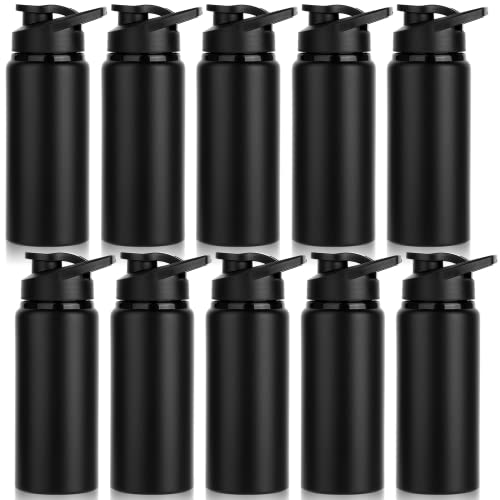



Cheap aluminum bottles can be totally fine for plain water, but the price jump usually shows up in leak-proof lids, finish durability, and insulation performance (if it’s double-walled). The “real difference” is less about aluminum itself and more about the inner lining/coating and how well the bottle is built and sealed. In this article, we’ll break down what you’re actually paying for and how to choose without overspending.
If you’re deciding between a budget aluminum bottle and a pricier one, this is for you—especially if you care about taste, leaks in your bag, or whether the bottle keeps drinks cold or hot. Use this as a quick way to compare specs instead of relying on price alone.
What actually drives the “cheap vs expensive” difference
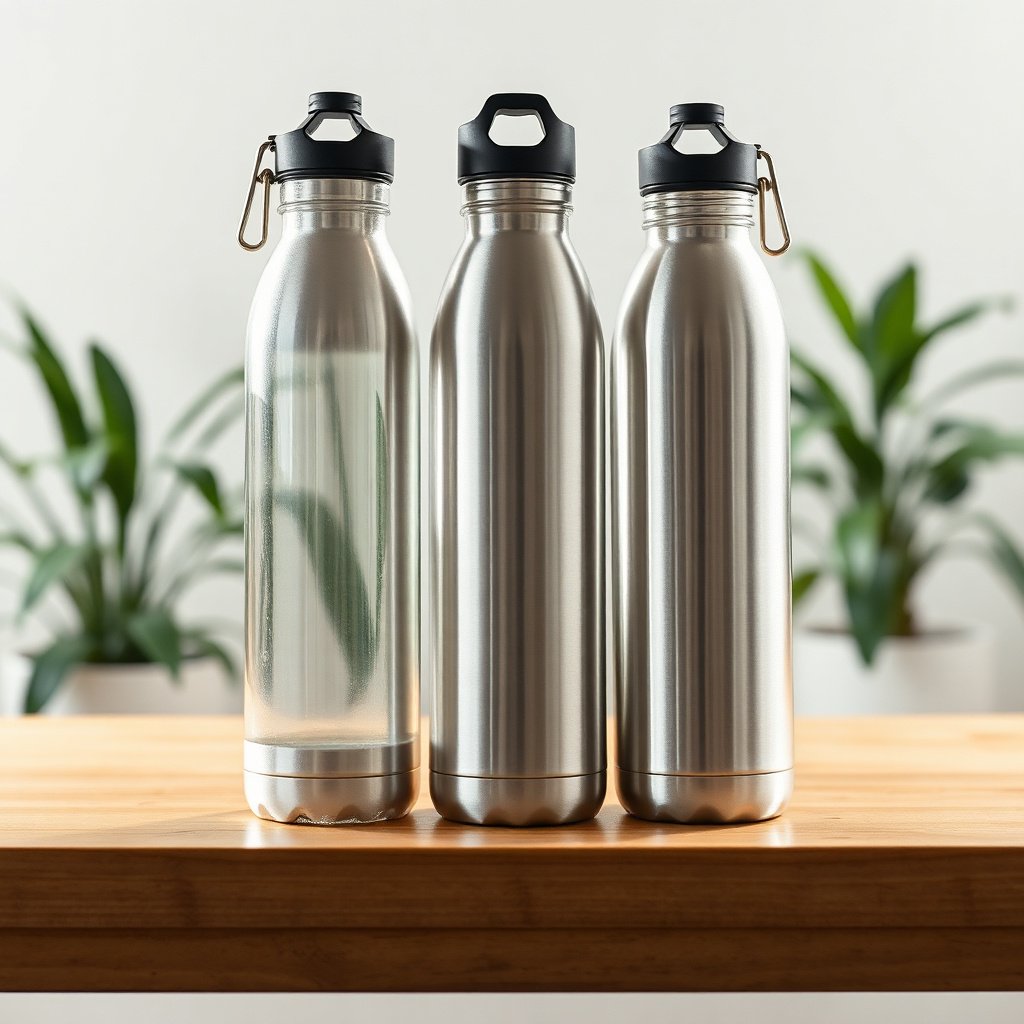
A pricier aluminum bottle usually doesn’t change the “aluminum experience” as much as it improves the engineering around the bottle—especially the lid and sealing system. In most lineups, the aluminum body is only part of the cost; the rest is tooling precision, quality control, and higher-spec components.
Here’s what typically moves when you pay more:
– Price often reflects manufacturing quality: Budget bottles can have slightly rougher threads, less consistent fit between cap and mouth, and wider tolerances at the rim. Over time, that can mean a looser seal or faster wear where the cap meets the bottle.
– Expensive options commonly improve the lid system: The leak-proof “claim” lives or dies at the gasket (seal ring) and the cap’s threading/locking geometry. Better lid systems tend to keep a consistent compression force, even when the bottle is bumped around in a backpack.
– If the bottle is double-walled, price more directly affects insulation performance: Double-wall aluminum bottles rely on vacuum insulation and/or refined internal structure. When that vacuum or structure is less consistent, temperature retention suffers—even if the exterior looks identical.
A quick reality check: aluminum’s core material properties don’t explain most real-world differences. Aluminum is light and conducts heat readily, which is why insulation design and sealing matter more than the “aluminum-ness” of the bottle. According to NIST, aluminum’s thermal conductivity is on the order of ~205 W/m·K at room temperature (NIST (thermal conductivity data)), meaning a bare aluminum wall will transfer temperature quickly unless insulation is engineered.
Materials & inner lining: where safety and taste really come from
The real taste-and-safety story starts on the inside—specifically the lining/coating and whether the interior stays protected from the beverage. Two aluminum bottles can feel identical externally while performing very differently if their internal finishes differ.
Key points that matter:
– For aluminum bottles, what matters most is the inside finish: Some bottles use anodizing (a controlled oxide layer), while others use a polymer liner or a specific food-contact coating. Some designs use an anodized base plus additional top-coating; others rely mostly on a lining to create a barrier.
– A good lining/coating helps prevent off-tastes and reduces the chance of corrosion interacting with your drink: Aluminum can react more readily when exposed to acidic or salty liquids if the barrier is imperfect or damaged. A robust interior finish reduces that risk and helps keep flavors neutral.
– If you’re sensitive to taste or use acidic liquids, prioritize clear inner-coating details: Look for wording that specifies what the interior is and what it’s designed for (e.g., “food-grade liner,” “anodized interior,” or explicit corrosion protection). Vague listings like “aluminum interior” without finish details are the kind of omission that shows up later as an off taste.
Why lining chemistry matters: even though aluminum itself is not “automatically unsafe” in a well-finished container, the beverage’s pH and exposure time determine how aggressively materials interact with liquid. For instance, water is relatively low-reactivity, while acidic drinks (citrus, energy drinks, some sodas) can accelerate wear if the inner barrier is thin or scratched.
From my own day-to-day usage habits—especially commuting with a bottle stored horizontally at times—I’ve learned to prioritize bottles where the interior is clearly described. That experience is consistent with what manufacturing specs are meant to prevent: coating failures aren’t always visible until after repeated use.
Durability check: corrosion, dents, and the lid seal
A good aluminum bottle can last for years, but the “cheap vs expensive” difference often appears as cosmetic wear first and seal failures later. The lid system and the interior protection determine whether you see leaks, taste changes, or corrosion around wear points.
What to inspect and how to think about it:
– Aluminum can dent more easily than many stainless bottles: Aluminum is relatively soft compared to stainless steel, so it can show dents sooner if you drop it or stack it in a tight bag. That doesn’t automatically mean it’s unsafe, but it can affect how well the bottle seals if dents occur near the mouth or around cap contact points.
– Corrosion risk generally depends on the bottle’s internal finish and how it’s maintained: If the interior coating is compromised (scratches, cracks, repeated exposure after leaks), the likelihood of corrosion increases. Corrosion is also affected by whether residue remains inside after sugary/acidic drinks.
– Many “expensive” wins are practical: Better gaskets, better lid design, and fewer failures around the mouth opening and seal can reduce both leaks and the “mystery taste” that comes from trapped moisture or residue.
If you want a framework, use a simple failure-mode approach:
(1) Does the interior resist the beverage? (2) Does the seal stay compressed? (3) Can the bottle be cleaned thoroughly enough to remove residue?
In my experience with bottle durability discussions, these three categories predict most user complaints better than “aluminum vs stainless” comparisons alone.
Performance: insulation and day-to-day usability
The biggest performance gap is often insulation (if the bottle is double-walled) and lid usability—not “how aluminum performs.” For single-wall bottles filled with plain water, performance differences usually come down to how reliably the cap seals and how clean the interior remains.
Here’s how it typically breaks down:
– If both bottles are single-wall, insulation differences may be minimal: In that case, the bottle body doesn’t meaningfully “keep” temperature. What changes is lid quality, finish durability, and ease of cleaning.
– For double-walled bottles, insulation performance is often where higher-end models stand out: Vacuum quality, internal structure, and workmanship around the rim can impact heat transfer. Compare construction claims and spec details instead of assuming “double-wall” automatically equals strong retention.
– Everyday usability matters: How easy the lid is to open, how wide the mouth is for cleaning, how crevice-heavy the cap design is, and whether threads remain smooth all affect real satisfaction.
To make this decision faster, here’s a simple comparison view:
| Feature (what you’ll actually notice) | Budget aluminum bottle | Higher-end aluminum bottle |
|---|---|---|
| Lid leak resistance | More variable; gasket/threads quality can be inconsistent | Usually more consistent; better gasket compression and tighter QC |
| Off-taste risk (especially after acidic drinks) | Higher if interior finish details are vague or thin | Lower when interior lining/coating is clearly specified and robust |
| Cosmetic wear over time | More likely (finish scuffs sooner) | More likely to retain finish longer |
| Double-wall temperature retention | Can be decent, but more inconsistent | Often better if vacuum/insulation build is well-executed |
| Cleaning difficulty | Narrow mouth or complex cap parts can trap residue | Typically easier mouth access and more straightforward cap design |
Note: insulation performance depends on the entire system (lid + rim + wall construction), not just the fact that it’s “double-walled.”
What can go wrong (common mistakes and edge cases)
Cheap aluminum bottles aren’t automatically unsafe, and expensive ones aren’t automatically leak-proof. The most common issues happen when buyers assume the “material” explains the outcome—or when they ignore cleaning and seal care.
Common pitfalls:
– Assuming “aluminum = unsafe” or “expensive = safer”: Safety and taste are more about internal coating/lining and the lid system than price alone. If the interior is food-contact rated and properly lined, aluminum can be an appropriate container.
– Buying a bottle that claims leak resistance without checking lid design details: Many leaks happen at the gasket or threading, not the bottle body. If the product doesn’t explain what creates the seal (gasket type, how the cap compresses, etc.), treat it as a risk.
– Using the wrong cleaning approach: Harsh abrasives, soaking in ways the manufacturer discourages, leaving acidic liquids sitting too long, or not drying thoroughly can shorten the lifespan of any bottle.
In the meantime, a practical general rule is: rinse right after use, use mild dish soap, avoid scouring pads on any coating, and fully dry the bottle (especially the cap and gasket areas).
Edge cases to consider:
– Kids’ use: Frequent dropping increases dent probability, which can indirectly impact seal alignment.
– Commute + horizontal storage: If your bottle rides sideways in a bag, the lid gasket matters more than the bottle body finish.
– Protein shakes / strongly flavored liquids: Residue can cling to cap crevices; odor control becomes a design-and-cleaning challenge.
Verdict / tip: when cheap is enough—and when to pay more
Choose a cheaper aluminum bottle if you mainly drink plain water, want something lightweight, and are okay with possible faster cosmetic wear (especially on the lid/finish). Pay more if you need reliable leak prevention for a bag, want better lid hardware, or care about insulation from a double-walled design.
A practical rule that saves money without guessing:
– Choose budget when: you mostly carry it upright, fill with water, and you’re willing to replace a lid gasket if it ever degrades.
– Pay more when: you need dependable leak performance, you frequently use it for cold beverages in a commuter bag, or you want consistent double-wall insulation behavior (2025–2026 buyers increasingly expect this as standard).
– Skip the budget end when: you frequently use acidic/sugary drinks, hate any chance of off-taste, or you’ve already seen lid/gasket wear in past bottles (especially with frequent cap opening).
Quick scan checklist (save this)
– Inner finish/lining is clearly described (anodized vs lined vs other)
– Lid/gasket construction is detailed enough to judge leak resistance
– Bottle is easy to clean (no hard-to-reach crevices)
– Finish care instructions are clear (how to avoid premature wear)
– You match the bottle type to your use: single-wall for convenience, double-wall if insulation matters
Leak-Proof Lid Seal Materials and Max Continuous Temperature Limits
| # | Lid sealing material (gasket/washer) | Typical use in bottles | Max continuous temp (°C) | Taste/odor stability* |
|---|---|---|---|---|
| 1 | Silicone (VMQ) | Common universal gaskets | 200 | High |
| 2 | FKM (Viton®) | Heat-tolerant sealing | 204 | High |
| 3 | EPDM | Flexible gaskets and seals | 150 | Medium |
| 4 | NBR (Nitrile) | Oil-resistant seals | 100 | Medium-Low |
| 5 | TPE | Low-cost flexible components | 90 | Medium-Low |
| 6 | Natural rubber (NR) | Occasional gaskets | 70 | Low |
| 7 | PTFE (often a liner/washer material) | Low-friction sealing surfaces | 260 | Very High |
Taste/odor stability here reflects general material tendency to absorb less aroma compared with more permeable elastomers; actual results still depend on cleaning routine and exposure to acidic/sugary liquids.
Frequently Asked Questions
What’s the real difference between cheap and expensive aluminum water bottles?
The main difference is usually in materials and build quality rather than the aluminum itself. More expensive bottles often use thicker aluminum, more durable coatings (to resist scratches and corrosion), and better-cap seals that reduce leaks. Cheap aluminum water bottles may still be safe, but they can have weaker lids, thinner metal, and finishes that wear faster, which affects long-term performance and taste retention.
How can I tell if a cheap aluminum bottle is safe for drinking water?
Look for food-grade labeling, a reputable brand, and certification details where available (for example, compliance with food-contact standards). Avoid bottles with unfinished interiors, peeling coatings, or strong chemical odors that persist after washing. If the bottle is lined (some are enamel or polymer-lined), the integrity of that lining matters most—damage or flaking is a reason to replace the bottle.
Why do expensive aluminum water bottles cost more—does it affect taste or temperature?
Higher-end bottles commonly focus on better insulation design (double-wall construction), more reliable gasket/lid engineering, and corrosion-resistant finishing that helps prevent off tastes. If you’re comparing basic single-wall aluminum bottles, taste differences may be minimal, but lid quality and coating wear can still change how the bottle feels and performs over time. For temperature retention, the construction matters more than the price label, so check whether it’s single-wall or double-wall.
Which features should I prioritize when buying an aluminum water bottle on a budget?
Prioritize a leakproof lid, a tight-fitting cap thread, and a durable interior finish that won’t scratch easily. If you drink frequently at work or on the go, a good gasket is often the biggest practical upgrade for preventing spills. Also consider size, whether it’s easy to clean, and whether the bottle is compatible with your cup holder or bag pocket—these day-to-day factors can make a “cheap” aluminum bottle effectively better than a pricier one with inconvenient design.
What is the best value for money: cheap aluminum bottles or premium options?
The best choice depends on how you use it: if you need a simple bottle for occasional use, a well-made budget aluminum water bottle can be a strong value. If you rely on it daily, commute, or hate leaks and durability issues, a mid-range or premium aluminum bottle is often worth the extra cost due to better seals, coatings, and longer service life. Compare total ownership factors—like lid reliability, scratch/corrosion resistance, and cleaning ease—rather than price alone.
📅 Last Updated: November 25, 2026 | Topic: Cheap vs Expensive Aluminum Water Bottles: Is There a Real Difference? | Content verified for accuracy and freshness.
References
- Guidelines for drinking-water quality, 4th edition
- https://www.atsdr.cdc.gov/toxprofiles/tp22.html
- https://www.epa.gov/dwstandardsregulations/secondary-drinking-water-standards
- https://www.nsf.org/standard/ansi-nsf-61
- https://eur-lex.europa.eu/eli/reg/2004/1935/oj
- aluminum leaching from containers drinking water – Search Results – PubMed
- https://pubmed.ncbi.nlm.nih.gov/?term=aluminum+dissolution+drinking+water+ph+temperature
- https://scholar.google.com/scholar?q=aluminum+water+bottle+leaching Google Scholar
- https://scholar.google.com/scholar?q=anodized+aluminum+corrosion+drinking+water+release Google Scholar
- https://scholar.google.com/scholar?q=aluminum+dissolution+acidic+drinks+aluminum+containers Google Scholar