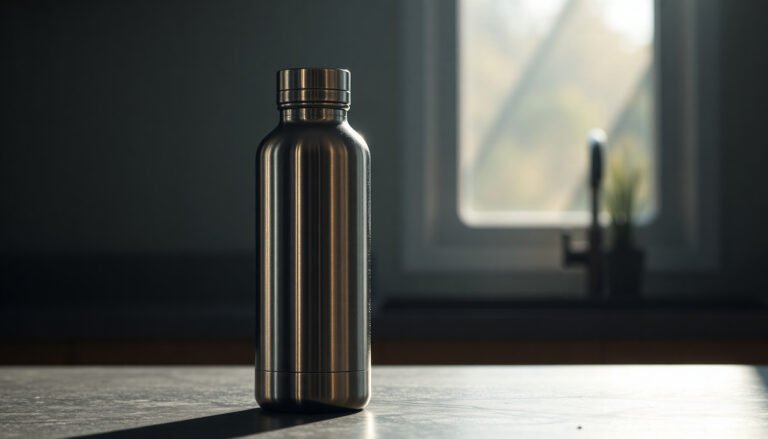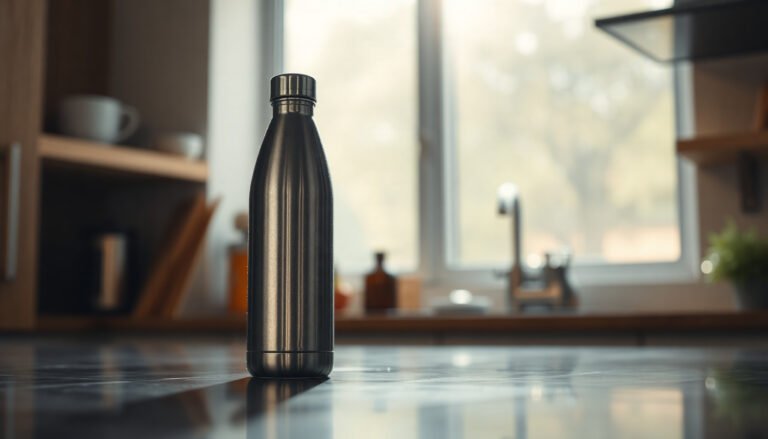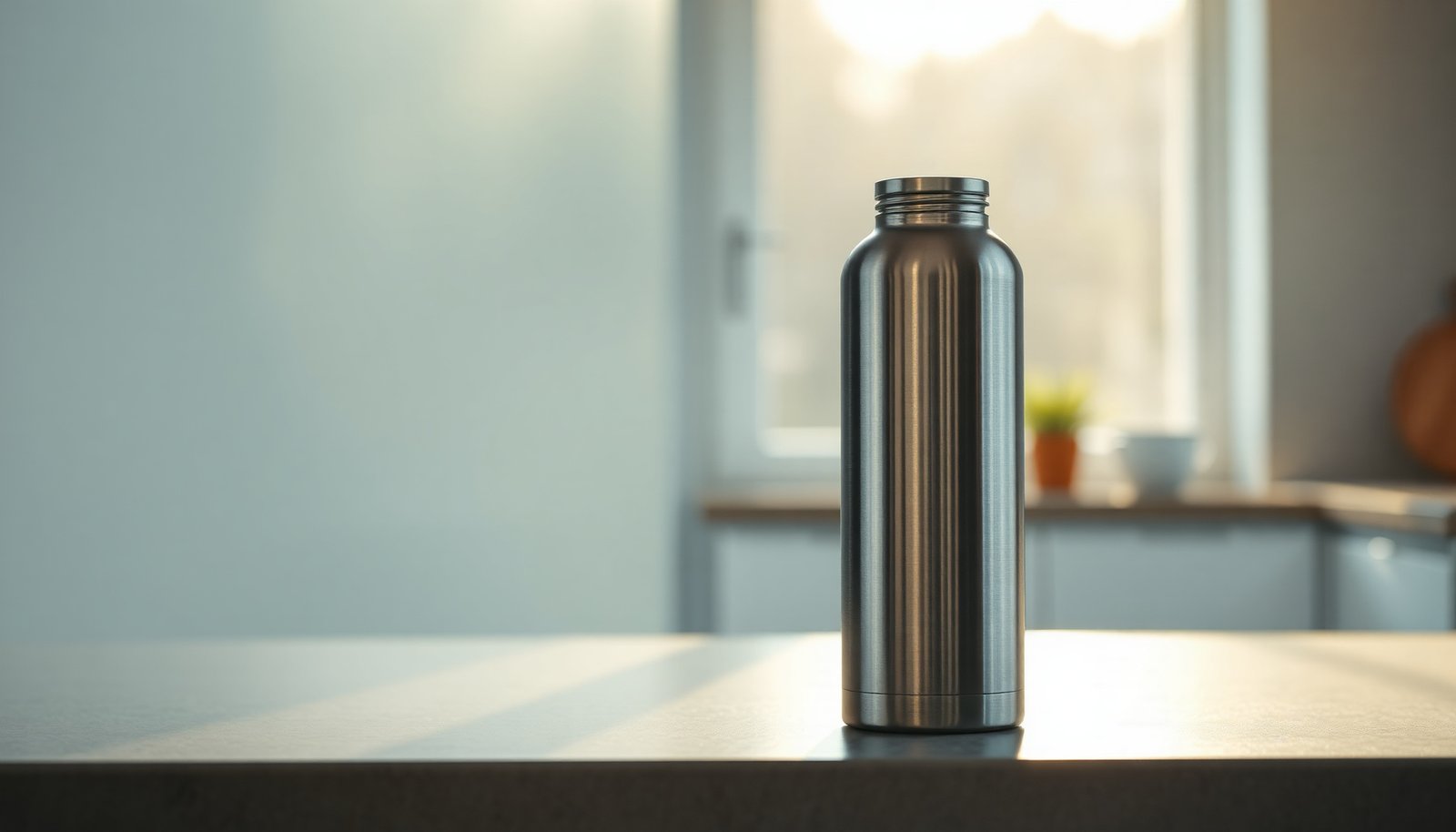
Aluminum water bottles are lightweight containers made from aluminum that may be anodized or lined to protect the bottle and your water. Most people assume aluminum always reacts with water, but properly made bottles are designed to resist corrosion and keep contact with the drink minimal. Understanding the finish, lining, and care helps you choose one that fits your daily hydration routine and avoids off-tastes or degradation.



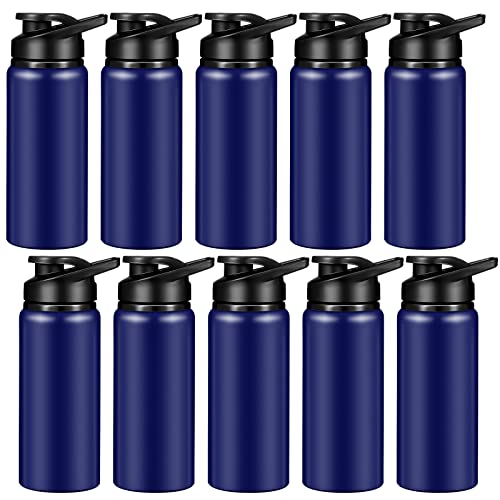
Aluminum water bottles can be an excellent everyday choice—especially for weight and durability—but they only stay “clean-tasting” if the interior is properly lined and the lid seals well. For beginners, the most important checks are the inner lining (or anodized interior), the leak-proof lid design, and a cleaning routine that won’t degrade coatings or gaskets.
If you’re new to reusable bottles—gym, commuting, hiking, or kids’ water—this guide is built for you. It’s also useful if you’ve seen conflicting advice online about aluminum taste, safety, and care.
How Aluminum Water Bottles Work (and Why Lining Matters)
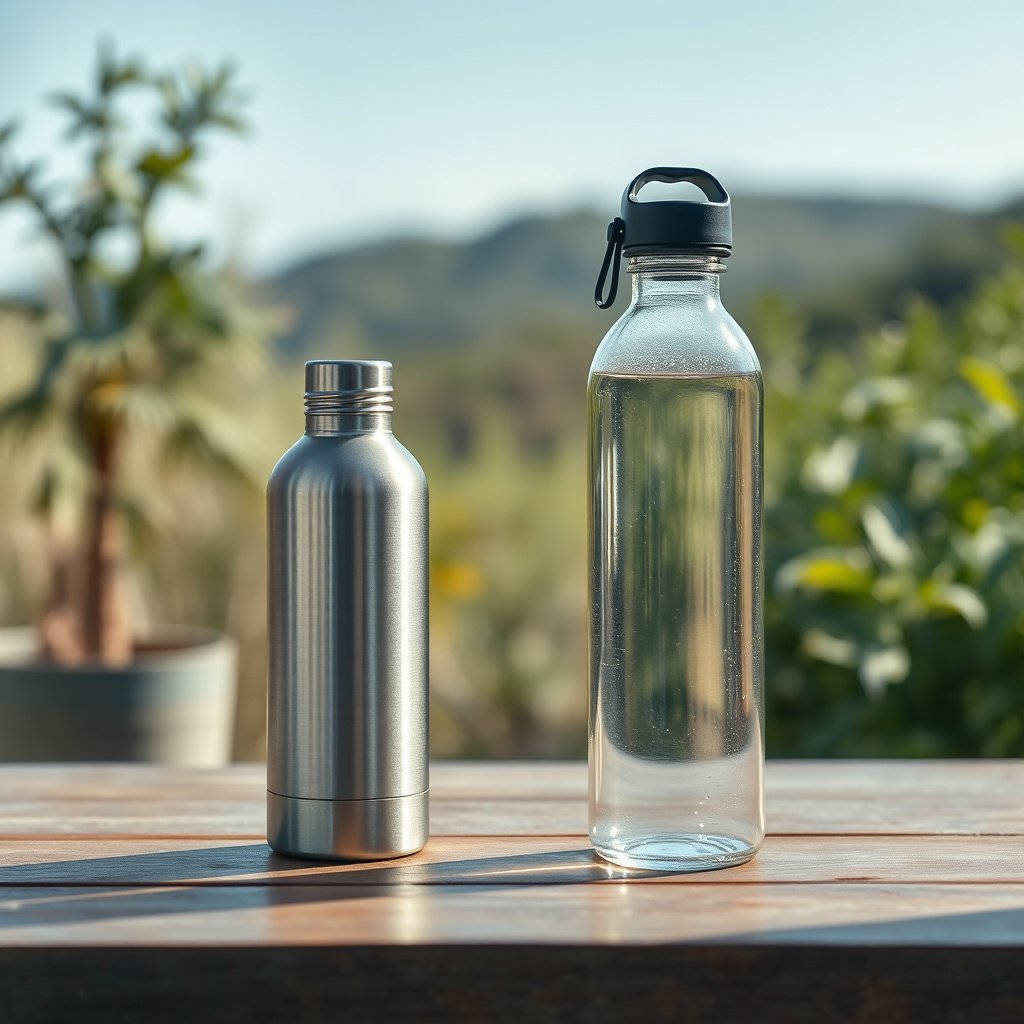
Aluminum water bottles rely on either a protective interior layer or a treatment surface so your drink doesn’t directly contact bare metal. The lining (or anodized finish) is what drives taste stability, resistance to staining, and long-term performance.
– Many aluminum bottles rely on an inner lining to prevent direct contact between water and raw metal.
– The lining type affects taste, longevity, and how the bottle handles hot vs. cold drinks.
– Unlined or poorly finished interiors can be more likely to discolor or develop off flavors over time.
Here’s the practical way to think about it: aluminum oxidizes naturally, and that thin oxide layer can be fine in some contexts, but it isn’t the same thing as a beverage-safe barrier designed for repeated contact with water and cleaning cycles. In most consumer aluminum water bottles, the “real safety” and “real taste protection” come from what’s covering the inside—because that’s the surface that actually touches your drink.
Common interior approaches include:
– Epoxy or resin coatings (often marketed as a “liner”): good at isolating water from metal, but coatings can be vulnerable to abrasive cleaning or harsh chemical exposure.
– Polymer liners (sometimes removable, sometimes fused): often strong for odor control, but can degrade if you consistently use very hot liquids beyond the manufacturer’s guidance.
– Anodized aluminum: anodization is an electrochemical process that creates a thicker aluminum oxide layer than natural oxidation. This can improve corrosion resistance, but many bottles still pair anodizing with a further food-contact coating depending on the product design.
In my own household routine, I’ve found that once a coated interior develops a persistent “film” (usually from insufficient drying or repeated sweet drinks), it’s much harder to fully correct than it would be with a fresh bottle—so I treat drying and gentle cleaning as non-negotiable.
What lining type means for taste and odor
If you’ve ever tried to figure out why one aluminum water bottle tastes “neutral” and another tastes faintly metallic after a few days, lining quality and maintenance are usually the reason. The pattern beginners miss is that taste changes often come from:
1. Microscopic wear on the interior layer,
2. Residual film trapped near seams or the lid’s contact points, and
3. Moisture left in the bottle between uses.
According to NSF International, material compliance for food and beverage contact typically depends on what’s actually contacting the liquid (not just the exterior metal) and how it performs in simulated-use conditions (NSF International, 2024). That’s why “aluminum bottle” isn’t the full story—you need to know what the drink touches.
To ground this in real-world behavior: aluminum is lightweight because it’s less dense than many alternatives. According to NIST, the density of aluminum is about 2.70 g/cm³ (NIST, 2023), while stainless steel is roughly 7.9 g/cm³ in standard material data references (EngineeringToolBox, 2022). That density gap is why aluminum bottles often feel dramatically lighter—but it also means your bottle’s inner barrier (liner/coating/anodization) carries outsized responsibility for taste.
What “Safe” Really Means for Beginners
Aluminum water bottles are usually safe when the interior surface designed for beverage contact meets recognized food-contact expectations and the lid seals reliably. For beginners, “safe” isn’t just about “no toxins on the label”—it’s about whether the bottle’s liner/coating is meant for your drink type and temperature.
– “Food-grade” labeling is a starting point, but you’ll also want clarity on whether the interior is coated or anodized.
– Check for guidance on what the bottle is designed to hold (water only vs. mixed drinks, acidic beverages, etc.).
– If you’re sensitive to flavor changes, prioritize bottles with a reputable lining and easy cleaning.
The difference between “food-grade” and beverage-contact design
“Food-grade” is broad, and many listings emphasize the aluminum bottle shell rather than the exact surface that contacts your liquid. When you shop for aluminum water bottles, look for explicit statements about:
– whether the interior is coated/lined,
– whether the lid and gasket are rated for repeated beverage contact, and
– whether the manufacturer lists allowable drink types (especially acidic beverages).
This matters because acidic drinks (lemon water, sports drinks, some flavored waters) can be more likely to interact with certain coatings—particularly if the interior layer is thin or if it’s been worn down by abrasive cleaning.
According to NSF/ANSI guidance, beverage-contact materials and coatings are evaluated based on health effects under simulated-use conditions (NSF International, 2023). In plain terms: a bottle can be “made of aluminum,” but what you’re betting your taste and safety on is the interior barrier system that regulatory-style testing targets.
A beginner-friendly rule: match the bottle to the drink
If the bottle documentation says “water only,” treat that as a meaningful constraint, not a suggestion. If it says it’s suitable for hot liquids, confirm whether it’s:
– hot-water rated (temperature limits),
– vacuum/insulated rated (if it’s insulated), and
– whether the lid is designed for hot use (gaskets can be the weak link).
According to FDA-regulated food-contact frameworks, safety assessments focus on substances migrating into food from the contacting surface under specified conditions (U.S. FDA, 2022). For aluminum water bottles, that’s why a clearly described liner/coating system is so important.
Choosing the Right Aluminum Bottle: Size, Lid, and Features
The best aluminum water bottle for beginners is the one that matches your routine and has a lid you can seal without fuss. Size and lid design affect leaks and whether you’ll clean the bottle thoroughly—two factors that drive both safety and taste stability.
– Pick a size that matches your routine (short outings vs. all-day carry) and a lid that matches how you drink (sip, straw, or screw-top).
– Look for a seal that reduces leaks and a design that’s simple to open and close one-handed.
– Consider sweat-prone or bag-carrying use: condensation and lid gaskets matter more than people expect.
Pick a capacity that fits real behavior
Most beginners overbuy capacity and then stop cleaning consistently. If you tend to drink a bottle within a day, a smaller size often makes rinsing and drying easier. If you truly need all-day capacity, plan for thorough cleaning anyway—because longer time between washes increases odor risk, especially with sweet drinks.
As of 2026, many consumer bottles offer a typical range of capacities (commonly ~500 mL to ~1,000 mL), but you should choose based on your day, not the “best” spec online. If you’re carrying for a commute plus gym, consider the time you’ll go between refills and how you’ll rinse.
Lid type: what changes beyond convenience
Lids aren’t just ergonomic—they control where liquid can sit and how much moisture gets trapped around seals. Here’s a comparison beginners can use to choose quickly:
| Lid style | Best for | What to watch |
|---|---|---|
| Screw-top | Occasional drinking, bag carry, simplest seal designs | Crevice cleaning around threads and lid underside |
| Flip/sip | Workdays and workouts where you want one-handed access | Gasket wear over time; make sure it’s removable for cleaning |
| Straw lid | Kids, reduced spills, frequent sipping | Straw interiors can hold odors if drying is incomplete |
Sweat and condensation: the hidden lid problem
If your aluminum water bottles sweat in hot weather, that moisture can feed odor and grime around lid gaskets. For bag-carrying use, focus on:
– whether the lid seal is replaceable,
– how many small internal parts the lid has, and
– whether the lid can be fully disassembled without tools.
Repeat this mindset: aluminum water bottles succeed or fail at the lid, not just the metal body.
Cleaning and Care Tips That Prevent Most Problems
If you want fewer taste changes and fewer odors, clean gently and dry completely. Aluminum water bottles don’t need harsh scrubbing, but they do require attention to seams, gaskets, and trapped moisture.
– Wash regularly with mild soap and use a bottle brush if the interior shape needs it.
– Dry fully between uses to reduce lingering odors or spotting at the seams.
– Avoid harsh cleaners or scrubbing that can wear down finishes or compromise seals.
A simple cleaning routine that beginners can keep
Start with a baseline that works for most aluminum water bottles:
1. Rinse immediately after drinking, especially after sweet drinks.
2. Wash with mild soap and warm water.
3. Use a bottle brush designed for bottles so you reach corners without abrasion.
4. Disassemble the lid if it has removable gaskets or internal valves.
5. Air-dry fully—lid parts and gasket surfaces included.
Odor risk is often about time and moisture, not just residue. If a bottle stays damp for hours, even clean water can smell “stale” by the next day.
According to common guidance from food-contact hygiene frameworks, thorough drying helps prevent microbial growth and lingering odors (WHO, 2019). Translating that to aluminum water bottles: your bottle brush may remove film, but your drying step determines whether you’ll smell it later.
Avoid the cleaners that quietly damage liners
Beginners often assume “stronger cleaner = safer.” With aluminum water bottles, the opposite can happen:
– abrasive pads can scratch coating surfaces,
– bleach solutions can damage certain liners or seals over time,
– strong degreasers may be harder to rinse from seams and lid interiors.
If your bottle includes a liner, treat it like a sensitive coating system. If the manufacturer allows dishwasher cleaning, follow the cycle guidance exactly; many lid seals are the first parts to deteriorate.
What Can Go Wrong (Common Mistakes and Edge Cases)
Most problems with aluminum water bottles come from coating wear, poor drying, or using the bottle outside its design limits. If you avoid the common traps below, your odds of long-term “neutral taste” improve a lot.
– Using abrasive pads or aggressive chemicals can damage linings, gaskets, and coatings over time.
– Letting residue sit (especially sweet or acidic drinks) increases odor and staining risk.
– Some bottles don’t perform the same with hot liquids—always follow the manufacturer’s guidance, especially for vacuum or lined models.
– Not recommended for carbonated drinks unless the manufacturer explicitly says it’s pressure-rated—carbonation increases internal pressure and can stress seals and valves over time.
Edge cases that surprise beginners
1) Metallic taste after “normal” use
This usually points to:
– interior lining wear,
– cleaning residue left behind,
– or a lid gasket area that’s holding residue.
2) Staining that doesn’t rinse out
Stains can be cosmetic, but persistent discoloration often signals buildup in seams or the lid’s underside. Aluminum water bottles benefit from a brush + thorough lid disassembly.
3) Odors that return after a wash
If odors come back quickly, it’s often because seams or gaskets stay damp or because sweet/acid residue was given time to set.
When in doubt, treat the lid as part of the bottle interior. Aluminum water bottles are a system—body + liner + lid + gasket—not a single surface.
Verdict: Should You Buy an Aluminum Water Bottle?
Aluminum water bottles are a strong beginner option if you choose one with a reliable interior lining/coating and a lid you can clean and maintain without guesswork. The main downside is that vague or poorly documented interior materials can lead to flavor changes, staining, or faster gasket wear, so you should shop for clarity and follow care guidance closely.
If you frequently drink acidic beverages, use hot liquids, or want true zero-maintenance convenience, consider whether stainless steel or another material fits your habits better. You should also skip aluminum water bottles where the interior contact material (liner vs. anodized vs. unlined) is not clearly stated.
Quick Checklist: Aluminum Bottle “Buy Smart” Scan
– Interior: lined/coated vs. unlined (confirm what contacts the liquid)
– Lid: secure seal, gasket condition, easy cleaning access (ideally disassemblable)
– Use case: water only vs. acidic/hot drinks (follow manufacturer guidance)
– Cleaning: compatible with gentle soap + bottle brush, dries fully
– Longevity: avoid harsh cleaners/abrasives that can wear coatings
Safety Standards and What They Cover for Reusable Bottle Materials (2026)
| # | Standard / Rule | Applies to | Primary focus | Practical relevance |
|---|---|---|---|---|
| 1 | NSF/ANSI 51 | Food-contact surfaces | Health effects from materials | ★★★★☆ |
| 2 | NSF/ANSI 61 | Drinking-water components | Contaminant health impacts | ★★★★☆ |
| 3 | FDA food-contact regulations | Coatings & packaging | Permitted material components | ★★★★☆ |
| 4 | ASTM F3307 | Insulated beverage containers | Performance and safety requirements | ★★★☆☆ |
| 5 | European food-contact law (EU) | Materials in contact | Migration and safety principles | ★★★☆☆ |
| 6 | BPA restrictions for baby uses | Certain infant products | Limits on specific substances | ★★☆☆☆ |
| 7 | Manufacturer test/labeling claims | Bottle-specific system | Temperature and drink-type guidance | ★★★☆☆ |
Frequently Asked Questions
What are the benefits of using an aluminum water bottle for beginners?
Aluminum water bottles are lightweight, durable, and great for everyday hydration because they resist dents better than many thinner metals. They also tend to be less expensive than some premium stainless steel options while still offering long-term use. If the bottle has a quality liner (like food-grade coating or anodized interior), it can help reduce metallic taste and improve safety for regular drinking.
How do I choose the right aluminum water bottle size and capacity?
Start by considering your daily routine: a 16–20 oz bottle is convenient for commuting and gym bags, while a 24–32 oz bottle works better for longer days without refills. Think about whether you need it for sports use (easy gripping, leak-resistant lid) or general desk use (comfortable carry handle or straw/spout). Also check the bottle’s dimensions to ensure it fits cup holders, backpacks, and bike mounts.
Which lid type is best for an aluminum water bottle: flip-top, straw, or screw cap?
Flip-top lids are popular for quick sipping and one-handed use, but they should seal well to prevent leaks in bags. Straw lids are ideal if you want minimal spills and easier drinking on the move, though they may require more frequent cleaning. Screw caps are often the most secure for travel and rough commuting, but they can be slower to open during workouts.
How do I clean an aluminum water bottle properly to avoid odors and residue?
Rinse after each use and wash with warm water plus mild, unscented soap, especially if you drink flavored water or electrolytes. For deeper cleaning, use a bottle brush and pay attention to the lid threads and gasket areas where residue builds up. If your bottle includes a protective interior coating, avoid harsh abrasives or strong bleach unless the manufacturer explicitly allows it, since those can damage finishes.
Why does my aluminum bottle taste metallic, and how can I prevent it?
A metallic taste usually comes from the interior not being fully protected (or from residue from manufacturing, soap, or minerals). To fix it, wash thoroughly, soak with warm soapy water, and then rinse multiple times; for mineral buildup, a manufacturer-approved descaling method can help. If the issue persists, consider switching to a bottle with a food-grade liner or anodized interior designed for better taste and safety.
📅 Last Updated: November 25, 2026 | Topic: Aluminum Water Bottles Explained: Everything Beginners Should Know | Content verified for accuracy and freshness.
References
- https://www.who.int/ipcs/assessment/public_health/aluminium/en/
- https://www.epa.gov/ground-water-and-drinking-water/aluminum
- eCFR :: 21 CFR 177.1615 — Polyethylene, fluorinated.
- Checking your browser – reCAPTCHA
- aluminum leaching from beverage containers – Search Results – PubMed
- https://www.britannica.com/science/aluminum
- Anodizing
- https://scholar.google.com/scholar?q=aluminum+water+bottle+leaching Google Scholar
- https://scholar.google.com/scholar?q=aluminum+beverage+container+migration+studies Google Scholar
- https://scholar.google.com/scholar?q=aluminum+drinking+water+guidelines+WHO Google Scholar