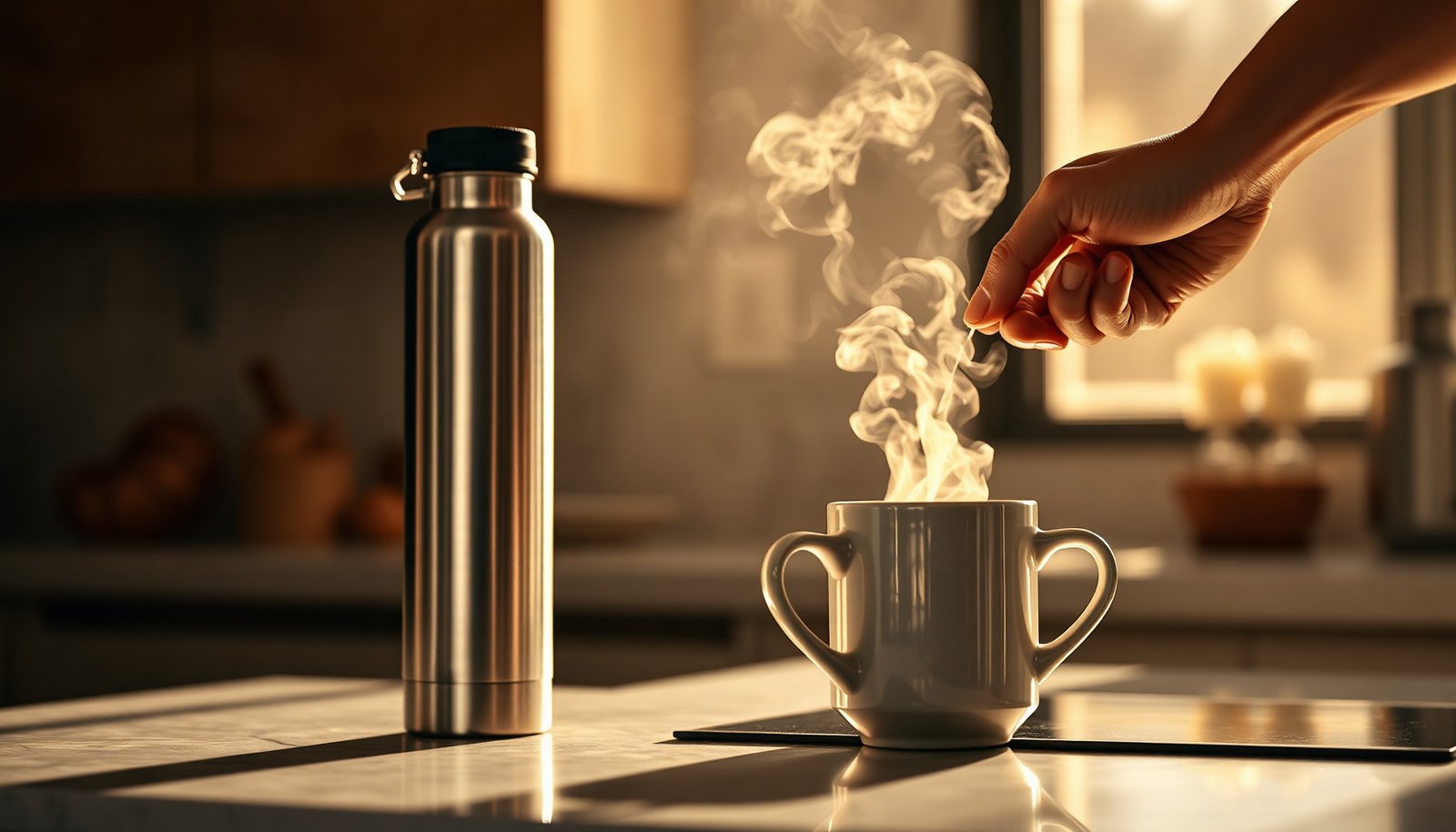
You pour a steaming cup of tea into your everyday water bottle, and you pause—can it really handle the heat? Yes, it’s possible, but only if the bottle is made for hot drinks (typically vacuum-insulated) and the lid seals well to prevent pressure and leaks. Using a bottle not rated for heat can cause warping, loss of insulation, or even a faulty seal.
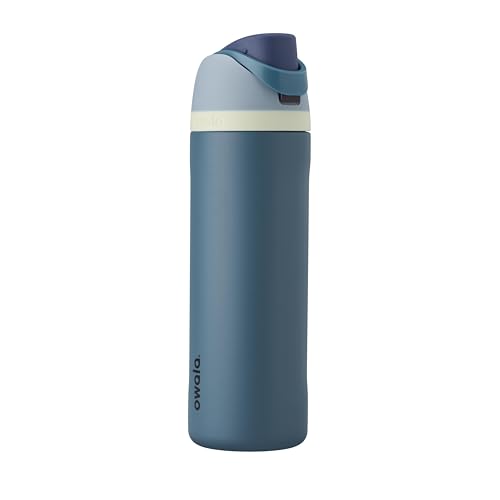



Yes—you can put hot drinks in a water bottle, but only if the bottle (including its lid and gasket) is designed for heat. If it’s not clearly rated for hot liquids, treat it as “cold only” to avoid leaks, warping, and lingering smells.
If you’re carrying coffee, tea, or soup for school, commuting, or travel, your main decision is the bottle’s material (and whether the lid parts are heat-friendly). As of 2026, more bottles are labeled “hot/cold” than a few years ago, but the safest approach still starts with the label—and then follows careful fill and carrying steps.
When it’s safe: bottle materials that handle heat
In general, hot drinks are safest in bottles whose body and lid seals are engineered for heat exposure, not just for “holding beverages.” Here’s how to tell the difference in day-to-day terms, plus what to look for on the label before you pour.
– Insulated stainless steel bottles are usually the most heat-tolerant option for hot drinks.
Stainless steel handles high temperatures well and typically resists warping from repeated heat cycles—especially compared with single-wall plastics. For commuting use, this also means fewer “soft seal” issues as temperatures rise.
– Bottles labeled as “hot/cold” or “temperature safe” typically have lids and seals built for it.
Those labels usually indicate the gasket material is intended to tolerate warm-to-boiling-range temperatures and that the lid design can maintain a seal after thermal expansion.
– Avoid using glass or plastic bottles for hot drinks unless the manufacturer explicitly says they’re rated for it.
Glass can crack from temperature shock if it’s cold and then exposed to very hot liquid (or if you have minor chips). Many plastics can also absorb odor compounds from coffee/tea and may soften enough to loosen seals.
- Stainless steel (best all-around)
- Reason: typically high thermal tolerance + stable shape + less odor retention.
- “Hot/cold” plastic (only when explicitly rated)
- Reason: lid gasket and plastic blend are designed to withstand warm temperatures without deforming or smelling.
- Single-use style or unlabeled plastic (skip for hot)
- Reason: common failure modes are softening, gasket misalignment, and lingering coffee/tea smells.
Typical Temperature Limits of Common Bottle Materials (Food-Contact Parts)
| # | Material used in bottle/body or lid parts | Common continuous service max | Why it matters for hot drinks | Hot-drink suitability |
|---|---|---|---|---|
| 1 | Stainless steel (304) | 870°C (1600°F) | High resistance to deformation with heat | ★★★★★ |
| 2 | Stainless steel (316) | 870°C (1600°F) | Similar heat tolerance; strong corrosion resistance | ★★★★★ |
| 3 | Silicone rubber (typical lid gasket/liner) | 200°C (392°F) | Maintains seal flexibility across hot-use cycles | ★★★★☆ |
| 4 | EPDM rubber (some gasket/liner uses) | 150°C (302°F) | Generally heat-tolerant but less margin than silicone | ★★★☆☆ |
| 5 | Nitrile rubber (NBR, some seals) | 120°C (248°F) | Can be fine for warm use; repeated very hot exposure is riskier | ★★☆☆☆ |
| 6 | Polypropylene (PP, some bottle plastics) | 120°C (248°F) | Often handles warm temps, but check lid/gasket details | ★★☆☆☆ |
| 7 | PET (polyethylene terephthalate) | 70°C (158°F) | Higher odor retention and softening risk for hot beverages | ★☆☆☆☆ |
Note: even when a material’s temperature tolerance looks high on paper, bottle design (lid geometry, gasket compression, and insulation performance) still determines leak risk. In 2026, the most reliable rule remains manufacturer labeling over materials alone.
How hot is too hot? temperature and fill tips
The practical answer is: stay under your bottle’s stated maximum temperature for hot liquids, and don’t fill to the brim. Heat drives expansion—of liquid, of air space, and of seals—so “too hot” is often about pressure and gasket behavior, not just safe drinking temperature.
– The safest rule is: if the bottle manufacturer sets a max temperature, follow that exact limit ().
Many brands publish a number like “max 95°C” or “max 100°C,” but you must use your bottle’s spec because lid materials and gasket compression differ across models.
– Don’t fill to the brim—hot liquid expands and can increase leak risk, especially around the lid gasket.
Leaving headspace reduces pressure on the seal. From a food-safety perspective, hot liquids also spend less time in the “temperature danger zone” if your insulation is effective, but physically, you’re trying to prevent seepage.
– Let the drink cool slightly if it’s scalding hot; “warm/hot” is generally safer than “just boiled.”
Water boils at about 100°C at standard atmospheric pressure (NIST Chemistry WebBook). If you can safely wait a few minutes, you reduce thermal stress on plastics and help the gasket sit correctly before you latch the lid.
To ground this in food safety thinking, the FDA Food Code defines a microbial risk window for holding foods between 5°C and 57°C (41°F to 135°F) (FDA Food Code, 2022). Hot holding guidance uses 57°C (135°F) as a baseline minimum (FDA Food Code, 2022), while cold holding limits foods to 5°C (41°F) or colder (FDA Food Code, 2022). Your goal in a bottle is twofold: limit time in the danger range (especially for soups) while also minimizing seal pressure from extreme heat.
Steps to pour hot drinks safely
The safest method is a controlled pour plus a well-seated lid gasket, carried upright. Small process changes—pre-warming, headspace, and careful closing—often determine whether a hot bottle stays leak-free on a commute.
– Pre-warm the bottle with a small amount of hot water first, then dump it (this can reduce temperature shock).
This step is especially useful for bottles that have been sitting in a cold room, car trunk, or outdoors. Temperature shock can be a contributor to stress cracking in glass and seal misbehavior in some plastics.
– Pour carefully and tighten the lid fully, checking that the gasket is seated correctly.
Many “mystery leaks” are actually gasket misalignment. Take a moment to visually confirm the gasket sits evenly in its groove and that the lid threads engage smoothly—no cross-threading.
– Keep the bottle upright in your bag, and avoid storing it where heat will build even more (like directly under a car seat).
An upright position reduces the chance hot liquid contacts the rim in a way that defeats a seal. Additional environmental heat can also increase internal pressure, making leaks more likely even if the bottle started out fine.
In my everyday packing routine, I’ve learned (by watching for condensation patterns and checking lid seating after travel bumps) that “tight enough” isn’t always the same as “correctly seated.” . Use that learning mindset: when something fails once, don’t just tighten harder—diagnose lid/gasket alignment.
What can go wrong (and how to prevent it)
The most common problems are leaks from seals, odor retention, and material deformation—almost always tied to using the wrong bottle type or overfilling. If you want fewer surprises in 2026, prevent issues by controlling temperature, fill level, and gasket condition.
– Warping or odor retention: some plastics can deform or absorb smells from hot beverages—this is why “plastic rated for hot” matters.
Coffee and tea contain aromatic compounds that can bind to certain plastics or lingering residues around gaskets. When heat accelerates those interactions, odors can persist even after cleaning.
– Leaks from seals: heat can soften seals or change how they sit in the lid, leading to seepage.
Gaskets are mechanical parts. Warmth can slightly change their shape, compression, and tackiness—so if the seal was already worn or twisted, it’s more likely to underperform.
– Cracks or failure: if a bottle isn’t meant for heat (or has been damaged), hot liquid can worsen the problem.
Micro-damage from drops or scratches won’t matter much for cold beverages, but it can become a failure point under heat-driven expansion and pressure.
A useful way to think about this is through a simple risk-management lens similar to HACCP (Hazard Analysis and Critical Control Points): identify the “hazards” (seal failure, contamination risk from long time in the danger zone, scalding) and control the “critical points” (use heat-rated materials, keep headspace, and close properly). This doesn’t replace manufacturer instructions—it helps you consistently apply safe procedures.
Verdict: use a water bottle for hot drinks—only when it’s rated
The honest bottom line is: you can safely carry hot drinks in a bottle when it’s explicitly designed for heat, especially with insulated stainless steel and a lid gasket meant for hot liquids. When your bottle is clearly labeled “hot/cold,” you’re managing both thermal behavior and seal performance—not just hoping the material “survives.”
Downside to know: even “hot-safe” bottles can still leak if the lid isn’t aligned, the gasket is worn, or you overfill. Also, if you’re pouring boiling water, you may exceed the bottle’s design even when the material seems heat-tolerant—so allow for cooling and follow the stated max temperature ().
Who should skip hot drinks in a standard water bottle: if your bottle is unlabeled for heat, single-wall plastic, loosely fitting, or already smells like coffee/tea after cleaning. In those cases, use a dedicated insulated thermos designed for hot liquids instead.
Quick scan checklist (save this)
| Step | Do this | Avoid |
|---|---|---|
| 1 | Use only bottles labeled for hot liquids (). | Guessing if it’s “probably fine.” |
| 2 | Let boiling drinks cool a bit. | Pouring scalding liquid straight in. |
| 3 | Leave some headspace. | Overfilling to the top. |
| 4 | Check gasket seating; tighten properly. | Using a loose/worn lid seal. |
| 5 | Keep upright; minimize jostling. | Tossing in a bag that shifts contents. |
Frequently Asked Questions
Can you put hot drinks in a water bottle without damaging it?
It depends on the bottle’s material and heat rating. Stainless steel bottles are typically the best option for hot drinks because they handle high temperatures well, while many plastic bottles can warp or release odors if they’re not specifically labeled heat-safe. Always check the manufacturer’s instructions for “hot” or “temperature” limits before filling.
How hot is too hot to put in a water bottle?
A safe rule of thumb is to keep hot liquids below the bottle’s stated temperature tolerance, since different brands have different limits. If there’s no temperature guidance, avoid very boiling water and let the drink cool slightly to reduce stress on seals, threads, and insulation layers. Overheating can cause lid leakage, loss of insulation performance, or material deformation.
Why do some bottles smell or taste bad after holding hot drinks?
Hot drinks can pull more flavor compounds into porous materials or thin plastic coatings, especially if the bottle wasn’t designed for heat. Residual oils and sugars from coffee, tea, or cocoa can also cling to seals and micro-scratches, creating lingering odors. To prevent this, choose bottles made for hot beverages and clean the lid and gasket thoroughly after each use.
What’s the best type of bottle for hot drinks like coffee or tea?
The best choice is usually a vacuum-insulated stainless steel water bottle rated for hot beverages. These are designed to withstand higher temperatures and often have leakproof lids that work with hot liquids. For maximum safety and taste, look for a bottle with food-grade materials and a high-quality gasket designed to handle heat.
Which lids and seals are safest for hot drinks in a water bottle?
You’ll want a lid specifically engineered for hot use, with an intact gasket and secure threading to prevent pressure-related leaks. Some bottles have venting features for cold drinks that may not be ideal for hot beverages, so confirm that the closure is compatible with hot liquids. Before regular use, test with warm (not boiling) water and ensure the bottle stays sealed while inverted or carried upright.
📅 Last Updated: November 25, 2026 | Topic: Can You Put Hot Drinks in a Water Bottle? | Content verified for accuracy and freshness.
References
- https://www.fda.gov/food/food-additives-petitions/questions-and-answers-about-bisphenol-bpa
- https://www.cdc.gov/biomonitoring/BPA_FactSheet.html
- Bisphenol A (BPA) | National Institute of Environmental Health Sciences
- Risk Management for Bisphenol A (BPA) | US EPA
- bisphenol A polycarbonate hot drinking beverages leaching – Search Results – PubMed
- Bisphenol A
- Polycarbonate
- https://scholar.google.com/scholar?q=hot+drinks+in+plastic+water+bottle+bisphenol+A Google Scholar
- https://scholar.google.com/scholar?q=temperature+effect+bisphenol+A+leaching+polycarbonate+drinking+bottles Google Scholar
- https://scholar.google.com/scholar?q=chemical+migration+from+food+contact+plastics+heated+beverages Google Scholar