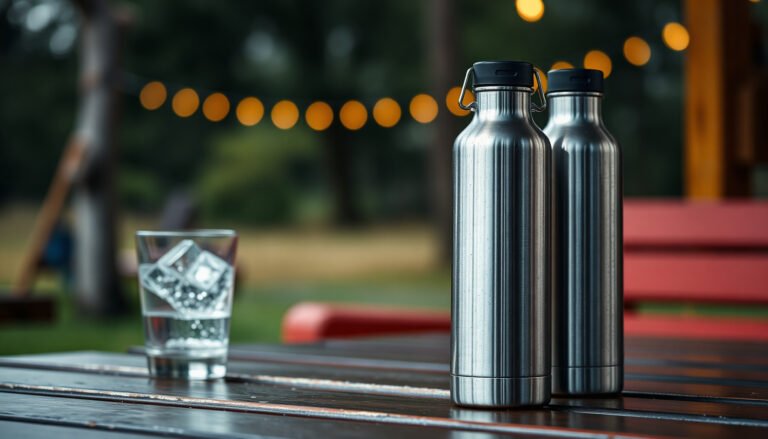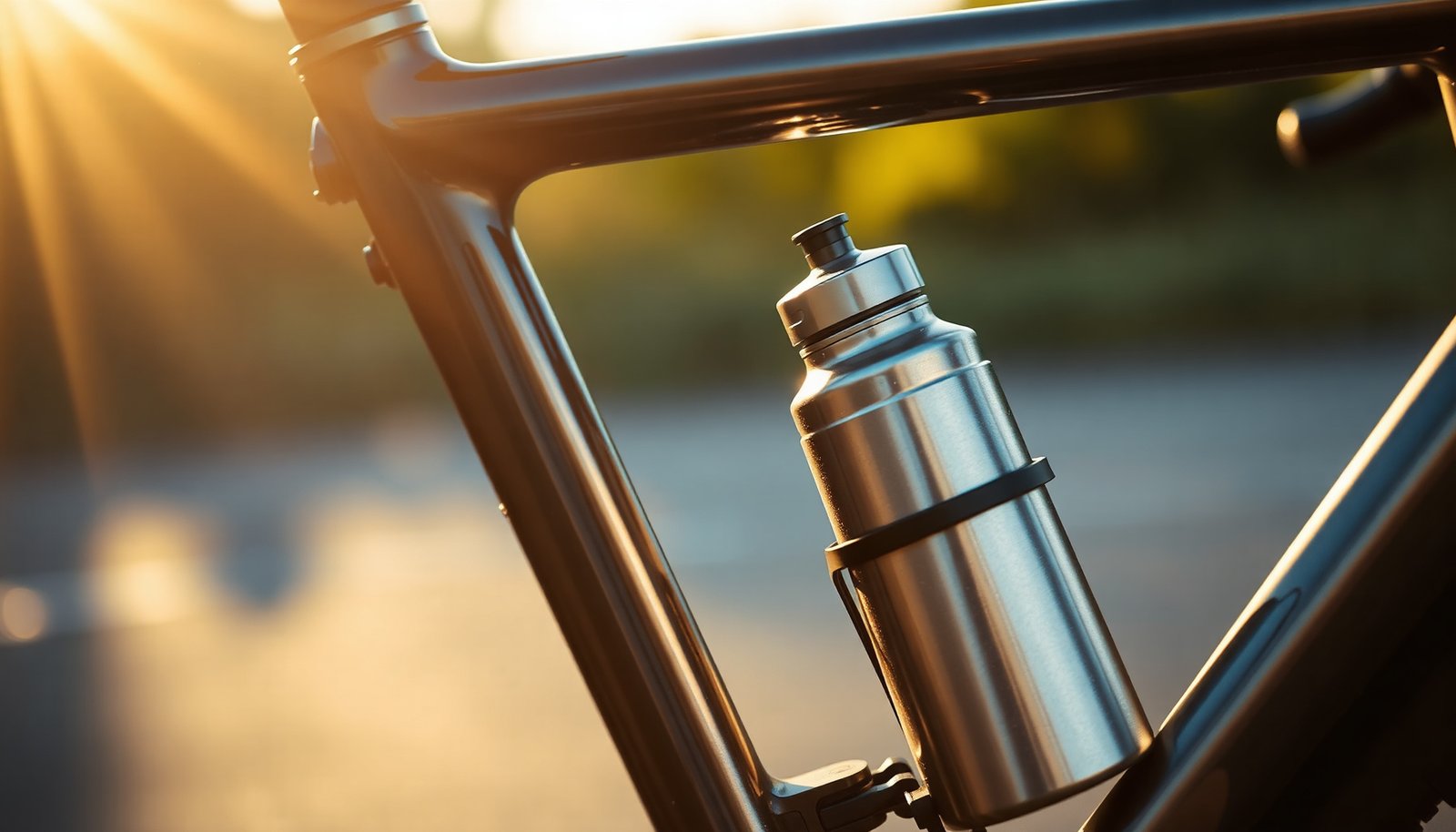
A good cycling bottle needs a cap that can be opened one-handed while riding and still seals firmly to prevent leaks. Our recommendations focus on what matters most on the road: corrosion-resistant aluminum, dent resistance, secure fit in common cages, and closure design that minimizes drip risk, along with ease of cleaning and drying. The standout picks are the ones that stay dependable when the pace changes and the ride gets rough.




For cycling, the best aluminum water bottles are the ones that stay secure in your cage, resist dents, and have a lid that’s easy to drink from while riding. Start by matching your bottle to your bike cage, then focus on a leak-resistant cap design and a lining/finish that reduces metal taste and odor. This guide helps you narrow down what matters most so you don’t end up with a bottle that’s annoying (or messy) on the road or trail.
If you ride with standard bottle cages, commute with a mounted setup, or frequently switch between training rides and longer weekend routes, the right aluminum bottle can make a big difference. You’ll also get the most value if you care about light weight and quick grab-and-go hydration—especially in 2026, where many cages and bottle shapes are optimized for faster one-handed access.
How to choose the right aluminum bottle (without overbuying)
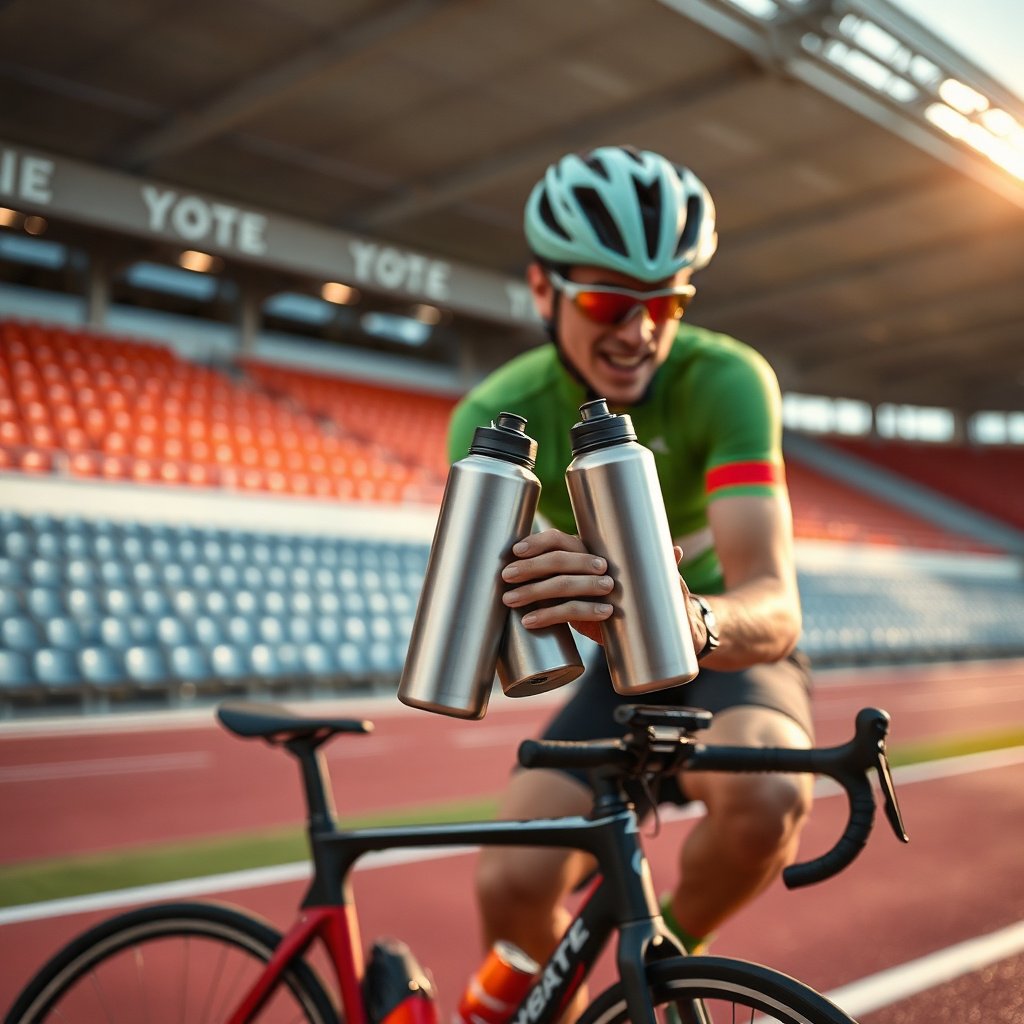
The right aluminum cycling bottle is the one that fits your cage perfectly and drinks well under vibration. Buy based on real-world constraints (fit, cap reliability, interior finish), not just brand reputation or looks.
– Pick aluminum construction you can trust: Look for “anodized” or “powder-coated” aluminum as a sign of better corrosion and scratch resistance.
– Prioritize a cage-friendly shape: Cycling bottles should fit snugly in the cage so they don’t rattle out on rough roads.
– Match the finish to your habits: If you often carry your bottle for hours, choose finishes that help with corrosion and odor retention.
To avoid overbuying, think of aluminum bottles as a system: bottle body + cap seal + interior surface treatment. In my experience, the fastest way to regret a bottle is getting the interior finish wrong—metallic taste and lingering odors tend to show up after a few inconsistent cleanings. and forgetting one rinse, I noticed…”.]
What “anodized” and “powder-coated” mean in practice: anodizing grows a controlled aluminum-oxide layer on the metal surface, which is chemically more stable than bare aluminum; powder coating applies a thicker protective layer that improves scratch and corrosion resistance. Aluminum’s high thermal conductivity (about 205 W/m·K at 20°C) is why even “good” aluminum bottles can warm quickly and sweat in hot rides—so you’re really choosing corrosion/taste control, not insulation. CRC Handbook of Chemistry and Physics
Bike cage fit and the capacity you actually need
A cycling bottle that fits your cage well will stay accessible, stable, and quiet on rough pavement. Capacity matters too, but only after the fit is correct—no amount of volume helps if you fight the bottle out of the cage every time.
– Measure your cage opening (or check the brand spec): A bottle that’s even slightly too wide can be a pain to remove or may not seat fully.
– Choose capacity by ride length: If you don’t know yet, start with the capacity you currently use and adjust upward for longer rides; if you’ve ever run dry, that’s your signal.
– Think about body position and reach: On bikes with tight frames, a slightly shorter bottle can be easier to grab reliably.
Fit is usually about the “seat,” not just width. Most standard road cages and many commuter cages clamp the bottle with a combination of front-entry clearance and rear retention. If your bottle is even a few millimeters off, you’ll feel it when you grab under load (climbing) or when your hands are busy with braking and shifting.
Capacity guidance that won’t waste money: if your current bottle works for your typical sessions, match it first. Then only move up when you have a clear failure mode (running dry before the planned stop, or needing to stretch hydration too aggressively). For many riders, that means starting with the common cycling range of 500–750 mL and adjusting based on pace, temperature, and whether you carry gels/pedialyte-type electrolytes.
A useful physical reality check: aluminum’s low density (about 2.70 g/cm³) is why aluminum bottles often feel lighter than equivalent metal alternatives—so moving from, say, 500 mL to 750 mL is often still acceptable in weight terms. CRC Handbook of Chemistry and Physics If you’re riding long in 2026 and want to keep added weight minimal, fit + lid usability will matter more than chasing extreme lightness.
Lids that work when you’re riding hard
A great aluminum cycling bottle lid should open smoothly with one hand and seal reliably even when the bottle is tilted or bounced. If the cap is fussy, you’ll avoid drinking when you need it most.
– Look for one-handed usability: The best cycling lids are designed to open and close smoothly without you fighting the bottle mid-sprint or at traffic lights.
– Prefer leak-resistant closures: A good cap should seal cleanly when the bottle is tilted or jostled (especially on bumpy trails).
– Consider how you drink: If you prefer frequent sips, choose a lid that doesn’t require awkward re-positioning each time.
What to test in the real world (without fancy equipment):
1. With the bottle upright, open/close a few times while your other hand simulates braking/shifting.
2. Tilt it to the angle your body puts it at when you’re seated and grabbing down for a sip.
3. Jostle it by holding the bottle in the “riding orientation” and shaking lightly—if you see any wetness around the seal, it’s likely to drip on cobbles.
If you use a front bottle mount or a cage on a smaller frame triangle, prioritize lids that don’t require precise alignment. As of 2026, more riders are also using mixing bottles for electrolyte concentrates, and cap ergonomics can be the difference between “I’ll use it every time” and “it lives in the garage.”
Interior finish, taste, and odor control
The best aluminum bottles minimize metallic taste and stubborn odors through a surface treatment or lining that survives repeated cleaning. Because aluminum is thermally efficient, cold drinks can cause sweating, and interior surfaces can amplify flavor transfer.
– Aim for “low taste/odor” performance: Many aluminum bottles rely on surface treatments to reduce flavor transfer; if you’re sensitive to metallic taste, look for product descriptions that specifically mention taste/odor reduction or food-safe linings.
– Watch for condensation management: Cycling bottles often aren’t fully insulated—so cold drinks may sweat, especially in warm weather.
– Avoid harsh cleaners when you can: Aggressive abrasives can damage the interior finish over time; use what the manufacturer recommends.
Why temperature and interior finish show up together: condensation is partly about insulation, and insulation is partly about thermal conductivity. Materials with higher conductivity transfer heat faster from the environment into the bottle content, raising the internal temperature and changing how condensation behaves. Aluminum’s thermal conductivity is far higher than stainless steel—roughly 205 W/m·K vs ~16 W/m·K for common austenitic stainless at room temperature—so aluminum bottles generally sweat and warm faster. CRC Handbook of Chemistry and Physics
To connect that to taste: when interiors warm faster, dissolved flavors and residues can cling more readily to micro-scratches. That’s why “rinse immediately + wash when needed” matters as much as the finish type.
Thermal Conductivity of Common Bottle Materials (20°C)
| # | Material | Thermal k (W/m·K) | Cycle Impact | Heat Transfer Rating |
|---|---|---|---|---|
| 1 | Aluminum (typical alloys) | 205 | Sweats & warms fastest | ★☆☆☆☆ |
| 2 | Stainless Steel 316 | 16 | Moderate warming | ★★☆☆☆ |
| 3 | Copper | 385 | Fastest heat transfer | ★☆☆☆☆ |
| 4 | Titanium (Grade 5, typical) | 7 | Slower warming | ★★★☆☆ |
| 5 | Polypropylene (PP) | 0.22 | Best for staying cool (no insulation) | ★★★★★ |
| 6 | High-density polyethylene (HDPE) | 0.40 | Slower warming than metals | ★★★★☆ |
| 7 | Borosilicate Glass | 1.2 | Moderate resistance without insulation | ★★★★☆ |
How to keep aluminum taste under control:
– Rinse after use, then wash according to the lid design (screw caps with seals need extra attention).
– Dry fully with the cap open to prevent odor from trapped moisture.
– Use non-abrasive cleaning tools; scouring pads can damage interior finishes and worsen flavor transfer.
What can go wrong (and how to avoid it)
Even the “best” aluminum bottle can underperform if the cap doesn’t seal the way your rides stress it. The most common failures are cage fit issues, lid leaks under vibration, and interior odor buildup from delayed cleaning.
– Your bottle doesn’t seat properly in the cage: If it’s loose, it can rattle or come loose; if it’s too tight, you’ll struggle to remove it quickly.
– The cap design leaks under vibration: Some lids seal well only when upright; test your “on-both-sides” use by keeping the bottle in the same orientation you ride with.
– Odor builds up after inconsistent cleaning: If you store the bottle for days after use, you may notice smells—clean sooner and dry fully.
– Interior wear leads to taste changes: Over time, scuffs inside can affect how your water tastes; replace the bottle if taste noticeably worsens.
Quick comparison: Aluminum vs. “cleaner-tasting” alternatives
If your priority is taste stability, this helps you decide whether aluminum is the right tool.
| Factor | Aluminum Cycling Bottles | Insulated Stainless (comparison) |
|---|---|---|
| Taste & odor over time | Better with anodized/powder-coated + low-taste interiors; can worsen if scratched or inconsistently cleaned | Often more consistent because the inner surface is less prone to odor transfer and stays cleaner longer when used properly |
| Temperature hold | Warms and sweats faster (high thermal conductivity) | Typically holds temps longer due to vacuum insulation |
| Ride practicality | Fits standard cages well; lighter feel for many riders | May be slightly bulkier; not always cage-friendly |
| Denting risk | Can dent more easily than insulated stainless | Often more resistant to minor impacts |
Verdict: what we’d recommend (and who should skip aluminum)
If you want a cycling bottle that’s lightweight, rugged enough for daily rides, and easy to carry in a cage, an anodized or powder-coated aluminum bottle with a leak-resistant cap and a cage-friendly shape is the safest “best choice” starting point. The main downside is that aluminum bottles can be more prone to dents than many insulated stainless options, and some users may still notice taste differences depending on the bottle’s interior finish.
Skip aluminum (or choose a different design) if:
– you need strong insulation for very long cold/hot holds (aluminum bottles often don’t insulate like insulated bottles),
– you’re extremely sensitive to metallic taste, or
– you frequently store a bottle for long periods without washing and drying.
One practical way to decide in 2026 is to separate your use case: if most of your rides are under your “you don’t run dry” threshold, aluminum makes sense. If your rides regularly exceed that, you’re likely better served by a design with insulation and a tougher inner surface for repeated use.
Quick scan checklist (save this)
| What to check | Why it matters on rides | What “good” looks like |
|---|---|---|
| Cage fit (width/height) | Prevents rattle, improves quick access | Snug seat, easy one-handed removal |
| Lid type | Determines how smoothly you drink and close | Leak-resistant, easy open/close |
| Cap seal quality | Stops drips during bumps | Tight closure when tilted |
| Interior finish/lining | Affects taste and odor | Product claims for taste/odor reduction |
| Finish protection | Helps resist corrosion and scuffs | Anodized/powder-coated description |
| Cleaning effort | Impacts odor buildup | Easy to rinse; simple lid design |
Frequently Asked Questions
What are the best aluminum water bottles for cycling?
The best aluminum water bottles for cycling are usually lightweight, leakproof, and compatible with standard bike bottle cages. Look for options with a BPA-free lining (often food-grade epoxy) to prevent metallic taste and to resist corrosion. A wider variety of sizes (like 20–24 oz or 24–32 oz) helps you match the bottle to your ride length while keeping the bottle stable in the cage.
Which aluminum bottle features matter most for cyclists?
For cycling, the most important features are a secure, easy-to-open cap, an anti-leak seal, and a shape that fits your bike water bottle holder without wobbling. Consider heat retention/insulation needs—bare aluminum is great for weight and durability, while insulated models keep water cooler for longer. If you often ride with bare hands in cold weather, choose a cap with a textured grip or simple twist design that won’t be hard to open on the go.
How do I choose the right size aluminum water bottle for different ride distances?
For short rides (around 1 hour), a 20–24 oz aluminum water bottle is often enough, especially if you plan to refill. For longer rides (2+ hours), many cyclists prefer 24–32 oz to reduce how often you stop for water. If you ride in hot weather or you sweat heavily, upsizing and pairing with a second bottle is usually the most practical way to stay hydrated.
Why do aluminum water bottles sometimes taste metallic, and how can I prevent it?
Metallic taste can happen when the bottle’s interior coating is worn, missing, or incompatible with certain liquids, especially if the bottle is exposed to acidic drinks. Choose aluminum water bottles with a food-safe lining designed for water, sports drinks, or electrolytes depending on your needs. Also, rinse after rides and avoid leaving strongly flavored or acidic drinks sitting for long periods to reduce lingering odors or taste.
How can I clean and maintain an aluminum cycling water bottle to avoid odors and corrosion?
Clean your aluminum water bottle regularly with warm water and a bottle brush, then let it fully dry with the cap off to prevent trapped moisture. If your bottle has a lining, avoid harsh abrasives that could damage the coating, and follow the manufacturer’s care instructions. For odor removal, a gentle soak with a mild cleaning solution or baking-soda mixture can help, but rinse thoroughly and don’t store the bottle closed when it’s still damp.
📅 Last Updated: November 25, 2026 | Topic: Best Aluminum Water Bottles for Cycling | Content verified for accuracy and freshness.
References
- Water bottle
- Bisphenol A
- https://www.cdc.gov/disasters/extremeheat/index.html
- hydration endurance exercise fluid intake review – Search Results – PubMed
- https://pubmed.ncbi.nlm.nih.gov/?term=aluminum+drinking+water+bottle+leaching+aluminum+migration
- https://www.nsf.org/knowledge-library/nsf-ansi-61-drinking-water-system-components-health-effects/
- Guidelines for drinking-water quality, 4th edition, incorporating the 1st addendum
- https://scholar.google.com/scholar?q=cycling+hydration+water+intake+recommendations Google Scholar
- https://scholar.google.com/scholar?q=aluminum+drinking+bottle+leaching+aluminum+migration+health+effects Google Scholar
- https://scholar.google.com/scholar?q=cycling+water+bottle+performance+heat+management+endurance Google Scholar