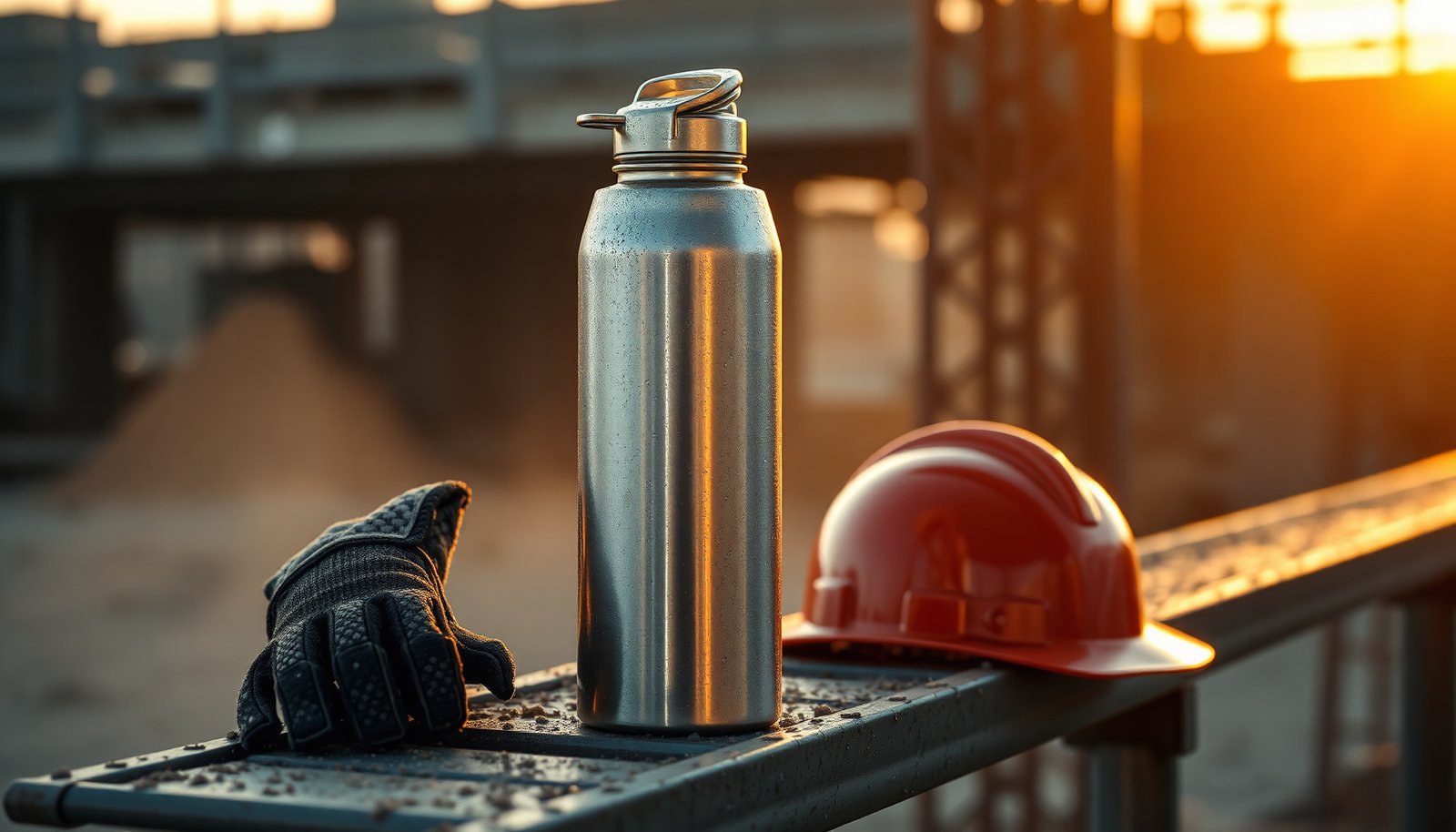
For construction crews, the standout choice is a double-wall, insulated, leakproof aluminum bottle with a protective powder coat and an all-day lid you can operate with one hand. We prioritized jobsite durability—impact resistance and corrosion protection—plus insulation performance, cap security, mouth size for easy filling and cleaning, and whether the bottle resists dents and odor buildup. Models that look good but dent easily or rely on fragile gaskets did not make the cut.



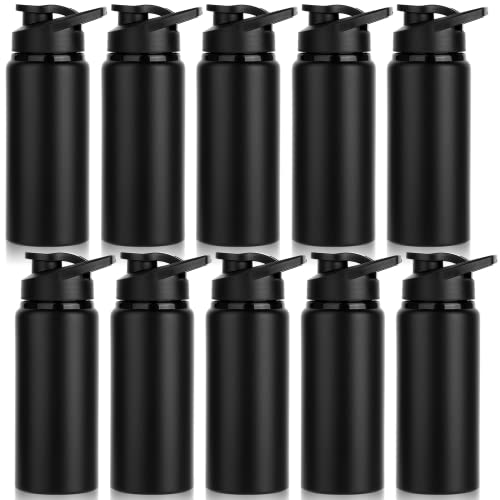
If you want the best aluminum water bottle for construction work, buy one with a genuinely leakproof cap, a durable aluminum build, and a food-safe interior lining that protects taste and corrosion. For most job sites, the “best” choice is simply the aluminum bottle you can seal fast with gloves on—and that stays sealed after being bumped, dropped, and tossed into a truck.
If you’re carrying water between morning coffee runs and afternoon heat, the wrong bottle can cost you more than a spill: it can ruin flavor, leak in your bag, or fail after weeks of daily abuse. Below, we’ll walk through the key specs that matter on a real workday—so you can narrow down options fast without wasting money on bottles that dent, leak, or break down after repeated use.
What to look for in a construction aluminum bottle
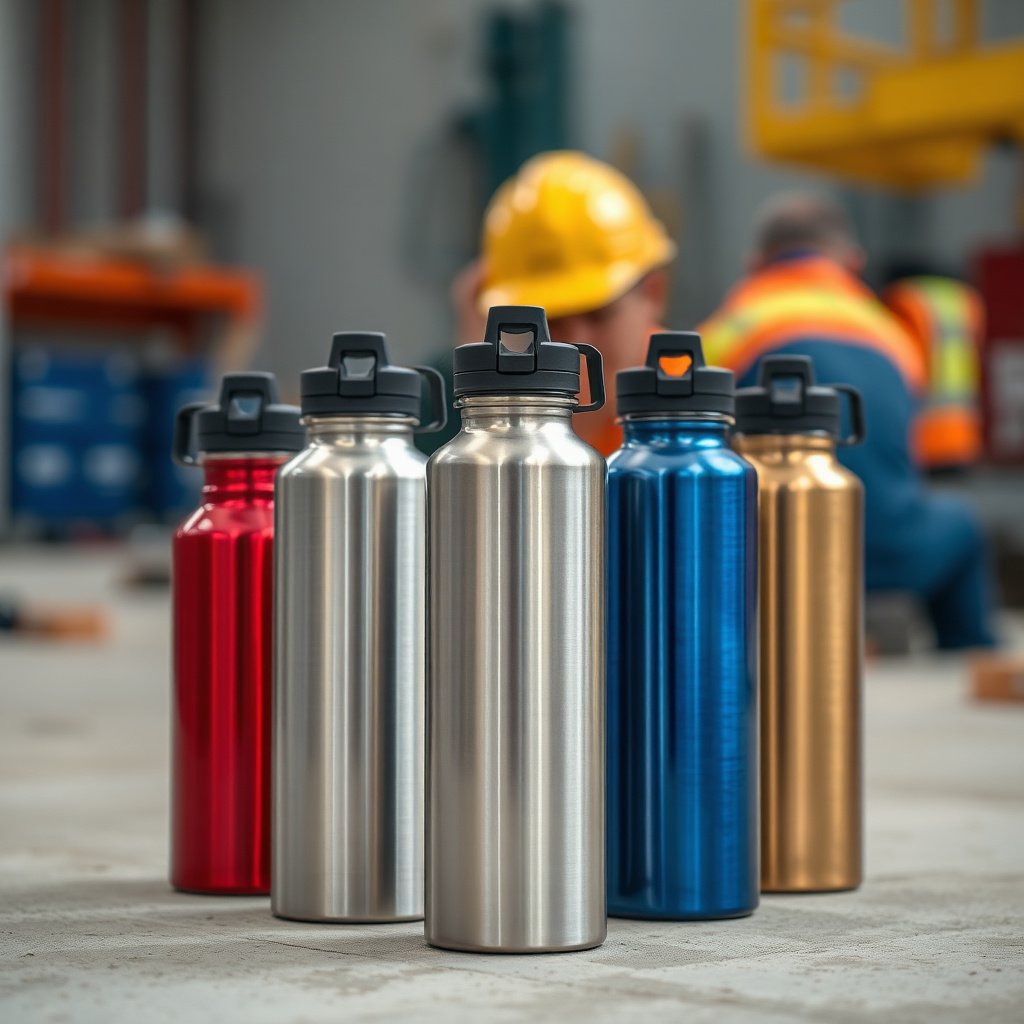
The best construction aluminum bottle starts with practical sealing and shift-ready capacity, not just “pretty aluminum.” Focus on how the bottle performs when it’s vibrating in a tool bag, handled with gloves, and opened repeatedly during hot weather.
– Leakproof lid design: Look for a cap that seals securely (often with a threaded or gasketed seal) and won’t loosen from vibration or knocks. A true leakproof cap design usually includes either a continuous threaded seal with an integrated gasket or a lid mechanism that mechanically resists loosening. If the lid relies on friction-only alignment, you’ll feel the difference after it rides around in a vehicle compartment.
– Enough capacity for the shift: Pick a size based on how often you refill—smaller bottles can be fine, but frequent refilling is the main annoyance on busy job sites. If you plan hydration around refills at a water cooler, a smaller bottle can work; if you rely on fewer fill-ups, choose capacity that covers your full shift between stops. (For planning, it helps to convert quickly: 1 US fl oz is exactly 29.5735295625 mL.) National Institute of Standards and Technology (NIST), US to metric fluid conversions (fl oz to mL)
– Job-friendly usability: Aim for a cap you can open one-handed (or at least without struggling when you’re wearing gloves). In practice, glove-friendly bottles tend to have larger lid surfaces, clear grip geometry, and caps that don’t require perfect hand placement to engage threads.
Common Construction Bottle Capacities (US) — Metric Equivalents
| # | Bottle Capacity (US fl oz) | Capacity (mL) | Capacity (L) | Gallons per Bottle (US) |
|---|---|---|---|---|
| 1 | 12 | 354.9 | 0.355 | 0.09 |
| 2 | 16 | 473.2 | 0.473 | 0.13 |
| 3 | 20 | 591.5 | 0.591 | 0.16 |
| 4 | 24 | 709.8 | 0.710 | 0.19 |
| 5 | 32 | 946.4 | 0.946 | 0.25 |
| 6 | 40 | 1182.9 | 1.183 | 0.31 |
| 7 | 64 | 1891.8 | 1.892 | 0.50 |
Lining, corrosion, and taste: the aluminum essentials
The best aluminum water bottle for a construction shift has a drinking-safe interior that prevents “metallic” flavor and reduces corrosion risk. Aluminum itself is not automatically “ready to drink” after long contact with water, especially when you leave water sitting between breaks.
– Don’t assume all aluminum is “ready to drink”: Bare aluminum can react over time, which may affect taste—especially with water left in the bottle between breaks. Even if the bottle is marketed as aluminum, the drink experience depends on the interior surface and any protective layer inside the bottle.
– Food-safe interior matters: Choose bottles with a proper food-grade lining (or an interior coating) designed for drinking water so the bottle stays more neutral in flavor. Look specifically for wording that indicates materials are intended for beverage contact—not just “coated” or “sealed.” For teams managing multiple bottles, lining quality is where you avoid complaints.
– Rinse habits reduce problems: Even good interiors benefit from a quick rinse when you switch water sources or after you’ve had the bottle closed for hours. In real construction conditions, dust and residue get in when caps touch gritty gloves, and that residue makes any interior smell sooner.
Corrosion and taste also connect to practical design: a bottle that’s hard to clean around the rim will build residue at the seam line, and that’s where lining wear can show up first. Aluminum bottle longevity is also tied to overall material behavior—aluminum’s density is about 2.70 g/cm³, which is why many aluminum bottles can be lightweight without being fragile. ASM International (materials references), aluminum density ~2.70 g/cm³
Insulation vs. non-insulated aluminum (and when it matters)
The right aluminum water bottle insulation choice depends on whether your day is mostly in direct sun and whether you want water to stay cold longer. Insulated designs typically help most on hot job sites, while non-insulated bottles can be simpler and easier to manage indoors.
– Cold drinks on hot sites: If you work in direct sun, an insulated bottle helps slow temperature change—usually the difference between “usable” and “warm enough to skip.” This matters because many crews keep water in vehicles, on lifts, or near work zones with little shade.
– Non-insulated can be simpler: For indoor work or moderate temperatures, a non-insulated aluminum bottle can be lighter and less bulky. If you refill often (for example, every hour or two), you may not need insulation at all.
– Cap and insulation work together: Some bottles keep temperature better but can be harder to clean around the lid—check the opening size and whether the cap disassembles. A construction aluminum bottle still needs a leakproof cap first; insulation should be a performance bonus, not the reason you struggle to clean it.
| Construction-use comparison | Insulated aluminum bottle | Non-insulated aluminum bottle |
|---|---|---|
| Best for | Hot/direct-sun days | Shade or frequent refills |
| Leak-risk sensitivity | Often higher if overfilled | Usually simpler lid geometry |
| Cleaning complexity | Cap may have more parts | Fewer components to scrub |
| Weight & bulk | Typically heavier | Typically lighter |
Durability and carry: what survives being tossed in a truck
The best construction aluminum bottle is the one that protects its seals and lining from everyday drops and abrasions. Durability isn’t just dents—it’s also keeping lid interfaces aligned so your leakproof seal still works after weeks.
– Impact resistance where it counts: Construction life means drops and scrapes—look for models with reinforced bottoms/edges and a design that can handle routine knocks. Pay special attention to the base and the rim area around the opening, because these are common “contact points” when a bottle hits gravel or concrete.
– Comfortable grip for gloves: A smooth cylinder looks nice, but grip textures (or a shape that’s easier to hold) can prevent slips when your hands are damp or dirty. This is a practical safety factor: a dropped bottle often becomes a lost bottle.
– Clean-out access: Wide openings make it easier to rinse sand/dust that gets into the bottle when you’re handling it with muddy gloves. If a construction aluminum bottle has a narrow mouth and a multi-part lid, you may not be able to clean thoroughly enough to prevent odor buildup.
One practical note for procurement and training: if your crew often stores bottles in tool bags, educate them to keep the lid area clean before sealing.
What can go wrong (common mistakes on job sites)
The most common aluminum bottle failures come from incorrect lid sealing, interior lining mismatch, and poor cleaning discipline. These issues compound quickly in construction environments where bottles sit for hours, get dusted over, and get handled with contaminated gloves.
– Buying “stainless” rules and applying them to aluminum: Some aluminum bottles are fine, but others rely on coatings/liners—if that layer isn’t meant for drinking water, you’ll notice taste or odor changes. If the product documentation doesn’t clearly state beverage-contact safety, treat it as a risk for a construction aluminum bottle.
– Loose caps from vibration: Even a good bottle can leak if the cap isn’t designed to resist loosening—double-check the locking mechanism style. A cap that “feels secure” in your hand can still loosen when it rides in a vibrating truck compartment.
– Neglecting cleaning cycles: If you don’t clean regularly, buildup can cause smell or residue, and any interior lining will age faster. Construction sites also switch water sources—different minerals and additives can change how residue forms.
– Overfilling insulated bottles: Some designs need a little headspace—overpacking can affect how the lid seats and may increase leak risk. For insulated aluminum bottles, headspace also helps manage pressure changes when the bottle warms up during the shift.
– Expecting “forever” performance: Any lined interior and gasket will wear eventually; plan for replacement parts or a bottle retirement when seals degrade. If your use-case requires replacements, note whether the lid/gasket is serviceable.
A quick reality check: if you can’t disassemble the cap for proper cleaning, you’re likely to shorten the usable life of a construction aluminum bottle—even if the bottle “still seals.”
Verdict: the best choice for most construction workers (and who should skip aluminum)
For most construction workers, the best aluminum option is a lined, leakproof aluminum bottle with a cap you can operate reliably and an interior that’s designed for regular drinking (not just “water storage”). If you’re often working in extreme heat or you care about keeping water colder longer, lean toward a well-sealed insulated model—but remember insulated bottles can be slightly heavier and require careful cleaning.
Downsides to keep in mind:
– Liners/coatings can age: Over time, wear can change taste or odor, especially if cleaning is inconsistent or the bottle sits unused for long periods.
– Seals are wear items: Gaskets and lid components can degrade and cause leaks later.
– Not ideal for everyone: If you want a bottle that’s simplest to maintain and you don’t want to manage liners/seals, consider other materials instead.
If you’re making a smart purchase decision for a crew, use this rule: easy-to-seal lid + food-safe interior + durability features that match your daily handling. And if your site is heavy-grime, dusty, or you often go long stretches between refills, choose a construction aluminum bottle with a wider clean-out opening and a cap design you can actually disassemble in real conditions.
Quick checklist: pick the right aluminum bottle fast
| What to check | Why it matters on site | Quick yes/no |
|---|---|---|
| Leakproof cap/gasket | Prevents spills in bags/vehicles | ☐ Yes ☐ No |
| Food-safe interior lining/coating | Reduces metallic taste & protects aluminum | ☐ Yes ☐ No |
| Impact-friendly build | Survives drops and tool-bag bumps | ☐ Yes ☐ No |
| Easy-to-clean opening | Removes dust/sand/grit | ☐ Yes ☐ No |
| Capacity matches refill frequency | Fewer interruptions during the shift | ☐ Yes ☐ No |
| Insulation (if needed) | Helps in hot/direct-sun conditions | ☐ Yes ☐ No |
If you want “best” in a practical sense, use this rule: easy-to-seal lid + food-safe interior + durability features that match your daily handling. Whether you go insulated or non-insulated, those are the deciding factors that prevent leaks, spills, and flavor issues—because the “best” bottle is the one your team reliably uses day after day. As of 2026, more job sites also prioritize hydration compliance and heat-risk mitigation, so choosing the construction aluminum bottle that actually performs on day one still matters.
Frequently Asked Questions
What are the best aluminum water bottles for construction workers in hot weather?
The best aluminum water bottles for construction workers in hot weather are those with excellent insulation and a sweat-free exterior, so your water stays cool longer without soaking through your work gear. Look for double-wall vacuum insulated aluminum bottles with a wide mouth for easy ice and quick refills on site. A durable, impact-resistant finish is also important since jobsite drops and abrasion are common.
How do I choose a construction-grade aluminum water bottle with the right insulation?
Start by deciding whether you need all-day cold (double-wall vacuum insulated) or just basic durability (single-wall). For long shifts, prioritize double-wall insulation and a secure lid with a reliable seal to prevent leaks in a hard hat or tool belt. Check the lid design for one-handed operation and consider a bottle size like 24–32 oz to balance hydration with packability.
Which aluminum bottle lids are most leak-proof for working on ladders and in trucks?
For jobsite reliability, choose aluminum water bottles with leak-proof lids that include a gasket and a locking mechanism. Flip-top or straw lids can be convenient, but only if they seal tightly and are easy to close one-handed while wearing gloves. If you often toss your bottle into a truck or tool area, look for a lid that won’t loosen and a bottle base that grips well to reduce accidental drops.
Why do aluminum water bottles work well for construction workers compared to plastic?
Aluminum water bottles are popular on construction sites because they’re lighter than many stainless options, highly durable, and less likely to crack from drops. They also tend to handle repeated use better than plastic, especially with frequent washing and rough storage. Many construction workers also prefer aluminum for its ability to keep temperatures stable when paired with proper insulation.
Best practices: how should construction workers clean and maintain aluminum water bottles to prevent odors?
Clean your aluminum water bottle regularly with warm water and a mild soap, then rinse thoroughly to remove residue from sports drinks or electrolytes. If your bottle has a removable gasket or straw, wash those parts separately and dry everything completely to prevent lingering odors. Avoid harsh scrubbers that damage coatings and always follow the manufacturer’s care instructions to keep your insulated aluminum water bottle performing well.
📅 Last Updated: November 25, 2026 | Topic: Best Aluminum Water Bottles for Construction Workers | Content verified for accuracy and freshness.
References
- Water bottle
- DSpace
- Heat – Overview: Working in Outdoor and Indoor Heat Environments | Occupational Safety and Health…
- Heat Stress and Workers | Heat Stress | CDC
- https://www.epa.gov/sdwa/aluminum
- aluminum leaching from aluminum beverage containers – Search Results – PubMed
- microbiological contamination reusable water bottles – Search Results – PubMed
- https://scholar.google.com/scholar?q=best+aluminum+water+bottle+construction+workers+heat+hydration Google Scholar
- https://scholar.google.com/scholar?q=aluminum+leaching+from+aluminum+water+bottles+drinking+water Google Scholar
- https://scholar.google.com/scholar?q=insulated+water+bottles+impact+on+drinking+water+temperature+and+pathogen+growth Google Scholar