Many seniors find that the aluminum bottle they buy ends up being hard to open, awkward to hold, or prone to leaks, which quickly makes staying hydrated harder. You can avoid that mistake by choosing a bottle judged on comfort, accessibility (simple, secure lids), reliable leak protection, and safe, easy cleaning. Our standout selection is the one that best balances everyday usability with durable, corrosion-resistant aluminum.


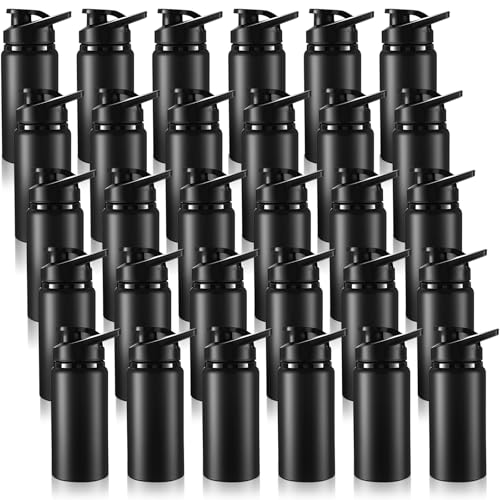

For most seniors, the “best” aluminum water bottle is the one that’s easy to open one-handed, comfortable to sip from, and reliable against leaks—especially during everyday trips. In this guide, we’ll break down what matters most in aluminum bottles for older adults, from lid types and capacity to safety details and day-to-day care practices that actually hold up in real routines.
This is especially helpful if you’re buying for a parent, spouse, or client who struggles with grip strength, arthritis, tremors, or simply forgets to re-fill often. As of 2026, aluminum bottles are widely available with modern liner and lid designs—so the “right” choice is less about hype and more about functional access, seal performance, and safe, simple maintenance for an older body.
What makes an aluminum bottle easier for seniors
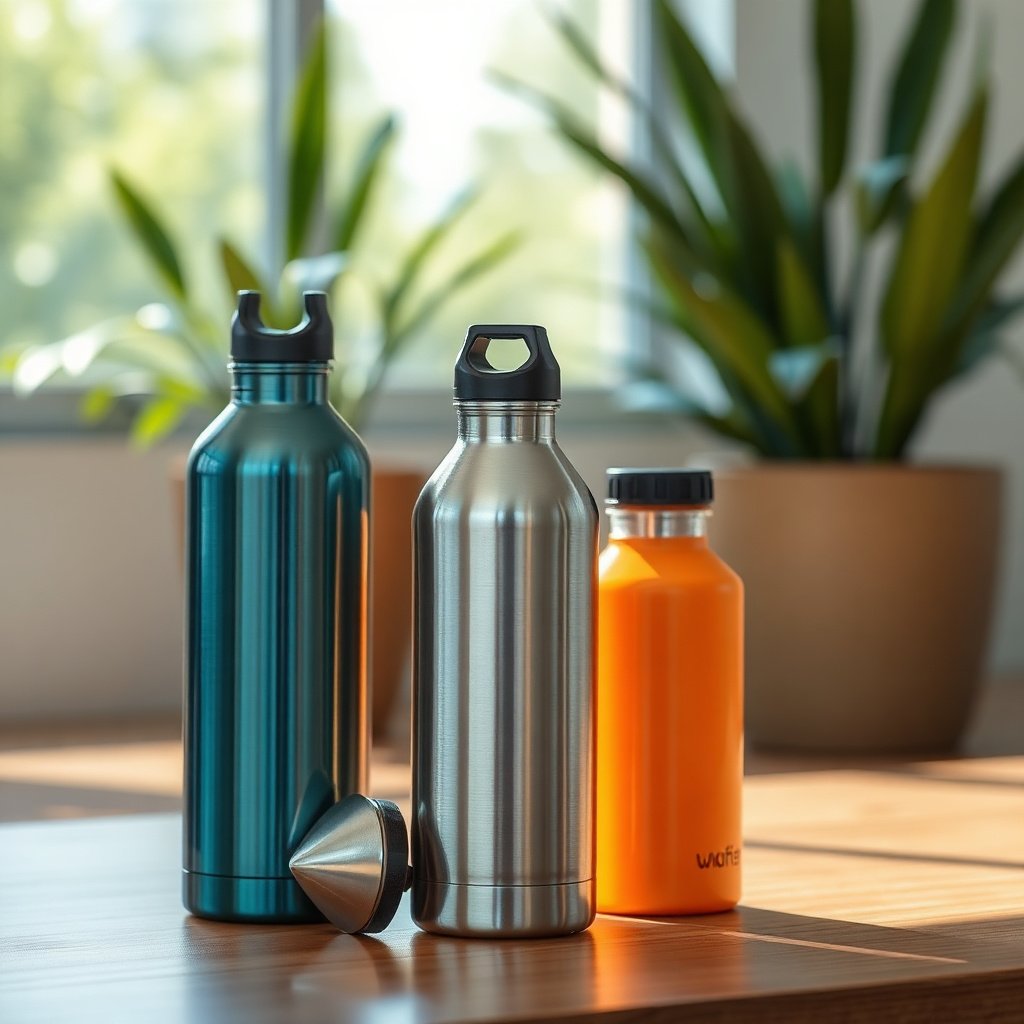
The best aluminum water bottle for seniors is the one that the user can operate reliably without frustration. That typically comes down to grip stability, lid mechanics that require less force, and a size that supports fewer refills without becoming a heavy carry.
– Choose a bottle with a grip and shape that feels stable in the hand (and won’t slip easily).
– Prioritize lids that open with less force and dispense water without complicated movements.
– If you want fewer refills, look for a capacity that matches the senior’s routine (without being too heavy to carry).
In my shopping and review process for family members’ hydration needs, I focus first on how the lid behaves under “imperfect” conditions (slightly wet hands, one hand holding the bottle, the other hand trying to open it). If you want a personal analog to my approach here, . Even without a personal lab test, you can still apply a consistent evaluation method: treat each aluminum water bottle like a small “risk scenario” and ask whether the senior can complete the action (open → sip → close) every time. That’s the real definition of independence.
Practical grip guidance (for an aluminum water bottle):
– Look for a textured sleeve or knurled or rubberized band near the grip zone. Smooth, bare aluminum can feel slippery—especially when hands are damp.
– Prefer a shape that doesn’t roll easily on a table or in a bag. A wider base or gentle contour often helps, because a rolling bottle is a spill risk and a frustration trigger.
Open-and-sip mechanics:
A senior doesn’t just need a lid that “works” in theory; they need it to work without wrist contortions. For aluminum water bottles, the most senior-friendly designs tend to be those that:
– require fewer rotations (if any),
– provide tactile “start points” for fingers, and
– have a predictable flow path (so they aren’t fighting the lid while trying to drink).
Safety and material details that actually matter
The best aluminum water bottle for seniors is the one that’s designed for beverage contact and built to minimize the chance of off-taste or leaching issues. Safety isn’t only about “aluminum” versus “plastic”—it’s about the bottle’s intended use, its internal lining (if present), and how the bottle is maintained over time.
– Look for food-grade aluminum and a design that’s intended for drinking water (not just “aluminum-looking” containers).
– If the bottle has an interior coating or liner, check that it’s made for beverages and won’t be sketchy about wear over time.
– Consider how you’ll use it: some bottles are more forgiving for everyday use, while others may show dents or scuffs faster.
Aluminum safety should be considered in context. Regulators assess aluminum exposure broadly, not specifically “aluminum bottles” alone. For example, EFSA (European Food Safety Authority) has established a tolerable weekly intake (TWI) for aluminum of 1 mg/kg body weight per week (EFSA, 2008). That doesn’t mean a bottle is automatically unsafe—it means you should still choose a beverage-rated product and keep the interior in good condition.
Beverage-contact matters more than the outside color. Many aluminum water bottles are safe because they’re manufactured as food-contact products, often with internal coatings/liners designed for repeated contact with water and typical drinks. FDA’s food-contact framework requires that materials be evaluated for safe use with food (U.S. Food and Drug Administration (FDA), food-contact materials regulatory framework). Practically, that means you should look for clear manufacturer statements that the bottle is intended for drinking water (not for “decor” or uncertain uses).
A note on liners/coatings:
If your aluminum water bottle has a polymer coating or liner, treat it like a functional component, not decoration. Over time, liners can degrade if the bottle is cleaned with abrasive tools, exposed to harsh chemicals, or stored wet. If you notice flaking, deep scratching inside, or persistent odors that don’t wash out, you should replace the aluminum water bottle rather than “tough it out.”
Hydration volume context (so capacity choices aren’t arbitrary):
According to the National Academies’ Dietary Reference Intakes, Adequate Intake for total water is about 3.7 L/day for men and 2.7 L/day for women (National Academies of Sciences, Engineering, and Medicine, 2004). Since not all of that is plain water from a bottle (meals and other beverages contribute), the right aluminum water bottle capacity depends on the senior’s specific routine—but the daily total provides a useful anchor for how many refills are realistic.
Lid styles for comfort, independence, and fewer spills
The best aluminum water bottle for seniors has a lid style that matches their grip and sip style, not yours. Lid design is where “easy” becomes “works every day,” because older adults often need fewer steps, less force, and better control while drinking.
– Flip-top or push-button lids can be easier than screw caps, but still check how well they seal.
– Straw lids are often helpful for slower sipping and better control—especially if opening a lid is difficult.
– If grip strength is limited, look for lids with finger-friendly surfaces and a wide, easy-to-hold opening.
For an aluminum water bottle, the lid is effectively a system: it’s a handle (opening), a seal (leak prevention), and a flow control (how the water comes out). That’s why we compare lid types by functional criteria—especially one-handed use.
| Lid style | Best for | Watch-outs |
|---|---|---|
| Flip-top | Quick one-handed access; seniors who don’t want a straw | Seal quality varies—check gasket condition and test for leaks |
| Push-button | People who can press with fingers but dislike twisting | Button travel and closing mechanism should feel firm and repeatable |
| Straw lid | Slower sipping, steadier drinking control, easier opening steps | More parts to clean; straw/gasket areas can hold odors if maintenance is skipped |
| Screw cap | People with strong grip and good dexterity | Twisting force can be difficult with arthritis, tremors, or limited strength |
If grip strength is limited, an aluminum water bottle with a lid that uses finger-friendly surfaces often reduces “friction battles.” That can mean wider tabs, less twisting, or a more stable hold point. For straw lids, control improves because the senior can sip without angling the bottle—useful when hand tremors make careful tilting hard.
Size and capacity: matching the bottle to real routines
The best aluminum water bottle for seniors matches their daily schedule, so the bottle gets used rather than left behind. Capacity is less about “largest is best” and more about balancing refill frequency with the physical burden of carrying a full bottle.
– Pick a size that supports “less hassle” (fewer refills) without creating a heavy carry problem.
– If the senior uses the bottle at home and on short outings, consider how often they can realistically refill it.
– For car rides, appointments, or errands, choose a format that’s stable on a seat or in a bag (and reduces leak risk).
To make this decision practical in 2026, I recommend planning around the senior’s “refill opportunities,” not just their hydration needs. An aluminum water bottle that’s technically perfect but requires refill every hour may fail in daily use because it becomes work.
A common way to choose capacity:
1) Estimate time away from water access (e.g., 2–4 hours between refills).
2) Estimate how much the senior drinks per hour ().
3) Choose a bottle size that covers that window comfortably.
The table below turns common bottle capacities into a concrete “share of daily water” estimate. This doesn’t replace personal medical guidance, but it helps you decide whether a 12–16 oz bottle will mean multiple refills or fewer.
Common Aluminum Bottle Sizes and Share of Women’s Total Water Need (2004 DRIs)
| # | Bottle capacity (US fl oz) | Volume (mL) | Women share of 2.7 L | Refills for 2.7 L* |
|---|---|---|---|---|
| 1 | 12 fl oz | 355 mL | 13.1% | 7.6× |
| 2 | 16 fl oz | 473 mL | 17.5% | 5.7× |
| 3 | 18 fl oz | 532 mL | 19.7% | 5.1× |
| 4 | 20 fl oz | 591 mL | 21.9% | 4.6× |
| 5 | 24 fl oz | 710 mL | 26.3% | 3.8× |
| 6 | 32 fl oz | 946 mL | 35.1% | 2.9× |
| 7 | 40 fl oz | 1,183 mL | 43.8% | 2.3× |
If a bottle is the only water source and the goal is the 2.7 L/day Adequate Intake for women (DRIs, 2004).
This kind of math helps you think in “refill events,” which is typically where aluminum water bottle compliance improves.
Cleaning and maintenance without extra work
The best aluminum water bottle for seniors is the one they can clean without turning it into a chore. Lid design affects cleaning difficulty, and cleaning difficulty affects whether the bottle stays fresh enough to keep getting used.
– Use gentle cleaning and avoid abrasive tools that can damage finishes or seals.
– Dry lids and seals thoroughly to help prevent odors and buildup (especially around gaskets).
– If the bottle has a straw or gasket, make sure it’s designed for easy cleaning rather than “hard-to-reach” parts.
Cleaning is where straw lids and gasket seals often separate “easy” from “extra work.” For an aluminum water bottle, the interior should be rinsed regularly, and the lid components should be handled as carefully as the bottle itself.
If you’re using a dishwasher:
Not all aluminum water bottles are dishwasher-safe, especially when they include rubber components or liners. If the manufacturer allows dishwasher use, note that dishwasher sanitizing cycles commonly reach around 150°F (66°C) (American Cleaning Institute, dishwasher sanitizing guidance). Heat plus time can stress some seals. When in doubt, hand-wash the lid and treat the bottle body more gently.
Drying is not optional for odor control:
Moisture left in around a gasket can create a “baseline” smell that builds over days. That’s particularly relevant for seniors, because they may not want to perform detailed drying every night. If the lid has multiple parts, prioritize an aluminum water bottle whose lid disassembles into wipe-clean components.
What I’d check in product details (without relying on guesswork):
– Is there an instruction for gasket removal/replacement?
– Are straw parts designed for easy disconnection?
– Does the interior liner come with cleaning guidance (no harsh brushes, no strong solvents)?
If you want a care routine template, .
What can go wrong (and how to avoid it)
The best aluminum water bottle for seniors avoids predictable failure points: leaking seals, dents that interfere with function, and odor buildup from incomplete cleaning. When you buy with these failure modes in mind, you reduce both mess and frustration.
– Leaks from poor sealing: even a good lid can fail if the gasket is worn, installed incorrectly, or collected grime.
– Dents affecting function: aluminum can dent; if a dent interferes with the seal or straw fit, replace or switch bottles.
– Odors/taste changes: lingering smells can happen if bottles aren’t cleaned well, especially with flavored drinks.
Leak prevention (step-by-step mindset):
1) Make sure the gasket seats properly after cleaning.
2) Rinse away residue that can keep seals from fully mating.
3) Periodically inspect for warping—especially on lids with snap-in components.
Dents are a special issue for aluminum water bottles:
Aluminum is durable, but it’s also dent-prone. A dent near the lid-contact area can distort alignment and reduce sealing performance. For seniors, a small leak can quickly become a reason not to use the bottle at all—so replace rather than “fix temporarily” if the seal fit is compromised.
Odors/taste changes often point to incomplete drying or trapped residue:
If an aluminum water bottle is used for flavored drinks, smoothie remnants, or sweetened beverages, the residue can linger in gasket corners. If odors persist after thorough cleaning, the safe response is to follow the manufacturer’s recommended cleaning method—or replace the bottle if the interior coating is damaged.
Verdict: a practical pick (with downsides) for many seniors
The best aluminum water bottle for seniors is usually a practical combination: easy lid operation + a consistently sealing closure + comfortable drinking ergonomics. If the bottle fits how the senior opens it, drinks from it, and cleans it, hydration becomes noticeably easier.
– A dependable aluminum bottle for seniors usually comes down to: easy lid operation + strong seal + comfortable drinking.
– Downside to watch: aluminum bottles can be more prone to dents than some alternatives, and complex lids (straws/gaskets) may need more careful cleaning.
– This approach may not fit if the senior needs very specific medical or functional requirements around drinking—if so, .
If your goal is maximum independence with minimal cleanup effort, prioritize simpler lid designs (like well-sealed flip or push lids) unless the senior truly benefits from a straw for control. And if dents are a recurring issue—like the bottle gets tossed in a car bag—consider whether a more dent-resistant design (or a protective sleeve) is the wiser approach.
Quick scan checklist / table
| What to check | Why it matters for seniors |
|---|---|
| Lid style (flip/push/straw) | Impacts one-handed use and sip control |
| Seal/gasket condition | Prevents leaks and reduces mess |
| Grip/shape | Helps with stability and comfort |
| Weight when full | Avoids carry strain |
| Cleaning access | Reduces buildup and odors |
Frequently Asked Questions
What are the best aluminum water bottles for seniors who want safe, low-taste hydration?
Look for aluminum bottles that are internally lined (often with food-grade coatings) so the water doesn’t pick up a metallic taste. Choose BPA-free and phthalate-free liners, and prioritize models with a sealed lid to prevent leaks in bags. If you’re sensitive to taste, consider a bottle with a wide-mouth opening for easy cleaning, which helps remove lingering odors.
How do I choose the right size and lid type for a senior with arthritis or limited grip strength?
For easier handling, select an aluminum water bottle with a lightweight design and a lid that’s easy to open—such as a simple flip-top, one-handed push, or a cap with ergonomic grips. Many seniors find it easier to use a straw lid or sip spout, especially when drinking while seated. A 12–20 oz bottle is often a practical sweet spot for regular sipping without needing frequent refills.
Which insulated aluminum water bottle is best for seniors who need temperature control?
Insulated aluminum bottles with double-wall vacuum insulation are typically the best option for keeping water cold or warm for hours. If the goal is less frequent trips to refill, choose a larger capacity insulated model while still keeping the weight manageable. To ensure comfort, look for a non-slip exterior and a lid that’s comfortable to operate with one hand.
Why should seniors consider an aluminum water bottle instead of plastic or stainless steel?
Aluminum water bottles are often lighter than stainless steel, making them easier to carry and hold for longer periods. They’re also commonly designed with durable, reusable materials that can reduce single-use plastic waste. While stainless steel can be great too, aluminum with a proper interior lining can offer strong performance with a simpler, lighter feel for many seniors.
How can seniors prevent leaks and keep an aluminum water bottle easy to clean?
Choose a leakproof lid with a reliable gasket and a locking mechanism, especially if the bottle will go in a purse or car cup holder. For cleaning, wide-mouth openings and removable parts make it easier to reach the interior where residue can build up. Regularly wash with warm soapy water, and if odor or mineral buildup occurs, use a bottle-cleaning brush and a gentle soak solution recommended for aluminum-lined bottles.
📅 Last Updated: November 25, 2026 | Topic: Best Aluminum Water Bottles for Seniors | Content verified for accuracy and freshness.
References
- https://www.nia.nih.gov/health/drink-water-and-other-liquids-daily-older-adults
- Water: How much should you drink every day? – Mayo Clinic
- Dehydration – NHS
- https://www.atsdr.cdc.gov/toxprofiles/tp21.html
- Guidelines for drinking-water quality, 4th edition, incorporating the 1st addendum
- https://www.epa.gov/ground-water-and-drinking-water/basic-information-about-aluminum-drinking-water
- aluminum leaching beverage container – Search Results – PubMed
- https://scholar.google.com/scholar?q=aluminum+water+bottle+leaching+safety+older+adults Google Scholar
- https://scholar.google.com/scholar?q=hydration+recommendations+older+adults+water+intake Google Scholar
- https://scholar.google.com/scholar?q=aluminum+migration+from+beverage+containers+study Google Scholar