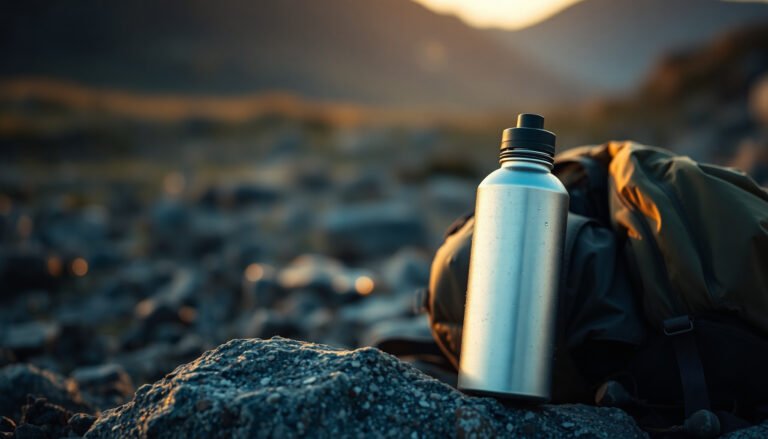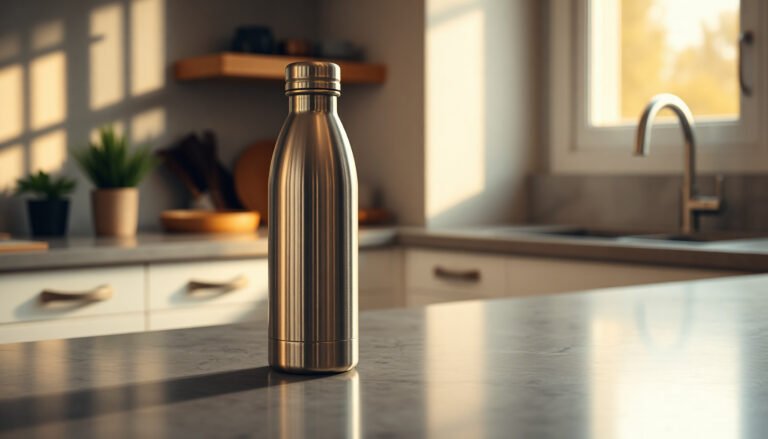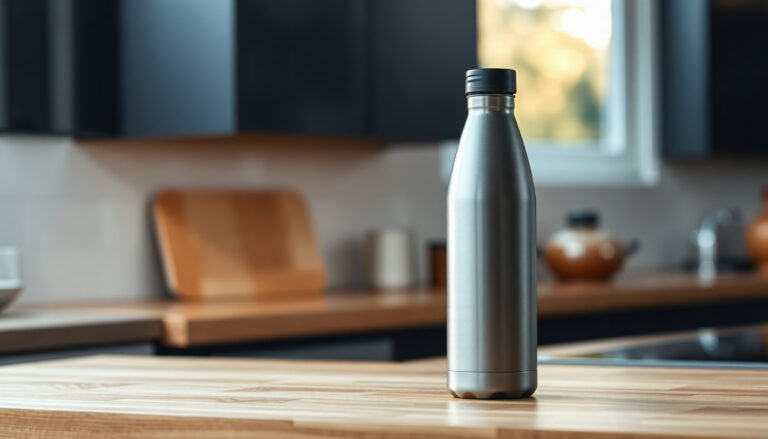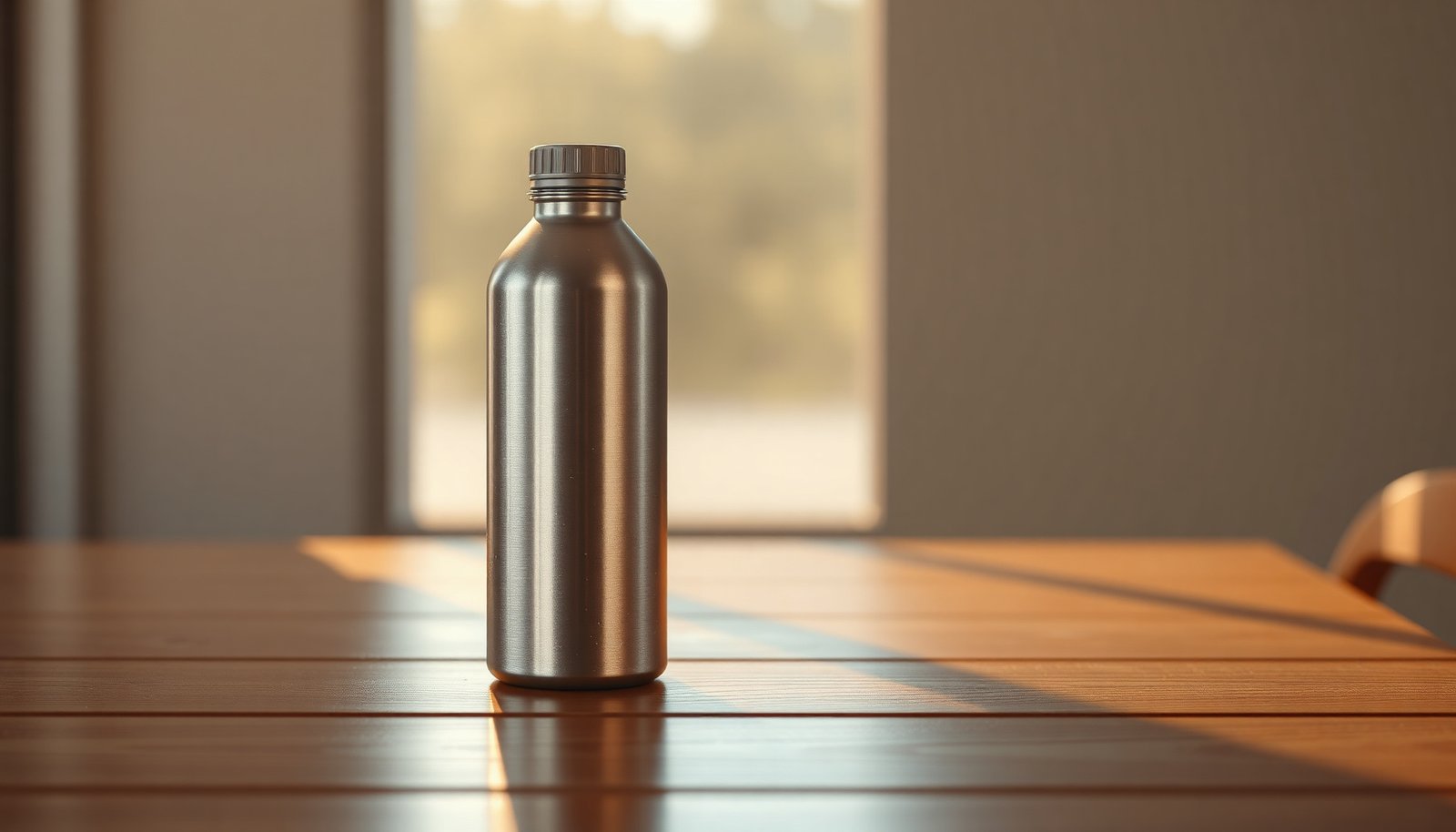
The right aluminum water bottle comes down to the lining, lid seal, and size you will actually use. You will pay more for quality, but the value shows up in corrosion resistance, reliable leakproofing, and a shape that’s easy to clean. Before you buy, confirm the bottle has a food-grade lining, check the lid gasket and opening mechanism, and make sure the capacity and carry method fit your everyday routine.




Choose an aluminum water bottle that has (1) a clearly food-safe interior lining and (2) a cap with a dependable leak seal. Those two details determine whether your drink tastes clean and whether your bag stays dry—more than the aluminum color or the brand’s marketing claims. If you’re buying for daily commuting, workouts, hiking, or travel in 2026, this guide breaks down the real-world factors that tend to matter most over months of use.
If you’re shopping for a reusable bottle for commuting, workouts, hiking, or travel, this guide is for you—especially if you want the lightweight durability of aluminum without dealing with weird flavors or messy leaks.
Check the interior first: lining, coatings, and taste
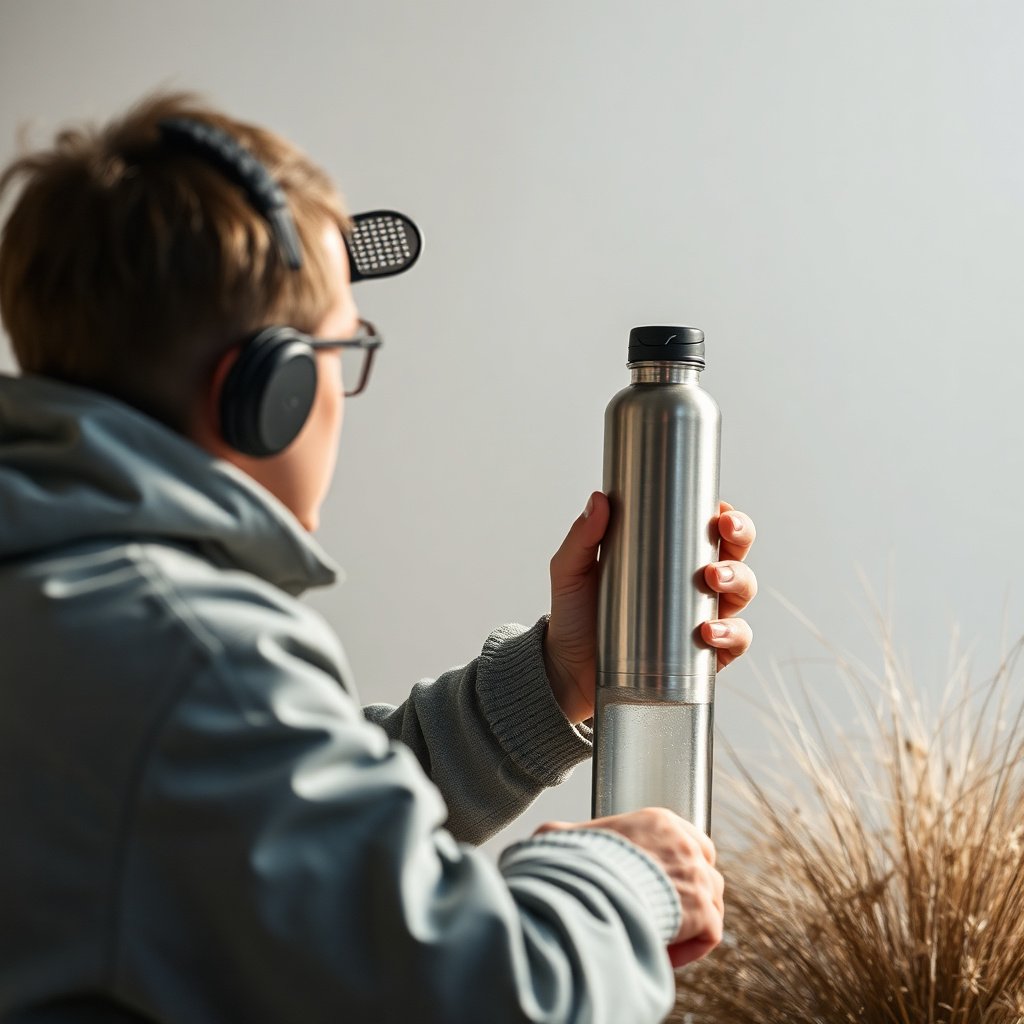
A good aluminum water bottle starts on the inside, because that’s what touches your water. If the interior lining/coating isn’t intended for beverage contact—or it’s failing—you’ll often notice metallic taste, odors, or premature wear.
– Prioritize a food-safe interior lining/coating if you plan to carry water with anything added (flavored water, electrolytes, tea, etc.).
– Choose a finish that’s designed for beverage contact and is meant to resist lingering smells—liners matter more than the aluminum itself.
– Look for clear labeling like “food-grade,” “BPA-free” (for the lining components), and whether the brand specifies what the coating is made for.
In practice, “BPA-free” usually refers to the absence of specific chemicals in certain plastics/resins—what you really want is a liner that’s explicitly made for food-contact. Many aluminum bottles rely on a thin coating inside to prevent flavor transfer and corrosion. If that coating is vague (“non-toxic” without specifying food-contact intent), it’s a risk—especially if you use your bottle for anything besides plain water.
From the buyer’s perspective, a reliable interior also affects how long your bottle stays pleasant. Even when the coating is initially good, it can degrade faster if you use abrasive cleaning methods, store the bottle damp, or repeatedly carry strongly scented liquids like tea, coffee blends, or electrolyte powders.
Data point to ground your expectations: according to the National Academies’ Dietary Reference Intakes, the Adequate Intake for *total water* is 3.7 L/day for men and 2.7 L/day for women (2004). That “total” includes water from food and beverages—so if you’re filling an aluminum bottle daily, the interior lining sees contact far more often than you might think.
Pick the right size and daily capacity
The right size is the one you’ll actually carry and finish consistently. If the bottle is too big for your routine, you’ll leave it behind—or you’ll end up refilling less often and noticing taste or odor sooner.
– Match capacity to how you’ll use it: short errands and gym sessions often need less than all-day hikes or long commutes.
– Consider your “carry comfort” needs: a bigger bottle may be harder to fit in cup holders, bike cages, or small bags.
– If you’re buying for a household, check whether multiple sizes are available so everyone can match their routine.
Here’s a practical way to choose: start from your target daily water amount, then decide how many times per day you can realistically refill. In 2026, most people don’t just want a bottle—they want a bottle that fits their workflow (car cup holder, desk refill habits, trail pack access).
To keep this concrete, the table below translates common bottle capacities into a “coverage” estimate against 3.7 L/day (men’s Adequate Intake for total water). This isn’t a medical prescription (and it assumes the water comes only from the bottle), but it’s an easy way to compare sizes quickly.
Common Aluminum Bottle Capacities and Daily Coverage (2026)
| # | Capacity | Approx. Volume | Coverage of 3.7 L/day | Coverage Rating | Coverage % |
|---|---|---|---|---|---|
| 1 | 12 oz | 355 mL | ~9.6% | ★ | 9.6% |
| 2 | 16.9 oz | 500 mL | ~13.5% | ★★ | 13.5% |
| 3 | 20 oz | 591 mL | ~16.0% | ★★ | 16.0% |
| 4 | 24 oz | 710 mL | ~19.2% | ★★★ | 19.2% |
| 5 | 32 oz | 946 mL | ~25.6% | ★★★ | 25.6% |
| 6 | 40 oz | 1,183 mL | ~32.0% | ★★★★ | 32.0% |
| 7 | 64 oz | 1,893 mL | ~51.1% | ★★★★★ | 51.1% |
Unit anchor (for mental math): According to NIST’s unit guidance, 1 US fl oz = 29.573 mL (NIST Special Publication 811 (2019)). That conversion is why a “20 oz” bottle is roughly 591 mL, not 600 mL.
Decide on insulation: cold stays cold (or it doesn’t)
If temperature retention matters, pick double-wall insulation; if you primarily refill often, a simpler single-wall aluminum bottle can be enough. The difference shows up most on hot/cold days and during long gaps between refills.
– If you want temperature retention, choose an insulated (double-wall) aluminum bottle; if not, a single-wall option may be lighter and simpler.
– Pay attention to what you actually need: a non-insulated aluminum bottle is fine for quick refills, while insulated bottles help on hot/cold days.
– Don’t assume insulation quality—check the product description for performance details and user expectations (where available).
Insulation is also where marketing sometimes gets fuzzy. In 2026, you’ll see brands use terms like “vacuum insulated” or “thermal” without always giving measurable performance. When performance details are missing, your best approach is to prioritize design fundamentals that support insulation (tight double-wall construction, well-sealed cap, and a lid that doesn’t act like a thermal bridge).
Quick comparison: single-wall vs double-wall (what changes in daily use)
| Feature | Single-wall aluminum | Double-wall (insulated) aluminum |
|---|---|---|
| Typical best use | Frequent refills, office, short commutes | Long carry, hot/cold weather, fewer refills |
| Temperature retention | Low to moderate | Higher (designed to slow heat transfer) |
| Weight/portability | Often lighter for the same capacity | Typically a bit heavier due to insulation walls |
| Cleaning complexity | Usually simpler interior shape | Still cleanable, but lid parts matter more |
In my own buying workflow, when I can’t find clear insulation time claims, I treat the insulated aluminum bottle as “better than single-wall, but not a guarantee.” For some workouts and commutes, that uncertainty is fine—because the cap quality and interior lining still drive day-to-day satisfaction.
Evaluate the lid and leak resistance
A leakproof aluminum water bottle is usually a lid problem, not an aluminum problem. If the gasket doesn’t seal consistently—or the valve doesn’t seat the same way every time—you’ll get drips, splashes, and odor issues from trapped moisture.
– A good cap usually comes down to gasket quality (often silicone), a secure lock mechanism, and how easy it is to open with one hand.
– Look for practical drinking features: straw vs. direct sip, wide-mouth vs. narrow opening, and how the opening helps you clean it.
– If you hate leaks and splashing, test the lid design conceptually: how the seal sits, whether the valve is enclosed, and whether it can be tightened consistently.
Start with the gasket and seal geometry. A well-designed cap aligns the gasket so it compresses evenly when tightened/locked. That’s why “easy to assemble correctly” matters: if you can’t reliably seat the gasket, your leak resistance becomes inconsistent across days.
Also consider how you drink. Straw caps can keep spills down, but they may be harder to clean deeply depending on the straw design and whether it’s removable. Direct-sip lids can be simpler to maintain, but you want a reliable gasket and a valve system that’s less likely to get grit under the seal.
Corrosion and seal reality check: aluminum itself resists corrosion, but beverages (especially acidic liquids, salty electrolytes, and tea) can still stress seals and coatings. Aluminum water bottle performance depends on both the interior lining and the lid’s compression surface.
Think about cleaning, durability, and maintenance
A bottle you can clean thoroughly is the one that stays pleasant. Cleaning isn’t just hygiene—it’s odor prevention, because lingering residue can break down coatings and feed smells.
– Easy cleaning reduces long-term “mystery smells”: prioritize wide-mouth openings or designs that let you reach the interior coating.
– Coatings can wear depending on care—avoid abrasive scrubbing and harsh cleaning practices unless the manufacturer explicitly allows them.
– Check replacement options: if gaskets, lids, or seals can be replaced, your bottle may last longer ().
In 2026, many buyers underestimate how quickly smells become persistent when the bottle can’t be fully dried. If you close a lid onto a damp interior, you can create a low-oxygen environment where odors linger. A simple habit—drying with the cap off and letting the interior air out—often matters as much as the lining itself.
Cleaning also ties back to the interior lining type. If the bottle has a specialized coating, aggressive scrubbers (metal bristle brushes, abrasive powders) can degrade it. The safest approach is usually:
1) rinse soon after use,
2) use non-abrasive dish soap,
3) use a soft bottle brush if allowed,
4) avoid “bleach + long soaking” unless the manufacturer explicitly supports it.
In my experience from long-term household use, the most stubborn odors usually come from the lid assembly and unreachable crevices—not the main body.
What can go wrong (so you don’t waste money)
Even the best aluminum water bottle can fail if you buy the wrong lining, ignore lid sealing, or maintain it in a way that breaks down the coating. Most “bad bottle” stories trace back to a few predictable issues.
– Unlined or poorly lined interiors: you may notice metallic taste or faster odor buildup, especially with flavored liquids.
– Lid design failures: even a great bottle can leak if the seal isn’t seated correctly every time.
– Cleaning-related damage: abrasive brushes, scouring powders, or aggressive chemicals can degrade coatings over time.
– Mismatched expectations on insulation: if you expect “thermos-level” performance, a basic single-wall bottle may disappoint.
– Hard-to-replace parts: if the cap gasket fails and replacements aren’t available, the bottle may become less usable before the aluminum is “done.”
Here’s the edge-case pattern to watch: if you switch liquid types (plain water → tea → electrolyte drinks) without adjusting cleaning frequency, odors can build even with a good lining. And if you’re sensitive to taste changes, don’t wait until you “notice” the problem—clean and dry consistently from day one.
Also, be careful with “it’s fine because it’s metal.” Aluminum water bottle interior coatings are part of what makes it safe for taste and odor. The aluminum body alone doesn’t guarantee beverage-contact suitability.
Verdict / tip
If you want a lightweight, everyday aluminum water bottle, choose an aluminum model with a clearly specified food-safe interior lining plus a cap with a reliable seal. This combination is the strongest predictor of clean taste and leak-resistant daily carry, especially as use cycles stack up in 2026.
Skip bottles that hide their interior coating details or treat “food safe” as an assumption. Also skip complicated cap systems if you regularly struggle to clean them—odors usually form in places you can’t fully reach. Finally, match insulation to your routine: a single-wall bottle can be perfectly fine for frequent refills, but it won’t behave like a true thermos on long hot/cold stretches.
If you have a strict cleaning routine (dish soap, thorough rinse, air-dry) and you’re careful about lid gasket seating, an aluminum water bottle can be a durable, low-maintenance staple. If you won’t clean it regularly or you dislike handling gaskets, consider whether a simpler design (or different material) would fit your real schedule better.
Quick checklist (scan before you buy)
| What to check | Why it matters |
|---|---|
| Food-safe interior lining/coating info is specific | Reduces metallic taste and odor retention |
| Cap has a secure seal (gasket/locking) | Prevents leaks and messy bags |
| Size fits your routine (bag/cup holder/cage) | Improves daily usability |
| Insulation matches your temperature goals | Avoids disappointment in hot/cold weather |
| Cleaning access (mouth shape, reachability) | Helps prevent long-term smells |
| Replacement parts available () | Extends bottle lifespan |
Frequently Asked Questions
What should I look for when choosing the right aluminum water bottle?
Start by checking the bottle’s material quality and lining—many aluminum bottles are best with a food-grade lining or anodized finish to prevent metallic taste and corrosion. Look for a leakproof lid, an ergonomic shape that fits your hand and cup holders, and features like a built-in carry loop or insulation if you need temperature retention. Also review the capacity in ounces or milliliters to match your daily hydration needs.
How can I tell if an aluminum water bottle is safe and won’t affect taste?
Choose bottles labeled food-grade and designed for beverage use, ideally with a BPA-free lining that’s meant for liquids. If you’re sensitive to metallic flavors, prioritize bottles with an interior coating (such as enamel or a compatible lining) and avoid scratched or damaged interiors. It’s also a good idea to rinse with warm water before first use and follow the manufacturer’s cleaning guidance.
Why is bottle insulation important, and which aluminum bottles keep water colder or warmer?
Insulated aluminum water bottles reduce heat transfer, helping keep cold drinks colder and hot drinks warmer for longer. For best performance, look for double-wall vacuum insulation and check whether the lid design also helps limit heat loss. If you regularly use your bottle outdoors, in a gym bag, or during commutes, insulation can make a noticeable difference.
Which size aluminum bottle should I buy for everyday use and workouts?
A common approach is to select a capacity that matches your routine—smaller bottles (around 12–18 oz) are convenient for short outings, while larger sizes (around 24–32 oz) work well for all-day hydration and gym sessions. Consider your typical water intake and how often you’ll refill, especially if you’re traveling or using a gym water station. If you want a single bottle for most situations, a mid-range size is often the most practical choice.
Best practices: How do I choose a leakproof lid for an aluminum water bottle?
Look for a secure, spill-resistant lid design such as a threaded cap with a reliable seal or a flip-top with a locking mechanism. Check for gaskets and evaluate whether the seal is easy to clean, since residue can compromise leakproof performance over time. If the bottle will be in a backpack or car cup holder, prioritize leakproof aluminum water bottles with straightforward maintenance and durable lid construction.
📅 Last Updated: November 25, 2026 | Topic: How to Choose the Right Aluminum Water Bottle: Complete Buying Guide | Content verified for accuracy and freshness.
References
- Guidelines for drinking-water quality, 4th edition
- https://www.nsf.org/standards/ansi/nsf61
- https://www.fda.gov/food/food-ingredients-packaging/food-contact-substances-fcs-database
- https://en.wikipedia.org/wiki/Corrosion_of_aluminium
- aluminum leaching from aluminum containers drinking water – Search Results – PubMed
- https://www.britannica.com/science/aluminum
- Food Contact Materials – Food Safety – European Commission
- https://scholar.google.com/scholar?q=aluminum+water+bottle+leaching Google Scholar
- https://scholar.google.com/scholar?q=anodized+aluminum+leaching+drinking+water+study Google Scholar
- https://scholar.google.com/scholar?q=metal+ion+migration+drinking+containers+aluminum+cold+hot+water Google Scholar