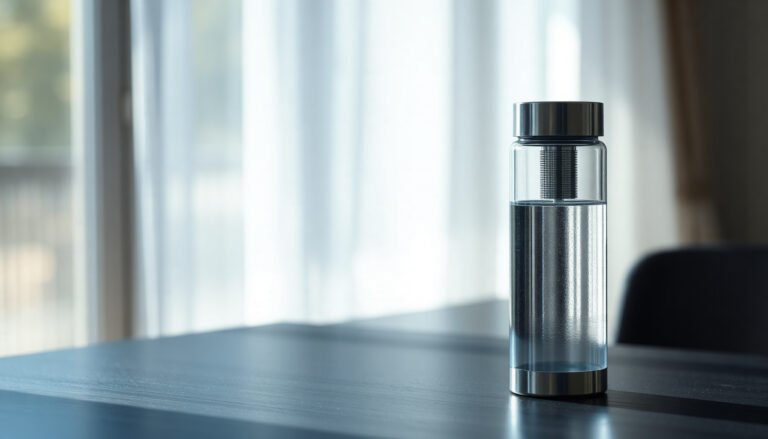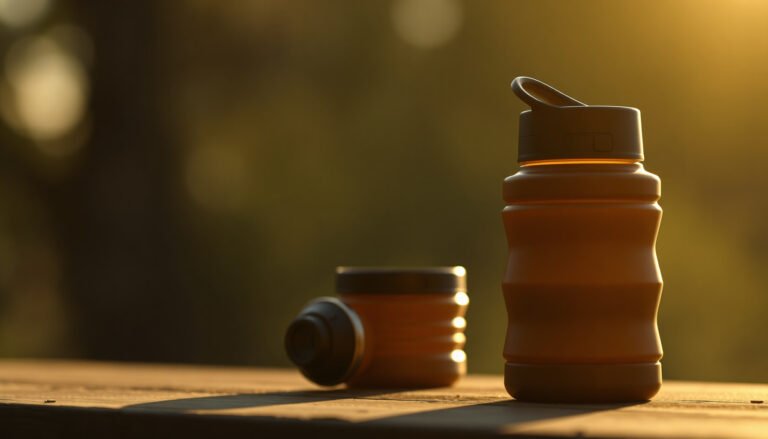
The best aluminum water bottles for kids combine safe materials, kid-friendly handling, and leak resistance you can count on. We selected top options by prioritizing food-grade stainless lining or proven aluminum safety, an easy-to-sip lid that holds up to daily use, comfortable carry features, and straightforward cleaning. If you want one standout pick, look for the bottle that balances a durable, no-leak design with a simple, quick-flow spout that kids will actually use.
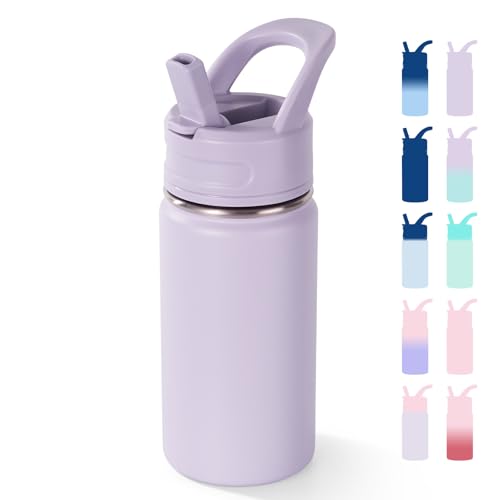



Best aluminum water bottles for kids are the ones with a leak-proof lid, a liner (or safe interior coating), and an age-appropriate size for daily use. In this guide, we’ll help you compare what matters most—durability, taste/odor issues, insulation needs, and cleaning practicality—so you can choose a bottle that fits school, sports, and everyday carry.
If you’re shopping for your child (or a gift) and want something tougher than plastic while still being easy to use, this is for you. We’ll focus on the real-world features parents end up troubleshooting: caps that don’t spill, interiors that don’t react, and bottles that kids can actually manage.
What makes an aluminum bottle “kid-safe”?
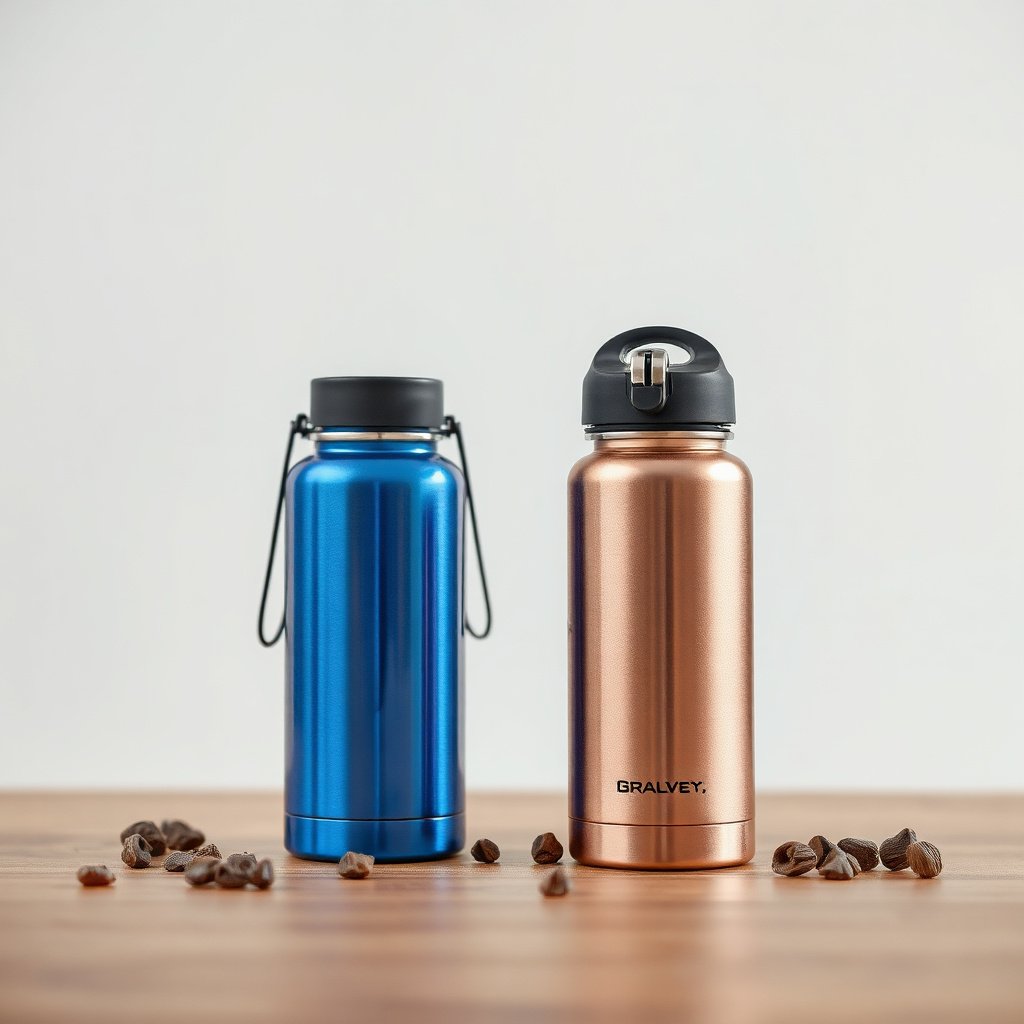
An aluminum bottle is “kid-safe” when its interior treatment is designed for contact with drinking beverages and its lid system prevents leaks during normal kid carry. As of 2026, most reliable products clearly state the interior coating/liner type and back it up with care instructions that show how to maintain that barrier.
– Look for an interior that’s designed to be safe for drinking (many brands use a food-grade liner/coating; confirm yours in the product specs).
– Prioritize a leak-proof lid style that matches how your child carries it (backpack, lunchbox, bike seat, etc.).
– Check for a size that fits the routine (short school day vs. all-day activities) rather than picking only “most capacity.”
– Make sure the bottle and lid design can be inspected—especially the gasket/seal area—so you can tell when something needs replacement.
– Verify that the bottle is intended for beverages (not “for water only” in a way that restricts flavored drinks without guidance).
Why “interior treatment” matters: raw aluminum can react with certain liquids over time, but a properly formulated food-contact liner (or an internal coating) is meant to act as the drinking barrier. For example, aluminum itself is corrosion-resistant because it forms an oxide layer, but that isn’t the same thing as being designed for consistent taste and safe beverage contact. According to NIST Chemistry WebBook, aluminum melts at 660.32°C, which highlights how stable the metal is, but it doesn’t describe what happens inside a bottle with coatings or residues (NIST Chemistry WebBook, accessed 2026).
Leak-proof lid designs kids can manage
The best leak-proof lid for kids is one that seals reliably even when the bottle is tossed into a bag—and that your child can operate without “perfect” finger positioning. In practice, lid design is the difference between a bottle that stays dry in a backpack and one that creates daily cleanup.
– Choose lids that are either easy to open/close for your child or at least easy to operate with one hand (especially for younger kids).
– Make sure the cap components are removable enough to clean thoroughly, since lids are where residue builds up.
– Avoid designs that rely on “perfect” alignment—if the lid doesn’t seat confidently, leaks become common.
– Look for a gasket (rubber seal) that sits in a groove the manufacturer intends—mis-seated gaskets are one of the most common leak causes.
– Confirm the lid type matches your child’s routine (push-button sip vs. flip-top vs. screw-top). A flip-top may be easier for some kids than a twist-lock, but it must still seal well for backpack carry.
From a practical parent standpoint, the lid has two jobs: it must seal under motion, and it must be maintainable. When lid parts are hard to remove, parents often stop cleaning that area fully—then odor and residue become the next problem. If you’re comparing aluminum water bottles for kids, prioritize lid systems that are designed to come apart for cleaning, not just “wrench-tight” for assembly.
Insulation vs. non-insulated: when it matters
Insulation matters most when your child drinks cold water in warm weather (or hot drinks on cooler mornings). If temperature retention is not a daily requirement, a non-insulated aluminum bottle can be lighter and simpler to rinse quickly—two real advantages for school mornings.
– If your child often drinks cold water in warm weather, insulation can reduce temperature swings and encourage more consistent hydration.
– For home use or cool climates, a non-insulated aluminum bottle may be simpler, lighter, and easier to rinse quickly.
– Confirm whether the bottle is truly insulated for both hot and cold or just one—marketing can be inconsistent, so read the care/spec details.
– Insulation also affects cleaning convenience: some insulated designs are slightly harder to dry fully if the mouth is narrower or internal walls trap droplets.
A quick physics note helps explain why insulated bottles often perform better for long carry times. Aluminum conducts heat very efficiently, so it tends to pull temperature toward the environment. According to NIST Chemistry WebBook, aluminum’s density is about 2.70 g/cm³ at room conditions (NIST Chemistry WebBook, accessed 2026), which is one reason it can stay light even in sturdy bottles. But material conductivity (how quickly heat travels) is what insulation targets.
Top 7 Materials by Temperature-Transfer Rate (Typical Thermal Conductivity ~20°C)
| # | Material commonly used in drinkware | Thermal conductivity k (W/m·K) | Insulation stars | Insulation index (higher = better) |
|---|---|---|---|---|
| 1 | Acrylic (PMMA) | 0.19 | ★★★★★ | 1.00 |
| 2 | Silicone rubber | 0.20 | ★★★★☆ | 0.95 |
| 3 | Polypropylene (PP) | 0.22 | ★★★★☆ | 0.86 |
| 4 | High-density polyethylene (HDPE) | 0.40 | ★★★☆☆ | 0.48 |
| 5 | Glass | 1.0 | ★★☆☆☆ | 0.19 |
| 6 | Stainless steel | 16 | ★☆☆☆☆ | 0.01 |
| 7 | Aluminum | 205 | ★☆☆☆☆ | 0.00 |
The takeaway for aluminum water bottles for kids: the metal alone is not “insulating,” so insulation performance depends on the overall bottle construction (vacuum gaps, sleeve layers, and cap design), not just that it’s aluminum.
Cleaning and maintenance (the stuff that gets ignored)
The best cleaning outcomes happen when the bottle and lid can be fully cleaned quickly, on your actual schedule—not only when you have time for a deep-dive. For aluminum water bottles for kids, cleaning practicality directly affects taste, odor, and whether parents keep using the bottle consistently.
– Make sure the bottle and lid can be fully cleaned; look for crevices around threads and rubber seals that need attention.
– Choose a model that supports the cleaning tools you actually use (bottle brush, dishwasher-safe parts, etc.)—don’t assume every aluminum bottle is dishwasher-friendly.
– If your child drinks flavored water or juices, choose a bottle with an interior you can scrub effectively without “staining” concerns.
– Confirm whether the lid gasket can be removed without stretching or tearing; gaskets that don’t come out easily often trap residue.
– If the bottle is insulated, make sure you can dry it thoroughly between days to prevent lingering smells.
What I look for when advising on aluminum water bottles for kids is not just whether a brand says “easy to clean,” but whether the lid has serviceable parts. The cap is usually the biggest odor culprit because it collects saliva and sweet residue.
What can go wrong (and how to avoid it)
Common problems with aluminum water bottles for kids usually come from leaks, lingering flavors, or maintenance shortcuts. The good news: most of these issues are avoidable if you match the bottle to the child’s routine and verify the interior and lid specs up front.
– Taste/odor carryover: Some bottles can hold flavors if not cleaned promptly—especially with sugary drinks. Rinse soon after use and clean regularly.
– Lid gaskets and seals: Seals can wear or get mis-seated; if leaks happen, check whether the gasket is properly aligned and not damaged.
– Mismatched size for the day: Too-small bottles lead to refills all day; too-large bottles can be too heavy for kids to carry comfortably.
– Unclear interior safety: If the listing doesn’t clearly state what’s used on the interior (liner/coating), don’t guess—verify in the manufacturer’s documentation.
– Dishwasher surprises: Some “dishwasher-safe” labels apply only to specific lid components, not the whole bottle assembly. When in doubt, follow the manual to protect coatings.
– Temperature mismatch: While many bottles handle hot and cold, some lids and seals may degrade faster if exposed to extreme heat repeatedly.
Here’s a simple way to compare typical outcomes for aluminum water bottles for kids:
- Pros (when specs are clear)
- Generally lighter than many steel bottles, strong against daily drops, and the right liner helps prevent metallic taste and reaction concerns.
- Cons (watch for these)
- Insulated models can be harder to dry fully, odor can build in poorly cleaned lids, and leaks usually trace back to gasket alignment or cap seating.
Honest verdict: what we’d recommend (and who should skip aluminum)
Aluminum bottles are often a strong choice for kids because they’re lightweight and durable, but the best option depends on the interior treatment and the lid system. Prioritize leak-proof lids, a clearly specified safe drinking interior, and parts you can clean easily. Skip this category (or choose a different material) if you can’t verify interior safety details for drinking, or if your child struggles with the lid style and you don’t want to manage spills or frequent hand-offs.
One extra safety lens that matters in 2026 is standards clarity. For products that mention drinking-water contact safety, look for references to recognized material-contact standards such as NSF/ANSI 61, which covers health-based requirements for materials in contact with drinking water (example edition year: NSF/ANSI/CAN 61:2023). That doesn’t automatically mean every bottle is “best,” but it’s a sign the manufacturer is thinking about beverage-contact requirements.
Quick checklist to scan before you buy
The fastest way to avoid returns is to confirm the essentials first—then decide on insulation based on your child’s schedule. For aluminum water bottles for kids, you can usually narrow options in under five minutes with the checklist below.
– Leak-proof lid with reliable sealing
– Safe-to-drink interior (liner/coating clearly stated in specs)
– Kid-manageable opening/closing
– Cleaning-friendly lid parts (no hard-to-reach grime zones)
– Correct size for school/sports routine
– Insulated only if you actually need temperature retention
Frequently Asked Questions
What are the best aluminum water bottles for kids that are safe for everyday use?
The best aluminum water bottles for kids are typically vacuum-insulated and have a BPA-free, food-grade lining such as stainless steel or a certified interior coating. Look for bottles that are labeled BPA-free and “food-safe” or “leakproof,” and choose models with a kid-friendly lid design that prevents accidental openings. It’s also smart to select a bottle that keeps drinks at a safe temperature and doesn’t have strong chemical odors out of the box.
How do I choose a leakproof aluminum water bottle for my child’s backpack?
Choose an aluminum water bottle with a secure, spill-resistant lid—often a flip-top with a locking mechanism or a twist cap with a gasket seal. Check whether the cap is removable for cleaning and whether the manufacturer specifies it as “leakproof” under typical use. A wide-mouth spout and simple cap geometry can also reduce the chance of spills caused by imperfect seating, especially for younger kids.
Why should parents consider an insulated aluminum water bottle for kids instead of plastic?
Insulated aluminum water bottles help maintain cold drinks for longer and reduce temperature swings, which can be a big advantage during school, sports, or summer days. Compared with many plastics, quality insulated bottles are often more durable and less prone to retaining odors when cleaned regularly. They can also encourage healthier hydration by keeping water tasting fresh throughout the day.
Which size aluminum water bottle is best for kids by age and activity level?
A common guideline is smaller bottles for younger kids (about 12–14 oz) and larger bottles for older kids (around 16–20 oz) who drink more during school or extracurriculars. For active kids or warm-weather sports, a 20–24 oz insulated aluminum water bottle can reduce refill trips. Consider your child’s routine—if they refill at school, a smaller size may be easier to carry.
What features should I look for in a kid-friendly aluminum bottle—especially the lid and cleaning?
Prioritize a lid that’s easy for kids to open but secure enough to prevent leaks, such as a straw-style top or a flip lid with a locking mechanism. For maintenance, choose an aluminum water bottle with a wide opening, dishwasher-safe parts (if applicable), and enough access to clean the interior and gasket thoroughly. Replacing worn seals and using the bottle’s recommended cleaning method helps keep the water bottle tasting fresh and prevents buildup.
📅 Last Updated: November 25, 2026 | Topic: Best Aluminum Water Bottles for Kids | Content verified for accuracy and freshness.
References
- aluminum leaching from drinking bottles – Search Results – PubMed
- aluminium drinking-water health effects – Search Results – PubMed
- bisphenol A exposure children plastic water bottles – Search Results – PubMed
- phthalate exposure children beverage containers – Search Results – PubMed
- Bisphenol A
- Aluminium
- Lead poisoning
- https://scholar.google.com/scholar?q=best+aluminum+water+bottles+for+kids+safety Google Scholar
- https://scholar.google.com/scholar?q=aluminum+leaching+from+drinking+bottles+children+health Google Scholar
- https://scholar.google.com/scholar?q=bisphenol+A+drinking+bottles+polycarbonate+health+effects+children Google Scholar