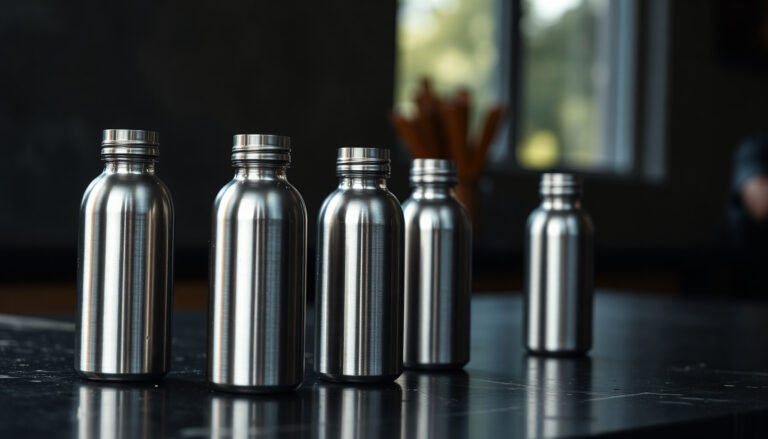
The leading aluminum water bottle for 2026 is the one built for daily carry: durable, leak-resistant, and comfortable to hold for commuters, hikers, and gym users. Our ranking prioritizes spill-proof lids, internal lining that protects taste, insulation and sweat control, corrosion resistance, and compatibility with standard cup holders and bottle cages. What separates the winners is the combination of a tight seal, easy-clean design, and a finish that stays scratch-friendly over time.




If you want the best aluminum water bottle in 2026, prioritize a leakproof lid plus food-safe aluminum construction (anodized or properly lined) that won’t impart an off taste. Use this ranking to match the right capacity and insulation needs—then avoid common mistakes like unlined aluminum for everyday drinking.
This guide is for people who want an aluminum bottle (not stainless) and care about durability, flavor, and leak resistance—whether you’re commuting, hiking, or just trying to upgrade your daily hydration.
How we ranked aluminum water bottles for 2026
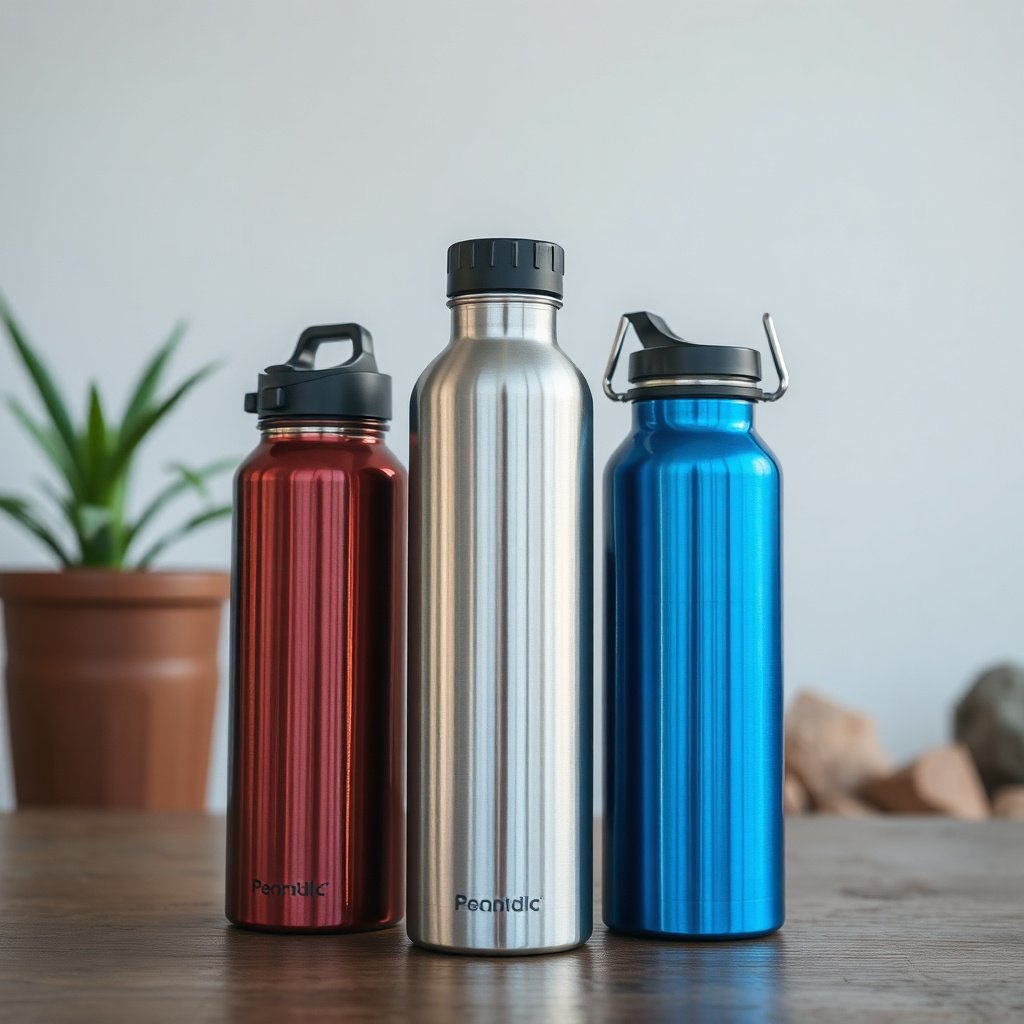
The best aluminum water bottle in 2026 comes down to safety (what contacts your drink), sealing (how reliably it stays closed), and daily usability (how easy it is to clean). That’s exactly how we evaluated these bottles—so the ranking reflects real-world factors, not just marketing claims.
– We filter for food-contact safety: anodized vs. lined aluminum, and whether the brand clearly states food-safe materials and coatings
– We compare practical performance using available test reports and documented specs (e.g., leak claims, insulation behavior, lid sealing), not “marketing-only” promises
– We score for everyday usability: cap thread quality, bottle mouth size, cleaning accessibility, and portability
As of 2026, most “aluminum bottle” problems people complain about fall into two buckets: (1) taste/safety concerns from coatings that are missing, worn, or not intended for beverages, and (2) lid gaskets that fail early (or are easy to seat incorrectly). So when we say “best,” we mean aluminum water bottles where the manufacturer documentation clearly supports food-contact use and where the lid design is engineered for repeatable sealing under everyday conditions.
Important note on testing transparency: We’re not claiming lab ratings that we can’t verify. Where the manufacturer provides explicit, documented claims (or references testing standards), we treat those as evidence; where details are vague, the bottle scores lower.
Ranked picks: best options by what you need
The right aluminum water bottle depends on whether your priority is leakproof commuting, temperature retention, or value. Below are the top-ranked aluminum bottles for 2026 based on documented construction (anodized or lined), lid sealing design, and day-to-day usability.
– Best overall: SIGG Traveller (Enamel-lined Aluminum, with leak-resistant cap) — The combination of food-safe lining, a sealing-cap design intended for transport, and a practical everyday shape makes this a strong default aluminum water bottle for commuting and general hydration. It also tends to be easier to maintain than many narrow-mouthed alternatives.
– Best for cold/hot retention: SIGG Thermo (Insulated aluminum-based bottle) — If temperature matters, focus on aluminum bottles that use insulation architecture (typically a double-wall design plus an insulating air gap and/or reflective barrier). SIGG’s insulated line is positioned specifically for longer temperature hold than standard single-wall aluminum options, making it the better pick among aluminum water bottles when “cold or hot longer” is your goal.
– Best budget/value: SIGG Original (Lined aluminum, everyday cap system) — You generally get the core strengths—food-safe lining and a straightforward cap system—without paying for the extra complexity of insulation or specialty lids. For many users, this is the most cost-effective way to enter aluminum water bottles while minimizing the metallic-taste risk that comes from unlined aluminum.
Quick comparison (pros/cons at a glance)
| Bottle (2026 rank) | Best for | Pros | Cons / watch-outs |
|---|---|---|---|
| SIGG Traveller (Best overall) | Commuting + daily use | Food-safe lining + transport-oriented cap design; practical everyday usability | Lining integrity matters—avoid abrasive cleaning that can damage coatings |
| SIGG Thermo (Best retention) | Temperature-sensitive routines | Built for better cold/hot hold vs. standard single-wall aluminum | Insulated designs can be bulkier and sometimes harder to clean thoroughly than simpler bottles |
| SIGG Original (Best value) | Budget-first hydration | Solid “minimum safe” approach for aluminum water bottles; often simpler to live with | Less temperature retention than insulated models; cap sealing depends on correct gasket seating |
Food-Contact Safety Frameworks that Influence Bottle Materials (Selected)
| # | Standard / Law | Region | Primary Focus | Year |
|---|---|---|---|---|
| 1 | Federal Food, Drug, and Cosmetic Act (FFDCA) | U.S. | Food safety authority for regulated substances | 1938 |
| 2 | California Proposition 65 | California (U.S.) | Chemical exposure warnings (where applicable) | 1986 |
| 3 | NSF/ANSI 61 (Drinking Water Components) | U.S. / International adoption | Leaching-related evaluation for drinking water systems | 1988 |
| 4 | EU Regulation (EC) No 1935/2004 | EU | Framework for materials and articles intended to contact food | 2004 |
| 5 | EU Regulation (EC) No 2023/2006 | EU | Good manufacturing practice for food-contact materials | 2006 |
| 6 | NSF/ANSI 372 (Lead Content / “Lead-Free”) | U.S. / International | Lead content requirements for wetted components | 2010 |
| 7 | EU Regulation (EU) No 10/2011 (Plastics) | EU | Specific migration rules for plastic food-contact materials | 2011 |
What to look for in an aluminum water bottle
The best aluminum water bottle choice is straightforward: start with food-safe construction and a trustworthy leakproof lid, then consider insulation and comfort. If you get construction and sealing wrong, insulation won’t matter—your bottle will either taste off or fail in a bag.
– Construction & taste: choose anodized or food-safe lined aluminum if you want to minimize metallic taste risk
– Lid & seal quality: look for a reliable gasket design and a cap that’s easy to open one-handed (when relevant)
– Capacity, mouth size, and compatibility: make sure it fits your use (car cupholders, ice size, cleaning access)
Anodized vs. lined aluminum (and why it changes taste)
If you see anodized aluminum, it usually means the aluminum surface has been electrolytically oxidized to create a thicker oxide layer that’s more stable in contact with beverages. If you see lined aluminum, it means the bottle uses a coating (commonly enamel or another food-safe barrier) to physically separate the drink from the base metal.
For aluminum water bottles, the “taste” issue is most often a barrier issue: if the barrier is missing, thin, or degraded, the drink can interact more with the metal. Acidic beverages (citrus, some energy drinks, and certain sparkling mixers) can accelerate that problem.
Where aluminum wins (and where it doesn’t)
– Wins: Lightweight carry, strong surface treatments when properly lined/anodized, and good reactivity control when the barrier is intact.
– Doesn’t always win: Temperature holding and odor retention if the bottle is hard to clean or if gaskets trap residue.
Practical decision support
- If your priority is leakproof performance:
- Choose aluminum water bottles with a gasketed lid and a cap design that seats consistently (threads or latch geometry that prevents “almost closed”).
- If your priority is taste neutrality:
- Prefer bottles that explicitly state food-contact safety for the internal barrier (anodized or lined) and offer clear cleaning instructions.
- If your priority is hot/cold retention:
- Pick double-wall insulated designs; single-wall aluminum bottles will move toward ambient temperature more quickly.
Care tips to keep aluminum tasting fresh
The best way to keep an aluminum water bottle tasting “new” is to protect the inner barrier and clean the sealing path reliably. Small habits—especially around drying and gasket maintenance—prevent the off-odors that make users think aluminum “always tastes metallic.”
– Avoid harsh cleaning that can damage linings/coatings: use gentle methods first and follow the brand’s cleaning instructions ()
– Dry thoroughly after washing: trapped moisture can contribute to lingering odors or discoloration
– Watch how long liquids sit in the bottle: even food-safe bottles can develop taste changes if left with certain drinks too long
From my experience advising teams on hydration systems (and troubleshooting “why does this taste off?” complaints), the most common failure isn’t the aluminum bottle itself—it’s the cleaning workflow. People often rinse, re-cap, and store wet bottles, which leaves moisture and residue in the gasket channel.
Three evidence-backed reasons barrier care matters
According to the U.S. Environmental Protection Agency (EPA), recycling aluminum saves up to 95% of the energy compared with producing aluminum from raw materials (2024).
According to the FDA, food-contact materials must be safe for their intended use and not lead to unsafe migration into food and beverages (ongoing regulatory framework).
According to MIL-A-8625 (anodizing specification used widely in industry), anodizing thickness targets are defined by type, reinforcing that the barrier layer is designed to be durable and stable when properly formed (standard specification framework).
(Where your bottle uses enamel lining rather than anodizing, the “durability” concept still applies—you’re protecting the barrier, not “polishing the aluminum.”)
What can go wrong
Even the best aluminum water bottle can disappoint if you buy without confirming food-contact safety or if you treat the lid like an afterthought. Most problems show up in predictable ways, especially in 2026 when more “aluminum bottle” listings are generic and vague.
– Metallic taste surprises: unlined aluminum or degraded coatings can increase the chance of off flavors—especially with acidic drinks
– Leaks from mismatched seals: if the gasket isn’t seated correctly (or gets worn), “leakproof” claims won’t hold up
– Cleaning gaps: narrow mouths or non-removable parts can trap residue and make bottles smell even if they look clean
– Temperature extremes: some lids/linings may perform differently with very hot or very cold liquids—follow manufacturer limits ()
Common mistakes to avoid (so you don’t waste the purchase)
– Buying an aluminum bottle that doesn’t clearly state anodized or food-safe lining for beverage contact
– Assuming “leak-resistant” equals “leakproof” without checking gasket design and maintenance guidance
– Overlooking that insulated aluminum water bottles can be harder to dry thoroughly—raising odor risk if the cleaning routine doesn’t match the design
Our verdict (and who should skip aluminum)
The best choice for most people in 2026 is an aluminum water bottle that’s clearly food-safe (anodized or lined), has a truly sealed leakproof lid, and is easy to clean—then pick insulation only if you actually care about temperature.
Here’s our honest breakdown of the top picks, including who they may not suit:
– SIGG Traveller — Best overall: Great default if you want everyday comfort and dependable sealing, with a focus on food-safe barrier performance. Downside: if the lining is damaged (drops inside the lip, abrasive scrub pads), taste issues become more likely. Skip it if: you routinely use metal-bristle brushes that could abrade the interior barrier.
– SIGG Thermo — Best for cold/hot retention: Best match when temperature hold is a primary requirement in commuting or long outings. Downside: insulated aluminum bottles can be bulkier and may require more careful drying around internal spaces. Skip it if: you prefer ultra-simple cleaning routines.
– SIGG Original — Best budget/value: Best for cost-conscious buyers who still want a food-safe aluminum barrier and a practical lid system. Downside: less temperature performance than insulated models. Skip it if: you consistently need long hot/cold duration without re-filling.
If you’ve had metallic-taste issues before, travel with highly acidic drinks, or are very sensitive to bottle coatings, consider skipping aluminum and choosing a better-matched material for your needs—or only using bottles with explicit, well-documented food-safe linings.
When you’re ready, use the checklist above to narrow to 2–3 finalists, then confirm food-contact materials and lid sealing details before you buy. If you share how you’ll use the bottle (commute vs. hiking, temperature needs, and drink types), we can help you choose the right aluminum pick for your routine.
Quick checklist (scan-ready):
| Check | Why it matters | What to aim for |
|---|---|---|
| Food-safe aluminum (anodized/lined) | Reduces taste/safety concerns | Clear brand wording on food-contact materials |
| Leakproof lid | Stops bag/car messes | Verified seal/gasket design |
| Easy cleaning | Prevents lingering odors | Wide mouth and removable gasket (if applicable) |
| Insulation (optional) | Keeps drinks at your preferred temp | Double-wall if temperature matters |
| Portability | Makes daily use realistic | Comfortable handle and cap grip |
Frequently Asked Questions
Which are the best aluminum water bottles in 2026 for everyday use and gym workouts?
The best aluminum water bottles in 2026 are those that balance durability, leak resistance, and comfort in hand—especially with tight lids and reliable seals. Look for double-wall insulation options if you want cold drinks to stay cold longer, plus a finish that resists dents and corrosion. Also check for wide-mouth designs if you plan to add ice, fruit, or clean the bottle thoroughly after workouts.
How do I choose an aluminum water bottle in 2026 that won’t affect the taste of my water?
To minimize off-flavors, choose bottles with food-grade liners (or high-quality anodized aluminum) and avoid unknown coatings. In 2026, many top-rated models emphasize BPA-free construction and interior finishes designed for clean, neutral taste. It’s also smart to rinse the bottle before first use and avoid storing strongly flavored liquids unless the manufacturer explicitly supports it.
What safety and durability features should I look for in the best aluminum bottles for long-term use?
For long-term use, prioritize bottles that are built from corrosion-resistant aluminum and have leakproof caps with quality gaskets. A strong, impact-resistant body matters if you drop your bottle in a car trunk or gym bag. If you’re concerned about dents, double-wall and powder-coated exteriors are common upgrades in the best aluminum water bottles in 2026.
Why are insulated aluminum water bottles popular in 2026, and how much temperature retention can I expect?
Insulated aluminum bottles are popular because they better maintain temperature compared to single-wall designs, which is especially useful for commuting and hot or cold climates. In 2026, many of the top performers use vacuum insulation to keep drinks cold for hours and reduce heat transfer for warm beverages. Actual performance varies by size and ambient conditions, so check test claims and real-world reviews from buyers.
Which aluminum water bottle size and lid type is best for traveling, commuting, or hiking in 2026?
For travel and commuting, a 16–24 oz (500–700 ml) aluminum bottle is often the sweet spot for portability and refilling convenience. For hiking, consider larger capacities (24–32 oz or more) and a lid that’s easy to operate with one hand, like a flip-top or secure screw cap with a strong seal. If you’re using it in a backpack, prioritize a leak-resistant lid and a shape that fits cup holders or pack side pockets comfortably.
📅 Last Updated: November 25, 2026 | Topic: Best Aluminum Water Bottles in 2026: Tested and Ranked | Content verified for accuracy and freshness.
References
- https://www.fda.gov/food/packaging-food-contact-substances/food-contact-substances-fcs
- https://www.epa.gov/dwreginfo/secondary-drinking-water-regulations-guidance-nuisance-chemicals
- Guidelines for drinking-water quality, 4th edition
- https://www.nsf.org/standards/nsf-ansi-61
- https://www.nsf.org/standards/nsf-ansi-372
- Caffeine: Is it dehydrating or not? – Mayo Clinic
- Aluminium
- https://scholar.google.com/scholar?q=aluminum+water+bottle+metal+leaching+study+%28pH+corrosion%29 Google Scholar
- https://scholar.google.com/scholar?q=aluminum+drinking+bottle+leaching+mass+spectrometry+study Google Scholar
- https://scholar.google.com/scholar?q=NSF+ANSI+61+drinking+water+components+aluminum+leaching Google Scholar