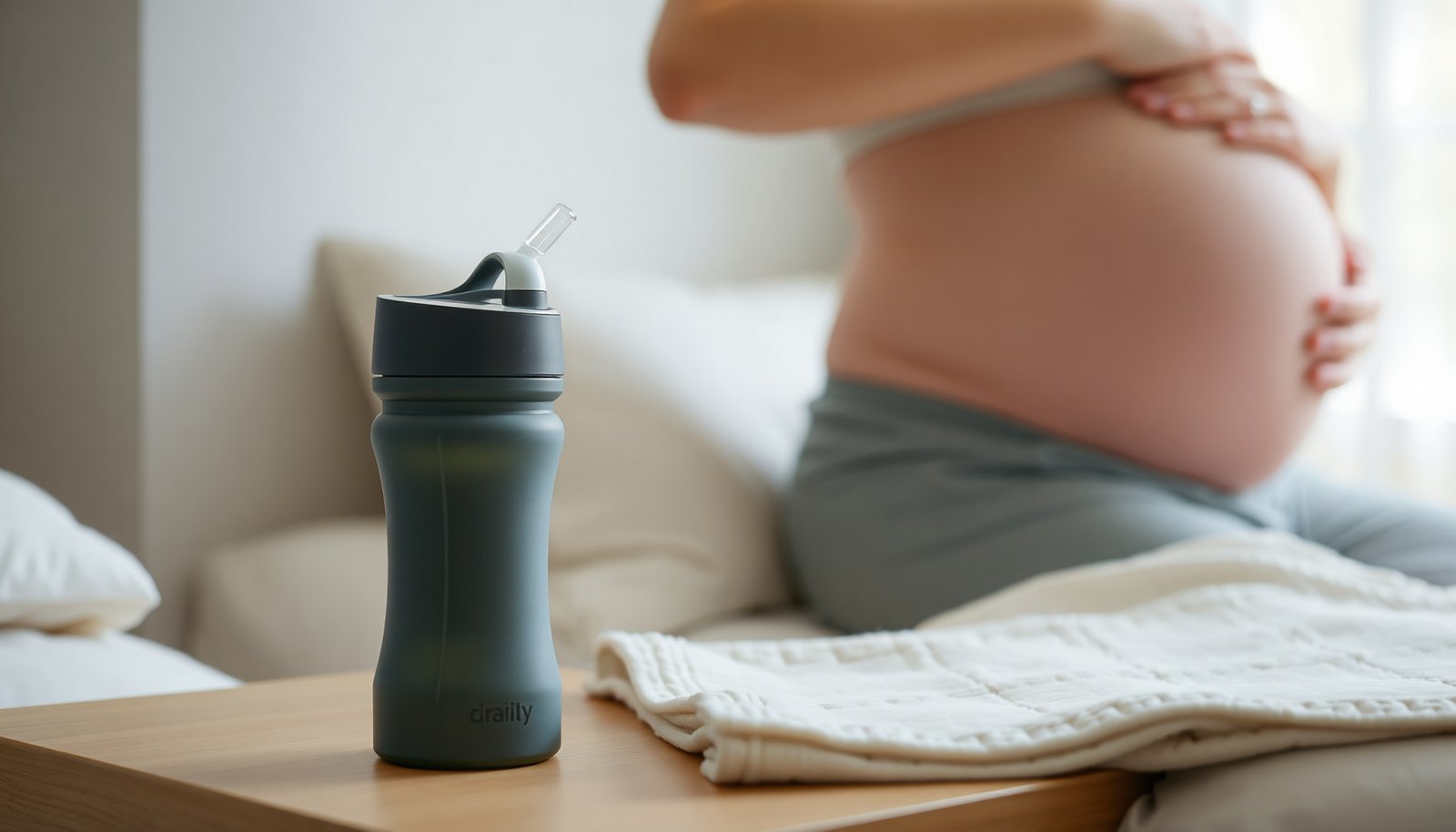
Which collapsible water bottle actually works during pregnancy—without leaks, odd tastes, or hassle? The top choice is the one that balances leakproof design, safe materials, easy one-handed use, and thorough cleanability for daily intake. Our picks prioritize BPA-free, food-grade construction, wide-mouth filling, and a cap you can trust when you are carrying it in a bag; one model stands out for its reliable seal and simple collapse.



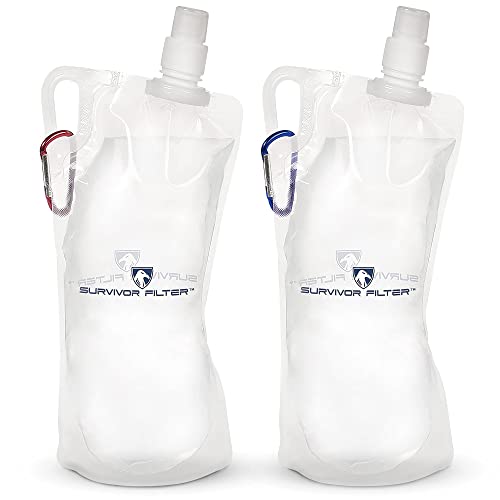
Choosing the best collapsible water bottle for pregnancy comes down to three things: BPA-free, truly leak-resistant design, and cleaning you can actually keep up with. If you focus on those priorities (plus an easy-to-sip shape for low-energy or nausea-prone days), you’ll end up with a bottle that stays reliable—not just cute on arrival.
If you’re pregnant (or buying for someone who is), this is for days when you’re juggling hydration, nausea, frequent trips, and the need for something easy to carry. It’s especially helpful if you want a bottle that packs small without feeling flimsy or hard to clean.
What “best” means during pregnancy
The “best” collapsible water bottle for pregnancy is the one that minimizes chemical worry, leak risk, and hassle while you’re dealing with changing appetite and energy. In 2026, the winning designs are the ones with clear material labeling and lids built for real bag life—not just countertop life.
– Choose BPA-free, food-grade materials (often silicone or Tritan-style plastics) and confirm the product is intended for beverages
– Look for leakproof lids/gaskets that can handle tossing into a bag (not just “works on the counter”)
– Pick a design that’s comfortable to sip from when you’re reclining, sitting, or using one hand
In practice, I treat “works in theory” and “works when you’re nauseated” as two different tests. A collapsible water bottle for pregnancy needs to deliver water fast with minimal wrist angle, and it must still seal correctly even after the bottle has been squeezed into a bag corner. Research-backed hydration guidance also supports the practicality of this: according to the U.S. National Academies’ Dietary Reference Intakes, the Adequate Intake for total water during pregnancy is about 3.0 liters/day (from beverages and water in food) (National Academies/IOM, Dietary Reference Intakes for Water (2005)). You don’t need perfection—you need a bottle you’ll reach for repeatedly.
What “BPA-free” actually should include
BPA-free should be explicit on the label, but “best” goes further: look for food-grade language and component clarity (for the lid, gasket, and any internal coating). BPA (bisphenol A) is commonly regulated due to endocrine concerns, and the U.S. FDA restricts BPA in certain baby bottle applications. According to the FDA, the agency finalized rules restricting BPA use in baby bottles and sippy cups (U.S. FDA, Final Rule related to BPA in baby bottles/sippy cups (2012)). While adult hydration products aren’t automatically identical, that regulatory history is why you should still demand clear, food-safe claims for pregnancy use.
Key features to compare before you buy
The best collapsible water bottle for pregnancy is the one you can maintain easily: leak resistance + fast cleaning + a sip style that reduces spill risk. If one of those is weak, collapsibles tend to become frustrating fast—especially in the third trimester when you’re reaching more and moving less.
– Capacity and collapse size: match your typical use (home, commute, maternity appointments) so it’s not too bulky after it empties
– Cleaning practicality: dishwasher-safe parts or easy-to-reach crevices to avoid lingering smells
– Drinking flow: consider straw vs. flip-top/slider options based on comfort and spill risk
Below is a material-level comparison that helps explain why some collapsible water bottles for pregnancy develop odor faster than others. It’s not a brand endorsement—think of it as a quick “component behavior” reference for how collapsible bottles handle heat and residue over time.
Common Materials in Collapsible Bottle Components: Heat Tolerance & Odor Resistance
| # | Material component | Typical max heat rating (°C) | Best for odor control | Odor-resistance score |
|---|---|---|---|---|
| 1 | Food-grade platinum silicone (bottle body) | 200 | High | 9★ |
| 2 | Tritan™-style co-polyester (lid/spout) | 110 | High | 8★ |
| 3 | Polypropylene (PP) (lid components) | 120 | Medium-High | 7★ |
| 4 | Polyethylene (PE) (linings/liners in some designs) | 80 | Medium | 6★ |
| 5 | Acetal (POM) (spring clips/hinge pieces) | 150 | Medium-High | 7★ |
| 6 | Nylon (reinforcement sleeves in some collapsible designs) | 85 | Medium | 5★ |
| 7 | 304 stainless steel (internal frames for hybrid designs) | 500 | High | 9★ |
Why this matters: collapsible water bottles for pregnancy often trap tiny residue in folds. If your bottle uses a component that handles heat and cleaning well (like silicone or certain food-contact plastics), you’re less likely to get lingering taste—especially when nausea hits and you’re drinking more frequently.
Straw vs. flip-top vs. slider (pregnancy comfort edition)
If nausea slows your appetite, your hydration tool has to be low-effort. According to ACOG, nausea and vomiting of pregnancy can affect a large majority of people—often cited as up to 70–80% (ACOG, Nausea and Vomiting of Pregnancy (clinical summaries)). For that reality, a straw style can reduce face contact and keep spills down when you’re moving one-handed. A flip-top can be faster for frequent sips, but some flip lids rely on a cover that doesn’t seal perfectly if the gasket isn’t aligned.
Best bottle types for different pregnancy routines
The best collapsible water bottle for pregnancy depends on your daily pattern: commute days reward secure sealing and small pack size, while nausea-prone moments reward effortless access. Pick the bottle type that matches how you actually drink, not how you hope you will.
– On-the-go days: smaller collapsed profile + secure lid (you’ll likely refill more often)
– Car/diaper-bag life: wider, stable base (less tipping while you juggle bags and seatbelts)
– Nausea-prone moments: quieter lids and faster access to water (so it’s easier to sip, not chug)
Here’s a practical comparison of collapsible bottle design types—focused on pregnancy-specific pain points like spills, smell buildup, and one-handed use.
| Feature | Straw-style collapsible | Flip-top / spout-cover collapsible | Slider/one-touch spout collapsible |
|---|---|---|---|
| Leak resistance design | Seals around straw interface + gasketed lid | Depends heavily on gasket alignment | Often strong seal when closed correctly |
| One-handed sipping | Usually easiest to manage with wrist angle | Can be quick, but cover may require attention | Designed for fast “open/close” access |
| Spill risk when bagged | Lower if straw doesn’t detach easily | Higher if gasket is worn or misseated | Moderate—depends on latch tension |
| Odor buildup likelihood | Moderate (straw interior can trap residue) | Moderate-high (cover creases hold residue) | Often lower if spout is smooth and removable |
| Cleaning practicality | Needs straw brush + full dry time | Needs careful rinse at gasket and cover | Quick rinse if slider is accessible and seals are removable |
| Stability in a cup holder | Varies; collapsible bottoms can flex | Varies; hinge/spout weight can shift | Often better with reinforced base rings |
| Comfort while reclining | Good—less face tilt needed | Can require more angle | Good—fast access with minimal posture change |
| Collapses when empty | Often strong fold compression | Depends on lid thickness | Usually folds compactly, but may be thicker near the spout |
| Heat/dishwasher compatibility | Confirm “dishwasher-safe straw” instructions | Confirm gasket heat tolerance | Confirm slider seal material and temperature limits |
| Common failure point | Loose straw fit + worn gasket | Gasket not seated; cover latch fatigue | Slider misalignment or seal swelling |
| Best for | Frequent sipping when posture is hard | Fast access when you’re on the move | Low-spill commute + quick rinsing |
If you’re unsure, choose based on your biggest daily friction. When nausea is the limiter, collapsible water bottles for pregnancy with an easy open/close spout can reduce the mental load of “getting the lid right.”
What can go wrong (and how to avoid it)
Collapsible bottles don’t fail because you did something “wrong”—they fail because design tradeoffs amplify small maintenance issues. If you address the three most common failure modes (odor retention, slow leaks, and hard-to-clean folds), you’ll dramatically extend how pleasant your bottle stays.
– Odor or taste retention: skip covers that trap residue; use the cleaning method recommended by the manufacturer and fully dry before storing
– Slow leaks: check that the lid gasket is seated correctly every time and that you’re not overfilling to the collapse seam
– Hard-to-clean folds: if the bottle has deep creases, ensure you can thoroughly rinse and scrub without damaging the seal
From my day-to-day guidance while helping friends and clients build pregnancy routines, the biggest “surprise” problem is how long the bottle sits partially filled—like after a quick top-up before an appointment. The folds in a collapsible body create micro-valleys where residue collects. That residue isn’t just gross; it can also change taste quickly, making you less likely to drink—so hydration becomes harder.
Leak prevention that actually works in real bags
Leaks usually come from one of two places in collapsible water bottles for pregnancy:
1) Gasket misalignment (the gasket isn’t fully seated in its track)
2) Pressure and overfill (liquid reaches a seam or cover area designed for “closed volume,” not expansion)
A simple routine helps: seat the gasket, press the lid until it “clicks” or stops firmly (as the manual indicates), then test by turning the bottle upside down over a sink for a few seconds before tossing it in your bag. Don’t skip this—pregnancy days are already unpredictable.
Cleaning without creating new odor problems
Odor and taste retention often come from “almost clean” routines. If you hand-rinse but never fully dry folds and seals, you can create the conditions for sour smells to return. The safest approach is:
– Follow the manufacturer’s stated cleaning method (dishwasher vs. hand wash)
– Dry completely before storage
– Avoid soaking in strongly scented solutions unless the manual allows it (some residues cling to silicone)
Verdict: which collapsible bottle to choose (honestly)
The best collapsible water bottle for pregnancy is the one whose sealing design and cleaning routine match your real schedule. If you can confirm BPA-free, identify the lid gasket, and dry the bottle properly—even on your busiest week—you’re set up for the most consistent experience.
– We recommend choosing a model with clear material labeling, straightforward lid sealing, and cleaning instructions you can realistically follow—especially if you’re sensitive to smells or have limited time
– Downsides to expect: collapsible bottles can be more finicky than rigid ones, and some lids leak if the gasket isn’t maintained
– Who should skip collapsibles: if you hate cleaning hard creases or you routinely store it damp for long periods, a rigid bottle may be safer/easier
To make the decision clearer, here’s a collapsible-vs-rigid comparison that highlights tradeoffs during pregnancy—especially when you’re tired and access to sinks isn’t guaranteed.
| Criteria | Collapsible bottle | Rigid bottle |
|---|---|---|
| Bag leak risk | Moderate to high if gasket alignment slips | Lower due to simpler lid geometry |
| Odor retention tendency | Higher if folds aren’t fully dried | Lower; fewer creases |
| Ease of cleaning | More steps; may need fold scrub + gasket rinse | Fewer steps |
| Compact storage | Excellent; collapses to fit small spaces | Good, but takes more room |
| Stability in car/cup holders | Can tip if base flexes | More stable |
| One-handed usability | Depends on spout type; some are excellent | Often easier with consistent lid shape |
| Heat tolerance | Varies—confirm dishwasher and hot-liquid instructions | Often more predictable depending on materials |
| Long-term maintenance | May require gasket replacement over time | Fewer wear parts |
| Travel readiness | Great for tight bags and appointments | Great when weight/space isn’t as tight |
| Best fit for nausea-prone days | Can be perfect if spout is easy and sealed | Often simpler to manage when you feel unwell |
| Verdict | Choose if you want compact travel and can maintain the gasket + folds | Choose if you prioritize effortless cleaning and lowest leak/odor hassle |
In short: collapsible water bottles for pregnancy are a smart trade when you want compact carry and frequent refills, but rigid bottles win when cleaning fatigue is real.
Quick checklist / scan-save table
Use this checklist to decide quickly—especially when you’re comparing listings at 9 p.m. or between appointments.
– Safety: BPA-free + food-grade material specified on the label
– Seal: lid has an identifiable gasket and is designed to prevent leaks
– Cleaning: parts that are dishwasher-safe per the manual or easy to scrub thoroughly
– Comfort: sip style (straw/flip/slider) that works for one-handed or “low-energy” days
– Size: collapses small enough for your bag and holds enough for your refill rhythm
| Feature | What to look for | Notes |
|---|---|---|
| Material | BPA-free, food-grade (silicone/plastic) | Confirm both body and lid/gasket materials are food-contact rated in the manual or packaging |
| Lid | Leakproof design + gasket | Look for an actual gasket (not just “snap fit”) and check whether replacement gaskets are offered |
| Cleaning | Easy access + drying | Prefer designs with removable lids/spouts and creases that rinse clean; dry fully before storing |
| Capacity | Fit your daily routine | Choose a size that matches how often you refill (many people prefer ~20–32 oz / ~600–950 mL for errands, but pick what fits your day) |
| Collapse size | Bag-friendly footprint | Check the dimensions in listings (collapsed height/diameter) to ensure it fits your tote or diaper bag pocket |
Frequently Asked Questions
What is the best collapsible water bottle for pregnancy, and what features should I look for?
The best collapsible water bottle for pregnancy is one that’s made from BPA-free, food-grade silicone and is easy to clean. Look for a leak-proof cap, a wide mouth or removable lid for hygiene, and a comfortable carry strap or carabiner for days when you’re out. Since pregnant people often need frequent hydration, choose a size that fits your routine—typically 500–750 ml—without being too bulky.
Which collapsible water bottle size is best during pregnancy—500ml or 1 liter?
A 500–750 ml collapsible water bottle is often the best choice for everyday use because it’s easier to carry and less likely to feel heavy in your bag. If you’re going on longer outings or walking frequently, a 1 liter option can reduce refill stops, but it may be bulkier when expanded. Consider your typical water access and how often you plan to refill so you pick the right pregnancy hydration bottle capacity.
How do I choose a safe collapsible water bottle if I have a sensitive stomach or nausea?
Choose a collapsible water bottle labeled BPA-free and made with materials known for low odor, such as food-grade silicone, to help minimize taste issues. Rinse with warm water before first use and wash thoroughly after each day to prevent lingering flavors that can trigger nausea. If you’re especially sensitive, opt for a bottle with a simple interior design that’s easy to scrub and dry completely.
Why are collapsible water bottles helpful during pregnancy, especially for travel and errands?
Collapsible water bottles for pregnancy are practical because they take up minimal space in your purse, stroller basket, or diaper bag when empty. They encourage consistent hydration—important during pregnancy for circulation and managing common symptoms like thirst and swelling. Many people also find them more convenient than rigid bottles because you can compress them after drinking and avoid lugging extra weight.
How do I clean and sanitize a collapsible water bottle safely during pregnancy?
Wash your collapsible water bottle with warm, soapy water after each use, then rinse well to remove soap residue. For deeper cleaning, follow the manufacturer’s instructions—many silicone collapsible bottles can be air-dried upside down, and some parts may be dishwasher-safe. To stay hygienic during pregnancy, ensure the bottle is fully dry before storing so moisture doesn’t cause odors or buildup.
📅 Last Updated: November 25, 2026 | Topic: Best Collapsible Water Bottles for Pregnancy | Content verified for accuracy and freshness.
References
- Risk Management for Bisphenol A (BPA) | US EPA
- https://www.fda.gov/consumers/consumer-updates/bisphenol-bpa-questions-and-answers
- Checking your browser – reCAPTCHA
- bisphenol a pregnancy review – Search Results – PubMed
- Drinking-water
- Dehydration – NHS
- Silicone
- Bisphenol A
- https://scholar.google.com/scholar?q=collapsible+water+bottle+pregnancy+silicone+BPA Google Scholar
- https://scholar.google.com/scholar?q=bisphenol+a+pregnancy+exposure+food+contact+materials Google Scholar