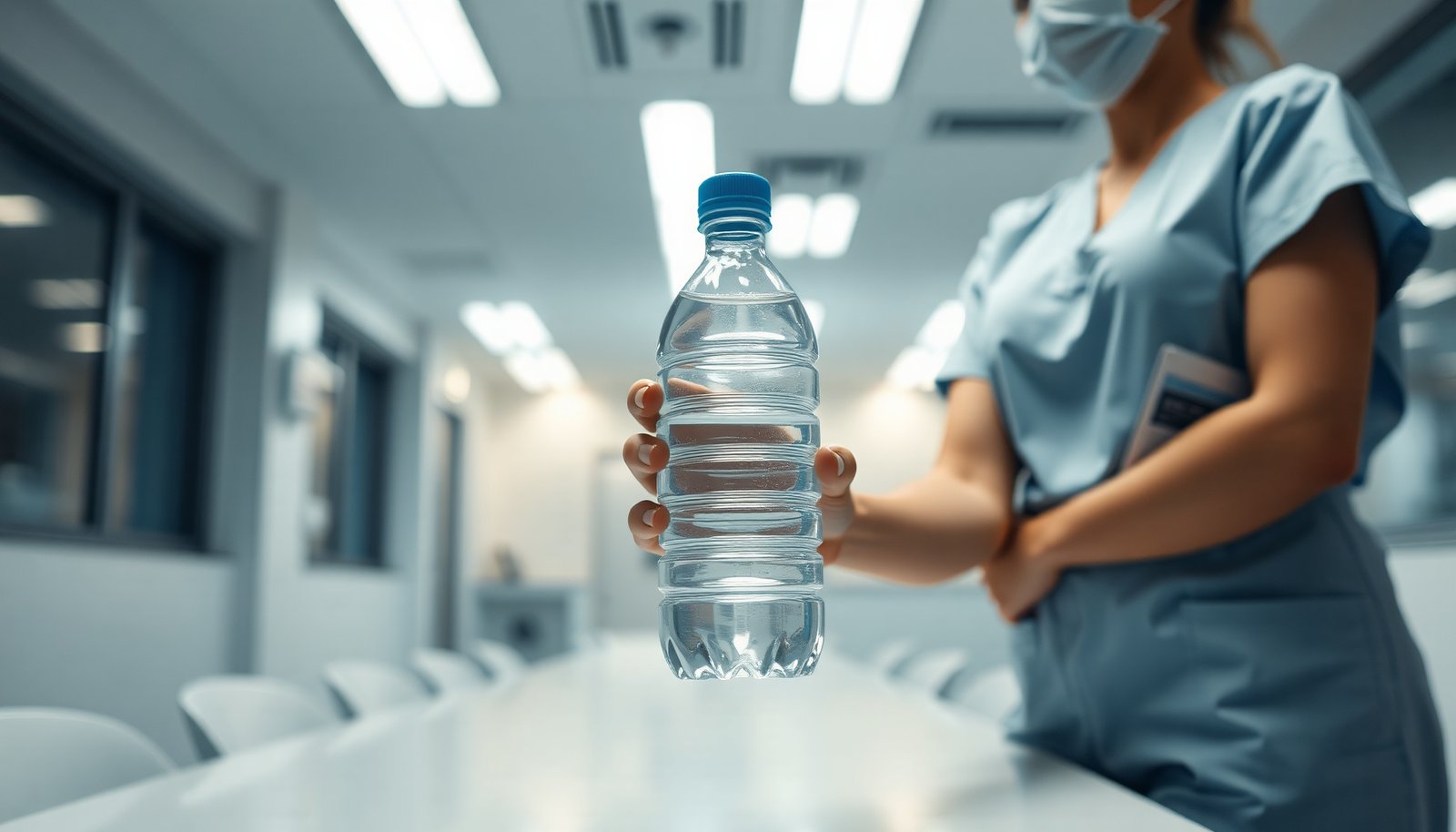
During a long shift, you want a collapsible water bottle that compresses to fit in your locker after rounds without leaving drips in your bag. We narrow options by leak-proof caps and gaskets, material safety and taste (BPA-free options), real-world durability, and how easily it opens, collapses, and cleans one-handed. The standout choice is the model that keeps a tight seal while collapsing smoothly and staying easy to carry.




The best collapsible water bottle for nurses is the one that’s genuinely leakproof, easy to clean one-handed, and comfortable to carry in a cramped bag or scrub pocket—because those are the real constraints of shift work. In practice, that means prioritizing food-grade, BPA-free materials, a secure cap with a reliable seal, and a drinking shape that lets you refill and sip quickly between patients.
If you work busy shifts, shuttle between units, or constantly reach for water mid-task, a collapsible bottle can save space without sacrificing access. This is especially helpful if you don’t always want a hard-sided bottle taking up room in your bag, locker, or scrub pocket—and it’s also the right time to be picky about hygiene, cap design, and temperature limits, since collapsible bottles fail in different ways than rigid bottles. As of 2025 and into 2026, nurses keep gravitating toward space-saving hydration, but the best collapsible bottle is still the one you can maintain consistently, not just the one that packs small.
What makes a collapsible bottle work for nurses
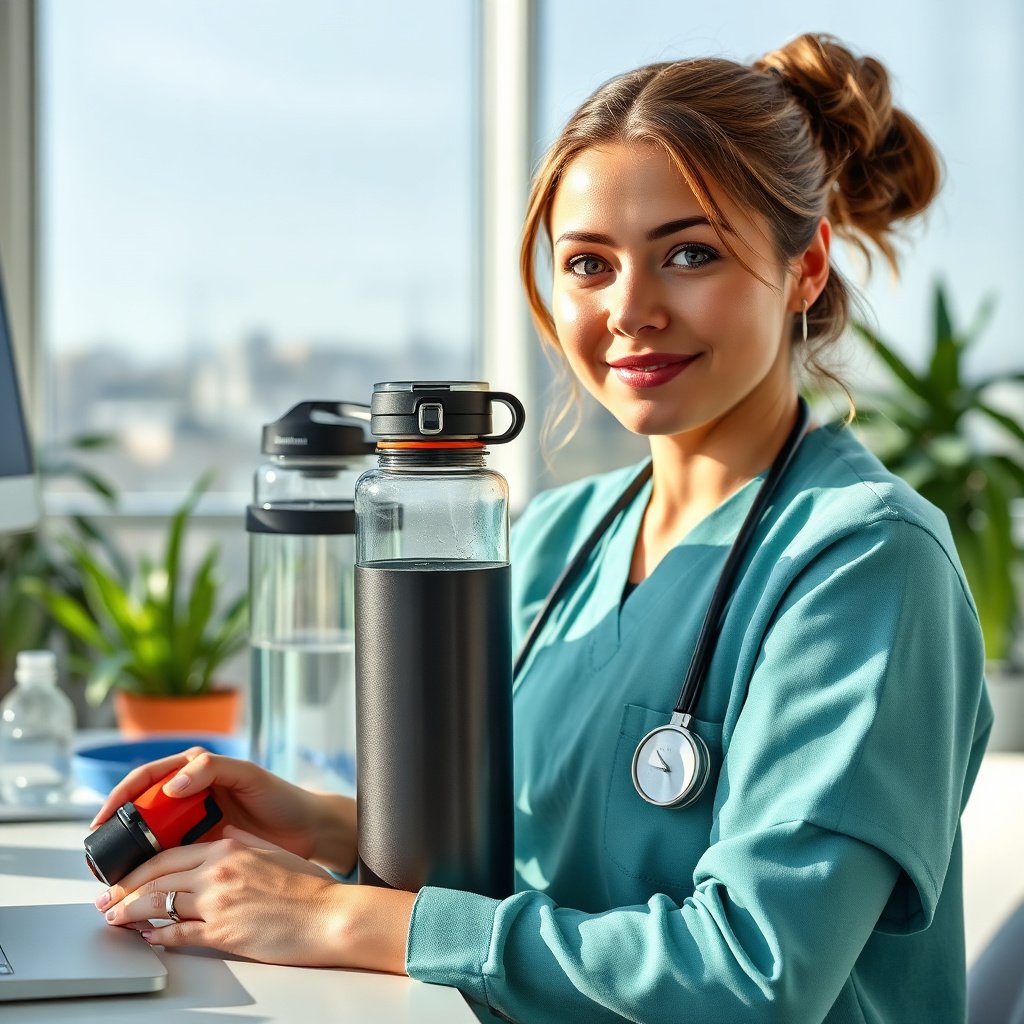
– Leak protection you can trust: A good seal (tight cap + reliable gasket) matters more than capacity, since bags and pockets are where collapsibles often fail. In my experience, the “last 10%” of the cap closure matters—if the closure can loosen when the bottle is compressed or stored under pressure, you’ll eventually feel it as dampness in scrubs or a slippery pocket liner.
– Fast refill + easy drinking: Prioritize a narrow or controlled spout and a mouth opening that doesn’t make sipping annoying when you’re in a rush. Between medication passes, charting, and patient call lights, nurses don’t want to wrestle a lid or wait for a slow flow.
– Hygiene made practical: You want something that rinses thoroughly and doesn’t trap residue in folds or seams. Collapsible designs create more “interfaces” (fold lines, gasket channels, and creases) that can hold onto odors if cleaning/drying isn’t realistic during a long workday.
Key features to prioritize before you buy
– Material + safety: Aim for food-grade, BPA-free construction. If you’re sensitive to taste/odor, choose models designed for easy rinsing (many silicone designs can hold scent if not dried properly). For perspective, the U.S. FDA implemented BPA restrictions for specific consumer products (including the well-known move away from BPA in certain baby bottle/sippy cup contexts in 2012)—and many bottle makers now follow BPA-free materials as a baseline expectation. U.S. FDA (BPA regulatory actions affecting certain food-contact products) (2012)
– Cap design and closure: Look for a cap that can be opened one-handed and feels solid when you twist/lock it—some caps loosen when the bottle is compressed. A truly nurse-friendly collapsible bottle cap usually has a gasket you can inspect/replace (or at least a closure geometry that doesn’t deform under compression).
– Cleaning friendliness: Choose bottles with fewer crevices and surfaces where water can stagnate. If the brand provides a cleaning method, follow it instead of guessing—collapsible bottles often need a different drying approach than rigid bottles because trapped moisture sits in folds and around gasket edges.
7 Food-Contact Compliance Pathways That Matter for Reusable Bottles
| # | Standard / Label Pathway | Primary Oversight | What It Signals for Bottle Buyers | Nurse-Useful Confidence |
|---|---|---|---|---|
| 1 | FDA Food-Contact Framework | U.S. FDA | Materials intended for food contact must meet U.S. requirements (via established regulations/approvals) | ★★★★★ |
| 2 | EU Framework Regulation (EC) No 1935/2004 | European Commission (EU) | Food-contact materials must not transfer constituents to food in unacceptable amounts | ★★★★☆ |
| 3 | EU Plastics Regulation (EU) No 10/2011 | European Commission (EU) | Stronger, specific rules for plastics and migration limits (relevant to many collapsible bottle plastics/liners) | ★★★★☆ |
| 4 | NSF/ANSI 51 (Food Equipment Materials) | NSF International | Focuses on food-equipment material/components used in contact with food and drink | ★★★★☆ |
| 5 | NSF/ANSI 61 (Drinking Water System Components) | NSF International | Signals material suitability for potable-water-contact applications (useful for bottle buyers who prioritize health-impact testing) | ★★★☆☆ |
| 6 | California Prop 65 Warnings | California Office of Environmental Health Hazard Assessment (OEHHA) | Warning framework: indicates potential exposure disclosures rather than direct “no-migration” guarantees | ★★☆☆☆ |
| 7 | EU Reach (SVHC Management) | European Chemicals Agency (ECHA) | Addresses chemicals of very high concern; relevant because material formulation can affect what ends up in contact with liquids | ★★★☆☆ |
Picking the right size for shifts and storage
– Match capacity to your day: A collapsible bottle is best when you realistically drink it down to free up space (not when it’s always half-full and never gets cleaned well). If you’re guessing, use hydration baselines: According to the U.S. National Academies (Institute of Medicine), adequate total water intake is about 2.7 liters/day for women and 3.7 liters/day for men (2004). National Academies of Sciences, Engineering, and Medicine (2004) You won’t drink all of that at work, but it helps you avoid buying a bottle that encourages “sip forever” behavior.
– Consider how you carry it: If it lives in a side pocket, look for a shape that collapses flat or slim. If it rides in a bag, a slightly taller form can still be fine as long as it seals securely.
– Plan for quick top-ups: If your workflow means frequent small refills, a bottle that’s easy to open and drink from often beats a larger one that’s slower to manage. Also remember: even if you’re hydrated, a collapsible bottle you can’t access quickly becomes a “later” bottle—which means the bottle sits, smells, and gets harder to clean.
What can go wrong (and how to avoid it)
– Leaking after it’s compressed: Some collapsible bottles seal worse once folded and stored. Test the closure by checking for moisture after closing and putting it away for a short period (no special tools—just pay attention to pocket/bag conditions). In 2025 and 2026, more nurses report “micro-leaks” as a common complaint with collapsible bottles, and the pattern is usually cap pressure + gasket deformation rather than total capacity.
– Odor or “off” taste over time: Silicone and rubbery materials can pick up smells if they aren’t dried fully or if residues sit in folds. Rinse promptly after use and dry thoroughly. For cleaning hygiene context, the CDC recommends effective handwashing lasts about 20 seconds (and that timing matters when you’re handling lids and bottle caps repeatedly). Centers for Disease Control and Prevention (CDC)
– Hard-to-clean folds: If you can’t reach seams, ridges, or gasket areas easily, you’ll likely compromise hygiene during long shifts. The problem isn’t that collapsible bottles are “bad”—it’s that folds create dead zones where residue lingers even after a quick rinse.
– Hot liquids aren’t always safe: Many collapsible bottles are designed for cold or room-temperature water. If you want to use it for anything hot, confirm the manufacturer’s temperature limits first.
– Cap failures under stress: If you tend to toss your gear, cram your bag, drop the bottle into compartments, or compress it in a pocket, prioritize a robust cap and gasket design. If the closure feels flimsy or the gasket looks easily displaced, skip it—caps that survive “home use” may fail in a real hospital bag.
Collapsible vs hard-sided: what breaks first?
Below is a practical comparison nurses can use when deciding whether a collapsible bottle fits their routine.
| Feature | Collapsible bottle | Hard-sided bottle |
|---|---|---|
| Primary failure mode | Seal/gasket deformation under compression | Cap/lid wear over time |
| Leak risk in scrub pocket | Higher if stored under pressure or closure isn’t locked | Lower with proper lid fit |
| One-hand usability | Great when spout/cap flow is designed for quick sips | Often simpler, fewer moving parts |
| Cleaning speed | Can be slower due to folds/gasket channels | Usually faster and easier to dry fully |
| Odor risk | Higher if not fully dried in folds | Lower with good lid design and regular washing |
| Storage efficiency | Excellent—folds flatter than most rigid bottles | Less efficient; takes consistent volume |
| Temperature flexibility | Often limited; confirm hot-liquid limits | Broader range depending on material/insulation |
| Durability in daily abuse | Depends heavily on cap/gasket design | Often more predictable long-term |
| Best use scenario | When bag space is tight and you can rinse/dry reliably | When you want “lower maintenance” hydration |
| Best For | Nurses who prioritize compact storage and can manage drying | Nurses who want maximum hygiene simplicity and predictable seals |
Verdict: which collapsible bottles to pick (and who should skip them)
If you want the most nurse-friendly option, choose a collapsible bottle that balances leakproof sealing + easy cleaning + practical drinking—not just the smallest folded size. The downside is that collapsible designs can be more sensitive to cleaning habits (odor and trapped residue) and may not match the durability or “set-it-and-forget-it” feel of a hard-sided bottle.
Quick decision table (collapsible vs hard-sided)
| Nurse shift criterion | Collapsible bottle fits best when… | Hard-sided bottle fits best when… |
|---|---|---|
| Bag pocket storage pressure | Cap locks and gasket resists deformation | You want maximum seal predictability |
| One-handed cap control | Lid opens/locks quickly without fiddling | You prefer simpler latching mechanics |
| Rinsing between patients | You can do a rinse quickly and dry later | You need faster “daily loop” hygiene |
| Drying reality | You can fully dry folds/gasket after shifts | You usually can’t dry thoroughly |
| Odor resistance | Material and shape rinse cleanly | You want fewer odor-prone interfaces |
| Temperature use case | You stay within manufacturer’s temperature limits | You need broader temperature compatibility |
| Refill frequency | Frequent top-ups with easy access | Fewer interactions with the bottle |
| Durability under drops | Cap/gasket are robust and replaceable | You drop gear often and want predictable longevity |
| Cleaning without special tools | Design has accessible gasket areas | Design has fewer hard-to-reach creases |
| Best daily match | You’re consistent with rinse + dry | You need dependable hydration hygiene |
| Verdict | Choose collapsible when compact storage and one-hand access are top priorities | Choose hard-sided when you prioritize maximum hygiene simplicity and long-term seal consistency |
Skip a collapsible bottle if:
– You need insulated performance (especially for keeping drinks hot/cold for long periods) and the model isn’t specifically insulated. Many collapsibles are designed for cold or room-temperature hydration rather than temperature retention.
– Your workplace requires strict protocols where a hard-sided, easy-to-disinfect container is preferred—follow your facility’s guidance. If your facility has a policy on bottle disinfection or designated cleaning agents, align to it.
– You won’t be able to rinse and dry it during/after shifts. In that case, a traditional bottle is usually safer for hygiene consistency.
Quick checklist / scan table
| Feature | Why it matters for nurses | What to look for |
|---|---|---|
| Leakproof cap | Protects scrubs/bag from spills | Secure twist/lock + gasket |
| Food-grade materials | Reduces safety/taste concerns | BPA-free + food-grade stated |
| Easy one-hand drinking | Keeps you moving between tasks | Controlled spout + simple flow |
| Cleaning access | Prevents odor/residue buildup | Fewer crevices + rinse/dry well |
| Storage efficiency | Fits pocket/bag without bulk | Collapses flat/slim enough |
| Temperature limits | Avoids unsafe hot/liquid use | Manufacturer-stated use range |
Frequently Asked Questions
What are the best collapsible water bottles for nurses that won’t leak in a scrubs pocket?
Look for BPA-free collapsible water bottles with a leak-proof cap, a tight seal, and a thick, puncture-resistant material. Many nurses prefer bottles that include a silicone gasket and an easy-lock lid so water doesn’t seep during movement, bending, or walking. Also consider bottles that are light when empty and easy to wipe clean after shifts to keep your bag and scrubs dry.
Which collapsible water bottle is best for nurses who need quick hydration during long shifts?
Choose a collapsible water bottle with an ergonomic squeeze or flip-top design that allows fast access without fumbling. A wider mouth can make filling easier during breaks, while measurement markings help you track intake for hydration goals. Opt for a bottle that expands to a practical capacity (often 16–24 oz) yet compresses small enough to stash between stations.
How do you clean a collapsible water bottle for nurses to prevent odors and buildup?
Wash the bottle after each shift with warm water and mild soap, then rinse thoroughly to prevent lingering tastes. If your bottle allows it, use a bottle brush for the interior and let it fully air-dry completely before collapsing it for storage—trapped moisture is a common cause of odors. For deeper cleaning, periodically use a food-safe sanitizer or a manufacturer-recommended cleaning method to reduce bacteria buildup.
Why do collapsible water bottles work well for nurses compared to rigid bottles?
Collapsible water bottles help nurses save space in backpacks, stethoscope pockets, or storage bins because they shrink when empty. They’re also convenient for rotating between units or handling shift changes without carrying a bulky rigid bottle all day. When you need portable hydration across long shifts, a collapsible water bottle offers both compact storage and full-size capacity when filled.
What features should nurses look for when buying the best collapsible bottle for travel and hospital use?
Prioritize leak-proof lids, durable food-grade silicone or TPU materials, and easy one-handed opening so you can drink quickly between tasks. Consider heat resistance and whether the bottle can handle cold or room-temperature water without weakening, especially if you fill at different stations. A simple carry option—like a loop or strap—also makes it easier to keep your collapsible water bottle accessible and secure during hectic shifts.
📅 Last Updated: November 25, 2026 | Topic: Best Collapsible Water Bottles for Nurses | Content verified for accuracy and freshness.
References
- Bisphenol A (BPA) | FDA
- https://www.niehs.nih.gov/health/topics/agents/bpa/index.cfm
- reusable water bottle microbial contamination – Search Results – PubMed
- bisphenol A leaching water containers – Search Results – PubMed
- Guidelines for drinking-water quality, 4th edition
- Reuse of bottles
- Silicone
- https://scholar.google.com/scholar?q=collapsible+water+bottle+safety+BPA+phthalates Google Scholar
- https://scholar.google.com/scholar?q=reusable+water+bottle+microbial+contamination+study+silicone Google Scholar
- https://scholar.google.com/scholar?q=silicone+vs+plastic+reusable+water+bottle+leaching+study Google Scholar