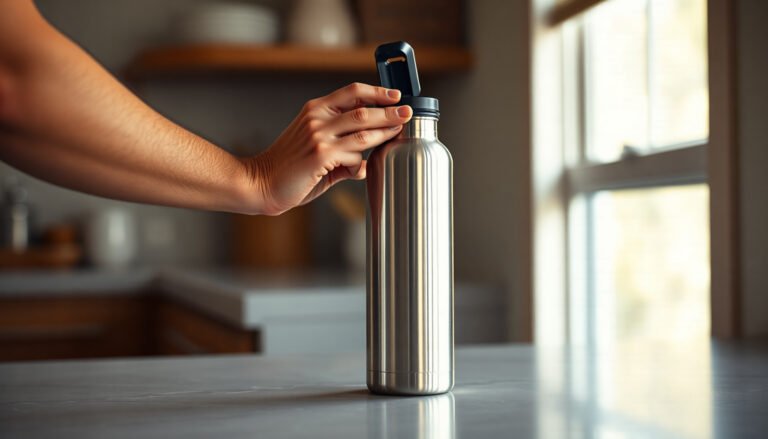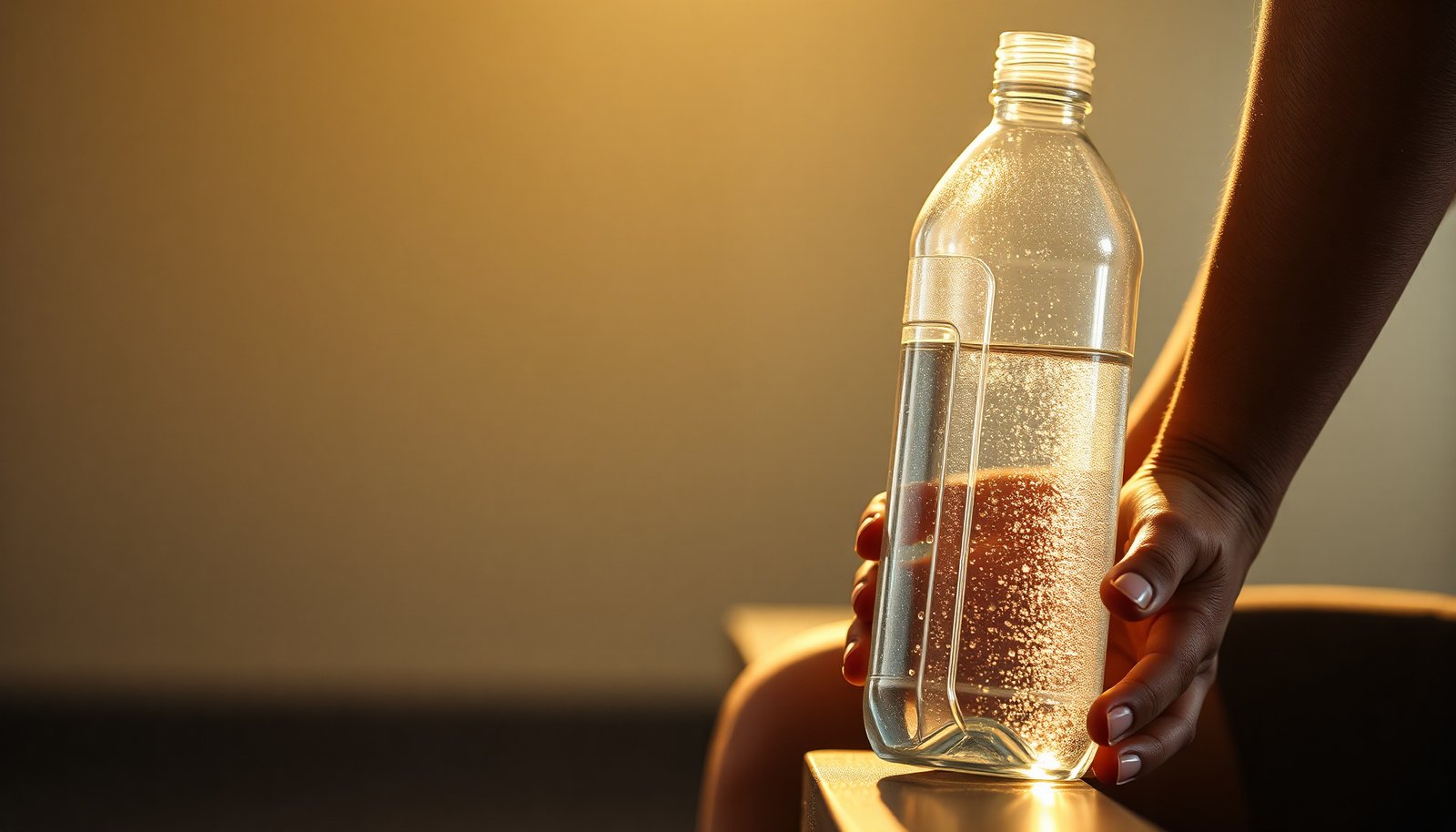
Why do your water-bottle hydration challenges fall apart after a few days? They fail when they do not connect with real habits—timing, cues, and an easy way to measure how much you actually drank. Use practical rules such as linking sips to daily routines, setting a realistic daily bottle count, and using visible marks or a simple log so progress stays clear and sustainable.
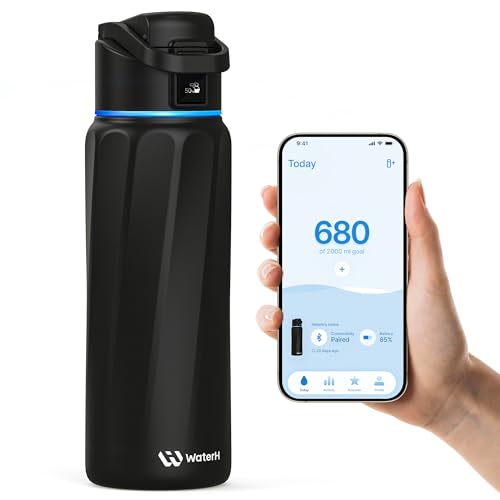


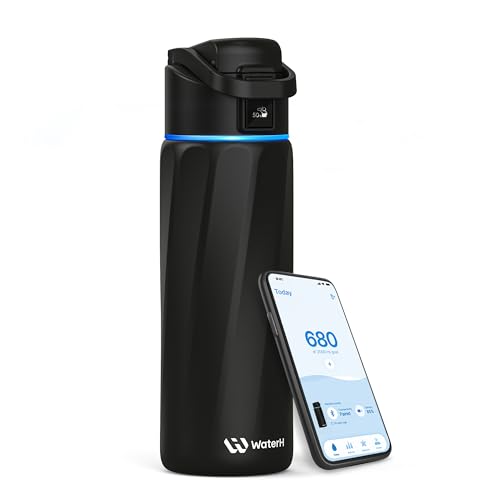
Hydration challenges work best when they’re small, measurable, and tied to your existing routine—so you don’t rely on willpower alone. In this guide, you’ll get practical water-bottle challenges you can start today, plus how to avoid the common traps that make “drink more water” plans fail. If you’ve tried reminders before (or you just end up with a half-full bottle at the end of the day), this is for you. It’s also for anyone who wants hydration habits that fit real schedules—desk days, workouts, travel, or busy weeks.
Choose a challenge that matches your baseline
The right water bottle hydration challenge is the one you can complete on your busiest day, not the one you can theoretically do on your best day. Start by picking a measurable “minimum win” you can hit reliably, then build from there so your plan doesn’t collapse when life gets loud.
To set a baseline that works, use three practical rules:
– Pick a goal you can hit consistently (start with a “minimum” you’ll actually manage, then build).
– Use your bottle size to make the math simple (e.g., “X refills” instead of vague “drink more”).
– Decide your “check-in” time(s) (like mid-afternoon and evening) so you know whether to speed up or coast.
In my own routine, I stopped trying to “feel thirsty” on command. On desk-heavy days, that’s exactly why refills-only and timed sip anchors worked better than any plan that required me to track every moment. Water-bottle hydration challenges succeed when the habit trigger and the scoring method are already clear.
One way to choose fast is to compare challenge formats by effort and strictness:
| Challenge format | Best for | Pros | Cons |
|---|---|---|---|
| Refills-only | Busy people who hate tracking | Low friction, easy scoring | Can underperform if you sip too slowly |
| Timed sips | People who forget until it’s late | Anchors create consistency | May feel “mechanical” at first |
| Finish-a-segment | Task-driven schedules (meetings, blocks) | Turns hydration into a clear sub-goal | Strictness can backfire if tasks run long |
If you want a quick reality check on bottle math, the starting point is often your “target intake” expressed in a way that matches your bottle volume. According to National Academies of Sciences, Engineering, and Medicine, Adequate Intake for total water is 3.7 L/day for men and 2.7 L/day for women (2004). Water-bottle hydration challenges don’t need to hit those exact totals every day, but they help you set refills that make sense.
Bottle size → refills/day needed (2.7 L women, 3.7 L men, rounded up)
| # | Bottle volume | Women refills/day | Men refills/day | Planning simplicity |
|---|---|---|---|---|
| 1 | 350 mL | 8 | 11 | 2/5 |
| 2 | 500 mL | 6 | 8 | 4/5 |
| 3 | 600 mL | 5 | 7 | 5/5 |
| 4 | 750 mL | 4 | 5 | 5/5 |
| 5 | 800 mL | 4 | 5 | 5/5 |
| 6 | 1.0 L | 3 | 4 | 5/5 |
| 7 | 1.2 L | 3 | 4 | 5/5 |
Planning simplicity rule used in this table: fewer women’s refills/day = higher score (5/5 for ≤4 refills; 4/5 for 5–6; 2/5 for ≥8).
Start with hydration challenges that are hard to mess up
The easiest water bottle hydration challenges remove ambiguity: you shouldn’t have to guess if you “counted enough.” These three formats are built to be scored quickly and completed even on hectic days.
– The Refills-Only Challenge: Aim for a set number of bottle refills per day—no guessing or tracking every sip.
Practical approach: choose a number you can hit on the busiest day of your week, then add one refill only after you consistently hit your minimum.
– The Timed Sip Challenge: Set 2–3 anchors (after waking, mid-day, after work) and require a few sips at each—then stop.
Practical approach: make the “few sips” non-negotiable but small (enough that you can do it even if you’re busy). This is how water-bottle hydration challenges avoid the thirst-waiting problem.
– The Finish-a-Segment Challenge: Mark your bottle into segments (mentally or with tape) and finish one segment before moving to the next task block.
Practical approach: tie each segment to a specific work transition (start of a meeting series, lunch reset, or post-commute).
From a physiology standpoint, you don’t need to “chase” perfect hydration minute-by-minute to benefit. According to American College of Sports Medicine (ACSM), sweat rates during exercise commonly range from 0.5 to 2.0 L per hour depending on conditions and intensity (2007). Water-bottle hydration challenges work because they help you consistently replace water across the day—without pretending you can predict every sweat drop.
Make the water-bottle cue automatic (not optional)
The fastest way to make water bottle hydration challenges work is to turn the bottle into a visible cue at the moment you need it. You’re not building a “motivation” system—you’re building a trigger-and-action loop.
Use these cue mechanics:
– Keep the bottle visible where the “action” happens (desk, bag pocket, car cup holder) so you see it before you forget.
– Pair water with existing habits: coffee/tea, email check, lunch, or your first meeting after a break.
This pairing matters because you can’t rely on remembering “to hydrate,” but you can rely on the routine you already have.
– Track just enough to stay honest: a quick “refill count” note in Notes/Sheets works better than complex logging.
In behavior-change frameworks like habit stacking (pairing a new habit to a known routine), simplicity improves compliance.
In 2026, many teams already run on lightweight systems—calendar anchors, standup checklists, and quick status updates—so your hydration plan should match that style. If hydration feels like a new spreadsheet project, water-bottle hydration challenges stop being practical.
Adjust for your day so the challenge doesn’t collapse
The right hydration challenge adapts to demand: workouts, heat, and travel change what “enough” looks like. If your water bottle hydration challenge assumes a calm office day, it will underperform on high-sweat days and feel punishing on low-sweat days.
Here’s how to scale without overthinking:
– Hot weather and workouts usually require more than a standard office-day plan—add one extra bottle *only if* you truly have the time and access.
– If you’re sweating heavily, plain water may not feel great for long sessions; consider electrolytes if appropriate for your situation (and check labels for sugar/sodium).
Electrolytes aren’t automatically “better,” but they can reduce the unpleasant taste/feel some people experience during extended sweat.
– Watch your cues: if you’re consistently struggling to hit your goal, scale the challenge down—not up.
Water bottle hydration challenges should train consistency, not punish you for being human.
Also remember the difference between “mild” and “extreme” hydration stress. According to European Food Safety Authority (EFSA), dehydration corresponding to about 1–2% of body mass can negatively affect physical and cognitive performance (2010). That supports the general idea of daily hydration—without endorsing aggressive “force it all at once” tactics.
What can go wrong (and how to prevent it)
Hydration challenges fail when they’re too strict, too vague, or unsafe for the person doing them. If you want water bottle hydration challenges that last, you need guardrails.
Common failure modes and fixes:
– Overdoing it: Pushing water too hard can backfire—if you feel overly full or get headaches, ease off and reassess your target.
Practical fix: cap the intensity; switch to a smaller baseline for the next 2–3 days.
– Wrong “challenge” design: Challenges fail when they’re too vague (“drink more”) or too strict (“finish the whole bottle no matter what”).
Practical fix: require minimum sips/refills/segments rather than an all-or-nothing completion.
– Bottle issues: If your bottle gets gross or leaks, you’ll avoid using it.
Practical fix: clean it regularly and make sure the lid seals smoothly—because water bottle hydration challenges can’t work when the bottle is annoying.
– Medical limitations: If you have conditions that require fluid restriction or monitoring, don’t self-prescribe hydration challenges.
Practical fix: get clinician guidance and follow your plan first.
Pros and cons of each “speed” lever (so you can troubleshoot fast):| Adjustment | Pros | Cons |
|---|---|---|
| Add 1 extra bottle on workout days | Better coverage for sweat losses | May cause discomfort if you don’t actually sweat much |
| Use electrolyte packets selectively | May improve how water feels during long sweat sessions | Can add sugar/sodium—check labels and context |
| Scale the challenge down after misses | Protects streaks and builds trust with your plan | If you always scale down, you may stall progress |
Verdict / tip: what to do this week
Start one water bottle hydration challenge for 7 days using a refill-based or segment-based approach. The downside: you may still fall short on chaotic days—so build in a “minimum win” plan (hit your baseline goal even if you miss the stretch).
Here’s a practical way to run it:
1. Pick your bottle size and define your minimum win (e.g., “refill X times”).
2. Choose one format: refills-only, timed sips, or finish segments.
3. Set 2–3 anchor check-ins.
4. After 7 days in 2026, increase only if you hit baseline consistently.
If you’re under a clinician’s fluid restriction, have certain kidney/heart conditions, or you’ve been told to monitor fluids closely, skip DIY challenges and follow your care plan instead.
Quick checklist you can save
| Step | What to do | Done? |
|---|---|---|
| 1 | Pick your bottle size and set a simple daily target (like “refills per day”) | ☐ |
| 2 | Choose **one** challenge format (refills / timed sips / finish segments) | ☐ |
| 3 | Set 2-3 anchor moments to check progress | ☐ |
| 4 | Make water visible where you work/eat | ☐ |
| 5 | Decide your “minimum win” for busy days | ☐ |
| 6 | Do a 7-day review: increase only if you hit baseline | ☐ |
Frequently Asked Questions
What are the most common hydration challenges with a water bottle, and how can I fix them?
Many people struggle with forgetting to drink, not knowing how much water to target, and getting “water fatigue” from plain taste. Fix this by setting simple reminders, tracking intake early in the day, and using hydration-friendly flavoring (like fruit slices or zero-calorie electrolyte packets) to make water bottle hydration sustainable. Also, choose a bottle size you’ll actually carry daily so you don’t have to constantly refill.
How can I measure whether I’m drinking enough water throughout the day using my bottle?
Start by estimating a daily target based on body size and activity, then translate it into bottle volume (for example, 2 liters equals about 4 of a 500 ml bottle). Use a quick check-in schedule (e.g., by noon, mid-afternoon, and early evening) to see if you’re on pace. If you want better accuracy, watch urine color and thirst cues—clear/pale yellow usually suggests good hydration, while dark yellow and persistent thirst are signs to increase water bottle intake.
Why do I still feel tired or get headaches even when I’m drinking water?
“More water” doesn’t always solve dehydration if electrolytes are low—especially during sweating, workouts, or hot weather. Consider adding electrolytes periodically (particularly after heavy exercise) rather than relying solely on plain water, and make sure you’re not overhydrating without minerals. Also review other contributors like insufficient sleep, high caffeine intake, or low food intake, since hydration symptoms can overlap with those issues.
What are the best ways to stay hydrated during workouts using a reusable water bottle?
For endurance or long sessions, sip regularly instead of chugging—small, frequent sips from your water bottle hydration plan help you maintain performance. If you sweat heavily or work out longer than about 60 minutes, use sports electrolytes or a balanced electrolyte drink to replace sodium and improve hydration efficiency. Aim to start hydrated and monitor how you feel—cramps, dizziness, or slumping can indicate you need more fluids and electrolytes.
Which water bottle setup actually helps with hydration—bigger bottle, time goals, or electrolyte reminders?
The best approach is usually a combination: a bottle size you’ll carry consistently plus a simple timing or milestone goal (like “finish one bottle by mid-afternoon”). Add electrolyte reminders only when they’re relevant—during heat, heavy sweat, long workouts, or frequent outdoor activity—to prevent under- or over-relying on plain water. If taste is a barrier, use consistent flavor options (citrus, berries, or sugar-free hydration drops) to keep hydration habits going.
📅 Last Updated: November 25, 2026 | Topic: Water Bottle Hydration Challenges That Actually Work | Content verified for accuracy and freshness.
References
- https://www.cdc.gov/disasters/extreme-heat/heat_illness.html
- https://www.mayoclinic.org/diseases-conditions/dehydration/symptoms-causes/syc-20354086
- Dehydration – NHS
- Dietary Reference Intakes for Water, Potassium, Sodium, Chloride, and Sulfate
- Dehydration: MedlinePlus
- water intoxication hyponatremia – Search Results – PubMed
- exercise-associated hyponatremia review – Search Results – PubMed
- https://scholar.google.com/scholar?q=hydration+strategy+water+intake+dehydration+prevention+adults Google Scholar
- https://scholar.google.com/scholar?q=exercise-associated+hyponatremia+excessive+water+intake Google Scholar
- https://scholar.google.com/scholar?q=oral+rehydration+solution+children+WHO+guidelines Google Scholar