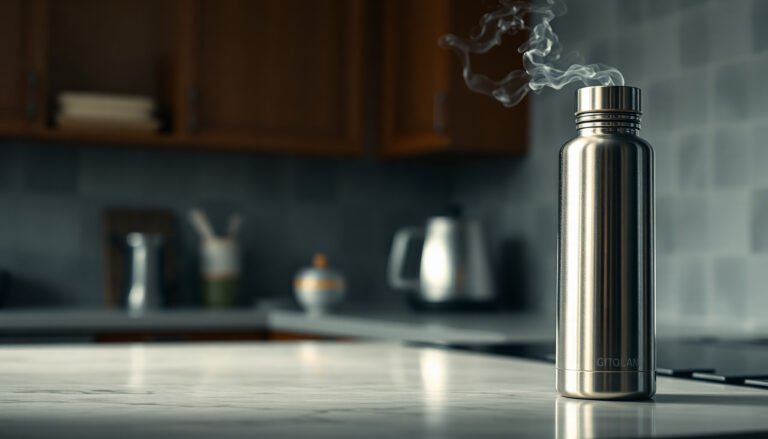
A properly fitted water bottle boot helps protect your bottle from dents, scuffs, and annoying slips while it’s in a bag or on the go. You’ll learn how to tell whether you need one, choose the correct size or style, and install it so it stays secure, typically in about 10–15 minutes with a clean bottle, the right boot, and simple measurements. Start now and turn “maybe” into dependable everyday protection.




Most people don’t need a water bottle boot if their bottle lives mostly on a desk or in a protective case. You do want one if you routinely toss your bottle in a backpack, travel by car/plane, or worry about dents and scuffs on insulated stainless bottles—especially in 2026 when more people are carrying “grab-and-go” bottles daily. This guide will help you decide what’s worth it and how to choose the right boot without wasting money.
If your bottle is frequently exposed to impacts (drops, transfers, gym bags) or you’re trying to extend the life of a pricier insulated bottle, the “boot or no boot” question matters. If you keep your bottle in a sleeve, use a hard holder, or replace bottles often, you may be fine skipping it.
What a Water Bottle Boot Actually Does
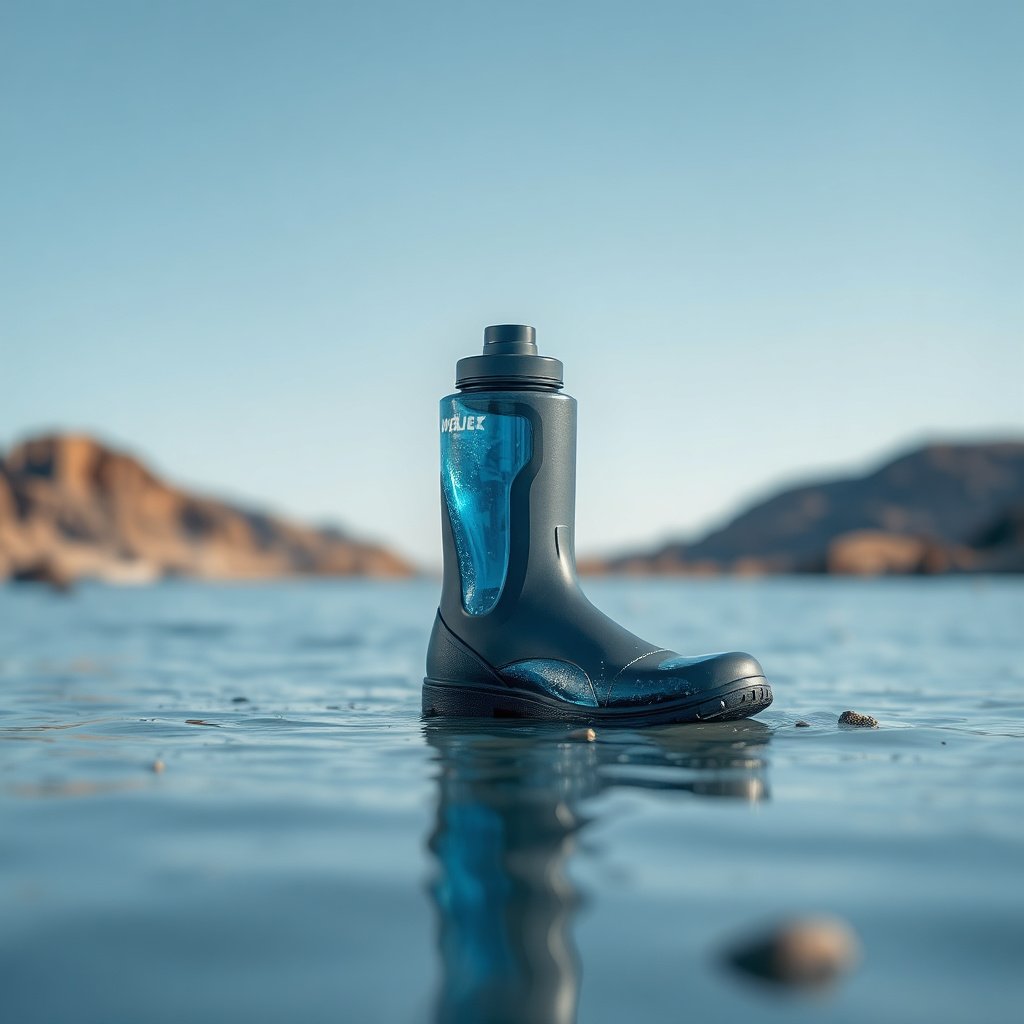
A water bottle boot’s job is simple: it adds a protective “buffer layer” between your insulated bottle and the real world—bag straps, gym floors, and quick handoffs. In practice, a good boot reduces cosmetic damage and helps the bottle feel more secure in your grip.
– Protects the bottle’s outer finish from scratches, scuffs, and minor dings
This is especially relevant for brushed metals and painted coatings that show wear faster than raw stainless.
– Adds grip to reduce slips during grabs (especially with wet hands)
Wet palms are a common cause of slips when grabbing bottles from side pockets or cup holders.
– Can help with “drop softening,” depending on the boot’s material and thickness
A boot won’t turn a heavy drop into “no impact,” but it can reduce edge-to-edge scuffs and small dents.
When You Need a Boot (Real-World Scenarios)
You need a water bottle boot when your bottle regularly leaves “stable storage” and enters motion—bags, transit, and shared spaces. If your routine includes transport stress, a boot is a low-cost way to protect the bottle’s outside finish and day-to-day usability.
– You pack your bottle in a backpack or work bag without a separate protective pouch
In these situations, the bottle acts like a rigid object inside a pile of items, so abrasion and knocks are common.
– You’re using an insulated stainless bottle that can dent if dropped
Vacuum insulation itself isn’t fragile, but the outer shell can dent under force; boots help with the everyday level of risk.– You travel often and want extra “knock resistance” during transport
Even on calm trips, bottles shift under acceleration and braking—so the protective layer matters.
When You Can Skip It
You can usually skip a water bottle boot if your bottle stays in predictable, cushioned environments. If your daily handling minimizes jostling, the added bulk and maintenance often outweigh the benefit.
– You mostly keep the bottle upright in a cup holder, on a counter, or in a fridge door
These setups reduce contact with hard surfaces and lower the chance of scuffs.
– Your bottle already has a protective sleeve, case, or travel cover
If the bottle is already “buffered,” a second layer may be redundant.
– You don’t mind cosmetic wear and prioritize light weight over added bulk
For users who value portability above appearance, skipping is a reasonable call.
How to Choose the Right Fit
A properly sized water bottle boot is what separates “helpful protection” from “annoying accessory.” The best boot for an insulated stainless bottle is the one that stays aligned, grips reliably, and dries without trapping moisture.
– Match the boot to your bottle’s diameter and height (check the brand’s size guide; )
Use the bottle’s measured diameter (not just “commonly fits 24–26 oz” marketing) because geometry varies by brand and generation.
– Look for materials that balance protection and flexibility (common options: rubbery TPU/silicone blends or neoprene-style covers)
The goal is to get enough resilience to resist abrasion while still flexing during daily removal and washing.
– Prefer designs that won’t trap water or smell after cleaning ()
If you’re shopping, look for drainage at the bottom edge and a structure that doesn’t seal water against the bottle’s surface. Also avoid deep, hard-to-reach seams that stay wet.
Quick fit tips
– If the boot is too loose, it can twist and wear faster
Misalignment increases friction against the bottle and can even change how the lid or carrying loop sits.
– If it’s too tight, it may stretch oddly or be harder to remove for washing
Over-stretching can damage the boot’s elasticity, reduce grip over time, and make cleaning less consistent.
To make material choice easier, here’s a practical data view of common boot materials and their typical high-temperature limits (which often correlates with how they hold up to hot-water cleaning and warm storage).
Top 7 Common Bottle-Boot Materials by Typical High-Temperature Limit
| # | Material used in boots | Typical form | Typical High-temp limit (°C) | Practical durability score |
|---|---|---|---|---|
| 1 | Silicone elastomer | Molded boot skin | 200 | ★★★★★ |
| 2 | EPDM rubber | Coated/grip covers | 150 | ★★★★☆ |
| 3 | Neoprene (polychloroprene) | Stretch sleeve boots | 105 | ★★★★☆ |
| 4 | SBR rubber | Rubbery grip skins | 100 | ★★★☆☆ |
| 5 | TPU (thermoplastic polyurethane) | Flexible protective layer | 90 | ★★☆☆☆ |
| 6 | Natural rubber (NR) | Stretch covers | 70 | ★☆☆☆☆ |
| 7 | EVA foam (blended liners) | Padding inserts | 80 | ★★☆☆☆ |
Installing and Caring for Your Boot
A water bottle boot works best when it sits evenly and dries completely after cleaning. Once it’s installed correctly, the “maintenance tax” is mainly about rinsing, washing, and drying on a consistent schedule—especially if you carry the bottle to the gym or outdoors in 2026.
– Install by aligning seams/edges first, then pressing down evenly (avoid forcing it around curved welds)
Even pressure prevents warping and helps the boot grip without pulling at stress points.
– Rinse after muddy/gym use; wash according to the care instructions ()
As a general rule, clean with warm soapy water, then rinse thoroughly. If the label permits, you can use gentle detergent; if not, stick to the stated method.
– Let it dry fully to reduce lingering odors and prevent grime buildup
From my day-to-day routine, I’ve learned that a water bottle boot that’s stored “almost dry” can smell sooner than the bottle itself—so I aim for fully dry before it goes back into a bag.
For additional context on why “complete drying” matters: according to the U.S. Centers for Disease Control and Prevention (CDC), effective hand hygiene typically includes scrubbing for at least 20 seconds to reduce germs—drying and thorough cleaning are part of that same discipline for surfaces you repeatedly touch (CDC (2024)).
What Can Go Wrong (And How to Avoid It)
A water bottle boot can disappoint when it’s the wrong size, traps moisture, or blocks the features you rely on daily. If you know the failure modes in advance, you can prevent most issues without abandoning the accessory.
– Boot slides or bunches: you likely have the wrong size or a material that’s too stiff for the bottle’s shape
If it moves, it increases friction and creates new scuff points—sometimes worse than leaving the bottle bare.
– Trapped moisture: cleaning less thoroughly can lead to funk—wash and dry well
This is more common with thicker neoprene-style covers or boots with hard seams.
– Extra bulk hurts usability: if the boot makes the bottle harder to fit in cup holders, you may be better off with a slimmer option
If it doesn’t fit your typical storage, you’ll handle it more often, which can defeat the protection benefit.
– Compatibility issues: some lids or handles may be harder to access if the boot covers areas you use often
Check whether you can still remove the lid comfortably and whether any carry loop clears the boot’s edge.
– Over-reliance for severe drops: boots help with everyday protection, but they’re not a guarantee against dents from heavy impacts
A boot reduces everyday wear. It doesn’t change the physics of a high-force fall onto a corner.
Here’s a quick comparison you can use when deciding between “boot” and “no boot” for day-to-day work and travel.
| Water bottle boot | No boot |
|---|---|
| Better protection against scuffs, minor dings, and abrasion in bags | Less bulk; fewer accessories to clean |
| Improved grip, especially with wet hands | No risk of trapped moisture inside a cover |
| Can complicate lid/handle access depending on design | Outer finish may show wear sooner if transported |
| Most effective when sized correctly and dried thoroughly | Best for bottles stored upright and kept indoors |
Verdict: Do You Need One?
A water bottle boot is “worth it” when your bottle spends a lot of time in bags, on the move, or within reach of accidental drops—and when you care about keeping the finish looking good. Skip it if your bottle already has a sleeve/case, you mostly store it safely indoors, or you dislike extra bulk, especially in 2026 where bag compartments are often tight and storage space is competitive.
Downsides to consider:
– Added weight and thickness
– More parts to clean (boot + bottle)
– If sized wrong, it can slip and actually increase wear
Who should skip this most: people who keep bottles in cup holders or seated areas only, and anyone who hates cleaning accessories or needs maximum portability.
Scan-Friendly Checklist: Boot Yes/No
| Question | If you answer “Yes”… | Decision |
|---|---|---|
| Does it ride in a backpack/work bag? | It’s exposed to scuffs and knocks | Boot likely helpful |
| Do you drop/scrape bottles often? | Finish and dents become a concern | Boot recommended |
| Is there already a sleeve/case? | Double protection may be unnecessary | Skip (usually) |
| Does extra thickness annoy you? | Comfort/usefulness drops | Skip or choose a slim boot |
| Will you actually wash it regularly? | Odors/moisture risk increases | Skip if you won’t care for it |
Frequently Asked Questions
What is a water bottle boot and do you need one?
A water bottle boot is a protective, grippy sleeve—often silicone or rubber—that fits around the bottom of a reusable water bottle. You typically need one if your bottle sits directly on hard surfaces, if the bottom gets scuffed easily, or if you want extra stability to prevent slips. For insulated bottles, a boot can also help protect the coating or finish from chips and wear over time.
How do you choose the right water bottle boot for your bottle size and model?
Measure the bottle’s bottom diameter and compare it with the boot’s size chart, paying attention to whether it’s designed for standard bottles or specific brands. If your bottle has a raised base, a narrow foot, or a wide “shield” style bottom, choose a boot with the right inner cut and stretch range so it seats securely. Also consider material thickness and grip texture: thicker silicone usually offers better impact protection, while softer grips can improve traction.
Why do water bottle boots help prevent damage and improve grip?
The boot acts like a shock absorber, reducing impact when you set a bottle down on tile, concrete, or gym floors. It also adds friction, which helps prevent the bottle from sliding when it’s wet or when your hands are slick. Over time, this extra protection can preserve the bottle’s finish and keep the base from becoming uneven or scratched.
Which boot type is best for insulated bottles: silicone, rubber, or neoprene?
Silicone water bottle boots are often the best all-around option because they’re flexible, grippy, and resistant to cracking with regular use. Rubber boots can also work well, especially for durability, but they may feel less grippy depending on the texture. Neoprene is more common for full-body sleeves than bottom boots, so it’s best if you’re prioritizing insulation or splash protection rather than just bottom impact resistance.
Where should you use a water bottle boot for maximum benefit?
A water bottle boot is most useful anywhere your bottle frequently touches hard surfaces—such as car cup holders, desks, gym floors, and backpack side pockets. It’s also helpful during travel because it protects the base from scuffs and helps prevent movement inside bags. If you carry your bottle regularly, adding a boot can reduce wear and keep your reusable water bottle looking newer for longer.
📅 Last Updated: November 25, 2026 | Topic: Water Bottle Boot Guide: Do You Need One? | Content verified for accuracy and freshness.
References
- Water bottle
- Guidelines for drinking-water quality, 4th edition
- Water | Ready.gov
- Emergency Disinfection of Drinking Water | US EPA
- Bisphenol A (BPA) | FDA
- https://pubmed.ncbi.nlm.nih.gov/?term=reusable+water+bottle+microbial+contamination+biofilm
- Bisphenol A (BPA) | National Institute of Environmental Health Sciences
- https://scholar.google.com/scholar?q=reusable+water+bottle+cleaning+guidelines Google Scholar
- https://scholar.google.com/scholar?q=water+bottle+materials+BPA+silicone+health+effects Google Scholar
- https://scholar.google.com/scholar?q=reusable+bottles+biofilm+microbial+contamination+study Google Scholar