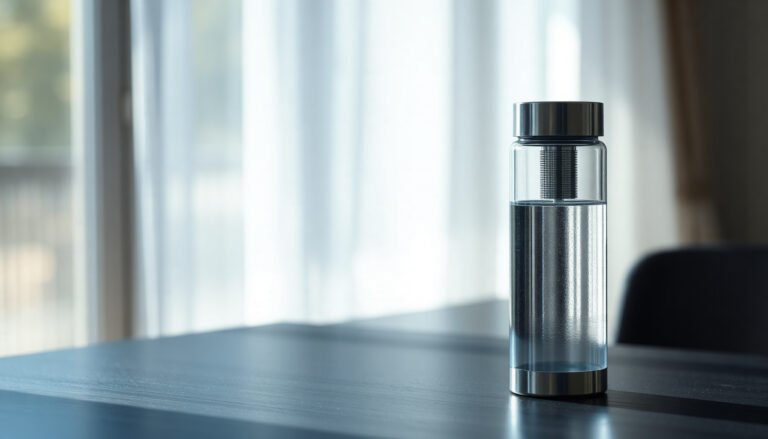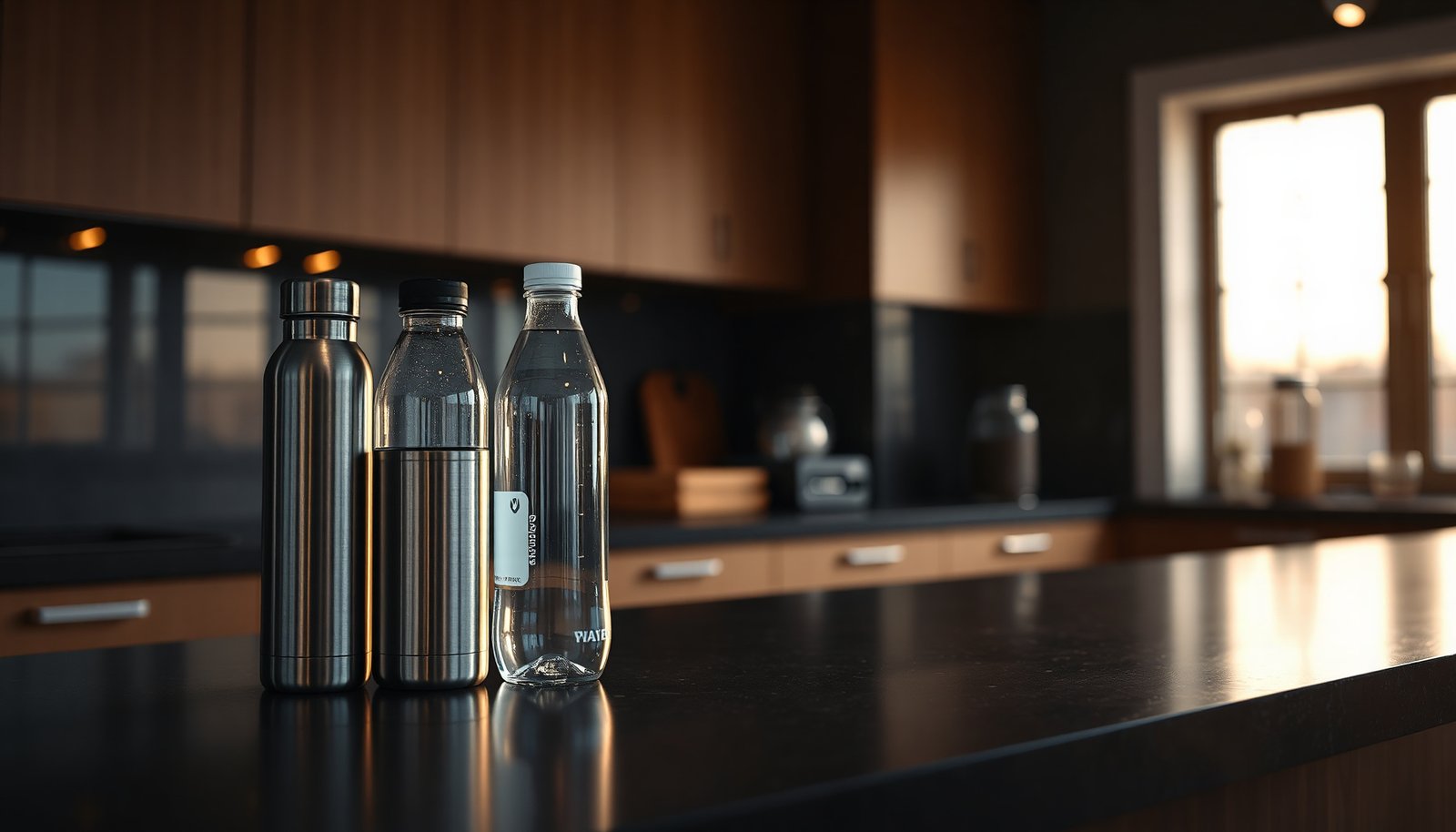
Which material should replace an aluminum water bottle without compromising taste, safety, or durability—stainless steel, glass, or BPA-free plastic? The quick verdict is this: choose stainless steel for everyday rugged performance, glass for the purest flavor and easiest odor control, and high-quality BPA-free plastic for lightweight travel and drop-prone days. Your decision should come down to taste retention, impact resistance, weight, and whether you need insulation.



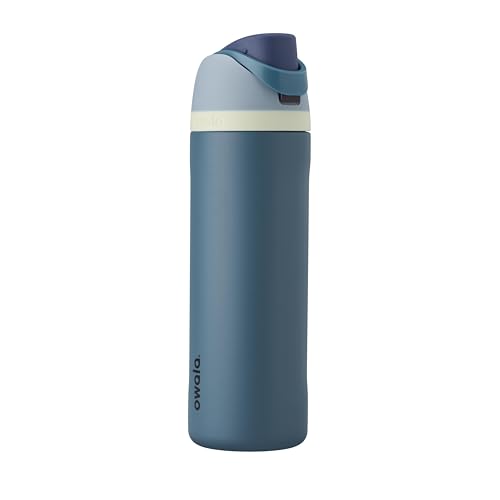
The best alternatives to aluminum water bottles are stainless steel, borosilicate glass, and BPA-free plastic like Tritan—each avoids aluminum contact while matching different lifestyles. If you want the simplest everyday upgrade, choose a quality insulated stainless steel bottle with a leakproof lid. If you care most about pure taste, go with borosilicate glass; for lightweight carry, pick BPA-free plastic designed for bottles.
This guide is for anyone switching away from aluminum for taste, odor, lining concerns, or durability reasons—and who still wants a bottle that’s easy to use at school, work, the gym, or on the go.
Top non-aluminum materials to consider
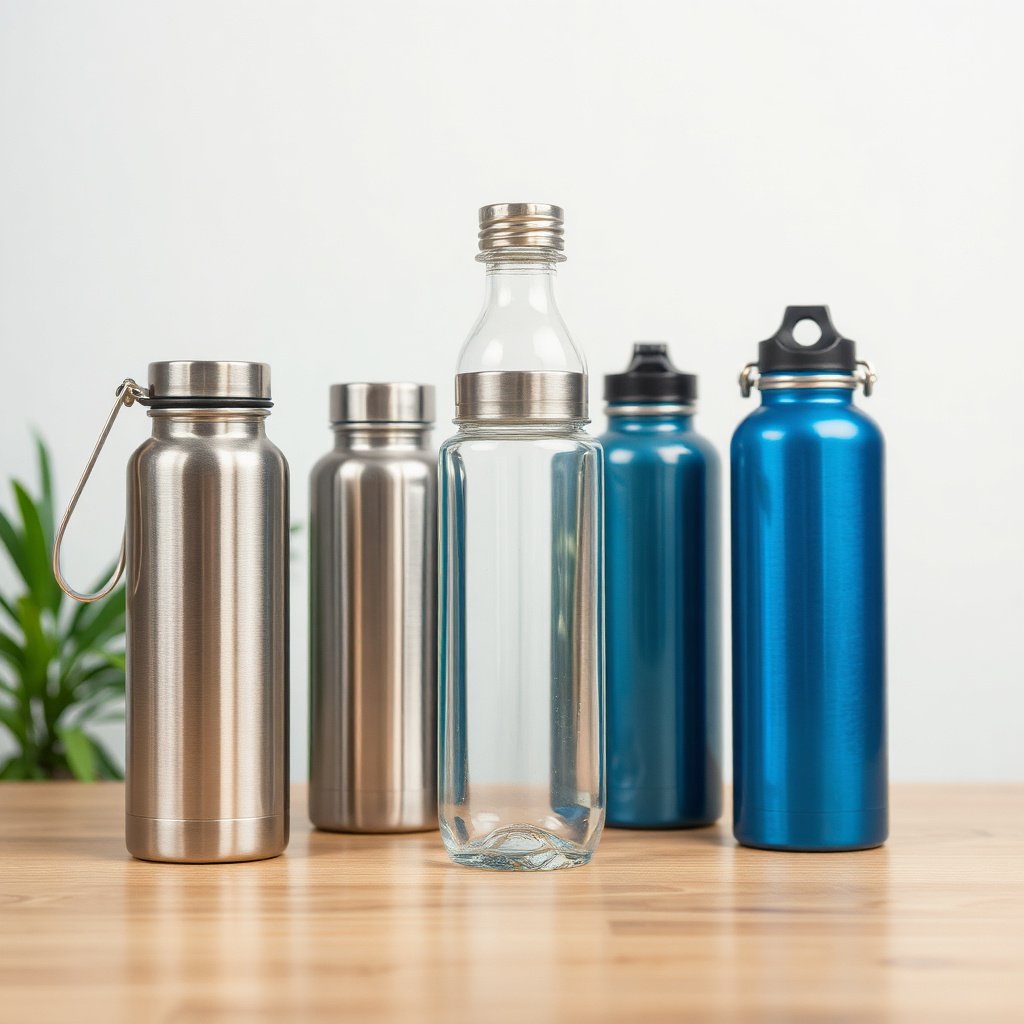
If you’re replacing an aluminum bottle and want reliable performance without aluminum contact, the mainstream non-aluminum options are stainless steel, borosilicate glass, and BPA-free plastic (commonly Tritan). Here’s how to match each material to your priorities before you buy.
– Stainless steel: durable, great for temperature retention, and typically the easiest “set it and forget it” switch.
– Borosilicate glass: best option for minimizing flavor transfer, especially for plain water.
– BPA-free plastic (often Tritan): light and convenient, though it usually has more limits than steel or glass.
Non-Aluminum Bottle Materials: Taste/Odor Resistance Score (7 common options)
| # | Material | Common use in bottles | Porosity (practical impact) | Taste/Odor resistance |
|---|---|---|---|---|
| 1 | 316 stainless steel | Insulated body + rugged lids | Very low (non-porous) | ★★★★★ (5/5) |
| 2 | 304 stainless steel | Non-insulated + insulated bottles | Very low (non-porous) | ★★★★★ (5/5) |
| 3 | Borosilicate glass | Plain-water bottles + some thermoses | Very low (non-porous) | ★★★★★ (5/5) |
| 4 | Soda-lime glass | Uninsulated glass bottles | Very low (non-porous) | ★★★★☆ (4/5) |
| 5 | Tritan™ (BPA-free copolyester) | Lightweight sport + daily bottles | Low to moderate (can scratch) | ★★★★☆ (4/5) |
| 6 | Polypropylene (PP) | Lids, some bottle shells | Moderate (surface wear matters) | ★★★☆☆ (3/5) |
| 7 | Food-grade silicone (seals) | Gaskets, straw tips, some sleeves | Moderate (oils can cling) | ★★★☆☆ (3/5) |
Stainless steel: best all-around substitute
If you want one non-aluminum bottle that works for most days and most drinks, stainless steel is usually the best all-around substitute. It’s tough, generally non-porous, and (for many models) insulated enough to keep temperatures stable.
– Look for food-grade stainless steel and a tight, leakproof lid (that’s often the make-or-break feature).
– If you want “cold stays cold / hot stays hot,” choose insulated double-wall construction.
– Tradeoff: steel is sturdier than glass, but it’s often heavier than plastic.
From a design perspective, stainless steel works well because it doesn’t “absorb” flavors the way porous materials can. Still, you’re not only choosing the bottle body—you’re choosing the lid seal too. In my own household, I’ve learned that the easiest upgrade is the one with a consistently tight lid interface, not necessarily the most expensive steel; .
Also, if you drink more than water, consider that repeated contact with sports drinks, coffee, or tea can leave residues on any material. Stainless typically handles that better than soft plastics, but you still need to clean seals carefully—especially around the threads and the underside of the lid.
Glass (borosilicate): clean taste, different tradeoffs
If your top goal is the most neutral flavor—especially for plain water—borosilicate glass is the standout non-aluminum choice. Glass won’t impart a metal note the way unlined aluminum can, and it generally resists lingering odors.
– Choose borosilicate glass when you want the most neutral taste experience.
– Glass is often easier to think of as “simple” for water—no metal flavor, no plastic residue concerns.
– Tradeoff: glass can be heavier and needs more care (and some lids can be bulkier than you expect).
Why borosilicate specifically matters: it’s built for better thermal stability than many common glasses. According to Corning/Pyrex technical documentation, borosilicate glass has a low coefficient of thermal expansion of roughly 3.3×10^-6/°C (often cited in product/material data sheets). In practice, that translates into fewer stress issues when you pour cold water into a bottle that has been sitting at room temperature—something that can be relevant during commute days in 2026 when weather swings are common.
Tradeoffs are real, though. Even “protective” glass bottles can still chip, and caps can be harder to replace than lids for steel or plastic. If you’re commuting on public transit or tossing a bottle into a locker, glass is more demanding.
BPA-free plastic: lightweight daily carry
If you want the lightest non-aluminum bottle for carrying, backpacks, or kids’ use with supervision, BPA-free plastic is often the practical answer. Many bottle-grade plastics (including Tritan) are engineered for durability, clarity, and regular cleaning.
– Pick bottles explicitly labeled BPA-free, ideally made with Tritan or similar bottle-grade plastics.
– Plastic is convenient for commuting, kids’ use (with supervision), and bags where weight matters.
– Tradeoff: plastics can scratch and may be more prone to holding onto tastes/odors depending on cleaning and what you put inside.
It’s also worth anchoring your expectations in how food-contact materials are regulated. According to U.S. Food and Drug Administration (FDA), FDA restricted BPA in certain baby bottles and sippy cups (effective in 2012). And across the U.S. and EU, food-contact rules generally require that materials intended to contact food or drink meet safety requirements—those frameworks include EU Regulation (EU) No 10/2011 for plastic materials intended to come into contact with food (2011).
In other words, BPA-free plastic is about choosing a modern, specified material—not about assuming “plastic = automatically safe for anything forever.” The biggest performance limiter is usually physical wear. Once the inside surface scratches, odor retention becomes more likely, especially after strongly flavored drinks.
What to check before switching (lids, liners, care)
If you want the switch from aluminum to be truly painless, verify the bottle’s lid and cleaning behavior before you focus on the material. Most “bad experiences” with non-aluminum bottles come from seal design, thread geometry, or parts that are hard to reach.
– Lids and seals: make sure the lid design is actually compatible with your drinking style (sip vs. flip-top vs. straw).
– Coatings and liners: if the bottle has an internal coating, verify it’s meant for food/drink contact.
– Cleaning expectations: confirm whether parts are dishwasher-safe and whether the bottle should be hand-washed regularly.
A practical way to evaluate lid design is to imagine the lid in the scenarios you care about: gym bag, car cupholder, school backpack, or walking-and-drinking routines. In 2026, many brands use multiple lid components (spout, gasket, internal baffle), which can create cleaning blind spots if they don’t come apart easily.
Also pay attention to liners: some “double-wall” bottles may have internal layers or protective finishes beyond the base metal. Even when the material is non-aluminum, an improper or non-food-contact liner can still affect taste or odor. When a manufacturer clearly states food-contact compatibility, it’s usually the safer buying signal.
What can go wrong (common mistakes and limits)
If you’re switching away from aluminum, the most common failures aren’t the material—they’re mismatched expectations about lids, cleaning, and use cases. These mistakes can make stainless, borosilicate glass, or BPA-free plastic feel “worse” even when the base material is a good choice.
– Choosing for material only: a leaky lid can ruin any bottle, even a great material choice.
– Using the wrong cleaning method: harsh cleaners or neglecting seals can shorten bottle life and affect taste.
– Mismatching use cases: if you need rugged, kid-proof performance, glass may not be the best fit; if you drink mostly hot beverages, plastic may not be ideal.
Two edge cases come up frequently for non-aluminum bottle users:
1. Odor transfer that comes from habits, not chemistry. If you leave tea or strongly flavored sports drinks sitting for long periods, almost any container can develop smell. Rinse soon after use and wash seals thoroughly.
2. Heat limits you don’t notice until later. Plastic bottles generally have stricter temperature constraints than stainless. If your routine includes hot coffee or steeped tea, verify temperature ratings on the bottle’s label or manual—especially for the lid and seals.
Verdict: which alternative fits your routine (plus quick checklist)
If you want the best starting point for most people, choose insulated stainless steel. If your top priority is flavor neutrality, pick borosilicate glass; for the lightest carry and easy everyday handling, choose BPA-free plastic—but plan for more careful cleaning and surface wear over time.
Who should skip what
– Skip glass if your day involves lots of drops, rough carry, or unsupervised kid use.
– Skip plastic if you’re regularly using hot liquids, or if you dislike any chance of lingering flavors from strongly flavored drinks.
– Skip “unknown” stainless brands if the bottle doesn’t clearly state food-contact materials and a reliable lid/seal design.
Scan checklist (save this)
– [ ] Material: stainless / borosilicate glass / BPA-free plastic
– [ ] Lid: truly leakproof for how you’ll carry it (gym bag, backpack, car)
– [ ] Cleaning: dishwasher-safe parts if you need easy maintenance
– [ ] Your drinks: mostly water vs. occasional sports drink/coffee/tea
– [ ] Your environment: drop-risk and daily handling style
Quick comparison table
| Material | Best for | Main downside |
|---|---|---|
| Insulated stainless steel | Everyday durability + temperature retention | Usually heavier than plastic |
| Borosilicate glass | Clean, neutral taste | Breakable if dropped; often heavier |
| BPA-free plastic (Tritan) | Lightweight carry + convenience | Can scratch; may need more careful cleaning |
| Feature | Insulated stainless | Borosilicate glass | BPA-free plastic (Tritan) |
|---|---|---|---|
| Leak risk (with good lids) | Low | Low–Medium | Medium |
| Taste neutrality | Very high | Highest | High (can drop with scratches) |
| Odor retention after tea/coffee | Low | Low | Higher |
| Temperature retention (insulated) | High | Medium–High | Medium |
| Hot-liquid suitability | Best | Good (handle carefully) | Limited (verify ratings) |
| Drop resistance | High | Low | Medium |
| Weight for daily carry | Heavier | Often heavier | Lightest |
| Scratching / surface wear | Low | Low (but can chip) | Higher |
| Cleaning convenience | Usually easy | Simple body; careful lids | More parts / maintenance |
| Best for | Most routines | Taste-first water | Lightweight carry |
| Criteria | Insulated stainless | Borosilicate glass |
|---|---|---|
| Flavor neutrality for plain water | Very high | Highest |
| Metal-contact risk (vs. aluminum bottle) | Avoids aluminum contact | Avoids aluminum contact |
| Odor retention after tea/coffee | Low | Low |
| Temperature retention (if insulated) | High | Medium–High |
| Hot-drink practicality | Best | Care needed (glass + lids) |
| Drop durability | High | Breakable |
| Weight for commuting | Heavier | Often heavier |
| Dishwashing friendliness | Usually yes (check seals) | Depends on lid design |
| Best fit | All-day reliability | Max taste purity |
| Verdict | Choose stainless if you want “set-and-go.” | Choose borosilicate if taste neutrality is the whole point. |
FAQ
– Are aluminum-lined bottles always the problem? It depends on the lining and whether it’s designed for long-term food/drink contact, but switching materials is the simplest way to avoid aluminum contact altogether.
– Which alternative is best for kids? Lightweight BPA-free plastic or sturdy stainless with a secure lid is often safer than glass for kids—especially for ages under 6 or for unsupervised carry. Choose a sip straw or flip lid that’s designed to minimize leaks, and supervise any new bottle routine.
– Can I put hot drinks in any alternative? Check the bottle’s own temperature rating; plastic bottles generally have stricter limits than stainless.
– How do I prevent taste transfer? Rinse soon after use, wash the lid/seals thoroughly, and avoid long soaks—especially after strongly flavored drinks.
A smart switch away from aluminum usually comes down to stainless (most practical), glass (best taste), or BPA-free plastic (lightest carry)—then matching the bottle to your actual routine (lids, cleaning, and what you drink). Pick one material based on your top priority, double-check the lid/seals and care instructions, and you’ll have a safer, more satisfying bottle day after day.
Frequently Asked Questions
What are the best alternatives to aluminum water bottles for everyday use?
Stainless steel and glass are two of the most popular alternatives to aluminum water bottles because they don’t easily retain odors and are durable for daily hydration. Stainless steel bottles (especially 18/8 or 304-grade) are typically more drop-resistant, while glass offers a pure taste and avoids any metallic feel. If you want insulation similar to many aluminum bottles, choose a double-wall insulated stainless steel option.
How can I choose a BPA-free water bottle alternative that doesn’t affect taste?
Look for food-grade materials like stainless steel or BPA-free tritan plastic and check for certification such as BPA-free or FDA-compliant materials. For taste neutrality, avoid unknown “mixed” plastics and consider glass or stainless steel with a quality lining-free interior. Also pay attention to caps—cheap liners can hold flavors, so choose well-reviewed lids and clean them regularly.
Why do people switch from aluminum water bottles to stainless steel or glass?
Many people switch because aluminum can react with certain beverages over time, sometimes leading to taste changes or odor retention. Stainless steel is generally more resistant to corrosion and is less likely to affect flavor, especially with proper bottle cleaning. Glass is inert and delivers a clean, consistent taste, though it’s heavier and more breakable than metal.
Which insulation alternatives are best if I want cold water longer than aluminum bottles?
For long-lasting temperature retention, insulated double-wall stainless steel bottles are usually the top alternative to aluminum water bottles. Vacuum insulation reduces heat transfer, keeping drinks cold for hours and hot for longer. If you prefer a lighter option, look for high-quality insulated BPA-free plastic, but note that stainless steel often outperforms plastic over extended periods.
Best alternatives to aluminum water bottles for gym, hiking, or commuting—what should I buy?
For gym and commuting, a leakproof stainless steel bottle with a carry loop and a comfortable grip is a practical upgrade over aluminum. For hiking, prioritize durability, a secure cap, and wide-mouth cleaning for easier maintenance—stainless steel or durable BPA-free options work well. If you’re strict about taste and don’t mind extra weight, glass can be excellent, but it’s less ideal for rough outdoor use.
📅 Last Updated: November 25, 2026 | Topic: Best Alternatives to Aluminum Water Bottles | Content verified for accuracy and freshness.
References
- https://www.fda.gov/food/food-additives-petitions/bisphenol-bpa-questions-and-answers
- https://www.epa.gov/chemicals-under-tsca/bisphenol-bpa
- https://medlineplus.gov/aluminum.html
- bisphenol a water bottles leaching – Search Results – PubMed
- aluminum leaching from drinking water containers – Search Results – PubMed
- Stainless steel
- Bisphenol A
- https://scholar.google.com/scholar?q=aluminum+water+bottle+health+effects Google Scholar
- https://scholar.google.com/scholar?q=stainless+steel+water+bottle+metal+leaching+safety Google Scholar
- https://scholar.google.com/scholar?q=bisphenol+a+bpa+water+bottles+leaching+health+risk Google Scholar