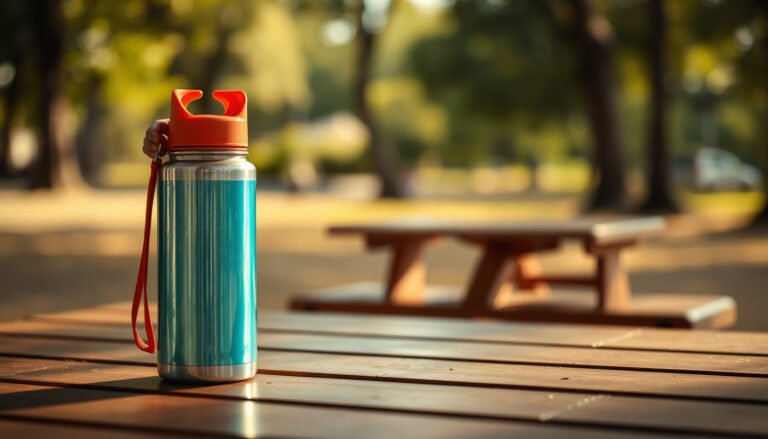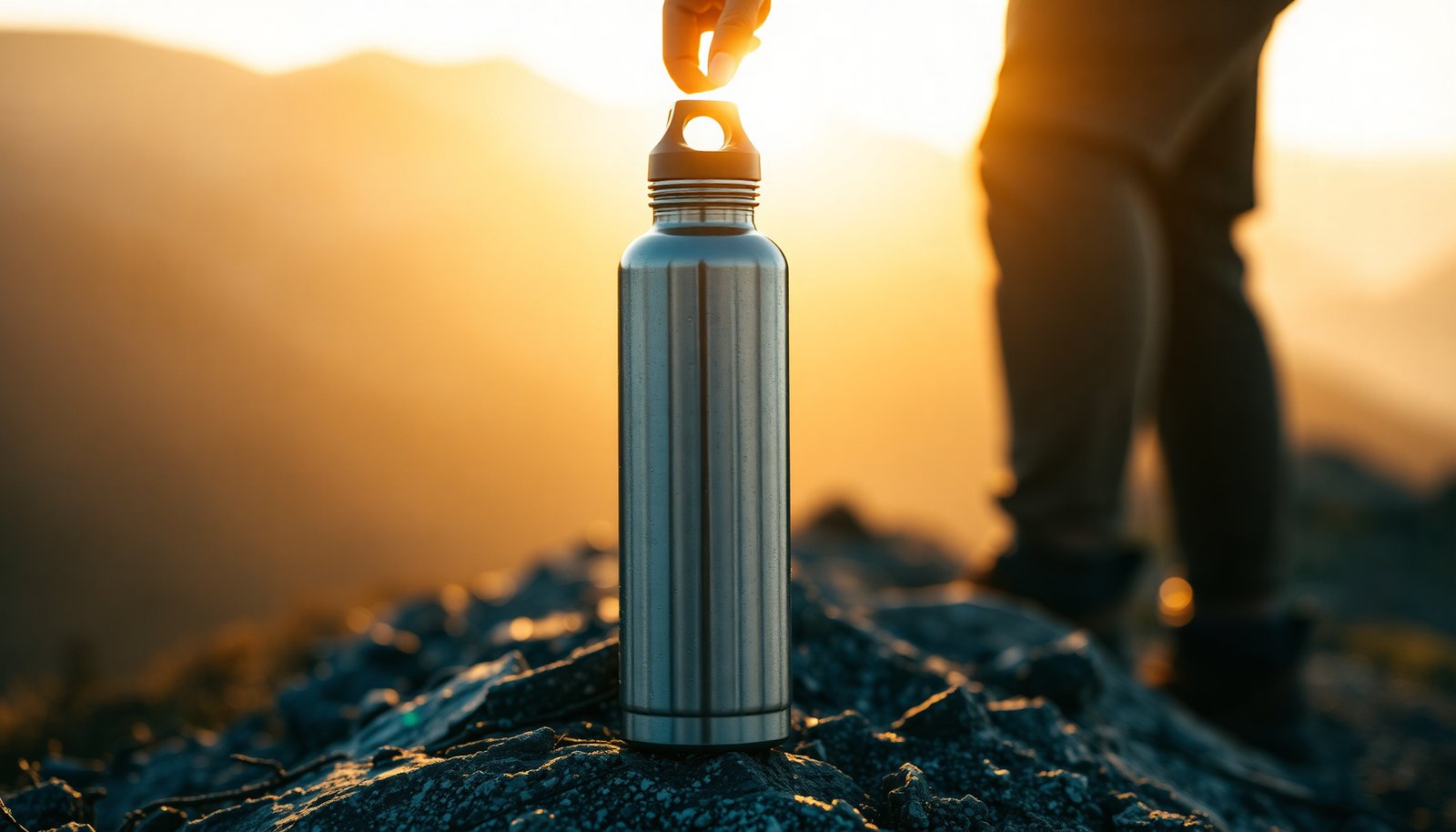
For most hikers, the best aluminum bottle is a double-wall, insulated model with a leak-proof cap and grippy carry profile. It wins because it resists dents, keeps water cooler longer, and seals securely on bumpy trails while staying easy to fill and clean. When comparing options, prioritize insulation type, lid design, mouth size, lining or coating, and overall weight to avoid choices that underperform once you are on the move.




Picking the right aluminum water bottle for hiking comes down to capacity, leak-proof lid design, and whether you want insulation. Choose a size that matches your typical hike length, then make sure the lid is easy to open one-handed and seals tightly on bumpy trails. This guide will walk you through the key features to look for so you don’t end up with a bottle that leaks, dents, or tastes metallic—and so your aluminum water bottle performs the same way every time you reach for it.
If you’re planning day hikes (or switching from plastic bottles), this is for you—especially if you want an aluminum bottle that’s lightweight, durable, and practical to drink from while moving. Use this checklist whether you’re choosing your first bottle or replacing an older one, and keep in mind that the “best” aluminum water bottle is really the one that fits your routine: how long you hike, how you pack it, and how picky you are about taste and cleaning.
Choose the right capacity (and hiking fit)
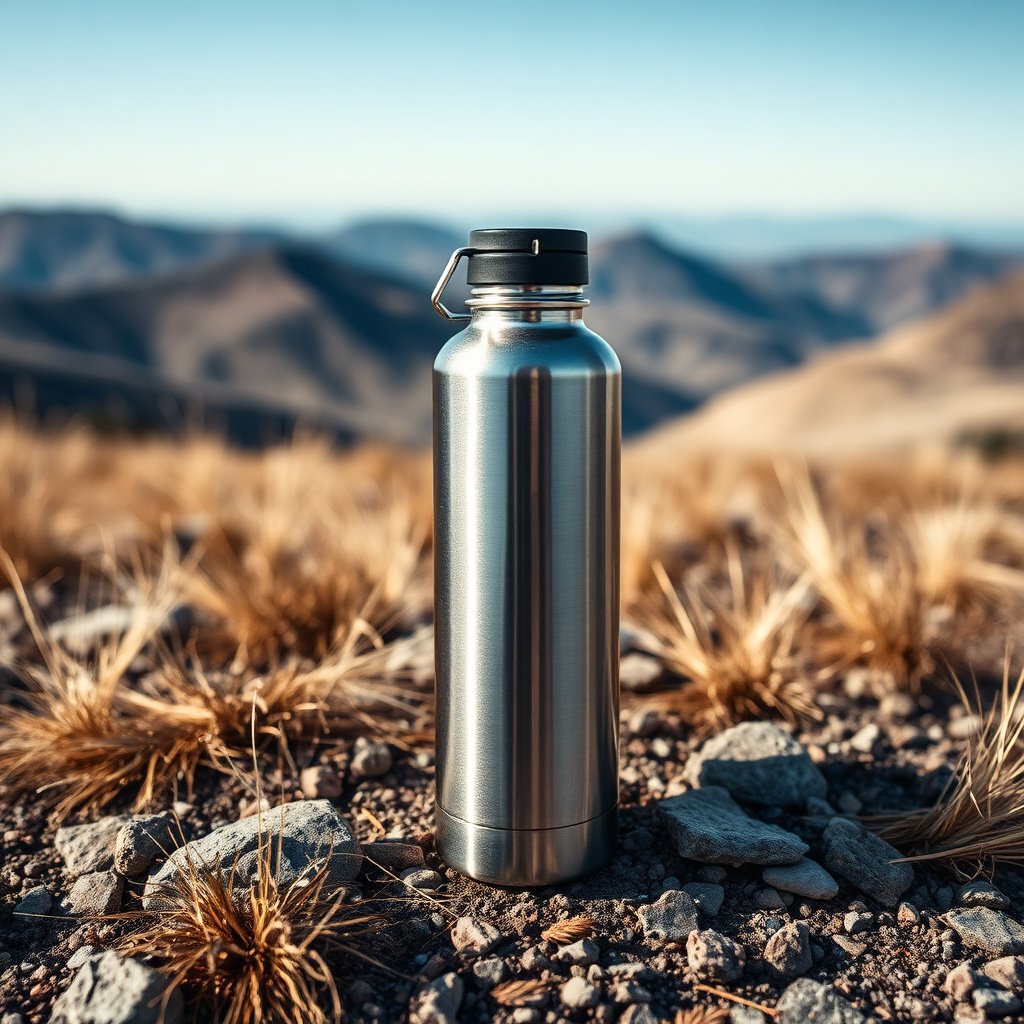
The best aluminum water bottle capacity is the one you can reliably carry and access without constantly digging in your pack. For most hikers, that means sizing for your typical water plan—not maximizing ounces just because the bottle is on sale. A good rule is to think in terms of how often you’ll sip, whether you’ll refill, and how the bottle’s shape fits your pack’s bottle pocket.
– Match capacity to your planned water needs (and whether you’ll refill along the way), rather than just buying “as big as possible.”
– Think about packability: a wider bottle can be harder to fit in side pockets or a narrow hydration sleeve.
– Consider how often you expect to drink—frequent sips usually pair better with a smaller bottle you can access quickly.
How to translate hike length into bottle size (without overthinking it):
For many day hikers, consistent access matters more than maximum capacity. If your route includes refill options, an aluminum water bottle with moderate volume often works better than a huge one—because you’re more likely to carry it where it’s reachable and you’ll waste less effort when water sources aren’t predictable. Also, if you tend to drink in short bursts (climbing, breaks, switchbacks), a smaller aluminum water bottle can be easier to control while keeping the weight manageable.
Pack fit is part of capacity:
Two bottles with the same “volume” can behave very differently in real packs. A slimmer aluminum water bottle can ride flatter and stay stable; a wider one may press against seams, making it harder to withdraw quickly with gloves. This is where aluminum water bottle choice becomes practical: you’re optimizing for repeated use, not just theoretical ounces.
Focus on aluminum type and any lining (taste + safety)
A well-chosen aluminum water bottle interior is the difference between “tastes fine” and “why does this taste metallic?” Many hikers want the rigidity and durability of aluminum but also prefer a lining that reduces flavor transfer and makes cleaning easier. In 2026, it’s common to see multiple interior approaches—ranging from bare aluminum to polymer or coating systems—so it helps to know what you’re buying.
– Decide whether you want an unlined aluminum bottle or one with an interior lining/coating; lined options are often chosen to reduce metallic taste concerns.
– Check whether the bottle is marketed as food-grade and what (if anything) is used on the interior surface; details matter for long storage and repeated use.
– If you’re sensitive to taste, pay attention to how the brand recommends cleaning and whether it specifies “safe for” beverages beyond water.
What “food-grade” usually implies (and what it doesn’t):
“Food-grade” is typically used to indicate materials intended to contact food or beverages, but the specific claim matters. Look for clear statements about the interior surface intended for potable water contact, and whether gaskets or caps use elastomers (rubber-like materials) that are also rated for repeated beverage contact.
Unlined vs. lined aluminum water bottles:
An unlined aluminum water bottle can be completely workable for plain water, especially if you rinse soon after use and keep storage practices clean. However, unlined interiors are more likely to develop lingering metallic notes if you store water for long periods, let residue sit, or use sports drinks and then don’t fully clean. A lined aluminum water bottle often reduces taste transfer, but it introduces another variable: coatings and seals have their own cleaning and drying needs.
Statistical reality check on aluminum and water behavior:
Aluminum’s lower density is a big reason aluminum water bottles feel lighter than many stainless steel options. According to NIST Chemistry WebBook (Aluminum density ≈ 2.70 g/cm³; property references for elemental densities), aluminum is far less dense than many heavier metals, which helps explain the weight advantage that hikers notice in hand. Temperature also matters: according to NIST (freezing point of water is 0 °C / 32 °F), water approaches freezing quickly in cold conditions, so insulation (next section) and storage habits can change how pleasant your aluminum water bottle feels.
Top materials and label claims hikers can trust (2026)
Safety/Compliance References Commonly Seen on Reusable Bottle Labels (US/EU)
| # | Label/Standard | What it covers | Applies to | Relevance for aluminum bottle use |
|---|---|---|---|---|
| 1 | NSF/ANSI 61 | Health effects for materials in contact with drinking water | Bottle interior + components | ★★★★★ |
| 2 | NSF/ANSI 372 | Lead content requirements | Metal components | ★★★★☆ |
| 3 | FDA “Food Contact Substances” rules (21 CFR Parts 174–186) | Permitted substances for food/beverage contact | Liners, plastics, additives (varies by material) | ★★★★☆ |
| 4 | EU Regulation (EC) No 1935/2004 | General framework for food-contact materials | Materials/parts that contact food | ★★★★☆ |
| 5 | EU Regulation (EU) No 10/2011 | Specific rules for plastic materials in food contact | Plastic liners/coatings and seals | ★★★☆☆ |
| 6 | NSF/ANSI 51 | Food equipment related material safety | Certain equipment-material contexts | ★★★☆☆ |
| 7 | “BPA-free” marketing claim | Indicates absence of BPA in specified materials | Primarily applies to certain plastics | ★☆☆☆☆ |
Pick a hiking-friendly lid (easy drinking, no leaks)
The easiest way to avoid a leaky aluminum water bottle is to prioritize lid design and seal behavior before anything else. A great-looking bottle can still seep if the gasket (the flexible ring that compresses to form a watertight seal) isn’t durable, isn’t seated correctly, or isn’t designed for one-handed use on moving trails.
– Look for a seal that’s designed for movement—twist caps with proper gaskets are common, but you still want to confirm it’s leak-resistant.
– Choose a drinking style you’ll actually use on the trail (wide mouth for easy filling/ice, spout/flip-style for quick sips).
– Make sure the lid can be handled with less precision (gloves, wet hands, cold weather): smoother threads and a grippy cap help.
What “leak-resistant” should mean in practice:
When an aluminum water bottle is upright and moving, the lid needs two things: (1) consistent gasket compression and (2) a cap geometry that keeps pressure from walking the seal out of alignment. If the bottle has a flip spout or straw-style lid, pay attention to how the closure locks—some systems leak when they’re jarred, even if they don’t leak when stationary.
One-handed access is a safety feature:
In hiking conditions—wet hands, cold temperatures, climbing—fine motor control drops. If your aluminum water bottle lid requires careful alignment or extremely tight twisting, you’ll likely loosen it inconsistently. A lid that’s “easy to use” also tends to be “easier to seal correctly every time,” which is what actually prevents leaks.
Pros/cons: common lid styles for aluminum water bottles
- Twist cap with gasket
- Pros: Strong seal consistency; often best for upright carry and long use.
Cons: Can be slower for frequent sips; threads matter for one-handed operation. - Flip spout / push-button style
- Pros: Quick drink access; convenient while hiking.
Cons: More moving parts—verify gasket durability and cleaning access. - Wide-mouth opening
- Pros: Easy filling and cleaning; good for adding ice.
Cons: May be less convenient for rapid sipping while moving; lid design quality becomes critical.
Insulation: when it matters on trail
An insulated aluminum water bottle is the right choice when temperature change affects your comfort or your plan. Non-insulated aluminum water bottles are simpler and lighter, but insulation can make a noticeable difference in hot afternoons, cold mornings, and when you stash the bottle in a side pocket for long stretches. As of 2026, many hiking-focused aluminum bottles also use insulation designs that increase lid bulk, so it’s worth checking how the lid interacts with your grip.
– Insulated bottles can help slow temperature change, which is useful for hot-weather hikes or cold mornings—non-insulated bottles are simpler and lighter.
– If you often stash the bottle in a side pocket, insulation may help more than you think for keeping water from warming too quickly.
– If insulation is your priority, verify whether the insulation affects how the lid works (some designs are bulkier or harder to clean around).
How insulation changes daily usability:
Insulation can shift the center of gravity and make the bottle slightly harder to fit in narrow pockets. It can also make lids thicker, which affects glove comfort and hand placement. For a lid you’ll use repeatedly, check for a cap shape that still feels grippy even through cold-weather layers.
A practical planning angle:
Even with insulation, your water isn’t “thermos-proof” indefinitely—especially if the aluminum water bottle spends hours in direct sun or near cold airflow. Decide based on your typical trail conditions: if you frequently notice water temperature as a problem, insulation becomes a performance feature, not just a convenience upgrade.
Durability and maintenance (how it holds up over time)
The most durable aluminum water bottle is the one that matches how you hike and how you maintain the seals. Aluminum resists corrosion, but it can dent; and most real leak issues trace back to gaskets and lid parts rather than the main metal body. If you treat maintenance as part of ownership—especially for the lid—your aluminum water bottle will stay reliable much longer.
– Aluminum is tough, but it can dent—look for a shape that resists rolling and offers some protection against drops.
– Confirm how the bottle should be cleaned (hand-wash vs. dishwasher-safe parts) and whether you can fully access the interior for drying.
– If you’ll use it year-round, pay attention to how gaskets and seals are maintained—worn seals are a common reason bottles start leaking.
Dent resistance isn’t just aesthetics:
A dent doesn’t always ruin function, but it can change how a lid sits, how a gasket compresses, or how the bottle rests in your pack. If your aluminum water bottle rolls frequently on the trail or bangs against rocks during packing, consider a bottle shape that’s less likely to tumble—flat-sided or protected base designs often help.
Maintenance details that matter (and what to avoid):
Cleaning is where taste and performance either stabilize or drift over time. Use a method that reaches the full interior, and dry components thoroughly—especially around the gasket seam. If you allow moisture to sit in seal areas, lingering odors can form, and gaskets can degrade faster.
Water intake matters for the whole hiking system:
Hydration planning also affects how “necessary” a larger aluminum water bottle is. According to the National Academies of Sciences, Engineering, and Medicine Dietary Reference Intakes (adequate intake: 3.7 L/day for men; 2.7 L/day for women) (2005), baseline intake varies by person. While that figure isn’t a hiking instruction, it’s a reminder: your aluminum water bottle choice should support the total hydration strategy you actually follow.
What can go wrong (common mistakes to avoid)
Most aluminum water bottle problems come from choosing one feature while ignoring the others—especially the lid. If you want fewer leaks, fewer dents that impair sealing, and less metallic taste, treat the lid, interior, and cleaning routine as an interconnected system. In 2026, “leak-free” claims are everywhere, but the gasket and maintenance still decide the outcome.
– Buying for capacity only: a great size that doesn’t fit your pack pocket can become a daily annoyance—or get left behind.
– Overlooking the lid: many “leak” problems are really gasket/seal issues or lids that aren’t tightened consistently.
– Ignoring taste and cleaning: even a lined bottle can develop lingering flavors if it isn’t cleaned promptly or fully dried.
– Using the wrong care method: abrasive cleaners or improper drying can damage coatings/liners and make performance worse over time.
Edge cases worth accounting for:
– If you use anything besides plain water (electrolyte mixes, flavored powders), clean sooner rather than later—residue is a faster route to taste and odor buildup.
– If your aluminum water bottle is carried sideways in a bag, look for lid claims that specifically address sideways carry, not just “upright leak resistance.”
– If you store an aluminum water bottle full for long periods between trips, expect taste issues sooner—especially with unlined interiors.
Verdict + quick checklist (and who should skip it)
A solid aluminum hiking bottle is usually the one that’s the right size for your hikes, has a lid that seals reliably, and matches your taste/cleaning preferences (lined vs. unlined, insulated vs. basic). The downside: aluminum bottles can dent, and any sealing parts (gaskets/lids) need care to stay leak-proof—so they’re not “set and forget.” Skip an aluminum option if you want ultra-soft dent resistance, or if you’re not willing to clean/dry lids and seals regularly.
Scan checklist (save this)
| Feature to check | What “good” looks like |
|---|---|
| Capacity | Fits your typical hike and pack space |
| Lid seal | Designed for movement; has a reliable gasket |
| Drinking access | Easy to open/close one-handed |
| Interior | Lined/coated if you prefer less metallic taste |
| Insulation | Chosen based on weather and storage habits |
| Cleaning | Parts are accessible and care instructions are clear |
| Wear items | Gasket/seal is maintainable (replaceable if needed) |
Frequently Asked Questions
What should I look for in an aluminum water bottle for hiking?
Focus on capacity, lid security, and insulation if you hike in hot or cold conditions. Look for food-grade aluminum (and a BPA-free liner if applicable) plus a durable, leakproof cap designed for bumpy trails. It’s also worth checking whether the bottle is corrosion-resistant and easy to clean, especially if you’ll use it daily.
How do I choose the right size aluminum water bottle for different hike lengths?
For shorter hikes, a 12–24 oz (350–700 ml) bottle often covers most needs if you can refill along the way. For longer day hikes, many hikers prefer 24–32 oz (700–950 ml) to reduce refill stops, or carry two smaller bottles for flexibility. If you’re planning routes with limited water access, consider pairing your aluminum bottle with a filtration method or planning extra capacity.
Why does bottle lid design matter when hiking?
A leakproof, easy-to-open lid prevents spills in your pack and helps you hydrate quickly while wearing gloves. Screw-top lids are generally more reliable on rough terrain, while some flip or straw lids may add convenience but can be harder to keep fully sealed. Check the lid gasket and thread quality, and confirm you can operate it one-handed if you’ll be hiking actively.
Which insulated aluminum water bottle is best for cold or hot hikes?
For temperature control, choose a double-wall insulated aluminum bottle labeled for hot and cold retention, since insulation helps reduce temperature swings during long stretches. If you hike in cold weather, prioritize thicker insulation and a well-sealed cap to reduce heat loss. For hot climates, go with insulation that keeps water cooler longer and consider a finish that resists dents and impacts.
How can I tell if an aluminum bottle is safe for drinking and won’t taste metallic?
Look for “food-grade aluminum” and a protective interior liner that is designed for drinking water, especially if you’re sensitive to metallic taste. Stainless-steel liners or approved coatings can help prevent flavor transfer, while avoid unlined aluminum if you’re concerned about taste. Also wash the bottle before first use and clean it regularly to keep your hiking water bottles fresh and hygienic.
📅 Last Updated: November 25, 2026 | Topic: How to Pick a Aluminum Water Bottle for Hiking | Content verified for accuracy and freshness.
References
- Water bottle
- Vacuum flask
- Aluminium
- Corrosion
- https://www.cdc.gov/healthywater/emergency/drinking/water-storage.html
- https://www.atsdr.cdc.gov/toxprofiles/tp22.pdf
- aluminum leaching from aluminum containers drinking water – Search Results – PubMed
- reusable water bottle biofilm cleaning study – Search Results – PubMed
- https://scholar.google.com/scholar?q=aluminum+water+bottle+leaching+corrosion+acidic+beverages Google Scholar
- https://scholar.google.com/scholar?q=reusable+water+bottle+cleaning+biofilm+hiking+water+storage Google Scholar