You’re in the middle of a lesson when your aluminum water bottle slides off the desk—or the lid drips onto your notebook. For teachers, the best bottle earns its spot by staying leak-proof, resisting dents, and using food-safe aluminum and liners that won’t affect taste. Start by prioritizing a double-wall, vacuum-insulated bottle with a comfortable carry loop and a dependable flip or screw lock—those features separate everyday picks from the ones that last.




For teachers, the best aluminum water bottle is one that’s durable, leak-proof, and easy to clean—because your day is too busy for spills and stubborn gunk. If you also want cold (or hot) drinks to last through morning duty and afternoon planning, choose vacuum insulation and a lid you can open with one hand.
If you’re buying for yourself, a coworker, or students who need something sturdy, these tips focus on the features that matter in a school day—especially mess control, refilling ease, and long-term usability.
Check the basics: size, lid style, and daily fit
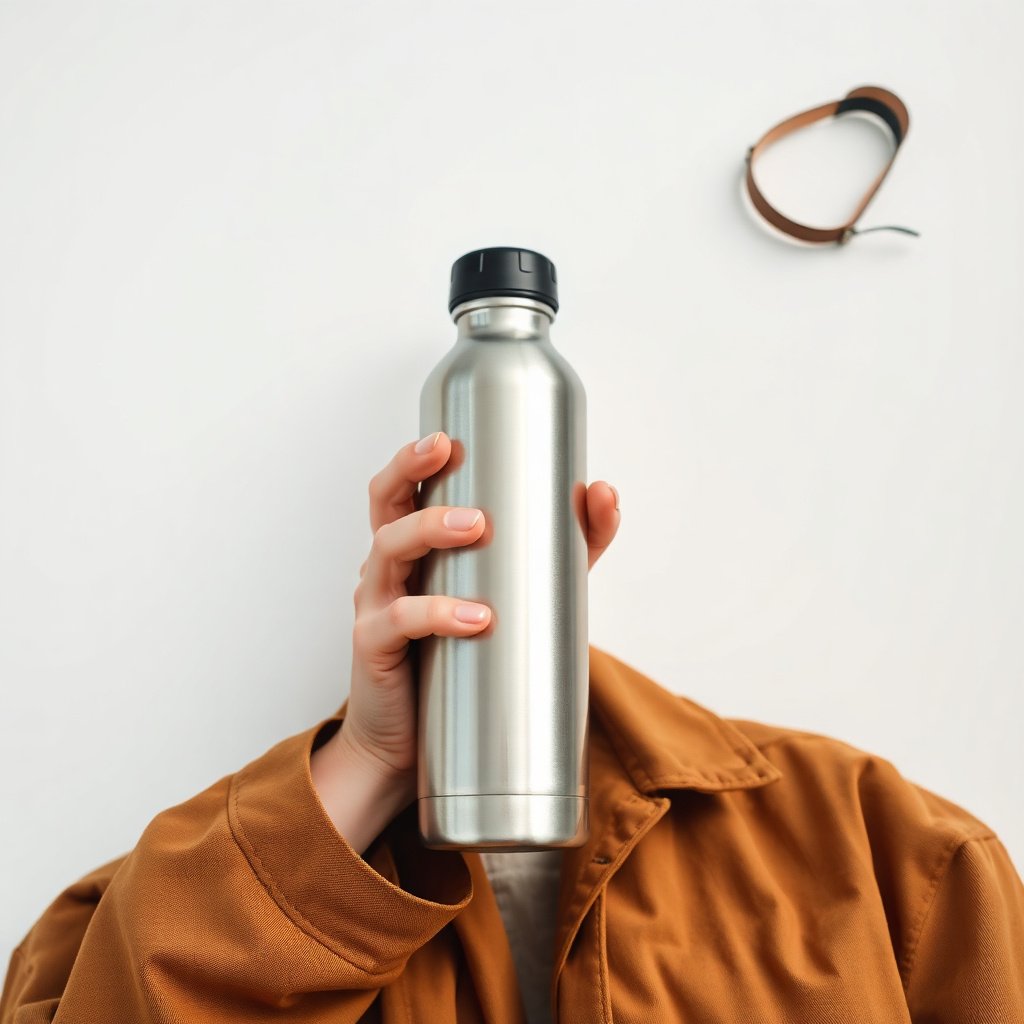
The easiest way to narrow choices is to match the bottle’s capacity and lid style to how often you can realistically refill during the school day. A great teacher bottle “disappears” into your routine—meaning it’s comfortable to carry, simple to access, and dependable when it’s in a bag.
– Choose a capacity that matches how often you’ll be able to refill (smaller bottles are easier to carry; larger ones last longer between refills).
A practical approach is to estimate how much water you can refill without interrupting duty: if your schedule allows only one refill, look at larger capacities; if you can refill more often, a smaller bottle can be lighter and easier to manage during hall duty.
– Pick a lid type that fits your workflow: straw lids for quick sipping, flip-top lids for one-handed use, or screw tops for maximum security.
Think about when you need the bottle: straw lids tend to work well while moving between rooms, while screw tops reduce spill risk if the bottle is jostled. Flip-tops can be convenient, but you’ll want strong sealing and an easy-to-clean hinge area.
– Prioritize a leak-proof design if you’ll toss it in a bag or keep it near classroom materials.
For most teachers, “leak-proof” isn’t just about the bottle standing upright—it’s about survival in a bag with books, folders, or lunch containers. Look for a gasket (the rubber sealing ring) and a lid that closes firmly with clear “lock” or tight-thread behavior.
Bottle Capacity vs. Estimated Daily “Full Bottle” Refills (IOM Adequate Intake)
| # | Capacity | Refills/day (women, 2.7 L) |
Refills/day (men, 3.7 L) |
Classroom convenience |
|---|---|---|---|---|
| 1 | 12 oz (0.35 L) | 7.6 | 10.4 | ★☆☆☆☆ |
| 2 | 16 oz (0.47 L) | 5.7 | 7.8 | ★☆☆☆☆ |
| 3 | 18 oz (0.53 L) | 5.1 | 6.9 | ★★☆☆☆ |
| 4 | 20 oz (0.59 L) | 4.6 | 6.3 | ★★☆☆☆ |
| 5 | 24 oz (0.71 L) | 3.8 | 5.2 | ★★★☆☆ |
| 6 | 32 oz (0.95 L) | 2.9 | 3.9 | ★★★★☆ |
| 7 | 40 oz (1.18 L) | 2.3 | 3.1 | ★★★★★ |
For sizing context, the Institute of Medicine lists “Adequate Intake” for total water at about 2.7 L/day (women) and 3.7 L/day (men) (National Academies/Institute of Medicine, 2004). The table above uses those figures to illustrate refill frequency—not to claim every teacher needs the same amount on a given school day.
Decide on insulation: keep drinks cold or hot longer
The best insulation choice depends on whether you need your water to stay cold (e.g., commuting to campus) or hot (e.g., tea/coffee during early planning). Vacuum insulation is the main upgrade for temperature retention, and it also helps reduce condensation in many classroom setups.
– Consider vacuum insulated bottles if you want cold drinks to stay cold through morning to afternoon.
Vacuum insulation uses a double-wall design with a low-pressure space between layers, which slows heat transfer. In practice, that means fewer “warm-and-flat” sips later in the day and less reliance on ice refills.
– If you don’t care about temperature retention, a simpler non-insulated aluminum option may be lighter and less expensive.
Non-insulated bottles can be perfectly usable at a desk, especially if your classroom has easy access to sinks. The tradeoff is that they won’t meaningfully buffer temperature changes.
– Think about how you’ll store it during the day—insulated bottles can reduce condensation, which helps keep classrooms cleaner.
Condensation is often what turns “water bottle habit” into “sticky desk problem.” Insulation can reduce the amount of exterior sweating when you keep a cold bottle nearby.
| Option | Pros for school days | Tradeoffs to expect |
|---|---|---|
| Vacuum insulated (double-wall) | Better cold/hot retention; typically less condensation; usually compatible with long stretches between refills | Often heavier and more expensive; lid gaskets matter more because they’re the leak-control point |
| Non-insulated aluminum | Simpler design; lighter feel; may be easier to find replacements/parts | Drink temperature changes faster; condensation can happen with cold water |
As of 2026, most teacher-focused bottle designs still follow this same insulation logic: vacuum insulated for temperature + cleanliness, non-insulated for simplicity. If you’re choosing for students, insulation can help reduce desk mess, but you’ll still want a truly sealed lid.
Look for safe, practical materials and coatings
The “right” aluminum bottle is one with a drinking surface that’s intended for beverages and clearly described by the manufacturer. Because aluminum itself can react with some liquids if the interior isn’t properly lined, the interior coating (or liner) is a decision factor—not a marketing detail.
– Confirm the bottle is aluminum with a food-safe interior finish (commonly stainless-lined in many insulated bottles, depending on the model).
Many vacuum insulated bottles use a stainless-steel interior liner even when the outer body is aluminum. That matters because the surface touching your drink is what you need to trust for daily use.
– Make sure the manufacturer describes what’s inside the coating/liner so you know it’s intended for drinking.
Look for explicit wording like “food-contact” or “for beverages,” and ideally identification of whether a liner is stainless steel. If the description is vague, treat it as a risk.
– If you have strong preferences (like avoiding certain smells or flavors), choose designs known for easy cleaning—especially around the lid and threads.
The lid threads and sealing areas are where smells can linger if residue stays trapped. If you rotate between water, sports drink, and tea, you’ll appreciate a bottle that doesn’t make cleanup feel like a chore.
Practical safety note: even when a bottle is “aluminum,” what you’re really evaluating is the drinking-contact system—bottle interior + lid + gasket. Standards vary by country and product type, but in general you want a drinking surface and sealing parts that are meant for food and beverage contact (check the manufacturer’s instructions and compliance statements).
Make cleaning easy (this is where many bottles fail)
The best teacher bottle is the one you’ll actually clean thoroughly, not just the one that looks great. When cleaning is frustrating, bottles develop lingering odors, residue, and gunk in the lid—especially around the gasket.
– Check whether the lid breaks down into parts you can actually scrub; lids with many hidden crevices can get gross fast.
In my experience, the “hard-to-clean” bottle isn’t usually the main cylinder—it’s the lid assembly: a small gasket groove or a multi-piece flip mechanism can trap film after flavored drinks.
– Prefer wide-mouth openings if you want easier access for cleaning and ice removal.
A wider opening makes it easier to reach inside with a bottle brush and helps loosen film that forms at the bottom. It also helps when you add ice and later need to rinse thoroughly.
– Look for clear cleaning instructions (and whether parts are dishwasher-safe if that matters to your routine).
Dishwasher-safe parts can save time, but dishwasher conditions aren’t uniform. If you’re cleaning daily, follow the manufacturer guidance for lid gaskets and any liners that could degrade under heat or harsh detergents.
Cleanability is also connected to leak-proof performance: a gasket that can’t be properly cleaned won’t seal reliably over time. That’s why many teachers eventually replace lids even when the bottle body is still fine.
What can go wrong: common mistakes teachers make
The most expensive mistake isn’t the price—it’s choosing a bottle that causes spills, odors, or constant maintenance. In a school day, small flaws (a lid that loosens, a gasket that warps, a narrow opening) become daily friction fast.
– Buying the wrong lid: a lid that leaks in a bag is one of the fastest ways to ruin a school day (and your bag).
Common culprits are worn gaskets, lids that don’t fully lock, or “sport” tops that look secure but allow leakage when tipped.
– Choosing a size that’s inconvenient: too large to carry comfortably means it’ll sit unused; too small means constant refills.
If your bottle regularly lives in a drawer because it’s awkward to carry, you’re paying for the wrong solution. Comfort and portability are performance features.
– Overlooking cleaning complexity: narrow openings and hard-to-clean lids can lead to lingering odors or residue.
If you frequently use flavored drinks, residue can build even faster. Cleaning design matters as much as material.
– Ignoring compatibility: if you use certain cleaning tools or prefer specific cup holders, make sure the bottle shape fits your needs.
Car cup holders, teacher desk drawers, and tote bags all have different dimensions. A bottle that “technically works” but doesn’t fit your actual storage becomes a problem.
Even though most districts allow water bottles, policies can vary. Before buying for students (or if your school is strict), check whether the district requires: capped/closed containers only, limits on bottle size, restrictions on glass, or rules about labels and drink contents.
Verdict / tip: what we’d choose (and who should skip it)
If you want a safe, no-hassle teacher bottle, prioritize (1) a leak-proof lid, (2) insulation if you care about temperature, and (3) an interior/lid design that cleans thoroughly. This approach directly targets the classroom failure points: spills, condensation mess, and “hard-to-clean” lid assemblies.
That said, there are real downsides. Vacuum insulated bottles can be heavier than non-insulated options, and any bottle with a gasket-based seal depends on regular cleaning and occasional part replacement. If your district has tight rules about specific bottle types, or if you’re unlikely to clean the lid thoroughly, skip designs with complex multi-piece lids.
Skip aluminum bottles with unclear interior coatings/linings or complex lid assemblies that you can’t realistically clean on a busy day. And if you mainly drink at a desk with easy sink access and don’t care about temperature retention, you may not need insulation.
| Best for desk-first days | Best for commute + bag carry | |
|---|---|---|
| Leak prevention focus | Good lid seal + simple mechanism | Gasket + secure cap/lock design |
| Temperature retention need | Optional | Important (vacuum insulation) |
| Condensation risk | Lower if kept indoors | Lower with insulation design |
| Cleaning speed | Wide-mouth helps | Lid parts that disassemble cleanly |
| Ideal lid style | Flip-top or straw (if it seals reliably) | Screw-top or confidently locking lid |
| Bag-toss tolerance | Not as critical | Critical—choose bag-safe design |
| Best for school role | Teachers who stay mostly at desks | Hall duty, specials teachers, staff on the move |
| Maintenance dependency | Lower if lid is simple | Higher—gasket care matters |
| Weight tradeoff | Often lighter feel | Often heavier due to insulation build |
| Who should choose | Those who refill easily and don’t need long retention | Those who commute, multitask, or carry in bags |
Quick checklist (scan before you buy)
– Leak-proof lid (bag-safe)
– Lid type you’ll actually use (straw, flip, or screw)
– Vacuum insulation (if you want cold/hot retention)
– Easy-to-clean lid parts + accessible interior opening
– Food-safe interior lining/coating described clearly
– Comfortable size for carrying and refilling during your school day
Frequently Asked Questions
What features should I look for in an aluminum water bottle for teachers?
Look for durable, food-grade aluminum that won’t affect taste and is built for daily use in classrooms. Choose a leakproof lid with a secure seal and an easy-to-open design for quick refills between periods. Insulation is also important—double-wall vacuum insulated bottles help keep water cold during long school days and can reduce condensation on desks.
How do I choose the right size aluminum water bottle for a teacher’s daily routine?
Consider how often you can refill during the day and whether you’re carrying the bottle in a bag or tote. A 12–18 oz bottle is often convenient for shorter days or small bag spaces, while 20–32 oz is better for teachers who need hydration from morning to late afternoon. If you frequently forget refills, a larger capacity aluminum water bottle with a comfortable grip can help you stay consistent.
Which lid type is best for teachers who need one-handed access?
For many teachers, a flip-top or push-button lid can be easier during busy moments, especially when you have papers or materials in hand. If you teach hands-on classes, prioritize a leakproof lid and a design that’s simple to clean and dry. Straws and sip lids can be helpful for frequent sipping, but make sure they’re easy to disassemble to avoid gunk buildup.
Why is choosing BPA-free, food-safe aluminum important for classroom water bottles?
Food-grade, BPA-free materials help ensure the bottle is safe for everyday drinking and won’t introduce unwanted flavors or chemicals. Since teachers may keep bottles at desks for hours, you want aluminum water bottles designed for beverage use and long-term contact. Checking certifications or product labeling can reduce risks and improve confidence that the bottle meets food-safety standards.
What is the best way to maintain and clean an aluminum water bottle so it stays fresh?
Wash the bottle and lid after each use with warm soapy water, and use a bottle brush for the interior and any narrow openings. If your aluminum water bottle is insulated, avoid soaking with harsh cleaners for long periods, and dry it fully to prevent odors. For best results, follow the manufacturer’s cleaning instructions and remove gasket parts when applicable so the seal stays hygienic.
📅 Last Updated: November 25, 2026 | Topic: How to Pick a Aluminum Water Bottle for Teachers | Content verified for accuracy and freshness.
References
- Water bottle
- https://www.cdc.gov/healthywater/emergency/creating-storing-and-using-emergency-drinking-water.html
- https://www.who.int/teams/environment-climate-change-and-health/water-sanitation-and-health/household-water-treatment-and-safe-storage
- Bisphenol A (BPA) | FDA
- https://www.atsdr.cdc.gov/toxprofiles/tp26.html
- aluminum leaching beverage container – Search Results – PubMed
- biofilm reusable water bottle cleaning – Search Results – PubMed
- https://scholar.google.com/scholar?q=how+to+choose+reusable+water+bottle+for+teachers+aluminum+stainless+steel Google Scholar
- https://scholar.google.com/scholar?q=aluminum+water+bottle+leaching+corrosion+pH+study Google Scholar
- https://scholar.google.com/scholar?q=biofilm+reusable+water+bottle+cleaning+training+education Google Scholar