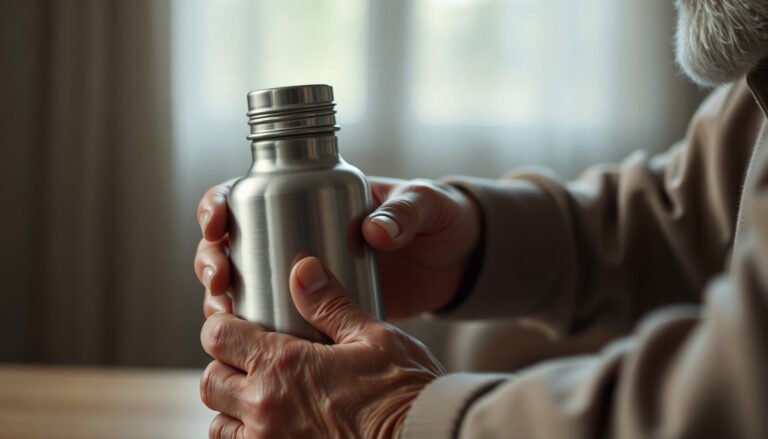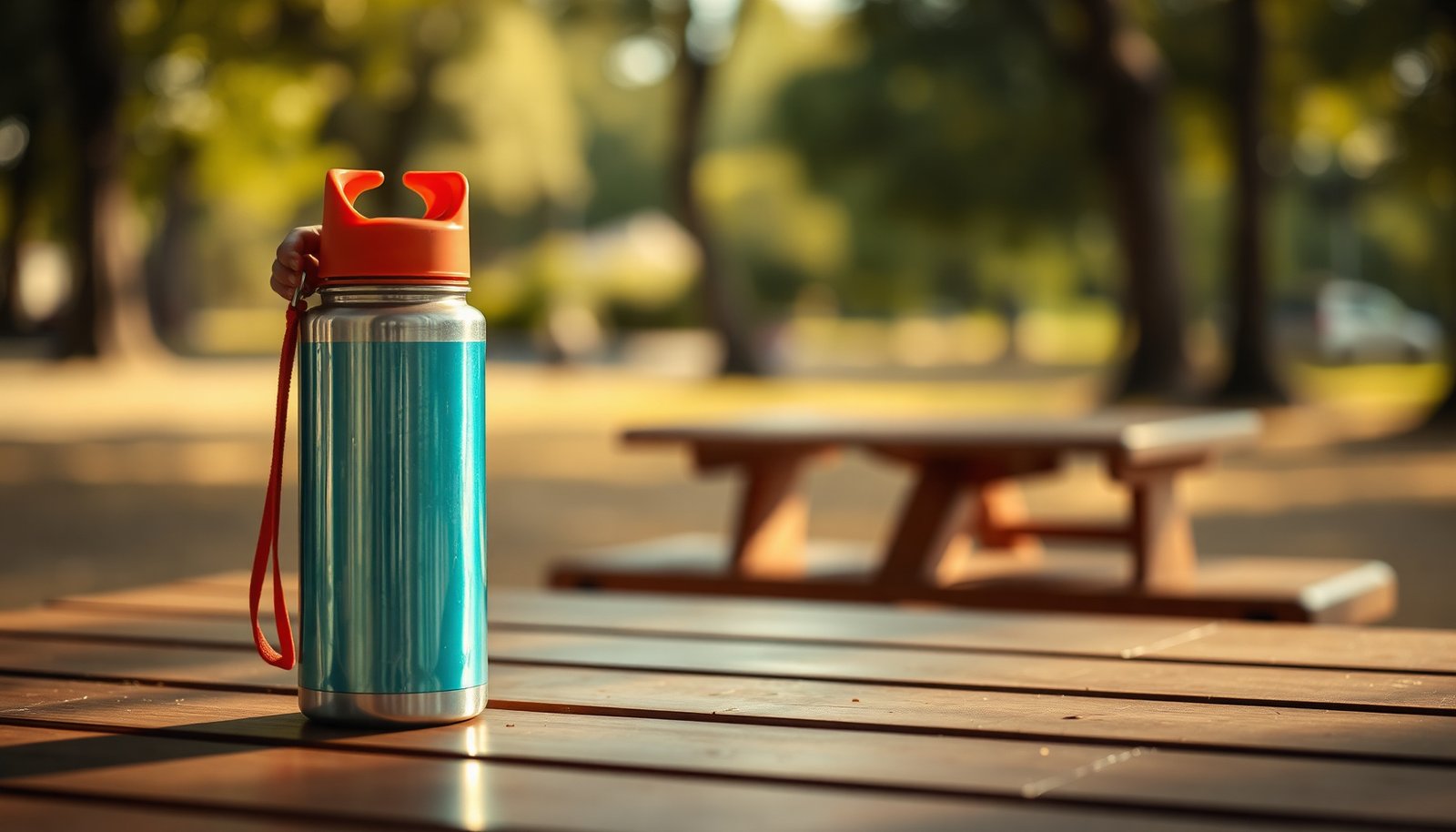
You toss your kid’s aluminum water bottle into the backpack, and you want it to stay put and leak-free until snack time. The best option is the one that earns your trust on essentials—kid-safe materials and lining, a tight, easy-to-use cap, comfortable carry features, impact-resistant construction, and parts that clean thoroughly—so you can choose a model that performs, not one that fails after a few days.
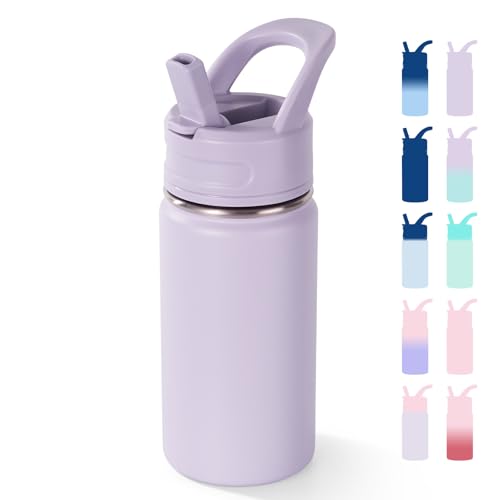



Pick an aluminum water bottle for kids by matching size, lid type, and safety features to how they drink and where they use it. Look for BPA-free construction, a secure leak-resistant cap, and an easy-to-clean interior so the bottle stays hygienic. In this guide, we’ll walk through the exact features to compare and the common mistakes to avoid.
This is for parents and caregivers shopping for a kid’s daily water bottle—whether for school, sports, travel, or car days—and who want something durable without sacrificing safe drinking and manageable cleaning.
Start with the right size for your kid
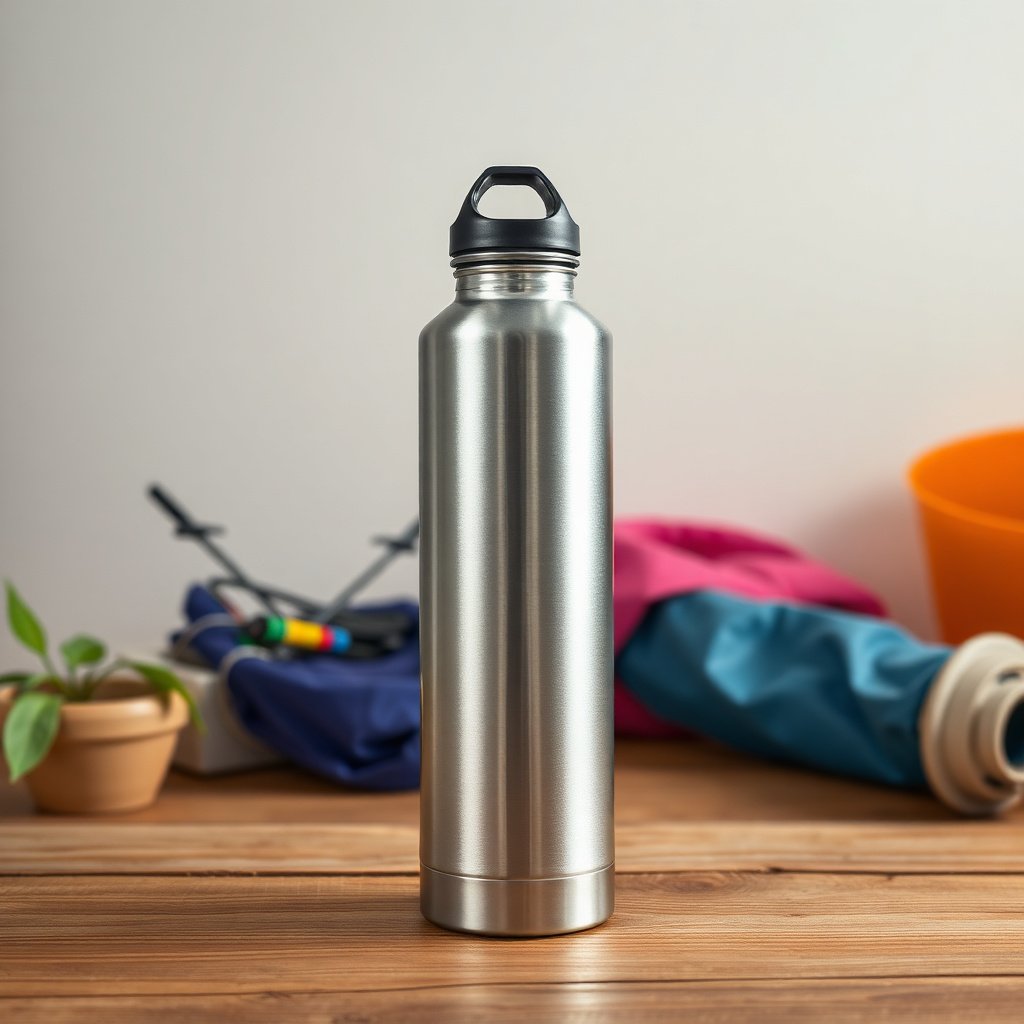
The best aluminum water bottle for kids is the one they’ll actually finish—so size is about drinking behavior, not just capacity labels. A well-matched capacity makes refills realistic at school and keeps the bottle light enough for daily carry.
– Choose a capacity that fits their age and typical refill habits (not just what “sounds big”).
– Make sure the bottle is comfortable to hold and carry—especially for younger kids who may struggle with heavier styles.
– Practical rule of thumb: if your kid drinks in frequent sips (class + recess), lean smaller with easier carry; if they take longer fills for sports or travel, step up in capacity.
How to size it without guesswork:
Start from the child’s routine. For a school day, consider how many times they realistically get refills (lunch? sports bag? another class transition?). For sports or camps, think in terms of exercise duration: according to the American College of Sports Medicine, athletes often need roughly 0.4–0.8 L per hour during exercise (2016) American College of Sports Medicine, 2016. That doesn’t mean every kid needs the top end, but it tells you why “small bottles” can run out fast during active days.
If you’re trying to approximate daily hydration, water intake guidance also helps. According to the National Academies’ adequate intake recommendations, total water from all beverages for children ages 4–8 is about 1.7 L/day (2005) National Academies of Sciences, Engineering, and Medicine, 2005. A single bottle usually won’t cover the whole day in practice, but it gives a rational baseline for choosing capacity tiers.
Common Kid-Friendly Aluminum Bottle Capacities (Quick Fit Map)
| # | Capacity tier | Equivalent volume | Typical age fit | Carry & refill convenience |
|---|---|---|---|---|
| 1 | 10 oz (295 mL) | 295 mL | 2–4 | ★★☆☆☆ |
| 2 | 12 oz (355 mL) | 355 mL | 3–5 | ★★★☆☆ |
| 3 | 14 oz (414 mL) | 414 mL | 5–7 | ★★★★☆ |
| 4 | 16 oz (473 mL) | 473 mL | 6–9 | ★★★★★ |
| 5 | 18 oz (532 mL) | 532 mL | 7–10 | ★★★★☆ |
| 6 | 24 oz (710 mL) | 710 mL | 8–12 | ★★★★☆ |
| 7 | 32 oz (946 mL) | 946 mL | 10–teen | ★★★☆☆ |
This capacity guide is meant to help you narrow quickly. The final “right” aluminum water bottle for kids still depends on how they carry it (backpack vs. lunch box) and how often refills are available.
Prioritize kid-friendly lids that prevent leaks
A leak-resistant lid is what turns an aluminum bottle into an everyday win rather than a bag disaster. In practice, the lid is usually the biggest failure point—so prioritize how it seals and how your child can operate it confidently.
– Look for a cap design that’s genuinely spill-resistant for backpacks and car seats (not only “somewhat secure”).
– If your child struggles with twists, consider lids designed for one-step opening that reduce frustration.
– Confirm the cap includes both a sealing method (like a gasket or internal ring) and a locking action (not just gravity pressure).
To make lid shopping easier, compare common kid bottle lid styles. Here’s a quick, parent-focused tradeoff view:
| Lid type | What it’s best at | Watch-outs for leaks |
|---|---|---|
| Screw cap (classic) | Strong seal when fully tightened; good for car rides. | If kids don’t tighten completely, leaks rise sharply. |
| Flip-top with latch | Fast one-hand drinking for school and play. | Check for a real locking tab—not just a hinge. |
| Straw lid | Reduces splashing; helpful for younger kids. | Straws can trap residue if cleaning is inconsistent. |
| Chug spout / push-pull | Quick hydration for sports and active travel. | Look for a lock to prevent accidental opening. |
From what I commonly see when reviewing aluminum bottle care instructions, families often underestimate lid complexity. If your aluminum water bottle for kids has multiple moving parts, you’ll need consistent cleaning to keep the seal healthy and odor-free.
Check safety and materials details (beyond the word “aluminum”)
The safest aluminum water bottle for kids is the one that clearly states what touches the drink. “Aluminum bottle” alone doesn’t guarantee anything about the inner lining, coatings, or seal materials.
– Confirm the bottle is BPA-free and that the lining/coating (if any) is rated for safe contact with drinks.
– Watch for “naked” aluminum contact claims—many aluminum bottles use internal linings, so verify what’s inside the drinking path.
In the US, BPA exposure concerns helped shape how manufacturers market kid bottles. According to the US Food and Drug Administration, FDA’s restrictions banned BPA-containing plastics from infant bottles and certain sippy cups (2012) U.S. Food and Drug Administration, 2012. While that doesn’t automatically apply to every aluminum water bottle for kids, it’s a useful reminder: regulators and consumer expectations drive stricter labeling for beverage-contact materials.
Here’s how to verify safety without getting lost in marketing:
– Look for explicit “BPA-free” plus clarity on the inner beverage path (lining/coating type and where it’s used).
– Check what the lid is made from (gaskets and valves are often polymer-based).
– If the bottle uses a lining, prioritize brands that describe cleaning care and replacement parts for that specific system.
Important nuance: some aluminum bottles are marketed as “aluminum inside,” but many still use a coating where liquids contact. For that reason, don’t assume safety from the word “aluminum.” Instead, treat “what touches the drink” as the main criterion for every aluminum water bottle for kids you’re considering.
Choose insulation based on daily routine
The best insulation choice for an aluminum water bottle for kids matches their schedule: long gaps favor insulation, quick refills favor lighter bottles. If you consistently start with cold water, insulation can reduce temperature swings that kids notice immediately.
– If your child drinks cold water for sports or school, insulated options can help slow temperature changes.
– For simple everyday hydration, an uninsulated bottle may be easier and lighter—just expect temperature to shift faster.
Consider where your aluminum bottle lives between sips:
– School backpack: Uninsulated bottles warm toward ambient temperature; insulation helps keep water cooler longer, but the bottle also becomes slightly heavier.
– Car days: Sun exposure can heat bottles quickly. Insulation can help, but lids and carrying habits still matter for leaks.
– Sports: If your kid goes from practice to a car pickup with limited access to refills, insulation is often the practical choice.
As of 2026, many brands offer both insulated and non-insulated aluminum bottles, but the “best” option varies by routine. If your child reliably refills once or twice, you may not need insulation. If they don’t, insulation can reduce “warm water complaints” and keep hydration more consistent.
Focus on cleaning and durability (this is where most bottles fail)
The most hygienic aluminum water bottle for kids is the one you can clean thoroughly every day. Cleaning performance determines taste, odor, and whether the lid seal stays intact over time.
– Pick a shape that’s easy to reach—wide-mouth designs generally make brushing and rinsing simpler.
– Verify whether the bottle and lid are dishwasher-safe or require hand-washing to protect seals and coatings.
Cleaning isn’t just about removing visible residue—it’s about preventing mineral buildup and biofilm (a thin layer of microorganisms that can form on surfaces). Wide-mouth openings make it easier to reach corners where residue collects, especially around the lid gasket channel.
Durability checks to do before you commit:
– Confirm the lid has replaceable seals (gaskets) if the design supports it.
– Prefer fewer small internal parts if your kid’s bottle is cleaned by caregivers who have limited time.
– Look for an interior surface finish that’s meant for frequent cleaning (and doesn’t trap grime).
From a practical standpoint, I’ve found that aluminum water bottle for kids with straw systems often require more discipline to clean fully. If you’re already using a straw, plan on taking a little extra care with brush access and drying—especially after dairy or flavored drinks.
What can go wrong when picking the “wrong” bottle
The wrong aluminum water bottle for kids typically fails in predictable ways: it leaks, it gets hard to clean, or the temperature becomes unpleasant. Avoiding these common issues is the fastest route to a bottle that lasts beyond the first month.
– Loose caps: a cap that isn’t fully tightened (or has worn seals) is the #1 cause of leaks in bags.
– Hard-to-clean interiors: narrow openings or complex lid parts can trap residue and affect taste.
– Temperature surprises: insulated vs. non-insulated matters—kids may find water unexpectedly warm/cold depending on weather and storage.
Edge cases to think about:
– Lid wear without obvious leaks: A seal can degrade slowly, so performance drops before you see water in the bag.
– Odor retention: Even if the bottle looks clean, lingering smells usually mean residue stayed in the lid gasket area.
– Care mismatch: If you buy a bottle that “requires hand-washing” and you routinely dishwash the seals, you can shorten seal life.
If you want your aluminum water bottle for kids to hold up in real life, treat leak resistance and cleaning complexity as equal priorities—not “nice-to-haves.”
Our verdict: what to buy (and who should skip aluminum bottles)
An aluminum water bottle is a strong choice for kids who need a durable everyday bottle with a leak-resistant lid and straightforward cleaning. Skip aluminum (or be extra careful with your choice) if your child dislikes certain mouth-feel from linings, if you can’t maintain seals/lids properly, or if you need a bottle that’s easier to replace frequently due to heavy wear.
If you want the safest, least-fussy option, prioritize: BPA-free materials, a kid-manageable leak-resistant cap, and a bottle interior that you can clean without shortcuts.
Who should be extra careful:
– Kids with sensory sensitivities to coatings or textures in the drinking path.
– Families where the bottle frequently goes unwashed (even for a day or two).
– Households that can’t verify which materials contact the drink—because “BPA-free” alone might not address lining/coating specifics for every aluminum water bottle for kids.
Also, keep expectations realistic: an aluminum water bottle for kids can be durable, but the lid and seals often determine long-term satisfaction. If you’re planning to buy in 2026, check whether replacement seals are available and whether the lid design is easy for your child to operate correctly every time.
Quick checklist to scan before you buy
– [ ] BPA-free + safe contact materials confirmed (including lining/coating if used)
– [ ] Leak-resistant lid that’s easy for your kid to operate
– [ ] Size matches their routine (school day, sports, or travel)
– [ ] Insulation fits your needs (cold retention vs. lighter/basic use)
– [ ] Easy-to-clean opening + lid parts you can actually wash
– [ ] Cleaning method is clear (dishwasher-safe vs. hand-wash care)
Frequently Asked Questions
What size aluminum water bottle is best for kids?
For most kids, a 12–16 oz (355–473 ml) aluminum water bottle is a practical range because it fits in lunchboxes and encourages regular sipping without overwhelming them. Younger kids often do best with smaller bottles they can easily carry and finish, while older kids can handle 18–24 oz for longer school days or sports. If your child forgets to drink, choose a size that won’t feel like a chore to finish.
How do I choose a kid-safe aluminum water bottle with a leakproof lid?
Look for a leakproof design with a secure cap or flip-top that can lock in place, especially for backpacks and school bags. Consider lids with an easy open mechanism so your child can use it independently, but still stays sealed during tossing and movement. If possible, choose bottles labeled as “leak-resistant” or “spill-proof” and check reviews from parents for real-world performance.
Why is the bottle’s lining and taste important for aluminum water bottles for kids?
Many aluminum bottles use a food-grade liner (often stainless steel or an internal coating) to help prevent metallic taste and protect your child from direct contact with aluminum. A good lining also makes cleaning easier and helps maintain the taste of water over time. If your child is sensitive to taste, opt for bottles specifically designed for water storage and avoid unlined or low-quality coatings.
Which insulation features should I look for to keep water cold at school?
If you want water to stay cold longer, choose an insulated vacuum-sealed aluminum water bottle designed for temperature retention. These typically outperform single-wall models, which only cool for a short period and can warm quickly in hot weather. For school use, also confirm the bottle is durable and easy to clean so the insulation doesn’t get neglected.
What is the best way to clean and maintain an aluminum water bottle for kids?
Clean the bottle regularly with warm, soapy water and rinse thoroughly after each use or at least daily, especially if it’s used for sports or frequent sips. Use a bottle brush that reaches the bottom and around the lid to remove residue, and avoid harsh chemicals that can damage the lining or taste. Let the bottle air-dry completely with the lid off, and replace any worn gaskets or straws to maintain leakproof performance.
📅 Last Updated: November 25, 2026 | Topic: How to Pick a Aluminum Water Bottle for Kids | Content verified for accuracy and freshness.
References
- https://www.atsdr.cdc.gov/toxprofiles/tp46.pdf
- https://www.epa.gov/dwstandardsregulations/secondary-drinking-water-standards
- DSpace
- Water bottle
- Aluminium
- aluminum leaching food contact containers – Search Results – PubMed
- https://www.sciencedirect.com/search?qs=aluminum+leaching+beverage+containers
- https://scholar.google.com/scholar?q=aluminum+leaching+from+aluminum+water+bottles Google Scholar
- https://scholar.google.com/scholar?q=aluminum+beverage+container+corrosion+acidic+drinks Google Scholar
- https://scholar.google.com/scholar?q=children+aluminum+exposure+drinking+water Google Scholar