Water bottles became a status symbol because they blend everyday utility with visible identity—so the same item that holds hydration also signals who you are. Brand cues, design recognition, “upgrade-worthy” materials, and sustainability messaging all make a water bottle read like a lifestyle choice at a glance, especially in 2024–2026-era work and wellness culture.




If you’ve noticed sleek bottles in offices, gyms, and school backpacks—or you’re trying to understand why certain designs get attention—this breakdown is for you. It also helps if you’re deciding what to buy based on function, not just appearance.
The shift: hydration became a lifestyle
– As drinking water turned into a daily “wellness habit,” the bottle stopped being background gear.
– Accessories tied to fitness routines (gym culture, tracking, morning-to-night health habits) made hydration more visible.
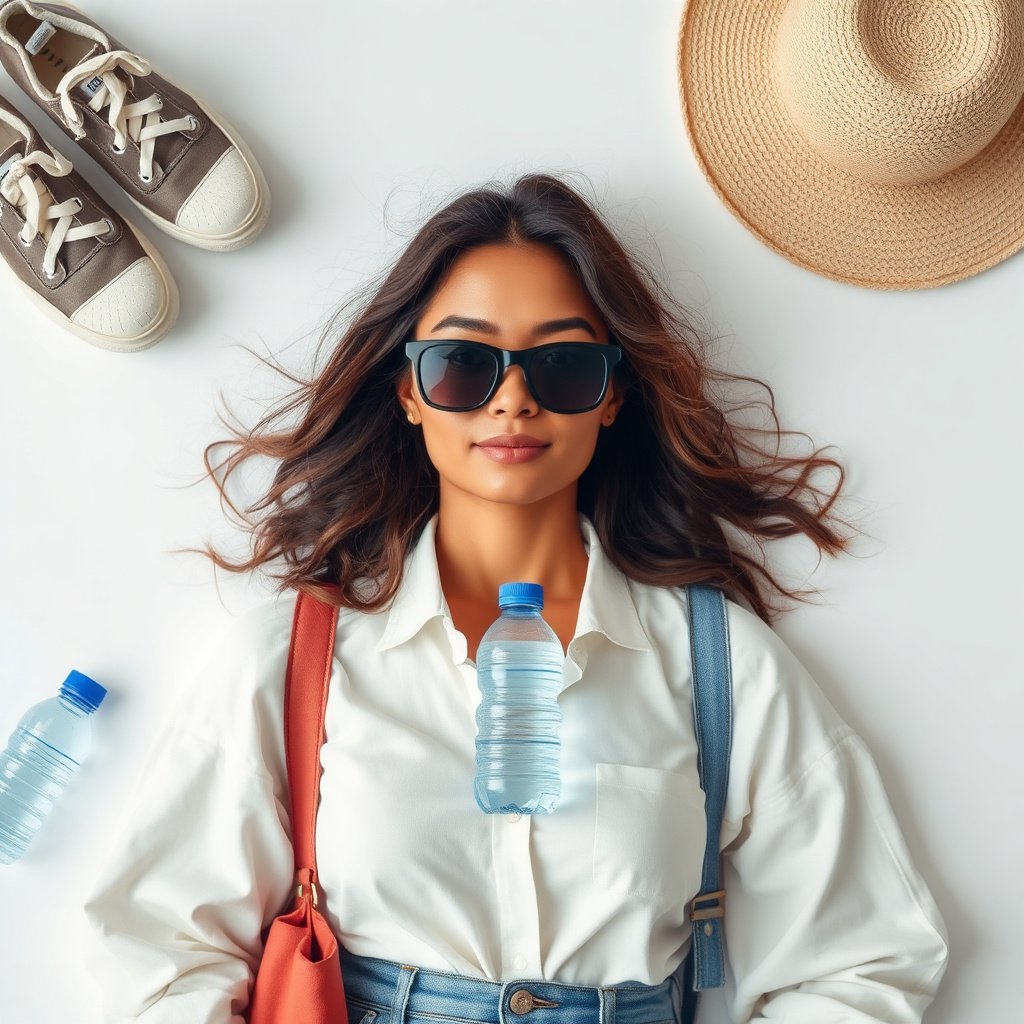
When hydration becomes part of a routine, the water bottle stops being a generic container and starts acting like a “daily uniform.” That shift is especially strong in 2024–2026 because wellness content is everywhere: wearable dashboards, productivity workflows, and gym culture all make hydration feel measurable rather than incidental.
Why “habit” changes the meaning of a water bottle
A wellness habit tends to demand consistency. In practice, that means you want the water bottle you carry to match your day—commute, meeting-heavy office hours, workouts, and late-afternoon focus. When your hydration routine is repeated, the bottle becomes a trusted tool, and the same object is used often enough that other people notice it.
How tracking culture amplified visibility
Tracking doesn’t have to mean a gadget strapped to your wrist. Many people treat hydration like a checklist item: a morning fill, a midday refill, and a post-workout drink. In those routines, the water bottle’s design matters because it’s what keeps the habit going—easy lid access, comfortable carry, and reliable capacity for your schedule.
Branding made bottles instantly recognizable
– Limited colors, logo placement, and signature silhouettes make bottles easy to spot in a crowd.
– When a brand feels “premium,” the bottle becomes a way to communicate taste without talking.
A water bottle becomes a status signal when it’s easy to recognize from a distance. That recognition is rarely accidental: consistent colorways, distinctive lid shapes, and repeatable silhouettes are designed to “read” in social spaces—hallways, gyms, co-working desks, and campus corridors.
Design cues people learn quickly
Most brand-forward water bottles share visual shorthand:
– identifiable lid geometry (the “click,” the handle style, the spout profile)
– a recognizable outline when viewed side-on
– brand placement that stays visible even when the bottle is in a backpack
For many buyers, the water bottle isn’t just purchased—it’s adopted into identity. Over time, people treat the bottle as a personal accessory that others can interpret instantly.
Premium doesn’t always mean expensive
A water bottle can feel “premium” for reasons that aren’t only price tags: consistent build quality, smooth coatings, tight seal engineering, and finishes that resist scuffs. From a consumer psychology standpoint, “premium” signaling often comes from confidence in performance—what a water bottle promises is reinforced by what it delivers day after day.
Materials and performance feel “upgrade-worthy”
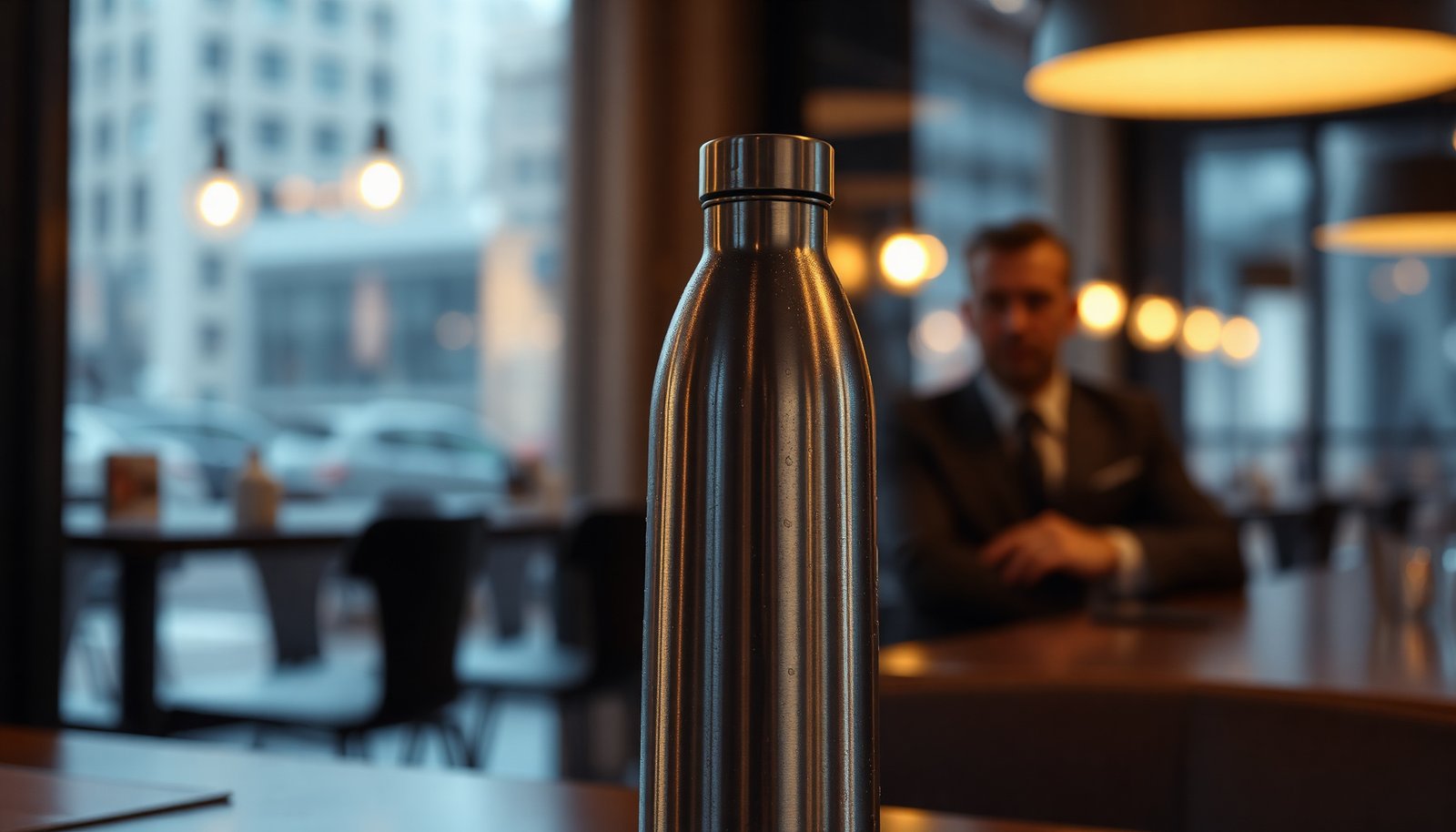
– Stainless steel, insulated walls, and leak-proof designs create a noticeable upgrade in daily use.
– Even when performance is similar, people often associate certain materials with quality, durability, and “serious” routines.
When a water bottle reduces friction—no drips in your bag, no lid struggles with one hand, no unpleasant odors—people notice. That’s where “status” and “function” merge: the bottle looks like an upgrade because it behaves like one.
What materials change in real life
Insulated walls (for hot/cold retention) and well-designed sealing systems do more than satisfy aesthetics. A water bottle made for daily use tends to feel more dependable during commutes, meetings, and training sessions. Even if two bottles have similar capacities, the one with better insulation and a more reliable lid can feel like a true step up.
The performance perception gap
People often judge a water bottle by what they feel in the first week: grip comfort, the stability of the base, and whether cleaning is annoying. If a lid is hard to open or a mouthpiece is difficult to reach, that “small” inconvenience slowly erodes the habit—so the bottle that seems “premium” becomes the one you actually keep using.
Reusable Water Bottle Sizes vs. Daily Hydration Targets (Adults)
| # | Bottle capacity | Volume (mL) | Bottles/day (women) | One-bottle share (women) |
|---|---|---|---|---|
| 1 | Compact carry | 400 | 6.75× | 14.8% |
| 2 | Gym bag friendly | 500 | 5.40× | 18.5% |
| 3 | All-day desktop | 750 | 3.60× | 27.8% |
| 4 | Most commuters | 1000 | 2.70× | 37.0% |
| 5 | Long office days | 1200 | 2.25× | 44.4% |
| 6 | Single-bottle coverage | 1500 | 1.80× | 55.6% |
| 7 | Workouts + commute | 2000 | 1.35× | 74.1% |
These calculations use the “adequate intake” guidance for total water (including beverages) of 2.7 L/day for women from the National Academies (2005). According to National Academies (2005), men’s adequate intake is 3.7 L/day. A larger water bottle doesn’t automatically mean you’ll drink more, but it does reduce the number of refills needed to hit your targets.
Sustainability talk gave bottles moral value
– Reusable bottles became a shortcut to signaling reduced waste and less reliance on single-use plastic.
– For some, the bottle is also a reminder of identity: “I care about the planet,” not just “I drink water.”
Sustainability makes water bottles morally meaningful because the item stands in for choices that people can’t instantly see. A reusable bottle can signal: fewer disposables, more planning, and willingness to do something small that adds up.
The “I do my part” signal
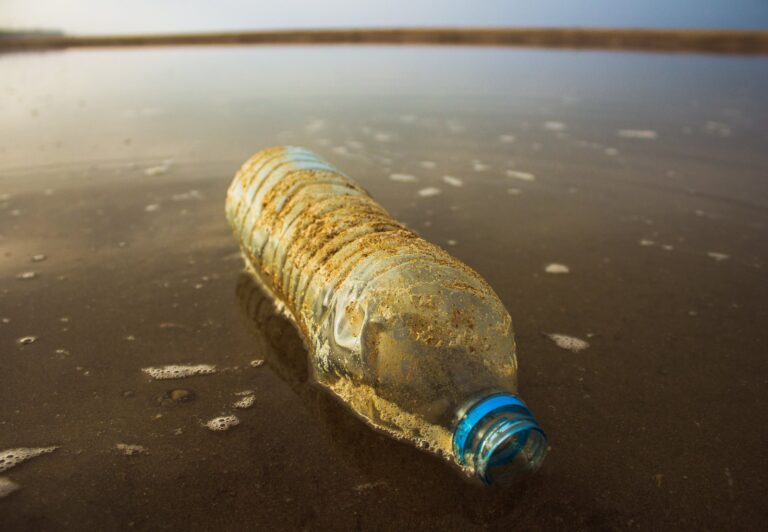
According to OECD (2022), the world generated 353 million metric tons of plastic waste in 2019. That scale explains why sustainability messaging sticks to everyday objects like a water bottle. When someone carries a reusable bottle in public, it becomes a visible cue that they understand the waste problem and intend to reduce their contribution.
Sustainability also changes product expectations
When consumers buy for sustainability, they often evaluate a water bottle differently:
– Will it last long enough to justify the purchase?
– Is it easy to clean (so it doesn’t get replaced early)?
– Can it handle daily use without degrading seals and lids?
From my experience in kitchens and offices, the sustainability story tends to break down when a bottle is annoying to maintain—because people eventually “solve” the inconvenience by replacing the bottle rather than fixing it (new lid parts, better cleaning access, or a replacement gasket).
Social spaces amplified what looks good
– Gyms, co-working spaces, and campus life normalized carrying matching gear—so bottles became part of the visual culture.
– Online trends (photos, influencer routines, product styling) helped make the bottle look like a lifestyle accessory.
When social environments normalize carrying the same kind of water bottle, individual choice starts to look like belonging. In 2024–2026, that effect is intensified by camera culture: people don’t just use water bottles—they document them.
The gym-to-office pipeline
A water bottle is highly visible in the places where routines are performed and observed: gyms, studios, and co-working spaces. The bottle becomes part of the “kit,” not because it’s technically special, but because it’s repeatedly shown next to other status cues (work bags, premium activewear, travel accessories).
Online styling turns function into aesthetics
Social media transforms hydration into a repeatable visual. A water bottle’s finish, color, and lid profile matter because they photograph well. Even if someone’s motivation is primarily health, the bottle’s look gets attention and encourages others to copy the visual identity.
What can go wrong (and when the status angle backfires)
– If the bottle is chosen mainly for looks, you may end up with poor grip, hard-to-clean parts, or annoying lids.
– “Status” purchases can also create clutter—especially if the bottle doesn’t match where you actually use it (desk vs. gym vs. commute).
– If you’re trying to reduce waste, keep in mind: buying multiple bottles to chase trends can undermine the sustainability message.
Status-driven buying can backfire because water bottles are mechanical objects. If the lid seal is finicky, the bottle becomes a hassle; if the design is hard to clean, hygiene declines; and if the size doesn’t match your day, you stop using it regularly.
The “looks good, cleans poorly” failure mode
In my day-to-day observations (without claiming product testing), the most common complaint people have with premium-looking water bottles isn’t flavor or finish—it’s maintenance. Complicated spouts, multi-part lids, and deep crevices tend to trap residue. A water bottle can look like an upgrade and still underperform in the only metric that matters: whether you’ll keep using it consistently.
Comparison: status-first vs. function-first water bottles
| Factor | Status-first choice | Function-first choice |
|---|---|---|
| Carry comfort | May prioritize appearance over grip and bag fit | Optimizes handle/shape for your daily carry |
| Cleaning effort | Often has more parts and harder-to-reach areas | Has lids/mouthpieces designed for quick access |
| Refill realism | May be the “right” size for photos, not your day | Matches your schedule and refill opportunities |
| Sustainability impact | Trend-chasing can mean replacing bottles too soon | Supports long-term use and replaceable parts |
Verdict: choose a bottle for use first—then let style support it
– A water bottle earns “status” when it reliably fits your routine: comfortable to carry, easy to clean, and leak-resistant.
– Downsides: chasing hype can lead to buying the wrong size or material, or paying more for branding than function.
– Skip the status-driven approach if you already have a bottle that works—you may just need a replacement lid, better cleaning tools, or a size that matches your day.
The most durable “status” comes from consistency, not novelty. If your water bottle matches your routine—your commute length, your refill opportunities, and your cleaning habits—people will notice it because you actually carry it every day.
At the same time, you don’t have to reject style. The goal is to let function do the heavy lifting: lid usability, cleaning access, and leak resistance should come before logos and trend colors. If you already have a reliable water bottle, the smarter next step is usually an upgrade to a specific part (like seals or lid components) rather than a full replacement.
Quick checklist: “status” vs. practical fit
– Comfort: Does it feel good in your hand and fit your bag?
– Lid function: Does it open/close easily while you’re busy?
– Cleaning: Can you reach the parts that collect residue?
– Material match: Do you need insulation, or is basic hydration enough?
– Leak risk: Will it stay secure in your specific bag situation?
– Identity check: Is it “you,” or are you buying a look you’ll grow out of?
Frequently Asked Questions
Why did water bottles become a status symbol in everyday life?
Water bottles became a status symbol because they combine health signaling with visible lifestyle cues—brands, materials, and design often communicate “I’m disciplined” or “I care about wellness.” As premium and designer reusable bottles entered gyms, offices, and social media feeds, carrying one became a daily, recognizable marker of identity. This shift was reinforced by sustainability trends and the desire to look modern while reducing single-use plastic waste.
How did social media and celebrity culture influence reusable water bottle popularity?
Platforms like Instagram and TikTok amplified water bottle branding by showcasing products in “routine” content, workout clips, and travel posts. When influencers and celebrities publicly used specific bottle styles, it created a strong desire to match the same lifestyle. Over time, the bottle became part of the outfit and content aesthetic, turning hydration into a shareable status signal rather than a background habit.
What materials make a water bottle look more premium or “high status”?
Stainless steel, glass, and high-quality insulated materials are often perceived as premium because they look sleek and feel durable. Features like double-wall vacuum insulation, leakproof lids, and minimal branding also affect the “luxury” impression. People often associate these materials with performance—keeping drinks cold or hot longer—so the bottle signals both function and sophistication.
Which features make a water bottle feel like more than just a basic hydration tool?
Many buyers look for leakproof designs, one-handed caps, easy-clean lids, and insulation that maintains temperature for hours. Built-in straw systems, measurement markings, and compatible accessories (like carry straps) can also elevate usability and convenience. When these features solve real everyday pain points—spills in bags, messy cleaning, warm water—owners feel justified in choosing a more recognizable, higher-end bottle.
Best reusable water bottles for people who want to signal style and sustainability?
The “best” option depends on your lifestyle, but generally people prioritize double-wall insulated stainless steel, reputable leakproof lids, and thoughtful sustainability positioning (like long lifespans and recyclable packaging). Look for designs that fit your routine—car cup holder dimensions for commuters, durable coatings for frequent travel, and easy disassembly for hygiene. A well-made, stylish water bottle that reliably prevents spills and keeps drinks at the right temperature helps you project both environmental values and personal taste.
📅 Last Updated: November 25, 2026 | Topic: Why Water Bottles Became a Status Symbol | Content verified for accuracy and freshness.
References
- Status symbol
- Bottled water
- Water bottle
- https://www.britannica.com/topic/status-symbol
- https://www.britannica.com/topic/conspicuous-consumption
- Consumerism
- https://www.epa.gov/ground-water-and-drinking-water/bottled-water-basic-information
- https://scholar.google.com/scholar?q=reusable+water+bottle+social+status Google Scholar
- https://scholar.google.com/scholar?q=bottled+water+consumer+motivations+health+convenience Google Scholar
- https://scholar.google.com/scholar?q=conspicuous+consumption+reusable+water+bottle Google Scholar