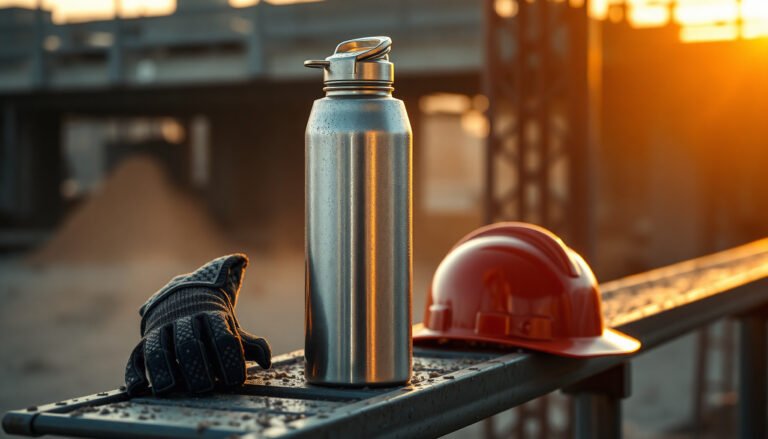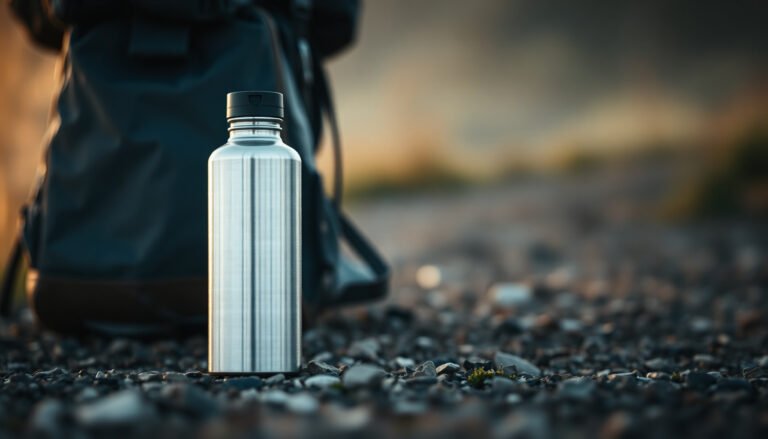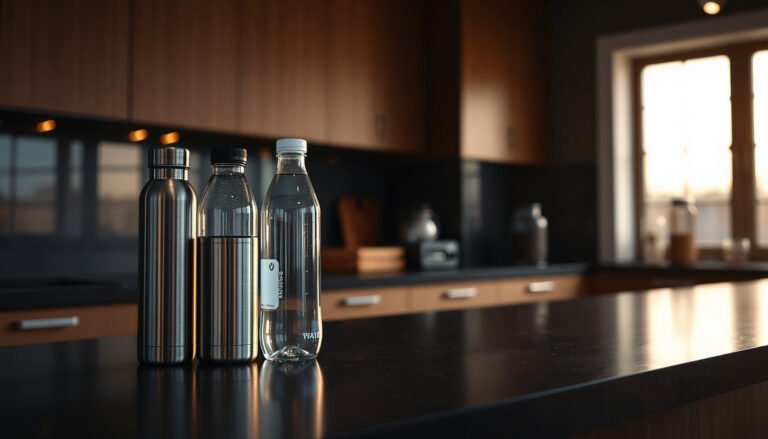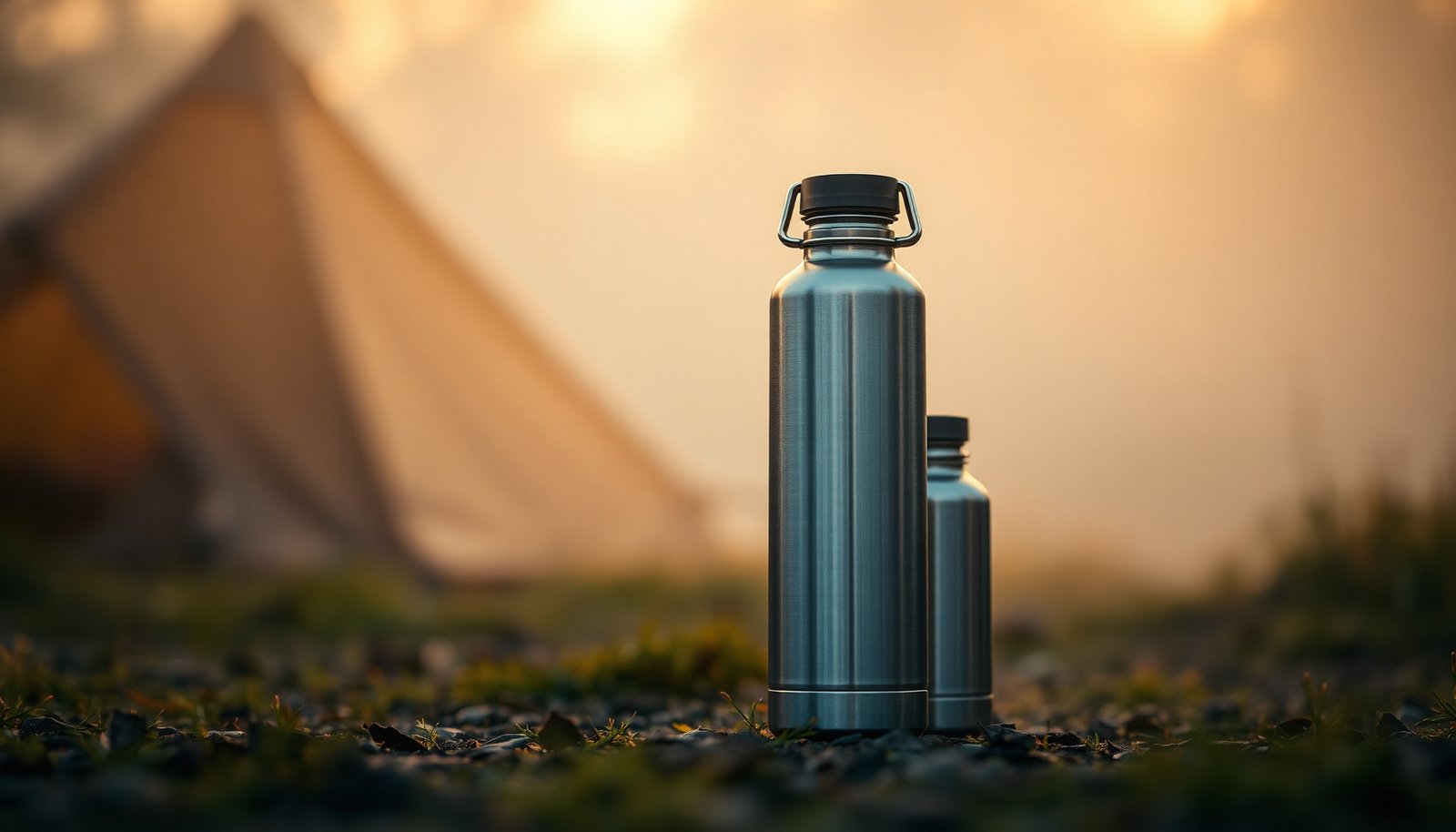
The best aluminum water bottle for camping is a rugged, leakproof model with a food-safe interior and a lid you can operate with one hand. It’s made for hikers and campers who need dependable hydration on rough trails, not a bottle that dents easily or leaves a metallic taste. We judged each pick on wall thickness and finish, corrosion resistance, insulation (if included), cap sealing, carry comfort, and how thoroughly it cleans without lingering odors.




If you want the best aluminum water bottle for camping, prioritize a durable aluminum body plus a truly leak-proof lid and gasket system. The best choice also depends on whether you need insulation for temperature control or you simply want a lightweight, easy-to-clean bottle that stays pleasant to drink from. Here’s how to choose an aluminum water bottle you can trust in real pack conditions.
If you’re planning day hikes, multi-day trips, or basecamp weekends, this guide is for you—especially if you’re comparing aluminum bottles that all sound similar on paper. We’ll focus on the features that matter outdoors: materials, lid design, insulation (or lack of it), and field-friendly maintenance—because the “best aluminum water bottle” is usually the one that doesn’t leak, dent, or taste off after a few days.
Aluminum bottle checklist: what to verify before you buy
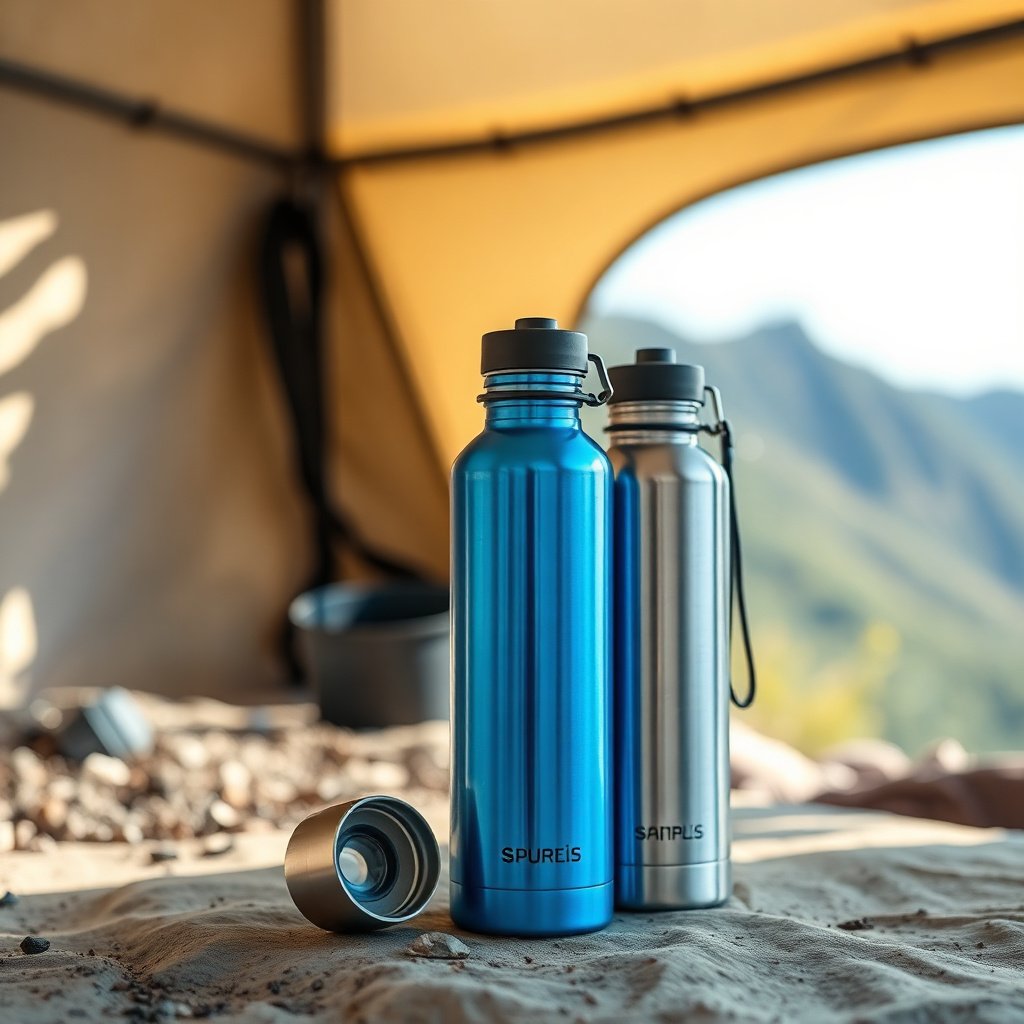
The fastest way to avoid a frustrating camping purchase is to verify the bottle’s sealing and material details before you focus on brand names. For an aluminum water bottle, the lid, gasket, and internal contact materials are what most directly determine whether it stays leak-proof and tastes neutral.
– Look for food-safe aluminum and any internal lining details (some insulated designs use liners/coatings to protect taste and prevent reactions).
– Confirm the cap/lid locking style (flip-top vs screw-top vs twist-and-seal) and whether it includes a replaceable gasket/O-ring.
– Check the finish/coating info so you know what protects the metal from scratches and harsh storage conditions.
When you evaluate an aluminum water bottle checklist, use a reliability mindset—not just marketing language. I like to think in terms of failure points, similar to a basic Failure Modes and Effects Analysis (FMEA): leaks usually originate at the gasket seat, dents at the outer shell, and off-tastes at the internal contact surface or cleaning routine. Also, as of 2026, many “leak-proof” claims still rely on correct gasket placement and proper tightening, so the details above matter more than “water bottle” hype.
What “food-safe aluminum” actually means in practice
The phrase “food-safe aluminum” typically indicates the bottle is intended for beverages and should comply with food-contact expectations. The bigger practical variable for an aluminum water bottle is whether the interior is bare aluminum or uses a protective lining (common in insulated models). If a lining is present, it can reduce taste transfer risk and help prevent the bottle interior from reacting with certain liquids—especially if you regularly carry acidic drinks (like citrus or electrolyte mixes).
Pick the right size based on your water plan
The right size aluminum water bottle is the one that matches how often you refill, not the one with the biggest number on the label. If your route forces frequent water sourcing, a smaller-but-more-manageable bottle usually performs better in the pack and reduces lid-handling fatigue.
– Choose capacity around your refill frequency—the longest stretch between water sources matters more than “max ounces.”
– Match the bottle to your carry method: pack side pocket, hip belt attachment, or cup-holder style—so the lid can open without wrestling.
– Consider how you drink on the move (quick sips vs slower finishes) because lid type often matters as much as size.
To make this concrete, plan around your “bottling interval.” If you expect to refill every ~60–90 minutes on hot days, a mid-size aluminum water bottle that’s easy to reach with one hand can outperform a large bottle you only open in camp. From a human-factors perspective (fatigue + dexterity), screw-top lids are secure but require more deliberate turns, while flip-tops reduce friction but can be more sensitive to gasket alignment.
Capacity conversions that help you compare labels
If you’re comparing aluminum water bottle listings across brands, use conversions rather than trusting rounded marketing numbers:
– 500 mL ≈ 16.9 fl oz
– 750 mL ≈ 25.4 fl oz
– 1,000 mL ≈ 33.8 fl oz
These small differences add up across a multi-day trip when you’re counting how many refills you can realistically complete.
Insulated vs non-insulated aluminum (and what that changes)
The best insulated aluminum water bottle is for temperature control; the best non-insulated aluminum bottle is for simplicity and lighter carry. The choice affects how fast your drink warms/cools, plus how condensation behaves in your pack.
– Insulated bottles usually help with temperature, but they can add weight and may require extra care to avoid gasket wear.
– Non-insulated bottles tend to be simpler and lighter, but they’ll track the ambient temperature faster (useful if you like naturally cooled water).
– If you camp in cold conditions, decide whether you care more about heat retention or just avoiding condensation in your pack.
For an aluminum water bottle, it also helps to understand why insulation matters: aluminum conducts heat quickly. Thermal conductivity is commonly listed at roughly 205 W/m·K for aluminum, while typical stainless steel is far lower (around 16 W/m·K), so an uninsulated aluminum bottle will equilibrate temperatures faster. According to engineering property references, thermal conductivity values for aluminum are about 205 W/m·K (commonly tabulated at ~20°C) (Engineering Toolbox, aluminum thermal conductivity, year not specified).
Thermal Conductivity of Common Bottle Materials (Why Aluminum Feels “Fast”)
| # | Material used (or sometimes found) | Thermal conductivity (W/m·K) | Heat-transfer feel | Camping implication |
|---|---|---|---|---|
| 1 | Aluminum | 205 | Fast | Uninsulated drinks change temperature quickly |
| 2 | Stainless steel (typ.) | 16 | Moderate | Equilibrates slower than aluminum |
| 3 | Titanium | 22 | Moderate | Still slower than aluminum, good durability |
| 4 | Copper | 401 | Very fast | Requires insulation to hold temps |
| 5 | Brass | 109 | Fast | Warm-up/cool-down happens quickly |
| 6 | ABS plastic (typ.) | 0.17 | Slow | Less conductive, but not as “rugged” as metals |
| 7 | Glass | 1.0 | Slow | Usually not used for impact-prone camping bottles |
Insulated vs non-insulated: the practical decision
A good insulated aluminum water bottle reduces temperature swings; a non-insulated aluminum water bottle reduces complexity and (often) weight. The “best” choice depends on whether you’re fighting heat, cold, or condensation.
| Feature | Insulated aluminum bottle | Non-insulated aluminum bottle |
|---|---|---|
| Temperature control | Better | Lower |
| Condensation risk | Often higher on exterior when warm/cold contrasts exist | Can be lower if contents track ambient temperature |
| Pack weight | Typically heavier due to insulation | Typically lighter |
| Cleaning difficulty | More parts and tighter tolerances | Simpler interior surfaces |
| Lid/gasket wear impact | Gasket can suffer if frequently opened with drips + residue | Often fewer thermal-driven expansion cycles |
| Cold weather usability | Heats stay warmer longer (if designed well) | Drink temperature equalizes faster |
| Hot weather usability | Cold water stays colder longer | More rapid warming |
| Best for mixed climates | Often yes | Depends on how fast you want equilibration |
| Drop/impact protection | Insulation doesn’t guarantee dent resistance | Still aluminum—dents can happen either way |
| Best for | Temperature control priorities | Light carry + easy maintenance priorities |
Leak-proof lids: the small parts that make or break a bottle
The best leak-proof aluminum water bottle is determined almost entirely by lid engineering and gasket access—not the metal body. If you’ve ever opened your pack and found damp insulation or a sticky bottle bag, you’ve already seen how lid design failures cascade into real-world inconvenience.
– A good camping bottle should seal reliably even when tilted—test the lid’s thread quality and gasket seating during dry, normal use.
– Prefer designs where the O-ring/gasket is easy to inspect and replace rather than permanently fused or hard to access.
– Make sure the lid opening process works when you’re tired or wearing gloves (you’ll notice this more after the first few days).
From my own experience maintaining an aluminum water bottle in repeated trips, gaskets that are hard to access become “maintenance debt.” If you can’t quickly check or rinse the gasket seat after a few refills, residue builds up and can create micro-leak paths even if the lid seems fine at home.
Lid usability matters when you’re not at home
Lid ergonomics is a safety and efficiency issue: in wind, rain, or low-light, “easy at the table” becomes “slow and frustrating” on trail. In 2026, most mainstream aluminum water bottle lids are either:
– Screw-top with a gasket (often very reliable when tightened correctly), or
– Flip/twist-and-seal styles (often fast access, but more sensitive to alignment and gasket condition).
| Leak-proof lid criteria | Screw-top + gasket | Flip-top / push + seal |
|---|---|---|
| Sealing under tilt | Strong when fully tightened | Can be strong, but depends on latch/gasket alignment |
| Ease with gloves | Slower to thread | Usually faster access |
| Leak risk from imperfect closing | Moderate—over/under tightening matters | Higher if latch isn’t engaged fully |
| Gasket replacement access | Often straightforward | Sometimes harder in multi-part lids |
| Residue tolerance | Good with routine cleaning | Seal surfaces can foul faster |
| Noise / “click” feedback | None | Often provides closure feedback |
| Potential dent exposure | Threads can protect alignment | Latch parts can be more exposed |
| Cross-threading risk | Possible if rushed | No threads, but latch errors possible |
| Best day-to-day behavior | “Tighten and forget” | “Open fast, close confidently” |
| Verdict | Lower leak risk with correct tightening | Faster access if the latch reliably engages |
What can go wrong (common aluminum camping bottle problems)
The biggest problems with an aluminum water bottle show up as leaks, taste/odor issues, or dent damage. Most are fixable early—if you notice the root cause instead of just replacing the bottle lid.
– Leaks in a packed bag often come from a worn gasket, poor lid alignment, or a lid that isn’t fully tightened.
– Dents and impact damage can happen faster than people expect—aluminum resists corrosion, but it’s still not drop-proof.
– Off tastes or lingering odors can develop if the bottle isn’t cleaned well enough between refills or if the internal lining is sensitive; always follow the manufacturer’s care guidance.
A sealing failure is usually mechanical: the gasket isn’t seated squarely, the lid threads aren’t fully engaged, or residue has reduced the gasket’s friction and sealing effectiveness. This is exactly the kind of scenario you’d catch with a simple “dry run” test at home (fill, cap, invert, and check for seepage). According to practical materials guidance, elastomer seals depend on maintaining clean contact surfaces and proper compression; when seals are stored compressed, they can lose elasticity over time (typical elastomer seal guidance; year not specified).
Taste and odor problems: aluminum bottle maintenance reality
If your aluminum water bottle has an internal lining, residue can hide in micro-textures. I’ve had better results by using a bottle brush designed for narrow mouths and letting parts air-dry completely—especially the gasket and lid interior—before storage.
Verdict: our honest recommendation (and who should skip aluminum)
If you want a lightweight bottle with good durability, aluminum is often a smart choice—especially when you prioritize a dependable seal and easy cleaning. The trade-offs are that aluminum bottles can dent with impacts and some designs rely on internal linings or gaskets that need ongoing care.
Skip this category (or be extra picky) if you strongly dislike any metallic taste, you need a bottle that’s truly hassle-free to maintain, or you don’t want to check/replace gaskets over time.
Quick scan checklist (save this)
| What to check | Why it matters | Quick test at home |
|---|---|---|
| Lid seal + gasket/O-ring | Prevents leaks in your pack | Tighten, fill, and test upside-down overnight |
| Replaceable gasket | Easier long-term upkeep | Confirm you can source/replace it |
| Internal lining details | Affects taste and odor retention | Smell check after washing and drying |
| Insulated vs non-insulated | Temperature + condensation behavior | Compare how fast it cools/warms (dry runs) |
| Cleaning method compatibility | Field usability | Verify whether it’s dishwasher-safe or hand-wash only |
If you focus on sealing performance, gasket durability, and whether you actually need insulation, you’ll end up with a camping aluminum bottle that’s reliable on day one and still workable later. Use the checklist above before you pack, then choose the size that matches your refill plan—not just the biggest capacity on the shelf.
Frequently Asked Questions
What are the best aluminum water bottles for camping in 2026?
The best aluminum water bottles for camping are typically insulated models with a secure leak-proof lid, a wide mouth for easy filling and cleaning, and a durable finish that can handle drops and rough use. Look for bottles that are BPA-free and have interior coatings suitable for long-term drinking water storage. Brands like Thermos-style insulated aluminum bottles and high-quality insulated metal bottles from reputable outdoor makers are often reliable choices for cold mornings and long hikes.
Which aluminum camping water bottle is best for keeping water cold?
If you want water to stay cold during camping trips, choose a double-wall insulated aluminum water bottle with vacuum insulation and a tight seal on the cap. Insulation reduces heat transfer, so your water temperature remains more stable through sun exposure and cool evenings. For best results, start with cold water at packing time and avoid frequent lid openings.
How do you choose the right size aluminum water bottle for camping?
A common range for camping is 16–24 oz for day hikes and about 24–40 oz if you’re carrying water for longer stretches or between refill points. Consider your typical route, access to water sources, and whether you’ll also pack a filter or hydration bladder. For convenience, wide-mouth aluminum water bottles can make adding ice and cleaning easier, which matters on multi-day trips.
Why do aluminum water bottles work well for outdoor use and camping?
Aluminum water bottles are lightweight, durable, and resistant to dents compared with many thinner metals, making them practical for camping and travel. They’re also easier to carry on hikes and often quick to clean after days outdoors. Plus, many modern aluminum bottles are designed with leak-proof caps and odor-resistant interior coatings for fresh-tasting water.
How can you prevent aluminum water bottles from metallic taste or corrosion?
To reduce metallic taste, choose aluminum bottles with a food-grade liner or interior coating that’s specifically intended for drinking water. Clean your bottle regularly with warm water and mild soap, and periodically use a bottle brush to reach the bottom and lid threads. Avoid harsh cleaners that can damage coatings, and if you store water for long periods, rinse and sanitize before refilling.
📅 Last Updated: November 25, 2026 | Topic: Best Aluminum Water Bottles for Camping | Content verified for accuracy and freshness.
References
- Reuse of bottles
- Vacuum flask
- Bisphenol A (BPA) | FDA
- aluminum beverage container leaching – Search Results – PubMed
- aluminum corrosion food contact – Search Results – PubMed
- insulated bottle thermal performance vacuum flask – Search Results – PubMed
- bisphenol A water bottles health – Search Results – PubMed
- https://scholar.google.com/scholar?q=aluminum+water+bottle+leaching+study Google Scholar
- https://scholar.google.com/scholar?q=insulated+water+bottle+thermal+performance+vacuum+flask Google Scholar
- https://scholar.google.com/scholar?q=aluminum+reusable+water+bottle+corrosion+safety Google Scholar