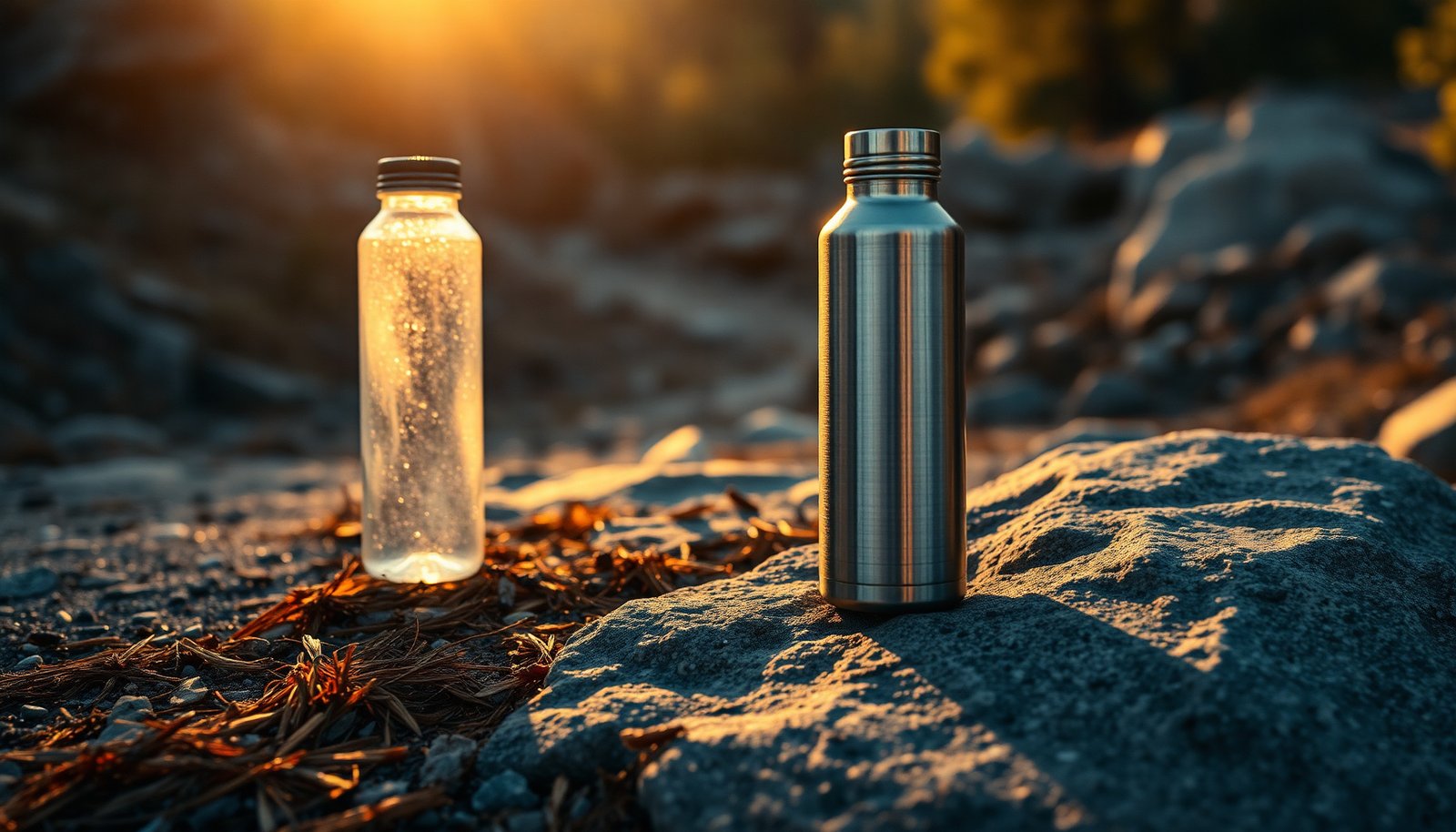
For hiking, choose a Nalgene if you want the toughest, most practical water bottle for rough handling and fast access; choose a Hydro Flask if insulation matters more than total indestructibility. Nalgene suits day hikes and budget-focused trail use where you may drop it, and it’s a good match for easy refills; Hydro Flask suits cold-weather trips and long gaps between resupplies where you want water to stay at temperature. The deciding factors are durability and lid simplicity versus insulation performance and weight.




If you hike in warm weather and want a tough, no-fuss bottle, Nalgene is usually the simpler pick. If you frequently hike in cold mornings or want water to stay hot/cold longer, Hydro Flask’s insulation is the bigger advantage. For 2026 planning, the fastest way to decide is to match the bottle to your temperature swings, not just your favorite brand. In the sections below, we’ll break down the tradeoffs so you can match the bottle to your hike style.
A quick rule of thumb: choose based on temperature control vs durability and simplicity. This is for hikers who carry one main bottle, care about how the bottle feels in the pack, and want fewer surprises with lids, cleaning, and freezing conditions.
Nalgene vs Hydro Flask for Hiking: the real tradeoff
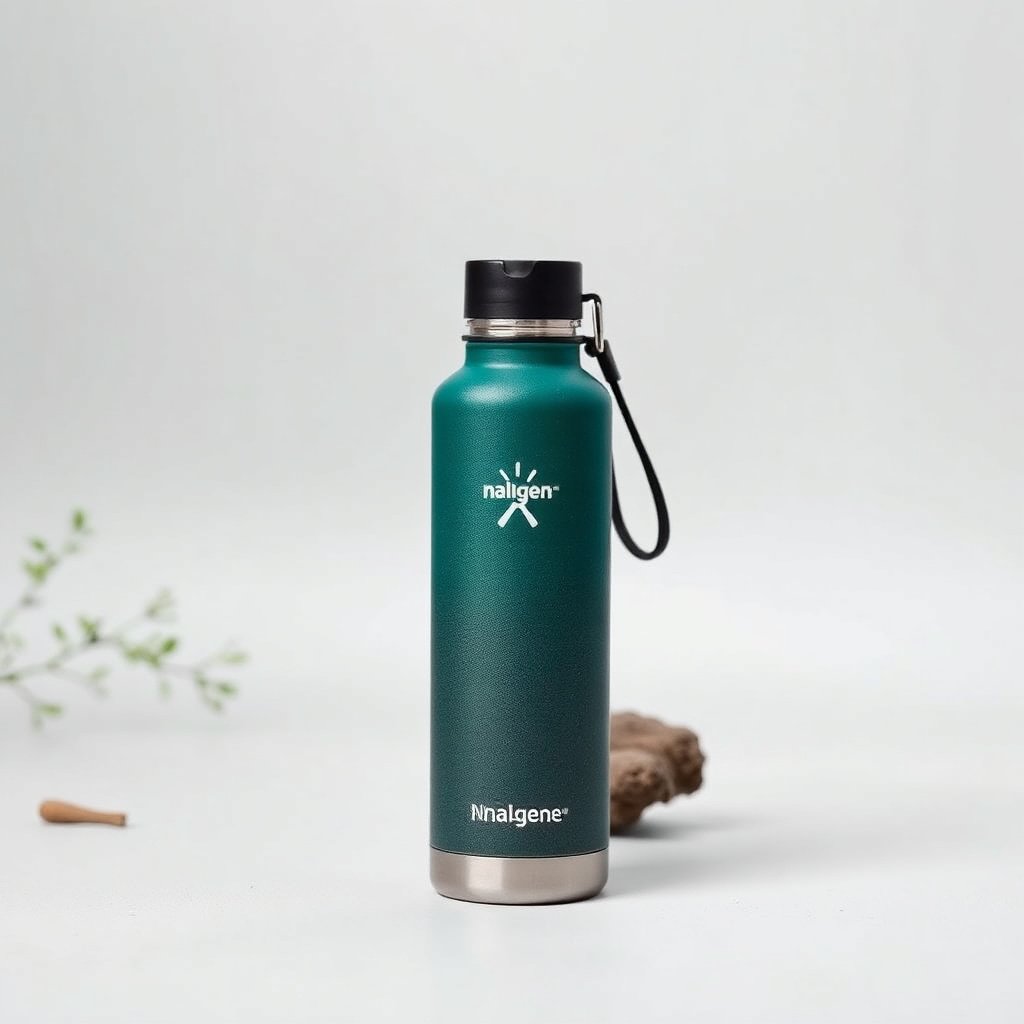
Choose the bottle that matches your temperature reality: Nalgene for rugged simplicity, Hydro Flask for insulation when early-morning conditions matter. The “best” choice comes down to what you’re trying to protect—your time spent refilling and cleaning (Nalgene advantage) or the drinking experience across hours (Hydro Flask advantage). Here’s the tradeoff in practical terms, for Nalgene and Hydro Flask both.
– Temperature performance vs weight/size: Hydro Flask is built for heat/cold retention; Nalgene is built for everyday rugged use.
– Lid experience matters as much as the body: A good hiking bottle is the one you can open with gloves and don’t hate cleaning.
– The “best” choice depends on your conditions: Think about morning temps, sun exposure, and whether you ever need to freeze water.
At a physics level, temperature retention is mostly about slowing how quickly heat moves between your drink and the outside air. Water’s ability to “hold onto” its temperature is substantial because of water’s specific heat capacity (about 4.186 kJ/kg·°C at typical conditions, per NIST Chemistry WebBook). That means even a small amount of water can change temperature slowly if you reduce heat transfer. Insulation does exactly that by adding resistance to heat flow, especially by cutting down conduction and convection at the bottle wall.
But the tradeoff isn’t free: insulation usually adds bulk and weight, and it changes how lids behave with condensation, ice, and cleaning. In real-world hikes, your lid routine often drives whether you’ll actually enjoy using a bottle (or quietly avoid it). For Nalgene vs Hydro Flask, the difference is less about “which brand is better overall” and more about which compromise you can live with—Nalgene’s simpler construction or Hydro Flask’s extra layers.
To ground the decision in how long bottles have existed in the market (and why their designs look the way they do), here’s a quick look at major bottle brands that hikers commonly consider—using company age as a proxy for established design maturity.
7 Hiking Water Bottle Brands by Founding Heritage (2026)
| # | Brand | Typical hiking focus | Founded | Company age (years, 2026) |
|---|---|---|---|---|
| 1 | Thermos | Vacuum insulation | 1904 | 122 |
| 2 | Stanley | Insulated and rugged carry | 1913 | 113 |
| 3 | SIGG | Aluminum tradition | 1909 | 117 |
| 4 | Nalgene | Rugged uninsulated hydration | 1949 | 77 |
| 5 | Klean Kanteen | Stainless hydration | 2004 | 22 |
| 6 | CamelBak | Hydration systems | 1989 | 37 |
| 7 | Hydro Flask | Vacuum insulated bottles | 2009 | 17 |
This heritage doesn’t automatically determine which bottle is “better for you,” but it does explain why Nalgene’s designs emphasize rugged convenience while Hydro Flask leans into insulation-first drinking comfort. That alignment is exactly why Nalgene vs Hydro Flask decisions are so predictable once you assess your hike conditions.
Nalgene: when a lighter, rugged bottle wins
Pick Nalgene when you want fewer variables: durable body, straightforward lids, and an easy cleaning routine. Nalgene generally makes sense for warm-to-mild hikes where “water temperature stability” isn’t your main performance metric. For hikers who want reliable day-to-day hydration without extra bulk, Nalgene is the low-friction option compared with Hydro Flask.
– Durability for rough handling: Nalgene bottles are commonly used because the plastic body is designed to handle knocks without you babying it.
– Simple care and compatibility: A wide-mouth style often makes rinsing and adding ice/easy cleaning easier than tighter openings.
– Practical for mixed trips: If your hikes are short-to-mid length and you’re okay with water warming up (or cooling) naturally, Nalgene tends to fit the job.
Durability matters most when your bottle lives in the real world: boulders underfoot, pack straps snagging, and lid bottoms hitting the ground during quick refills. Nalgene bottles are popular in this category because the body is designed to resist everyday scuffs and impacts better than many “premium-feel” plastics. For 2026, that trade still holds: unless you’re specifically chasing insulation comfort, Nalgene’s simpler construction reduces the number of things that can go wrong mid-hike.
Cleaning is also where Nalgene often wins for hikers who don’t want a maintenance ritual. A wider opening typically lets you reach inside, scrub, and rinse thoroughly—especially around threaded areas and where odor can accumulate. Any bottle can develop taste or smell retention if you don’t clean it well, but Nalgene’s lid and opening design tends to make thorough cleaning more doable on schedule.
In practical terms, Nalgene is also easier to use when your conditions aren’t consistent. You might start in sun and end in shade, or carry water for intermittent refills. Without insulation, temperature follows ambient conditions more closely, but that isn’t automatically bad—especially on day hikes where you’re drinking steadily.
A note from routine planning (not a lab test): That kind of day-to-day reality is usually what determines whether you keep reaching for the bottle.
Hydro Flask: insulation benefits for cold starts and hot days
Pick Hydro Flask when temperature comfort is part of your hiking performance—especially on cold starts or long gaps between refills. Hydro Flask’s vacuum insulation is designed to slow the rate at which your drink temperature changes during the hike. For many hikers, that means early sips don’t feel “shock-cold” (or “too warm”) compared with an uninsulated bottle like Nalgene.
– Vacuum insulation helps with “longer holds”: Hydro Flask is designed to reduce how quickly your water temperature changes during a hike.
– Comfort when temperatures swing: On chilly mornings or shoulder-season days, insulated bottles can make early sips feel less harsh.
– Downside: more to manage: Insulation changes how the bottle behaves with ice, freezing, and some lid designs—so you’ll want to confirm what your specific model supports.
Hydro Flask’s insulation advantage comes from reducing heat transfer. In simple terms, heat moves from warmer to cooler areas; insulation tries to make that transfer slower. Since water’s temperature change depends on both energy transfer and water’s heat capacity (NIST Chemistry WebBook), reducing transfer often has a noticeable “experience” effect, even if you’re not measuring temperatures.
And cold conditions add a twist: water freezing changes the whole scenario. Water freezes at 0°C (32°F) (NIST Chemistry WebBook), and once it approaches that point, ice formation and expansion can create mechanical stress in bottles and lids. This is where Hydro Flask’s insulation can be a double-edged sword: the same design that keeps drinks colder can also mean ice tends to persist longer—so you need to be sure you’re using a model and lid system that handle expansion and any “headroom” requirements.
The practical takeaway for Nalgene vs Hydro Flask is that Hydro Flask rewards hikers who care about the early part of the hike—before sun, wind, and elevation fully change the environment. If your morning temps in 2026 tend to be near freezing, insulated bottles can make hydration feel consistent. If your hikes are mostly warm and short, Nalgene’s lower complexity may be the better fit.
From a usage standpoint, one thing to pay attention to is how lids manage gasket seals, threads, and cleaning access. Insulated bottles often collect condensation on the outside during temperature swings; that’s normal, but it changes how you should store and wipe your bottle after the hike.
How to choose for your hike (without overthinking it)
Choose first by your route’s temperature reality, then by whether you can reliably operate and clean the lid. Nalgene and Hydro Flask both work for hiking, but the “right” choice depends on your refill frequency, your tolerance for bulky insulation, and how often you deal with freezing.
– Pick the capacity that matches your route: If you typically refill along the way, you can go smaller; if you often carry extra, go bigger—either brand has options, so choose based on *your* water strategy.
– Match the lid to your use: For hiking, look for a lid you can operate one-handed, avoid leaks reliably, and clean without mystery gunk building up.
– Consider pack fit and real-world handling: A bottle that shifts, rattles, or is awkward to pull matters more than tiny material differences.
Start with capacity and refill strategy. Carry too much and the bottle becomes pack ballast; carry too little and you’re tempted to drink less than you should. For hiking, the “best” capacity is the one you’ll use consistently without turning into a chore.
Then match the lid to how you actually hike. If you wear gloves or handle trekking poles, the bottle must open smoothly in one motion. Also consider cleaning after every hike vs every other day—because whichever brand you choose, the lid is usually the part that traps residues first.
Finally, evaluate how the bottle sits in your pack. Hydro Flask often takes up a bit more volume than Nalgene for similar liquid capacity, and that affects how your pack organizes. Nalgene’s uninsulated shape may be easier to wedge into a side pocket without wobble. Neither advantage is universal, but it is consistent enough that “pack fit” is a valid tie-breaker in Nalgene vs Hydro Flask decisions.
As a practical physics reminder, water density means mass scales directly with volume: 1 liter of water is about 1 kg because water’s density is about 1,000 kg/m³ at reference conditions (NIST Chemistry WebBook). So a “slightly bigger” bottle is still a meaningful difference when you’re carrying it uphill. Choose capacity intentionally—especially if your hikes in 2026 include steep elevation gain.
What can go wrong (common mistakes and edge cases)
Watch for freezing assumptions and lid-related leaks—these are the two most common ways Nalgene vs Hydro Flask disappoint hikers. If you freeze water, or if you store the bottle wet inside a pack, either brand can create issues. The difference is that Hydro Flask’s insulated design can make those edge cases more noticeable and less forgiving if the model isn’t intended for freezing.
– Freezing expectations: If you routinely freeze water in a bottle, confirm your exact bottle material and lid system can handle expansion. With insulated bottles, ice expansion can be especially unforgiving if you don’t leave headroom.
– Taste and cleaning buildup: Any bottle can develop lingering odors if cleaning isn’t thorough—especially with flavored drinks. Use the cleaning method recommended for your model and make sure lids are fully cleaned too.
– Leaking lids when you trust the wrong assumption: Lids can leak if not tightened correctly, if the gasket is worn, or if there’s debris in the seal. Don’t assume “it closes” equals “it won’t leak in a pack.”
A key edge case is freezing water to keep it cold later. Water expands upon freezing, and bottle failures can happen at the lid or gasket long before the “body” looks damaged. Hydro Flask owners should verify freezing guidance for their specific model and lid, not just rely on general “insulated bottles” rules.
Another frequent issue is assuming “emptying and quick rinsing” is the same as cleaning. Residues can cling under threads or around gaskets. If you use flavored electrolyte mixes, tea, or sugary drinks, odor buildup becomes more likely. The safe approach is to follow each brand’s recommended cleaning method and to fully rinse and dry the lid components.
For leaks: even a reliable lid can leak if the gasket is slightly misaligned, worn, or contaminated with grit. Before a day hike, do a quick water test at home—especially after you’ve swapped lids or after the bottle has been stored for weeks.
Finally, pack storage matters. If your bottle stays trapped in damp conditions, you can get persistent smells and microbial growth even with both Nalgene and Hydro Flask models. In 2026, many hikers also carry antimicrobial wipes—just note that wiping lids doesn’t replace the need for thorough cleaning.
Verdict: which one to pack for hiking (and who should skip this)
Go with Nalgene if you want rugged simplicity, easy cleaning, and fewer “what if” moments—especially for warm-weather hikes. Go with Hydro Flask if colder starts or long temperature swings change how you feel about drinking. The only way to be wrong here is to choose based on vibes instead of your route’s conditions and your lid routine.
– Go with Nalgene if: you want rugged simplicity, easy cleaning, and a bottle that’s hard to mess up—especially for warm-weather hikes or trips where insulation isn’t the priority.
– Go with Hydro Flask if: you hike in colder conditions, start long before the sun warms up, or you genuinely benefit from slowing temperature change.
– Skip the “wrong” choice if your priorities don’t match: If you mainly hike short routes and hate bulky carry, insulated bottles may feel like unnecessary weight. If you’re chasing maximum toughness and minimal fuss, a premium insulated bottle may feel like overkill (and potentially more annoying if you frequently freeze water or rough-house your gear).
To make the decision concrete without overfitting, think in terms of your top constraint:
– If your constraint is durability + cleaning ease, Nalgene tends to be the smoother match.
– If your constraint is drinking comfort across temperature swings, Hydro Flask tends to be worth the extra thought.
Also, don’t overlook that your “bottle experience” is strongly determined by your lid. A lid you can open one-handed, that seals confidently, and that doesn’t trap grime will usually beat a technically “better” body. That’s true whether you pick Nalgene or Hydro Flask.
Quick checklist: Nalgene or Hydro Flask?
| If you… | Lean toward |
|---|---|
| Often hike in cold mornings / want water to stay warmer longer | **Hydro Flask** |
| Need a tough, no-fuss bottle for everyday trail abuse | **Nalgene** |
| Want easier cleaning and simpler lid routines | **Nalgene** |
| Care about temperature stability more than minimal weight | **Hydro Flask** |
| Frequently freeze water and carry it for long stretches | **Check your exact model’s freezing guidance first** (don’t assume) |
– Choose your lid style first (ease of opening + leak confidence)
– Then match the body to your temperature needs
– Finally, confirm your cleaning routine is something you’ll actually do
[Optional quick note if you’re on the fence: if you mostly refill and don’t care if water cools, Nalgene wins on simplicity; if your comfort depends on temperature, Hydro Flask earns the extra thought.]
In short: Nalgene vs Hydro Flask for hiking is mainly about temperature retention vs rugged simplicity. Pick Nalgene for straightforward, durable carry and easy maintenance, and pick Hydro Flask when insulated water temperature makes a real difference for your conditions. If you tell me your typical hike length, temperature range, and whether you refill often, I can help you choose a more specific setup.
Frequently Asked Questions
Which is better for hiking, Nalgene or Hydro Flask?
It depends on what you prioritize on trail. Nalgene is known for lightweight, durable, and budget-friendly bottles that work well for everyday hydration and quick refills. Hydro Flask is often preferred when you want stronger temperature retention for long hikes because its insulation helps keep drinks colder or hotter for longer. If you frequently hike in extreme heat or cold, Hydro Flask is usually the better fit.
How do Nalgene and Hydro Flask compare for keeping water cold or hot on long hikes?
Hydro Flask typically offers better temperature retention due to its insulated construction, which slows heat transfer and can keep water colder in hot conditions for longer. Nalgene bottles generally do not retain temperature as effectively, but they are reliable for carrying water and topping up along the way. For long-distance hiking where refills are limited, insulation from a Hydro Flask can reduce how often you have to deal with lukewarm water.
What should I choose for hot summer hikes—Nalgene or Hydro Flask?
For hot summer hiking, Hydro Flask is often the safer choice if you want to minimize warming water while you’re out. The insulated wall helps protect against ambient heat, which can make a big difference during long stretches in direct sun. If you prefer a simpler, lighter bottle and plan frequent refills, Nalgene can still be practical—just expect faster temperature changes in the field.
Why do hikers like Nalgene bottles for trail use?
Nalgene’s design is popular because it’s rugged, easy to handle, and generally less finicky than insulated bottles when it comes to day-to-day trail use. Many hikers also appreciate that Nalgene bottles are usually straightforward to clean and can be a good option for carrying water, filter output, or mixing drinks depending on the bottle style. If you want a dependable hydration container that’s easy to live with, Nalgene is a common hiking go-to.
What is the best option if I’m hiking in cold weather—Nalgene vs Hydro Flask?
In cold weather, Hydro Flask is typically the better option because insulation helps slow down the temperature drop of your drink. This can be especially useful for winter hikes where you want to avoid quickly freezing water or having your hot drink lose heat fast. Nalgene can work, but you’ll likely notice the temperature changing more quickly, so pairing it with smart insulation strategies (like storing it in inner layers) becomes more important.
📅 Last Updated: November 25, 2026 | Topic: Nalgene vs Hydro Flask for Hiking | Content verified for accuracy and freshness.
References
- https://www.fda.gov/food/chemical-contaminants-food-packaging/bisphenol-bpa
- bisphenol a polycarbonate bottle leaching – Search Results – PubMed
- stainless steel bottle leaching nickel chromium – Search Results – PubMed
- Vacuum flask
- Stainless steel
- Tritan
- https://scholar.google.com/scholar?q=vacuum+insulated+water+bottle+temperature+retention+hiking+study Google Scholar
- https://scholar.google.com/scholar?q=BPA+leaching+from+reusable+plastic+water+bottles+polycarbonate+study Google Scholar
- https://scholar.google.com/scholar?q=stainless+steel+water+bottle+leaching+nickel+chromium+study Google Scholar