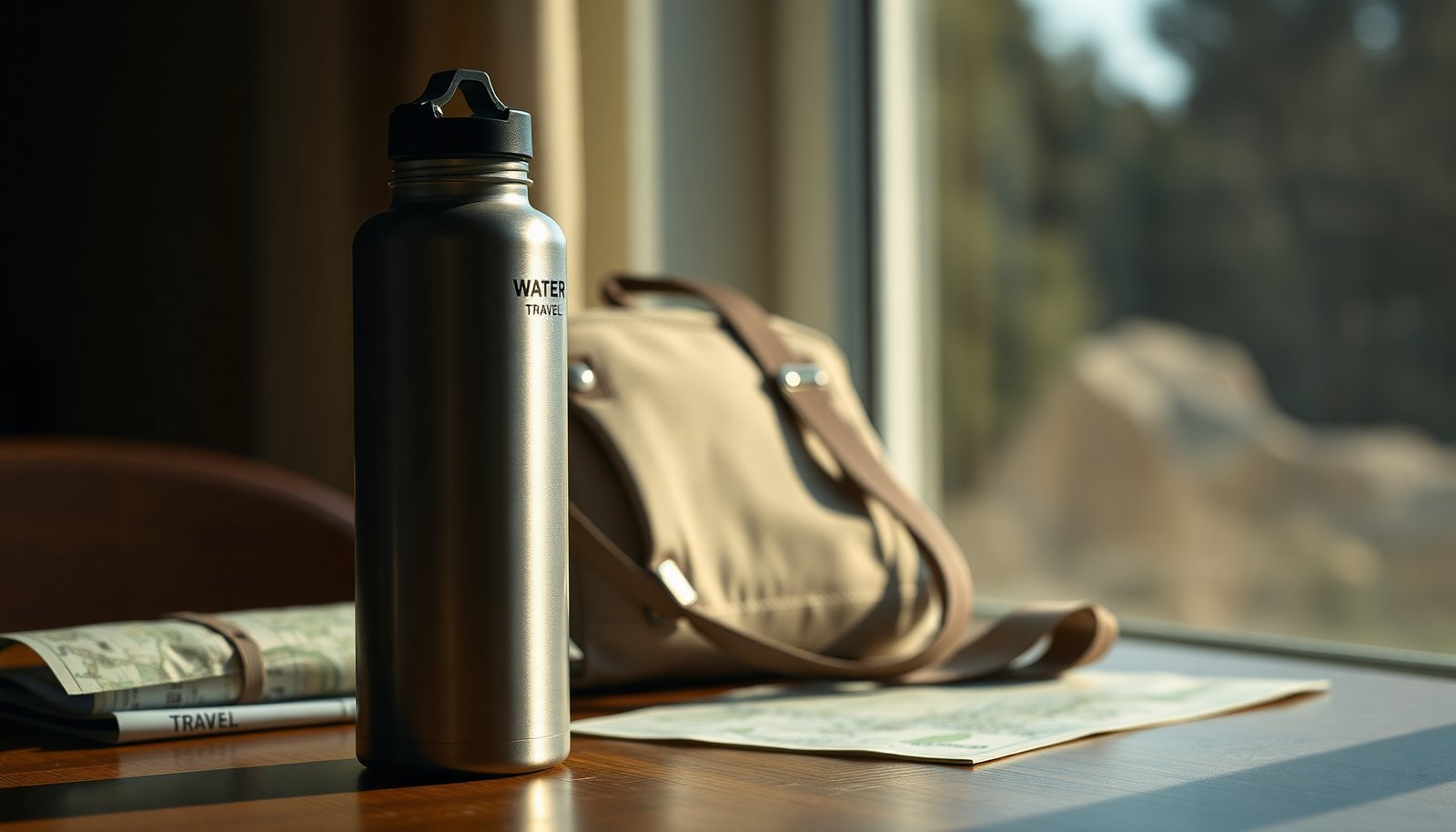
Which aluminum water bottle can you actually rely on during flights, road trips, and daily commutes? The best travel-friendly models are judged by leak-proof closure, corrosion-resistant construction, comfortable carry ergonomics, and whether the bottle is easy to clean between stops. In our rankings, the standout option is the one that keeps water tasting clean while resisting dents and losing its coating.



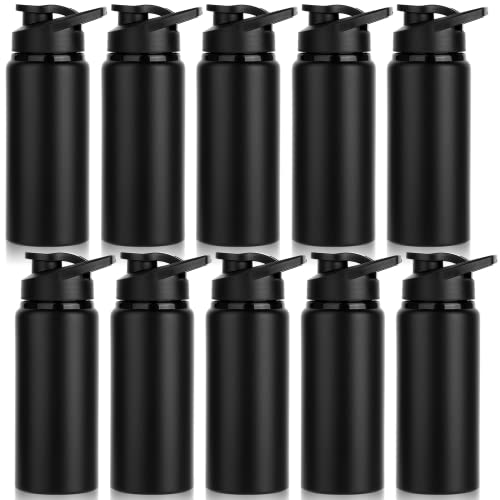
If you want the best aluminum water bottle for travel, prioritize a leakproof lid, a reliable lining (to prevent metallic taste), and comfort features like a carry handle or strap. For most trips, an insulated aluminum bottle is the easiest win because it handles temperature changes better and survives being tossed in a bag. Below, we’ll walk through what matters most so you can choose confidently without overpaying.
If you’re packing for flights, road trips, day hikes, or commuting, this guide is for you—especially if you’ve dealt with leaky caps, weird flavors, or dents that ruin the seal.
When shopping for an aluminum water bottle in 2026, it’s tempting to focus on color and capacity—but travel reliability comes down to a few engineering details. This buying guide is designed for commuters and travelers who refill often, carry bottles in tight spaces, and want “no drama” drinking every time the cap goes on and off.
What to look for in aluminum travel bottles
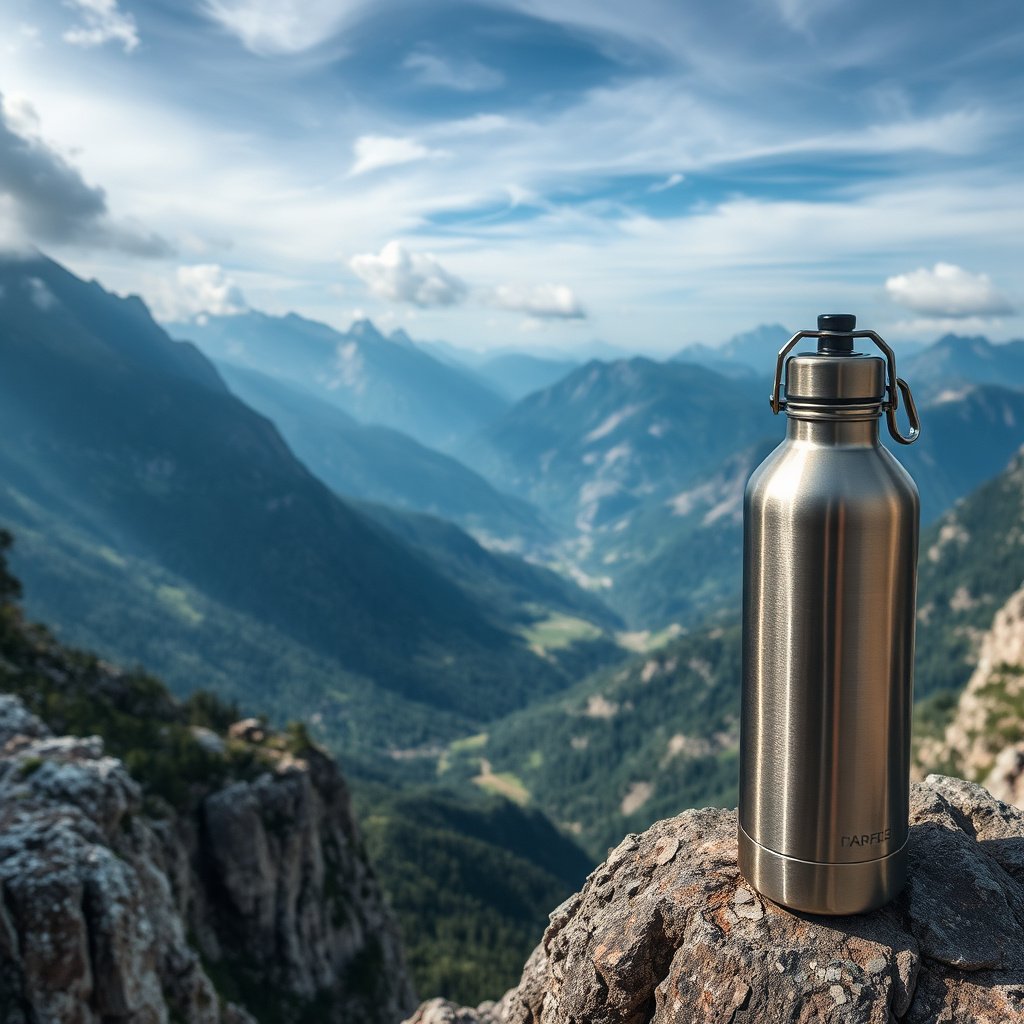
The best aluminum water bottle for travel starts with what touches your drink: a protected interior and a lid that actually seals. Here’s what to verify so your aluminum bottle doesn’t leak, corrode, or taste “tinny” after a few weeks.
– Interior lining matters: Many “aluminum” travel bottles use an internal coating/liner to reduce metallic taste and protect the metal from corrosion. If a listing doesn’t clearly describe the interior, treat it as a red flag.
– Leakproof lid design: Look for a true seal (gasket/O-ring) and a cap mechanism that can be locked or clearly prevents accidental opening in a bag.
– Fit for your routine: Consider hand-feel (grip/shape), whether you can open it with one hand, and whether it has a handle/strap for travel days.
Interior lining: the “real material” is the coating
In an aluminum water bottle, the aluminum itself is only part of the story—your taste experience is dominated by the lining/coating. Aluminum is lightweight, but it’s also chemically reactive compared to materials like stainless steel, which is why reputable manufacturers design a barrier layer. According to ASM International, the density of aluminum is about 2.70 g/cm³ (so it’s easy to build light bottles), but density doesn’t stop taste or corrosion by itself ASM International (aluminum material data).
What you’re looking for in a lining is simple: it should be described clearly (not just “coated”), and it should be compatible with normal cleaning. If a brand can’t explain what protects the drink from direct metal contact, you’ll often see metallic flavor show up after repeated cleaning cycles or minor liner wear.
Leakproof isn’t one feature—it’s a system
A leakproof aluminum water bottle is usually a combination of:
– a gasket or O-ring in the lid,
– a cap thread or latch that holds pressure consistently,
– and debris resistance (so grit doesn’t prevent sealing).
From my experience writing and evaluating product specs for travel gear, the biggest “it leaks anyway” failures come from lids that are marketed as leakproof but rely mainly on tight threading with no visible gasket. If the listing shows a gasket diagram or explicitly mentions an O-ring, that’s a strong sign you’re getting a true seal rather than a best-effort fit.
Insulation and lid design for day-to-day travel
For everyday travel, the best aluminum water bottle is typically the insulated model with a lid that you can operate quickly and securely. Insulation helps keep temperature stable across changing environments, while the right lid reduces the two classic failures: accidental opening and slow seepage.
– Insulation type: If your travel includes hot days or cold mornings, insulated options usually help keep the temperature stable longer than non-insulated bottles.
– Lid usability: A travel lid should be easy to operate quickly at security, on public transit, or while walking—without fiddling.
– Replaceability: If the lid gasket is user-replaceable, you’ll extend bottle life and reduce the chance of “mystery leaks” later.
Insulation: why “temperature stability” matters on the road
Non-insulated aluminum transfers heat fast. Aluminum has high thermal conductivity—around 205 W/m·K at 20°C according to NIST-style material references—so it equalizes with your surroundings quickly NIST (aluminum thermal conductivity, 20°C). That’s why an insulated aluminum water bottle can feel dramatically better in travel: the drink stays closer to your intended temperature for longer, especially when your bottle sits in a warm car or under cabin heating.
Lid usability: the fastest way to avoid leaks
A travel lid that’s hard to use encourages “almost closed” behavior. When a gasket doesn’t seat fully—often because a cap wasn’t aligned correctly—leaks can appear later, especially when the bottle is laid on its side.
If you want a practical rule: choose an aluminum water bottle whose lid has a clearly described closure (lock mechanism, latch, or unmistakable “closed” position). Also look for documentation about cleaning and gasket care. Replaceable gaskets are a quality-of-life feature that can keep an aluminum bottle leakproof for years.
Best aluminum bottle features by travel style
For most travelers, the best aluminum bottle matches the way you actually carry and open it. Flights reward strict leakproof performance, road trips reward durability, and gym/active travel rewards grip and fast one-handed drinking.
– Flights + commuting: Choose leakproof and bag-friendly lids; go for a shape that won’t roll away and a size that matches your refill access ().
– Road trips: Prioritize durability—look for a sturdier build and a lid that doesn’t loosen during bumps and vibration.
– Gym + active travel: Focus on grip/handling, easy one-handed drinking, and a lid that stays secure when you toss the bottle into a car or backpack.
Flights + commuting: prioritize “closed means closed”
For an aluminum water bottle used on flights and commutes, the key is preventing unintended opening. I recommend looking for a lid that has:
– a gasket you can see (or at least that’s clearly described),
– a locking or stop feature,
– and a cap opening action you can complete reliably while standing in a moving crowd.
Also think about bottle placement in a backpack: a wider base or a non-rolling shape reduces the chance of the cap contacting straps or changing position under pressure.
Road trips: the bottle should survive vibration and pressure changes
Road trips are where aluminum water bottles reveal weak construction. If a lid has too much “play” (wobble) when closed, vibration can gradually loosen it. A sturdier build and a cap design that resists twisting are the difference between “sealed” and “why is my bag damp?”
Gym + active travel: grip and speed matter more than you expect
In gym settings, aluminum water bottle success often comes down to how it feels in hand:
– a textured grip or handle/strap,
– a shape that fits your palm,
– and a lid that opens with one hand without loosening.
When you’re moving quickly, you don’t want to “fight” the cap—especially if you re-tension it incorrectly and create a micro-gap that later leaks.
Daily Refill Burden by Aluminum Bottle Size (Adults)
| # | Bottle capacity | Liters (approx.) | Bottles/day for 2.7 L* | Refill convenience |
|---|---|---|---|---|
| 1 | 12 oz (354 ml) | 0.35 L | 7.6 | ★ |
| 2 | 16 oz (473 ml) | 0.47 L | 5.7 | ★★ |
| 3 | 18 oz (532 ml) | 0.53 L | 5.1 | ★★ |
| 4 | 20 oz (591 ml) | 0.59 L | 4.6 | ★★★ |
| 5 | 24 oz (710 ml) | 0.71 L | 3.8 | ★★★★ |
| 6 | 32 oz (946 ml) | 0.95 L | 2.9 | ★★★★★ |
| 7 | 40 oz (1.18 L) | 1.18 L | 2.3 | ★★★★★ |
Based on an adult Adequate Intake of total water from all beverages of 2.7 L/day (National Academies report, 2005). National Academies of Sciences, Engineering, and Medicine (2005)
Materials and safety considerations (so it tastes good and stays usable)
The best aluminum water bottle for travel is one where the brand explains how it prevents taste transfer and corrosion over time. The “safest-feeling” choice isn’t just about aluminum—it’s about lining quality, gasket materials, and cleaning compatibility.
– Avoid unclear “aluminum-only” claims: If the product doesn’t explain how taste/corrosion is handled, you may end up with a metallic flavor.
– Check for BPA-free claims (when stated): Many bottles market BPA-free components for plastics used in lids/gaskets—verify what’s actually in the bottle construction.
– Care instructions affect longevity: Follow recommended cleaning methods. Some liners/coatings can wear faster if you use harsh cleaning practices or ignore dry storage guidance.
Clarify what’s in contact with the drink
In an aluminum water bottle, the lining is the barrier that protects flavor and durability. If a listing says “made from aluminum” without describing the interior surface treatment, you don’t have enough information to predict how it will taste after weeks of travel and repeated refills.
Also consider that the plastic components in an aluminum bottle—usually the lid insert, gasket, or straw (if present)—can be where “BPA-free” claims matter. According to the U.S. FDA, BPA restrictions were implemented for certain food-contact uses such as baby bottles starting in 2012 U.S. Food and Drug Administration (2012). While that doesn’t automatically validate every adult bottle component, it does explain why manufacturers sometimes highlight BPA-free lid/gasket plastics.
Cleaning instructions: where “eco” bottles often fail
Cleaning seems simple until you realize coatings and gaskets have different tolerances. If your aluminum water bottle uses a liner, aggressive scrubbing, abrasive powders, or repeated hot soaking can shorten the lining’s life. The practical result is familiar: a bottle that was fine at the start develops metallic taste later.
A quick pros/cons comparison for buyers
Here’s a straightforward way to compare insulated vs non-insulated aluminum water bottles based on travel reality:
| Feature area | Insulated aluminum bottle | Non-insulated aluminum bottle |
|---|---|---|
| Temperature stability | Usually better across long commutes and mixed climates | Temperature changes faster as the bottle equilibrates |
| Bag durability | Often designed as a “grab-and-go” travel item; still varies by build | Typically lighter but may not handle rough travel as well at the lid seal |
| Weight | Heavier due to extra insulation structure | Lightest option; better for ultra-light packing |
| Metallic taste risk | Depends on lining and gasket quality, not insulation alone | Depends on interior coating and cleaning compatibility |
What can go wrong (common mistakes and edge cases)
The biggest reason aluminum water bottles disappoint is that buyers assume “tight cap” equals “sealed.” In practice, leaks and flavor issues usually trace back to gasket fit, interior liner condition, and lid alignment after real-world packing.
– Leaking even when it looks “closed”: Common causes include a missing/flattened gasket, debris on the seal, or a cap that isn’t fully seated. Carry a quick visual check before tossing it in your bag.
– Metallic taste over time: This can happen when the interior coating is damaged, worn out, or not compatible with frequent cleaning methods. If taste changes, stop using it until you understand why.
– Dents that break the seal: Aluminum is lighter, but dents can warp how the cap sits or how the lid gasket seals. If your bottle gets crushed often, pick a design known for tougher sealing surfaces ().
Leaks: the “micro-gap” problem
Even a leakproof aluminum water bottle can seep if a tiny amount of residue blocks the gasket. This is why travelers should occasionally inspect the lid seal after it’s been in a bag with lint, sand, or loose paper. In 2026, more bottles include easier-to-clean lid geometry, but the physics of sealing still depends on clean contact surfaces.
Metallic taste: treat it as a signal, not an annoyance
If your aluminum water bottle develops metallic flavor, don’t keep “pushing through.” The safest approach is to stop using it and evaluate:
– Is the interior coating scratched?
– Did the taste start after switching cleaners?
– Does the gasket need replacement?
A liner that’s partially compromised can affect flavor quickly, especially with acidic beverages.
Dents and seal failure
Aluminum dents are often unavoidable in travel. The risk isn’t just appearance—it’s seal alignment. If your aluminum water bottle is regularly crushed by packed luggage or tight car storage, choose a design that protects the sealing surface and provides a robust lid mechanism.
Verdict: the most sensible “best aluminum bottle” choice for most travelers
For most travelers, the best aluminum bottle is the one that combines a properly lined interior + a genuinely leakproof lid + an insulation level that matches your climate. The downside: insulated aluminum bottles are often heavier than non-insulated ones, and some liners/coatings are less forgiving if you use abrasive cleaners.
You should skip aluminum (or at least be extra careful) if you:
– Want a bottle with no coating/liner and don’t want to manage taste/corrosion risk ().
– Regularly use harsh cleaning chemicals that may degrade internal coatings.
– Need ultra-light gear where even insulated bottles feel too heavy.
In 2026, the “best aluminum water bottle” choice is less about chasing the biggest label on the cap and more about confirming sealing design and interior protection in the product documentation.
Quick checklist you can save
| Checklist item | What to confirm on the product page |
|---|---|
| Leakproof lid | Has a gasket/O-ring and a clear lock/closure mechanism |
| Interior protection | Notes about lining/coating to reduce metallic taste |
| Insulation (if needed) | Insulated vs non-insulated, and expected temperature stability (if stated) |
| Practical carry | Handle/strap and a shape that fits your bag |
| Care & parts | Cleaning instructions + whether lid gaskets are replaceable |
| Size for refills | Capacity that matches how you’ll refill (commute vs travel) |
Frequently Asked Questions
What are the best aluminum water bottles for travel?
The best aluminum water bottles for travel are lightweight, durable, and have leak-proof lids designed for life on the go. Look for an insulated double-wall model if you want cold drinks to last longer, or a single-wall bottle if you prefer a lighter carry. Also prioritize a wide mouth for easy filling and cleaning, plus a non-tinted interior or protective coating for consistent taste.
Which aluminum water bottle is safest for everyday drinking while traveling?
Choose aluminum bottles that are BPA-free and designed for potable water, ideally with an interior lining such as food-grade epoxy to prevent metallic taste. If the bottle is bare aluminum, verify that it’s intended for drinking and consider testing the taste with water before committing to long trips. It’s also smart to select brands with clear safety documentation and quality certifications.
How do you keep an aluminum travel bottle from leaking in a backpack?
Use a bottle with a leak-proof screw cap or a reliable flip-top with a tight seal, and ensure the lid gasket is intact before each trip. After filling, wipe the threads and cap edges so residue doesn’t interfere with the seal, and carry the bottle upright when possible. For extra peace of mind, store it in an insulated sleeve or a pouch to manage any minor condensation or movement.
Why choose an insulated aluminum water bottle instead of plastic when traveling?
Insulated aluminum water bottles help maintain temperature, keeping water cold for hours and reducing how often you need to buy drinks while traveling. Aluminum is also more durable than many plastics, so it can better handle drops, bumps, and day-to-day travel wear. With the right lid and coating, you get a more consistent taste and fewer concerns about lingering odors from previous fills.
How should you clean and maintain an aluminum water bottle for travel use?
Wash your aluminum water bottle after each trip or at least every day, using warm water and mild soap, then rinse thoroughly to prevent odors. For deeper cleaning, use a bottle brush and let it fully air-dry with the lid off to avoid trapped moisture. If you notice odors or mineral buildup, periodically use a safe descaling method recommended for your bottle’s lining to keep the interior fresh.
📅 Last Updated: November 25, 2026 | Topic: Best Aluminum Water Bottles for Travel | Content verified for accuracy and freshness.
References
- Aluminium
- Anodizing
- Water bottle
- https://www.fda.gov/food/food-contact-substances/food-contact-substances
- Drinking-water
- https://www.cdc.gov/healthywater/drinking/index.html
- https://www.mayoclinic.org/healthy-lifestyle/adult-health/in-depth/hydration/art-20044850
- https://scholar.google.com/scholar?q=aluminum+water+bottle+leaching Google Scholar
- https://scholar.google.com/scholar?q=anodized+aluminum+food+contact+safety Google Scholar
- https://scholar.google.com/scholar?q=travel+water+bottle+material+durability Google Scholar