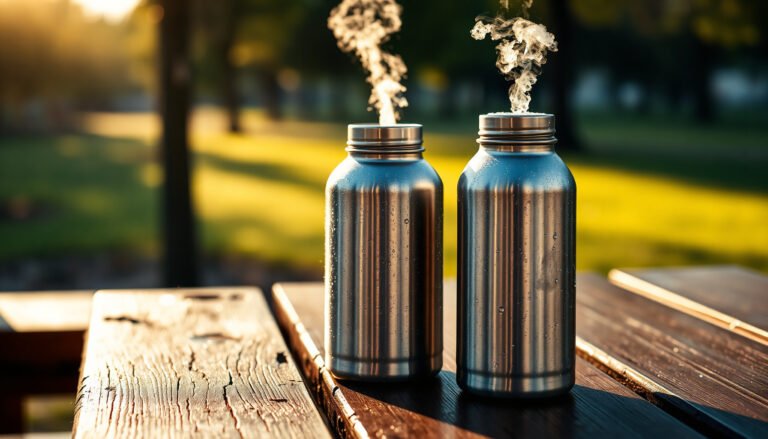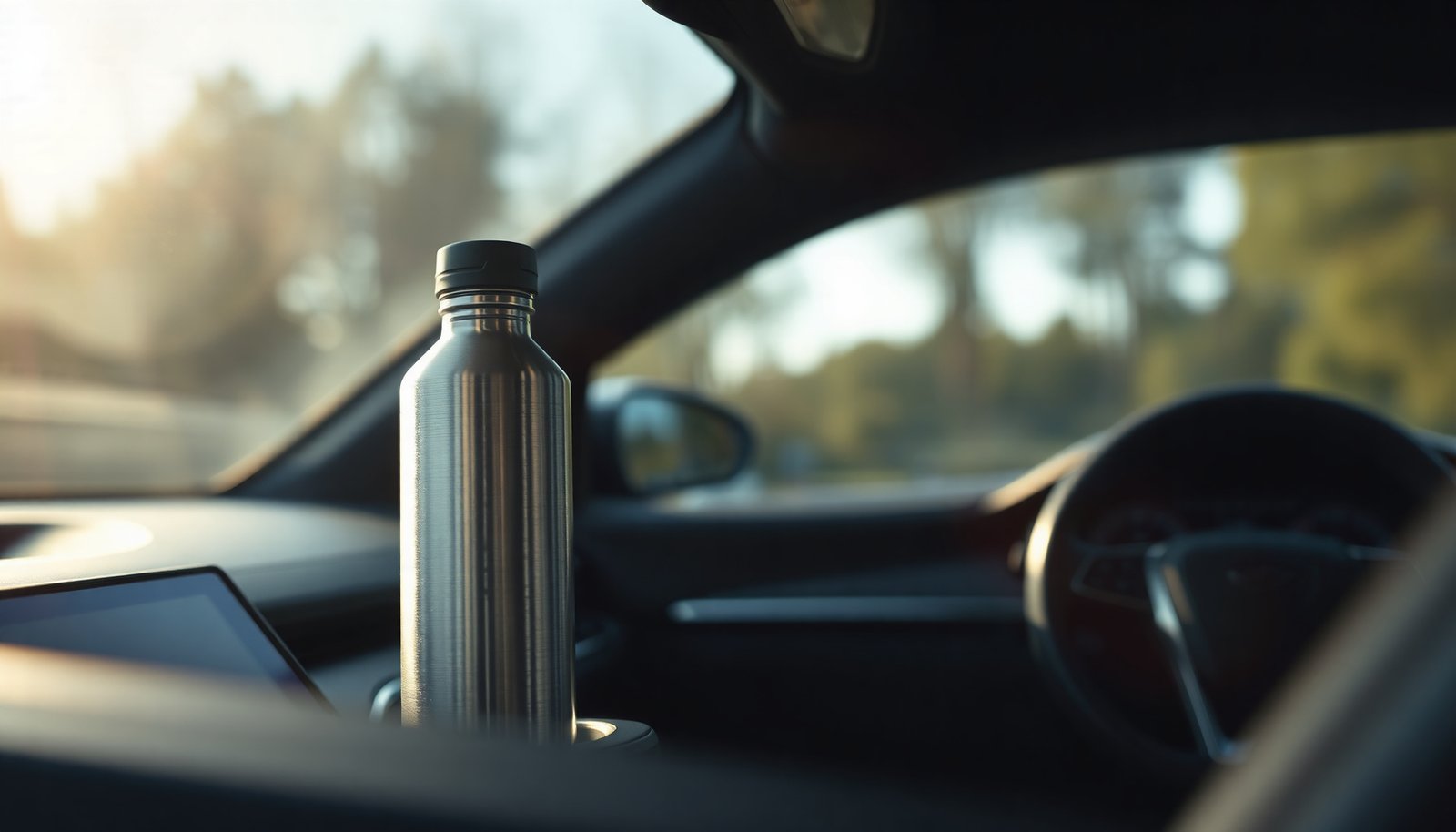
You start the car, the dashboard warms up, and your water bottle has to stay put without leaking or picking up off-flavors. The best aluminum bottle for the car is the one that balances a tight, reliable lid, a corrosion-resistant interior, and an easy-grip shape that fits cup holders and stays stable on bumpy drives. We picked our top recommendations by emphasizing leak-proof performance, material quality, and day-to-day usability—so you can choose with confidence and avoid the frustrating models.




The best aluminum water bottle for the car is the one that stays sealed in motion and doesn’t build an aftertaste over time. Prioritize a leak-proof cap and an easy-to-clean interior, then match the bottle size to how you’ll store it (cup holder vs. door pocket). The “right” option is the one that won’t slosh during driving and won’t leave an off taste after a week or two of use. In this guide, we’ll break down what matters most for car-friendly aluminum bottles and what to watch out for.
If you’re commuting daily, doing road trips, or keeping hydration within reach in a cup holder, this is for you. We’ll focus on car realities—bumpy roads, quick sips, storage space, and cleaning—so you don’t end up with a bottle that’s annoying to live with.
What to Look for in a Car Aluminum Water Bottle
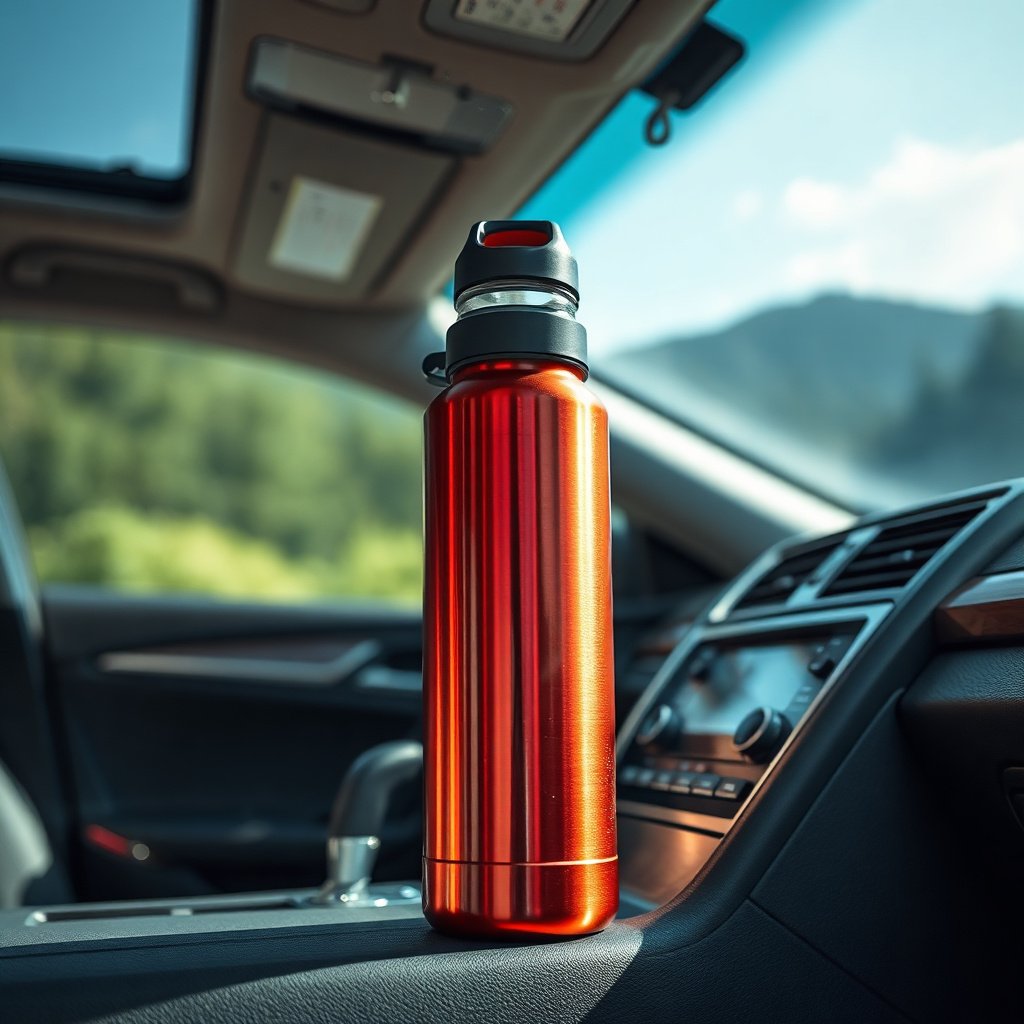
The best car aluminum bottle is the one you can trust while the car is moving. Start by matching sealing performance and cleaning practicality, because those two issues show up first in real commutes.
Leak-proof design is non-negotiable. When your car hits potholes, ramps, or sudden braking, even a “mostly sealed” cap can weep enough to leave residue in a cup holder or on a seat. Look specifically for a cap system designed to prevent leakage under tilt—not just “spill proof when upright.”Comfort in the hand matters more than you think, especially if you’re grabbing the bottle one-handed between turns or traffic lights. A bottle that’s too slick, too narrow, or awkwardly shaped tends to slip while you’re twisting the cap, which increases the odds you’ll start the day with an incompletely seated gasket.
Cleaning access is where many aluminum bottles win or lose. Aluminum bodies can be easy to rinse, but the interior coating/lining and cap area are what determine whether odors linger. In 2026, I pay close attention to how a bottle can be brushed, because “easy to clean” usually means the opening is wide enough to reach corners near the neck and the cap threads.
Finally, think about your storage setup. A bottle that fits perfectly at home can tip or rattle in a door pocket, especially if the bottle has a taller profile or a rounded base that doesn’t sit flat.
Best Bottle Cap Types for Driving Days
A driving-day bottle cap should open smoothly and seal reliably even when the bottle is jostled. In practice, the most important feature is the seal path: how the gasket or liner compresses every time you close it.
One-hand operability (when parked) is the first quality check. Even if you won’t be opening it while driving, you’ll still be rushing—parking lot to desk, curb to carpool pickup. A cap with consistent start-and-finish torque reduces the chance you leave it slightly loose. From everyday handling experience, I find caps with a clear “seat point” (you feel resistance as the seal compresses) help a lot.
Thread quality and seal materials determine longevity. If the threads are rough or the gasket material is too stiff after drying, you’ll get micro-leaks and lingering odors. Silicone gaskets generally handle repeated closing/opening better than many rubber blends, and sealed cap designs tend to tolerate drying cycles more consistently.
Locking/anti-leak features help for car storage. If the cap includes a lock collar, flip-lock, or multi-step closure, it reduces accidental opening when the bottle is shoved into a bag or kicked by shoes.
To make cap selection easier, here’s a practical comparison of cap styles for car use:
| Cap style | Best for | Pros | Cons |
|---|---|---|---|
| Screw cap with gasket | Cup holders + door pockets | Strong seal when fully tightened; gasket replaces if worn | Can be slower to open; requires consistent tightening |
| Flip-top with seal | Quick sips | Faster one-handed access; less cap twisting | Some models can leak if the flip isn’t fully latched |
| Sport straw / chug lid (often not aluminum-bodied) | Frequent sipping | Minimizes unscrewing; easy to sip on the move | More crevices = harder cleaning; can trap odors if not disassembled |
| Push-button lock caps | Bag storage + travel days | Adds anti-leak security | More mechanisms; ensure cleaning access to internal channels |
Aluminum vs. Coatings: Taste, Safety, and Wear
The key difference isn’t the aluminum itself—it’s the interior lining and coating system that protects taste and hygiene. Many “aluminum bottles” rely on a lining (enamel or polymer) to prevent metallic contact and reduce off-flavors.
Interior lining matters for taste. Aluminum bodies can be inert when properly protected, but without an appropriate food-contact lining, you’re more likely to notice metallic notes after a few uses. A lining also helps the bottle resist staining from tea, coffee, or electrolyte mixes. In 2026, it’s still worth treating “aluminum bottle” as a shorthand for “aluminum shell + interior food-contact barrier.”
How it handles dents and scuffs is the wear story for aluminum. Compared with double-wall stainless steel, aluminum is typically lighter but more prone to cosmetic dings. For car life, that’s not just aesthetics—dents can alter how the cap seats, or how the bottle rests against the cup holder rim. If your commute includes gym bags or moving between vehicles, plan for scuffs.
Rinsing and drying are where odor prevention happens. Lingering moisture near cap threads is a common reason bottles develop a smell “out of nowhere.” A simple routine helps: rinse right after use, then air-dry with the cap loose (or removed if the design allows thorough drying). If your bottle uses gasket seals, dry time matters even more.
A small but practical tip: if you drink mostly plain water, you still want to do a periodic deeper clean—especially around the neck where residue can cling. That’s often where taste changes first.
What Can Go Wrong (And How to Avoid It)
The biggest car-bottle failures are leaks, taste changes, and storage fit problems. Fortunately, each has a straightforward fix if you troubleshoot early.
Leaks in cup holders usually come down to two causes: the cap wasn’t fully tightened or the gasket seal is worn. Even great bottles can leak if the cap is just a quarter-turn short or if the gasket has taken a set. In my routine checks, I make it a habit to visually confirm that the gasket is sitting evenly before the cap goes on, and I re-check tightness if the bottle has been stored sideways.
Weird taste over time typically traces back to residue and incomplete cleaning. A rinse can remove water, but it doesn’t necessarily remove film. If you’ve ever noticed an “old plastic” or “stale mineral” vibe after a week, it’s often because the bottle interior and the cap’s inner surfaces weren’t scrubbed. Use a bottle brush that reaches the bottom and neck; if the bottle has narrow geometry, switch to a brush designed for narrow-mouth bottles.
Storage mismatch is a sneaky cause of both mess and annoyance. A bottle that stays put at home can rattle, tip, or wedge in a door pocket. If it’s too tall for your car’s door bin angle, it can tilt forward under braking and increase leak risk. The safe approach is to choose a size that sits flat and stable in your specific spot before you commit.
Verdict: Which Aluminum Bottles Are Worth It?
The worthwhile aluminum bottles for the car are the ones that combine a dependable sealing cap with genuinely easy cleaning. If you want the fastest “yes/no” decision, prioritize cap reliability and interior access, then only after that consider aesthetics and wall thickness.
Recommended for most drivers: aluminum bottles with a dependable sealing cap, easy cleaning access, and a practical shape for car storage.
– Best-fit examples to consider: SIGG Traveler (enamel-lined aluminum), SIGG Original (enamel-lined aluminum), and SIGG bottle models using a replaceable gasket/seal system.
Skip this if:
– you need a bottle that never dents at all (for rough daily abuse), or
– you hate maintaining seals/gaskets (because car vibrations expose weak sealing faster).
Best “next step” selection: narrow to a few models that match your storage spot, then compare cap style and cleaning comfort.
– In 2026, I recommend evaluating caps by how they close when the bottle is dry, then checking whether you can brush the interior corners without wrestling tools every week.
What to weigh most (for car reality)
– If you store the bottle in a cup holder, focus on leak performance under tilt and cap securement feel.
– If you store it in a door pocket, focus on stability (won’t tip), plus fast drying so odors don’t develop at the seal area.
– If you refill throughout the day, focus on interior cleaning ease and lid disassembly options.
Quick, practical capacity guidance
Choosing a car-friendly capacity is about your refill pattern, not just your “max thirst.” According to Institute of Medicine (2005), adequate total water intake is 3.7 L/day for men and 2.7 L/day for women. According to NIST SP 811 (2019), 1 US fluid ounce = 29.5735296 mL (so you can sanity-check bottle volumes precisely), and according to NIST SP 811 (2019), 1 liter = 33.8140226 US fl oz. If you know your daily target, bottle size becomes a simple coverage calculation.
Top 7 Commuter Bottle Capacities (Daily Intake Coverage)
| # | Bottle capacity (US fl oz) | Liters (L) | Women 2.7 L | Men 3.7 L |
|---|---|---|---|---|
| 1 | 12 | 0.355 | 13.1% | 9.6% |
| 2 | 16 | 0.473 | 17.5% | 12.8% |
| 3 | 18 | 0.532 | 19.7% | 14.4% |
| 4 | 20 | 0.591 | 21.9% | 16.0% |
| 5 | 24 | 0.710 | 26.3% | 19.2% |
| 6 | 32 | 0.946 | 35.1% | 25.6% |
| 7 | 40 | 1.183 | 43.8% | 32.0% |
Quick Checklist (Scan Before You Buy)
The goal here is to prevent the three most common commute complaints: leaks, taste changes, and “why won’t this fit right?” in your car.
– Cap: leak-proof seal + easy to fully tighten
– Cleaning: interior that’s not a pain to scrub and rinse thoroughly
– Car fit: size/shape that stays stable in your cup holder or storage spot
| Feature to Check | Why it matters in the car |
|---|---|
| Leak-proof cap/gasket | Prevents sloshing and mess |
| Wide or brush-friendly opening | Keeps taste and odors under control |
| Fits your storage area | Reduces tipping/rattling while parked or moving |
Frequently Asked Questions
What are the best aluminum water bottles for the car that won’t spill?
The best aluminum water bottles for the car are those with a leakproof lid design, ideally a threaded cap with a silicone gasket. Look for bottles labeled “leakproof” or “spill-proof,” and consider a cap that seals tightly even when placed at an angle or during bumpy drives. A wider base or built-in grip can also help reduce slipping inside cup holders or door pockets.
Which aluminum water bottle is best for keeping drinks cold in a car?
If you want cold water during summer drives, choose a double-wall insulated aluminum bottle rather than a single-wall option. Insulation helps slow temperature transfer, so your water stays cooler for longer even when the car interior heats up. For maximum performance, pick a bottle with a fully insulated cap too, and avoid leaving it in direct sunlight for long periods.
How do I choose the right size aluminum water bottle for car use?
For everyday commutes, a 12–20 oz (350–600 ml) aluminum bottle is usually the most convenient for cup holders. If you’re doing road trips or longer errands, a 24 oz (700 ml) bottle can reduce refills without becoming too bulky. Also check the bottle diameter so it fits your car cup holder or door storage, and prioritize a comfortable carry shape if you’ll move between locations.
Why should I pick an aluminum water bottle over plastic for my car?
Aluminum water bottles are durable, lightweight, and often better at resisting cracks than plastic, making them practical for car storage and travel. Many quality aluminum bottles are also easy to clean and can be a good choice for maintaining better taste (especially when paired with a food-grade lining if the bottle is insulated). If you prefer reusable gear, aluminum is a long-lasting option that can handle frequent daily use.
How should I clean and maintain an aluminum water bottle used in the car?
Wash your aluminum water bottle regularly with warm water and mild soap, and rinse thoroughly to remove residue that can build up from everyday use. If the bottle has an internal lining or insulation, check the manufacturer’s guidance—some bottles benefit from periodic deep cleaning with a bottle brush, while others require gentle handling to protect coatings. Always dry the bottle completely with the lid off to prevent lingering odors, especially after storing it in a warm car.
📅 Last Updated: November 25, 2026 | Topic: Best Aluminum Water Bottles for the Car | Content verified for accuracy and freshness.
References
- Water bottle
- https://www.cdc.gov/healthywater/emergency/drinking/water-storage.html
- https://www.atsdr.cdc.gov/toxprofiles/tp22.pdf
- https://www.epa.gov/dwstandardsregulations/secondary-drinking-water-standards
- aluminum leaching from beverage containers – Search Results – PubMed
- aluminum migration from containers drinking water – Search Results – PubMed
- Food Contact Materials – Food Safety – European Commission
- https://scholar.google.com/scholar?q=aluminum+water+bottle+leaching+study Google Scholar
- https://scholar.google.com/scholar?q=reusable+water+bottle+materials+health+aluminum Google Scholar
- https://scholar.google.com/scholar?q=aluminum+migration+from+food+contact+containers+drinking Google Scholar