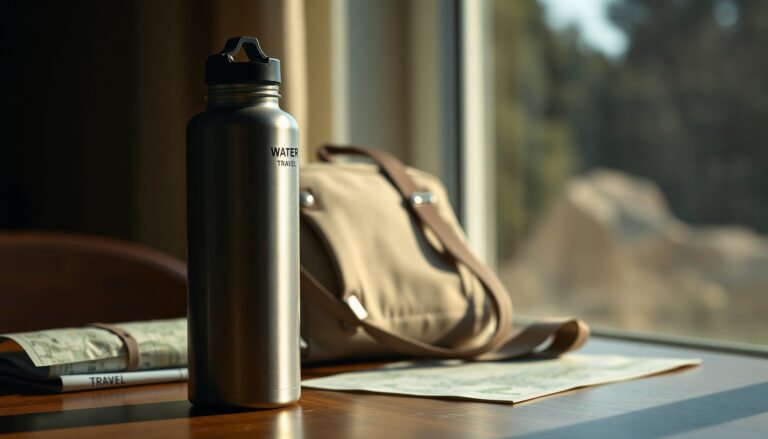
The best aluminum water bottles for teachers are the ones that stay leakproof in a backpack, handle daily use without dents or corrosion, and keep water tasting clean. These picks are meant for busy classrooms—teachers who need reliable hydration through meetings, supervision, and long lesson blocks. We selected options based on lid security, insulation performance, cap design for one-handed use, mouth size for easy refills, and durable construction.



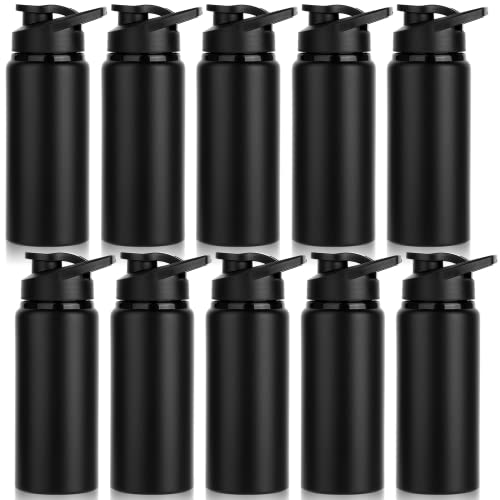
The best aluminum water bottles for teachers are the ones that stay leakproof, fit easily in a bag, and keep drinks at the temperature you need. In this guide, you’ll learn what to look for (and what to avoid) so you can pick a bottle that survives daily classroom use. We’ll also share a quick checklist to compare options fast.
If you’re a teacher who hauls a bottle between periods, needs hands-free drinking options, and wants something that won’t spill during bus duty, this is for you. It’s also useful for anyone buying a classroom-ready refill bottle for a colleague or student helper.
What to look for in an aluminum teacher bottle
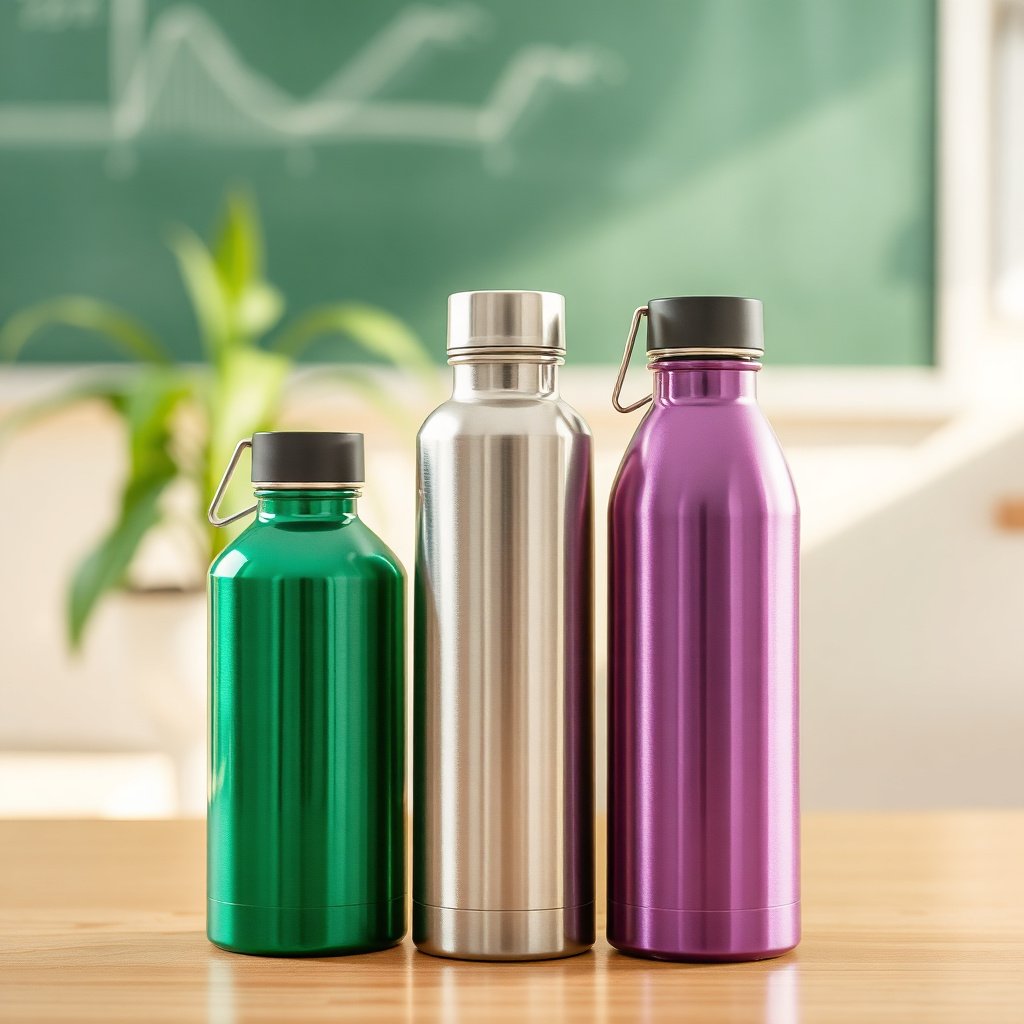
A classroom-ready aluminum bottle should prioritize leak resistance, real durability, and a mouth you can clean quickly. If those three areas check out, most “small inconveniences” that cause teachers to abandon bottles won’t show up.
– Leakproof lid design: prioritize a tight seal (often with a gasket) and a lid that’s easy to open one-handed.
– Real-world durability: look for a sturdy powder coat and a build meant for drops and being set down on classroom floors.
– Easy maintenance: choose finishes and openings that won’t trap residue and are simple to rinse daily.
Why these features matter in practice (and not just on a label). In 2026, the typical teacher schedule still means frequent grab-and-go stops, high foot traffic, and lots of bag-on-chair moments. When a lid uses a worn gasket or a latch that doesn’t fully engage, a bottle can leak even if it “held water in a sink test.” A powder-coated exterior helps prevent minor scuffs from becoming corrosion points, but the lid is the part that fails first—so that’s where you should spend your decision time.
Also, water needs aren’t theoretical. According to the National Academies (2005), adequate total water intake is about 2.7 L/day for women and 3.7 L/day for men (National Academies, 2005). If your bottle can’t realistically support repeated fills, teachers end up using it less often—which defeats the whole purpose.
Finally, think about the time you’re “carrying the bottle without being able to watch it.” According to the National Center for Education Statistics, the average public-school instructional day is about 6.6 hours (NCES, reporting on typical school-day length). That’s long enough for temperature swings, lid looseness, and residue buildup to become noticeable—especially with flavored beverages.
Insulated vs. non-insulated (and why it matters in schools)
Insulated aluminum bottles win when you need temperature stability across a full teaching day. Non-insulated bottles can still work for shorter windows, but they tend to lose “freshly poured” temperature quickly when classroom routines stretch long.
– Double-wall / vacuum insulation helps keep cold drinks cold longer—useful for long teaching days and limited fridge access.
– Single-wall aluminum is typically lighter and simpler, but it won’t slow temperature changes as much.
– Hot vs. cold use: if you plan to use hot beverages, confirm the bottle is rated for that (check the manufacturer’s guidance to avoid incorrect assumptions).
Here’s a practical way to compare insulated and single-wall designs for teachers:
| Feature | Insulated (double-wall/vacuum) | Single-wall aluminum |
|---|---|---|
| Best for | Cold drinks across long days; also better for keeping ice | Shorter shifts; occasional hydration between refills |
| Temperature drift | Slower heat transfer; lid quality still matters | Faster drift toward room temperature |
| Bag carry reality | Still needs a true leakproof lid—insulation won’t fix lid failure | Same leakproof-lid requirement; just less temperature stability |
| Hot beverages | Only if rated; confirm lid liner compatibility | Often limited—confirm ratings carefully |
To make sizing less abstract, consider daily hydration targets. Below is a capacity-to-intake coverage reference using the adequate intake values above (so you can decide whether you’re likely to need multiple refills during 2026 school hours).
Bottle Capacity Coverage Against Daily Adequate Intake (AI)
| # | Bottle capacity | Volume | Women (2.7 L) per bottle | Men (3.7 L) per bottle |
|---|---|---|---|---|
| 1 | 12 oz ★☆☆☆☆ | 355 mL | 13.1% | 9.6% |
| 2 | 16 oz ★★☆☆☆ | 473 mL | 17.5% | 12.8% |
| 3 | 18 oz ★★☆☆☆ | 532 mL | 19.7% | 14.4% |
| 4 | 24 oz ★★★☆☆ | 710 mL | 26.3% | 19.2% |
| 5 | 26 oz ★★★☆☆ | 769 mL | 28.5% | 20.8% |
| 6 | 32 oz ★★★★☆ | 946 mL | 35.1% | 25.6% |
| 7 | 40 oz ★★★★★ | 1,183 mL | 43.8% | 32.0% |
This isn’t a “one bottle solves everything” calculation—some teachers need more or less depending on weather and activity—but it makes capacity decisions more grounded in 2026 hydration reality.
For hot drinks, pay attention to safety and lid compatibility. According to the U.S. Consumer Product Safety Commission, hot tap water around 120°F (49°C) can cause serious burns quickly (U.S. CPSC burn/scald guidance). Even if a bottle is rated for hot liquids, you still want a lid that reliably prevents accidental openings and steam leaks.
Lid styles that work for busy teaching days
The right lid style should let you drink quickly without making your bag or classroom floor a spill zone. Here’s how to match lid types to the realities of passing periods, hallway duty, and desk work.
– Flip-top or chug lids can be quicker during transitions, but they vary a lot in spill resistance—verify leakproof claims.
– Straw lids are great for “grab-and-go,” especially with kids nearby, but check whether the straw assembly is hard to clean.
– Locking mechanisms (if included) help prevent accidental openings in bags—look for something that reliably clicks/locks.
What I would prioritize for daily classroom use. If you routinely close your bottle while it’s in a bag, choose a lid that includes either a positive lock or a gasketed seal you can feel “engage.” Strap-on simplicity matters too: flip-top lids that require fiddly finger alignment tend to become annoying during transitions, and annoyance often turns into “shortcuts” (like partial closure) that lead to leaks.
For straw lids, the trade-off is hygiene. Straw assemblies can trap residue, especially with dairy substitutes, flavored drinks, or anything sweet. If you go straw, look for a design with removable straw parts and a cleaning method that doesn’t require tools.
If you want a real-world sanity check, add one item to your decision process: . That kind of lived experience usually beats spec-sheet reading when you’re choosing for a colleague.
Materials and taste: what “aluminum” actually means
A bottle being “aluminum” doesn’t automatically guarantee great taste—it depends on the inner contact surface. For most teachers, the easiest way to protect flavor and reduce odor is to choose a bottle with a well-finished interior and a lid you can fully clean.
– Inner lining matters: many aluminum bottles use a liner/coating; if you’re sensitive to taste, choose one designed for food-safe contact surfaces.
– Avoid rough interiors: smoother interiors are easier to clean and less likely to hold odors.
– Cleaning routine: a regular wash (and occasional deeper clean) reduces the chance of lingering flavors—especially if you use flavored drinks.
How taste problems usually happen. Lingering flavors often come from two places: residue trapped around the lid gasket and residue stuck in narrow openings. Even when the bottle is technically “leakproof,” a tight gasket can create a tiny pocket where residue builds if you’re rushing through cleaning. That’s why the best aluminum classroom bottles are the ones that match your actual cleaning routine—not the ones that look great in a review photo.
What to watch for on spec sheets. Instead of relying only on the word “aluminum,” look for wording that clarifies the inner surface (for example, whether the inner is coated/liner-safe and how it should be cleaned). Also check whether the lid gasket is replaceable—gaskets wear, especially if the bottle is cleaned with harsh tools or left closed while wet.
What can go wrong (common mistakes to avoid)
The most common bottle failures in classrooms are avoidable: lids not fully closed, cleaning skipped, and hot liquids used without ratings. Avoiding these three issues prevents most leaks, odors, and component wear.
– Over-relying on “leakproof” marketing: always check for gasket wear, proper closure technique, and whether the lid is secure in a sideways bag.
– Skipping the cleaning check: narrow openings and complicated lids can be annoying to scrub—then residue builds up.
– Using hot water when it’s not rated: some lids/liners aren’t intended for high-heat use, so confirm before pouring anything hot.
Mistake #1: trusting the label instead of the closure. A “leakproof” claim can still be conditional—often it assumes the lid is properly locked and the bottle is used upright. In school settings, bottles spend time tilted, set down quickly, and moved between rooms. If you’ve ever watched someone close a bottle “close enough,” you already know why this matters.
Mistake #2: underestimating cleaning complexity. If the lid has multiple parts (straw assembly, gasket, small vent components), it may be “cleanable,” but not “cleanable every day” during a busy week. If you’re buying for someone else—like a classroom helper—lean toward simpler lid designs with fewer crevices.
Mistake #3: hot-water assumptions. If a bottle isn’t explicitly rated for hot liquids, you’re taking a risk with lid components and inner coatings. And because hot liquids can scald quickly (see CPSC guidance at 120°F / 49°C) (U.S. CPSC burn/scald guidance), it’s not a category where you want guesswork.
Verdict: which aluminum bottles to choose (and who should skip aluminum)
If you want a lightweight, classroom-friendly bottle, aluminum is often a strong choice—especially with a leak-resistant lid and insulation if you care about temperature stability. The main downsides are that some lids/linings can be finicky to clean and not every aluminum bottle is meant for hot beverages or certain drink types.
Who aluminum is best for:
– Teachers who need an easy-to-carry bottle that can handle daily movement across the building.
– Anyone who values a leakproof lid in bags, especially during bus duty or hallway coverage.
– Teachers who will rinse daily and do periodic deeper cleaning.
Who should skip aluminum (or double-check specs first):
– If your priority is “dishwasher-only, zero maintenance,” some lid and gasket components may not tolerate that routine.
– If you routinely use very hot liquids, confirm both bottle and lid are explicitly rated for hot beverages.
– If you’re highly sensitive to taste from internal coatings, look for interior designs intended for beverage contact and clean thoroughly during the first week.
If you want “top pick” outcomes without guessing brands, your best strategy in 2026 is to choose an aluminum bottle that checks these exact boxes: true gasketed leakproof lid, openings that are easy to rinse, and insulation level that matches your school-day temperature needs.
Quick checklist you can save
| Feature to check | Why it matters for teachers |
|---|---|
| Leakproof lid + gasket | Reduces spills in bags and on desks |
| Insulation (double-wall) | Helps with cold drinks through the school day |
| Lid you can open quickly | Faster sips during transitions |
| Easy-to-clean opening | Prevents residue and odors |
| Manufacturer rating for hot/cold | Avoids damage to lid/liner |
Frequently Asked Questions
What are the best aluminum water bottles for teachers who need to stay hydrated all day?
The best aluminum water bottles for teachers are lightweight, durable, and easy to clean, with a leakproof lid and comfortable carry handle. Look for insulated options (double-wall vacuum) to keep water cold during long class periods and prevent repeated trips to the sink. Also prioritize smooth interiors and simple lid designs so you can quickly refill and wash between duties.
Which aluminum water bottle features matter most for classroom use?
For classroom use, focus on a leakproof screw cap or flip-top lid, an anti-slip grip, and a size that fits your daily routine (often 20–32 oz). A narrow mouth or wide mouth can both work, but wide-mouth bottles are typically easier for ice and cleaning. If you commute or have packed bags, choose a bottle with a sturdy powder-coated finish that won’t scuff easily and helps prevent condensation.
How do I choose an insulated aluminum water bottle for teaching in hot or cold climates?
Choose a double-wall vacuum insulated aluminum water bottle if you need temperature retention for long hours—cold water in summer and warmer water during colder months. Check the “hours” rating on the product listing and confirm it’s designed for everyday carry, not just short-term travel. If you switch between indoor and outdoor settings, prioritize a lid that seals tightly to reduce heat exchange and prevent drips.
Why should teachers consider aluminum over plastic or glass for daily water bottles?
Aluminum water bottles are a popular choice for teachers because they’re lightweight, impact-resistant, and often more durable than glass. Many aluminum bottles also avoid the “plastic taste” that can develop over time and are less prone to cracking if dropped in a classroom setting. Plus, aluminum can be a more sustainable option when you’re replacing bottles less frequently.
Best how-to: How can teachers clean and maintain an aluminum water bottle to prevent odors?
To maintain a fresh taste, wash your aluminum water bottle with warm water and mild soap after each use, especially if you use flavored water. For deeper cleaning, use a bottle brush and—if recommended by the manufacturer—periodically run a baking soda soak to reduce odors. Always dry the lid and bottle parts fully and store them open between uses to prevent trapped moisture and lingering smells.
📅 Last Updated: November 25, 2026 | Topic: Best Aluminum Water Bottles for Teachers | Content verified for accuracy and freshness.
References
- Water bottle
- Aluminium
- https://www.atsdr.cdc.gov/toxprofiles/tp22.html
- aluminum leaching reusable water bottle – Search Results – PubMed
- https://pubmed.ncbi.nlm.nih.gov/?term=aluminum+corrosion+beverage+container+metal+migration
- https://www.epa.gov/ground-water-and-drinking-water/drinking-water-contaminants
- https://www.fda.gov/food/buy-store-serve-safe-food/bottled-water
- https://scholar.google.com/scholar?q=best+aluminum+water+bottle+for+teachers+leakproof+insulated+durable Google Scholar
- https://scholar.google.com/scholar?q=aluminum+water+bottle+metal+leaching+study Google Scholar
- https://scholar.google.com/scholar?q=aluminum+beverage+container+corrosion+metal+migration+reusable+bottle Google Scholar